Clear Aligners vs Traditional Braces: Which UK Solution Wins?
For anyone considering straightening their teeth in the UK, the choice often comes down to two proven options: clear aligners or traditional braces. Both have decades of clinical success and modern innovation behind them. However, each works differently, suits different lifestyles, and varies in comfort, cost, and appearance. In this guide, we compare both systems side-by-side — from treatment mechanics and effectiveness to price and practicality — to help you decide which fits your smile goals best.
Overview of Teeth Straightening Options in the UK
UK patients today can choose between multiple dentist-led, regulated teeth straightening methods. The two most widely used are clear aligners and traditional fixed braces, with alternative versions such as ceramic or lingual braces also available for aesthetic or clinical reasons.
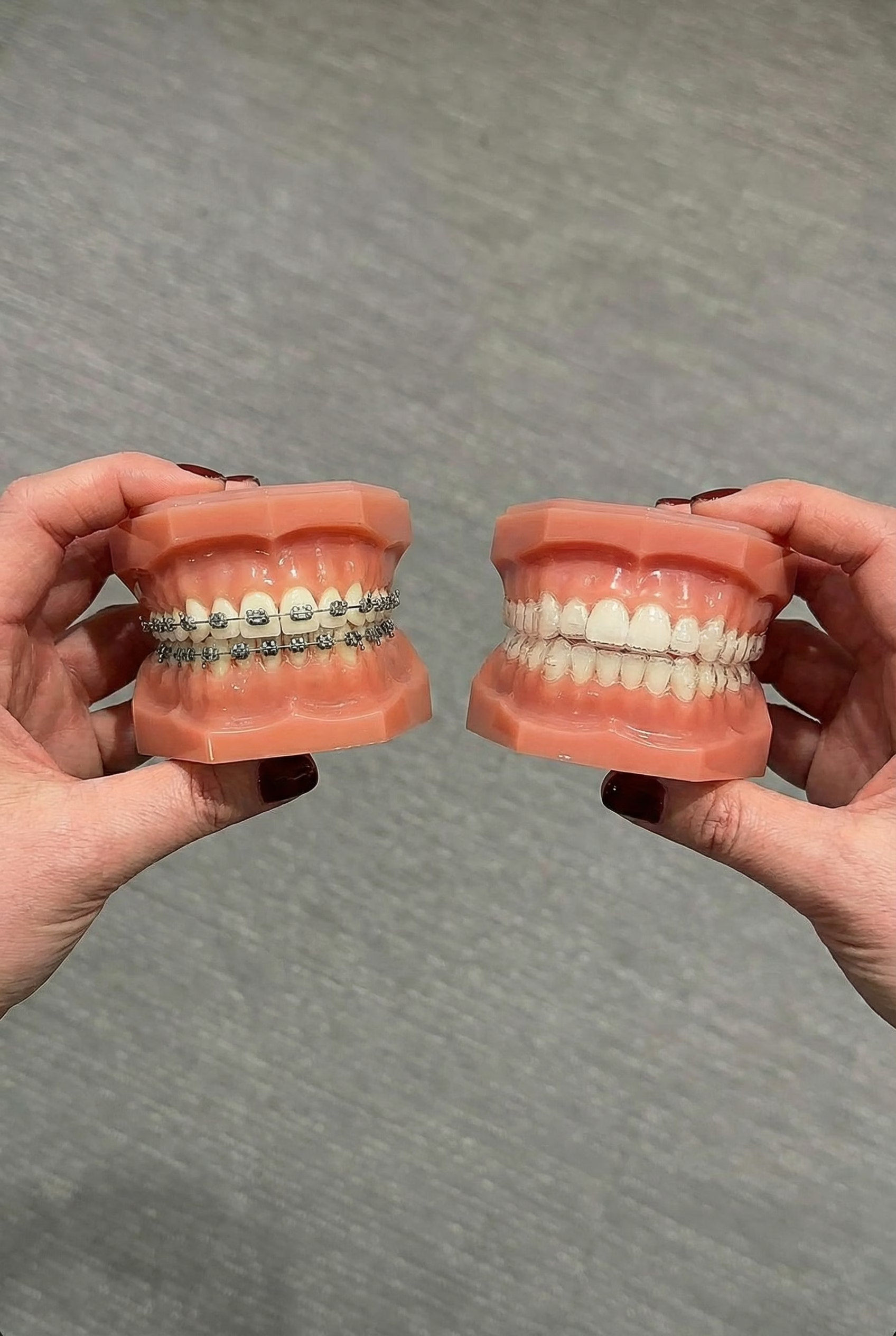
Clear aligners are removable, transparent trays digitally designed to gently guide teeth into their ideal position. They are custom-made and replaced every few weeks to maintain progress. Traditional braces consist of metal or ceramic brackets bonded to each tooth and connected by an adjustable wire that moves teeth using continuous, controlled force.
Digital and remote orthodontics are now routine in the UK. Regulated platforms such as Toothfairy—the UK’s first health‑regulated, dentist‑led dental app—provide continuous dentist supervision and remote tracking, making orthodontic care more convenient and accessible, especially for adults balancing busy schedules.
How Clear Aligners Work
Clear aligners use computer‑guided mapping and 3D printing to produce a series of custom trays that gradually shift teeth into position. Each new set applies targeted pressure to achieve planned micro‑movements under dentist supervision.
Wear protocol: Aligners must be worn 20–22 hours a day and only removed for eating, drinking (except water), or brushing. Consistency is key: missed wear time can delay progress.
Best suited for: mild‑to‑moderate crowding, spacing, and certain bite corrections where predictable movement is achievable with elastic‑free alignment systems.
Typical Clear Aligner Journey
| Step | Description |
|---|---|
| 1. Assessment | A dentist evaluates your smile and digitally scans your teeth. |
| 2. Planning | 3D simulation maps your treatment and expected results. |
| 3. Fabrication | Custom aligners are 3D‑printed and sent to you. |
| 4. Wear & Change | Switch aligners every 1–2 weeks under dentist supervision. |
| 5. Refinement & Retention | Adjustments or refinements ensure precision; retainers preserve results. |
With Toothfairy, this process is fully remote yet continually supervised—patients can message or video‑call their dentist directly through the award‑winning app.
How Traditional Braces Work
Traditional braces use metal or ceramic brackets attached to each tooth and connected by an archwire that’s periodically tightened. The tension moves teeth gradually into alignment over months.
Because braces deliver constant force through wires and elastic ties, they’re effective for both simple and complex issues — including deep bites, rotations, and vertical tooth movements. Appointments are needed every 4–6 weeks to adjust wires and monitor progress.
Patients must avoid sticky and hard foods that can damage brackets, and brushing requires extra care to prevent plaque build‑up around the bonded components.
Effectiveness for Different Types of Tooth Movement
Both treatments are clinically proven, but their strengths differ based on the correction required.
| Case Type | Clear Aligners | Traditional Braces |
|---|---|---|
| Mild crowding or spacing | Highly effective | Equally effective |
| Moderate bite correction | Effective in most cases | Highly effective |
| Severe misalignment | Limited | Superior control |
| Rotations / complex root movement | Moderate control | Best control |
“Complex movements” — such as root torque and bodily shifts of teeth — typically respond better to the mechanical precision of braces. Overall, studies show similar success rates for suitable cases, provided patients follow treatment plans diligently and remain under dental supervision.
Patient Comfort and Aesthetics
For comfort and appearance, clear aligners generally win among UK adults. Their smooth design reduces the risk of soft‑tissue irritation and wire‑related discomfort. Patients report higher satisfaction with both the aesthetic appeal and wear experience.
| Feature | Clear Aligners | Traditional Braces |
|---|---|---|
| Visibility | Nearly invisible | Visible brackets and wires |
| Comfort rating | 8.2/10 | 6.7/10 |
| Speech adaptation | Minimal | Noticeable at first |
| Irritation risk | Low | Moderate to high |
Discretion is often the deciding factor for professionals or confidence‑conscious adults who prefer minimal visual impact during treatment. Dentist‑monitored aligner options, such as Toothfairy, provide this subtlety with trusted clinical oversight.
Oral Hygiene Considerations
Clear aligners simplify oral hygiene because they’re removable. Brushing and flossing remain normal routines, with lower risk of plaque accumulation or gum irritation. Braces, however, can make cleaning more complex as food tends to get trapped around brackets and wires.
| Hygiene Step | Clear Aligners | Traditional Braces |
|---|---|---|
| Brushing | Normal routine | Requires interdental brushes |
| Flossing | Unaffected | More difficult |
| Plaque risk | Low | Moderate to high |
| Gingival inflammation | Less common | More frequent |
Hygiene checklist: Brush after meals, rinse trays before wearing, and schedule regular check‑ups to ensure gum health. Toothfairy’s remote monitoring allows dentists to check oral hygiene progress between visits for additional reassurance.
Treatment Duration and Follow‑Up
Both treatments run within similar timeframes, depending on complexity and compliance. Studies show that aligners average 14.5 months of wear, while fixed braces typically last around 16.2 months. More complex cases may extend beyond this window.
- Aligners: fewer in‑person visits, often supported by remote monitoring tools.
- Braces: monthly or six‑weekly appointments for wire adjustments.
- Both: require post‑treatment retainers to protect final results.
Toothfairy supports aligner patients through 24/7 in‑app dentist supervision, reducing clinic time without compromising safety or outcome quality.
Cost and Financing Options in the UK
Pricing across the UK varies by provider, complexity, and whether treatment is supervised digitally or in person.
| Treatment Type | Average Cost Range | Inclusions |
|---|---|---|
| Clear Aligners | £2,400–£6,400 | Consultation, scans, aligners, retainers, and remote monitoring |
| Metal Braces | £2,400–£5,600 | X‑rays, fittings, adjustments, retainers |
While unsupervised or mail‑order kits may seem cheaper, they often lack GDC‑registered clinical oversight—essential for safe, predictable results. Toothfairy offers fully dentist‑supervised digital aligner plans with transparent pricing and 0% finance options, providing more accessible and regulated care across the UK.
Suitability Based on Case Complexity and Patient Lifestyle
Choosing the right option depends on both dental needs and personal habits.
| Lifestyle / Case Type | Clear Aligners | Traditional Braces |
|---|---|---|
| Mild‑to‑moderate crowding | ✅ Ideal | ✅ Suitable |
| Severe bite issues | ⚠️ Limited | ✅ Best choice |
| Busy/remote lifestyle | ✅ Convenient | ⚠️ Requires visits |
| Lower compliance (teens) | ⚠️ Risk of misuse | ✅ More controlled |
| Aesthetics priority | ✅ Excellent | ⚠️ Visible |
Orthodontists consider age, gum health, expected cooperation, and treatment goals when recommending the best path forward. Many adult and remote patients now favour Toothfairy for its dentist‑led aligner care that fits demanding lifestyles.
Making the Right Choice: Key Factors to Consider
Your ideal solution balances clinical suitability with your comfort, lifestyle, and aesthetic preferences. Consider:
- Complexity of your case: braces for precision, aligners for mild‑to‑moderate fixes.
- Lifestyle: aligners suit frequent travellers or remote workers.
- Hygiene habits: aligners encourage easier cleaning.
- Budget and financing: balance cost transparency with clinical oversight.
- Supervision: always choose a GDC‑registered, dentist‑led provider for safety and predictable outcomes.
The best next step is a professional dental assessment. Toothfairy’s UK‑registered clinicians can review scans and recommend a personalised treatment plan within days—offering aligner care that’s affordable, health‑regulated, and accessible from anywhere.
Frequently Asked Questions
Which treatment is more discreet?
Clear aligners are almost invisible when worn, while braces use visible brackets and wires.
How do comfort levels compare between aligners and braces?
Aligners feel smoother and cause less mouth irritation than braces, which can rub against cheeks and gums.
What treatment duration can I expect for each option?
Aligners usually take 12–18 months, while braces average 18–24 months, depending on complexity.
Are clear aligners suitable for complex orthodontic cases?
They’re best for mild‑to‑moderate corrections; more complex movements are better treated under a dentist’s full supervision, sometimes with fixed braces.
How important is patient compliance with clear aligners?
Extremely—aligners must be worn for 20–22 hours daily to achieve expected results. With Toothfairy, in‑app tracking and dentist messaging help you stay on course.
By understanding how each treatment works and aligning your choice with your dental goals, you can move forward confidently toward a healthier, straighter smile—with modern, dentist‑led options like Toothfairy designed for today’s UK patients.
Last updated on March 26, 2026

Toothfairy Care Team
Toothfairy, is the world's smartest dental app, that connects patients to a dentist for a range of issues, from emergencies, cosmetics, prescriptions to virtual exams.
Toothfairy Care Team
Toothfairy, is the world's smartest dental app, that connects patients to a dentist for a range of issues, from emergencies, cosmetics, prescriptions to virtual exams.