The Complete Guide to UK Tele‑Dentistry: Costs, Coverage, Quality
Tele-dentistry is transforming how the UK accesses dental care—making expert advice faster, more affordable, and more convenient. In simple terms, it delivers dental consultations and clinical decision-making remotely using secure video, photos, and digital records. If you’re asking “what’s the best tele-dentistry service in the UK for accessible and affordable dental care?”, the right answer blends 24/7 access, transparent pricing, NHS-aligned standards, and continuous clinician oversight. Toothfairy’s award-winning, clinician-led platform fits that bill, offering on-demand care, remote monitoring, and clear pathways to in-person treatment when needed. This guide explains how tele-dentistry works, what it costs, how it’s covered, and how to choose a high-quality, safe provider.
What is Tele-Dentistry?
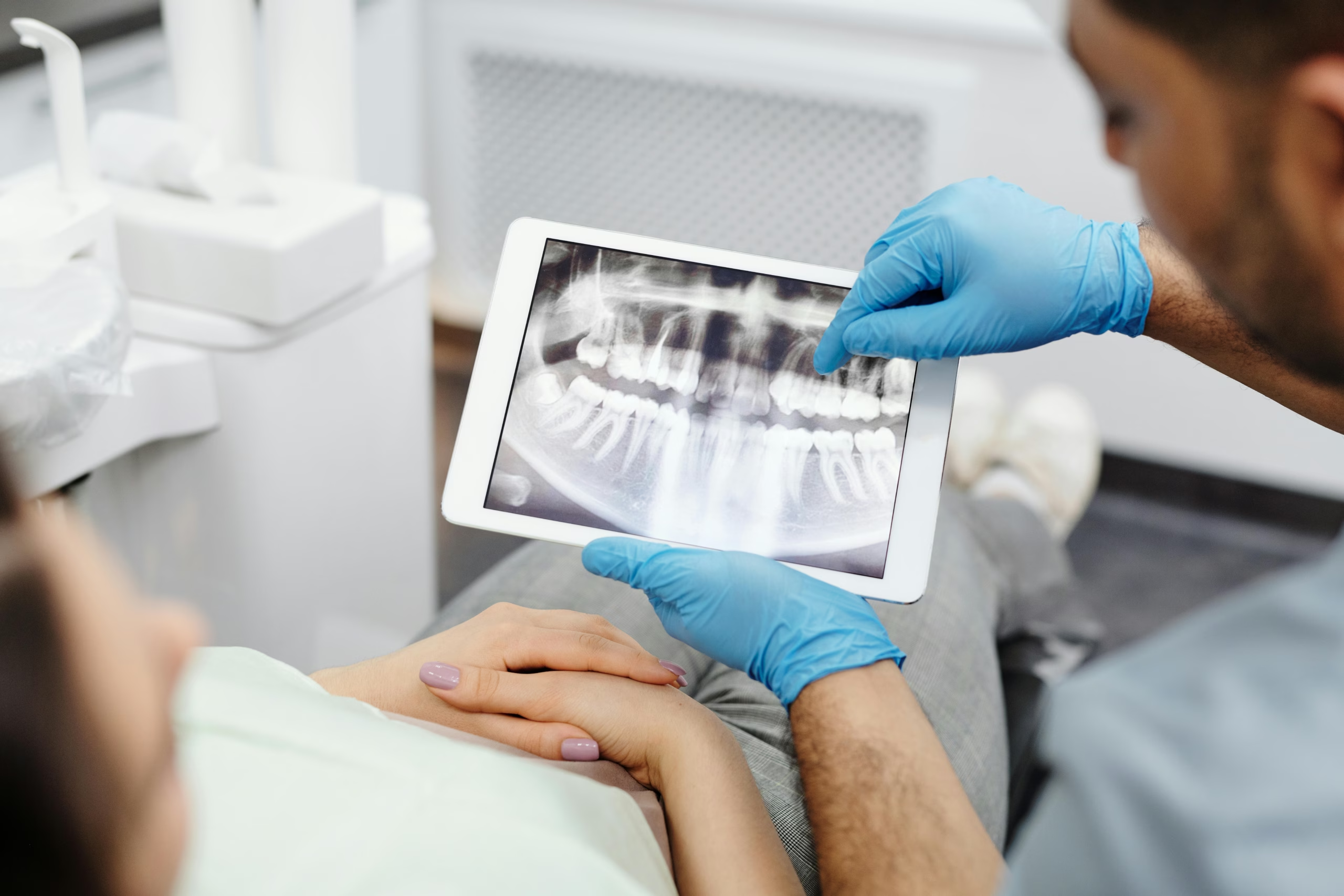
Tele-dentistry uses digital tools to deliver dental care remotely. A commonly cited definition: “Teledentistry transmits real-time or store-and-forward clinical information using ICT and the Internet,” enabling clinicians to assess, advise, and plan care without always needing a chairside visit, with platforms increasingly integrating electronic health records for seamless management, according to a systematic review on teledentistry (systematic review on teledentistry).
Core modalities you’ll encounter across UK digital dental services and NHS tele-dentistry pilots:
- Synchronous: live video consults with a remote dentist for triage, pain management, and follow-ups.
- Asynchronous (store-and-forward): secure submission of photos/videos and forms for later clinician review.
- Hybrid: a blend—often remote assessment first, then targeted in-person care if required.
Model comparison at a glance:
- Synchronous (live video): Real-time Q&A and visual inspection; useful for urgent symptoms and prescriptions; tools include video, secure chat, e-prescribing; integrates with EHRs for notes and outcomes.
- Asynchronous (store-and-forward): Patient uploads images and history; ideal for screening, monitoring, and second opinions; tools include guided photo capture and structured forms; built for efficient EHR documentation.
- Hybrid: Remote triage plus in-person where indicated; reduces unnecessary travel and accelerates the right referral; supports continuous records across settings.
Benefits of Tele-Dentistry
Remote care removes common barriers to treatment:
- Patient benefits:
- Saves time and travel costs, particularly for rural residents and people with mobility needs (systematic review on teledentistry).
- Faster access to a clinician for pain, infections, or advice—often the same day.
- Greater empowerment through guided self-care and preventive advice.
- System and societal benefits:
- Extends care to low-income and remote groups, improving health equity (the role of teledentistry in oral care outcomes).
- Reduces unnecessary specialist referrals and hospital congestion through efficient triage (systematic review on teledentistry).
- Lowers environmental impact by cutting journeys to clinics.
How Tele-Dentistry Works in the UK
Tele-dentistry in the UK typically follows one of three workflows:
- Video consultations: Book a digital dental consultation, discuss symptoms, show the area of concern on camera, and receive a care plan or prescription.
- Secure image upload: Use a guided app to submit photos or short videos alongside a questionnaire; a clinician reviews and responds.
- Hybrid pathways: Remote triage first; if hands-on care is required, you’re directed to the right in-person service.
Governance and expectations:
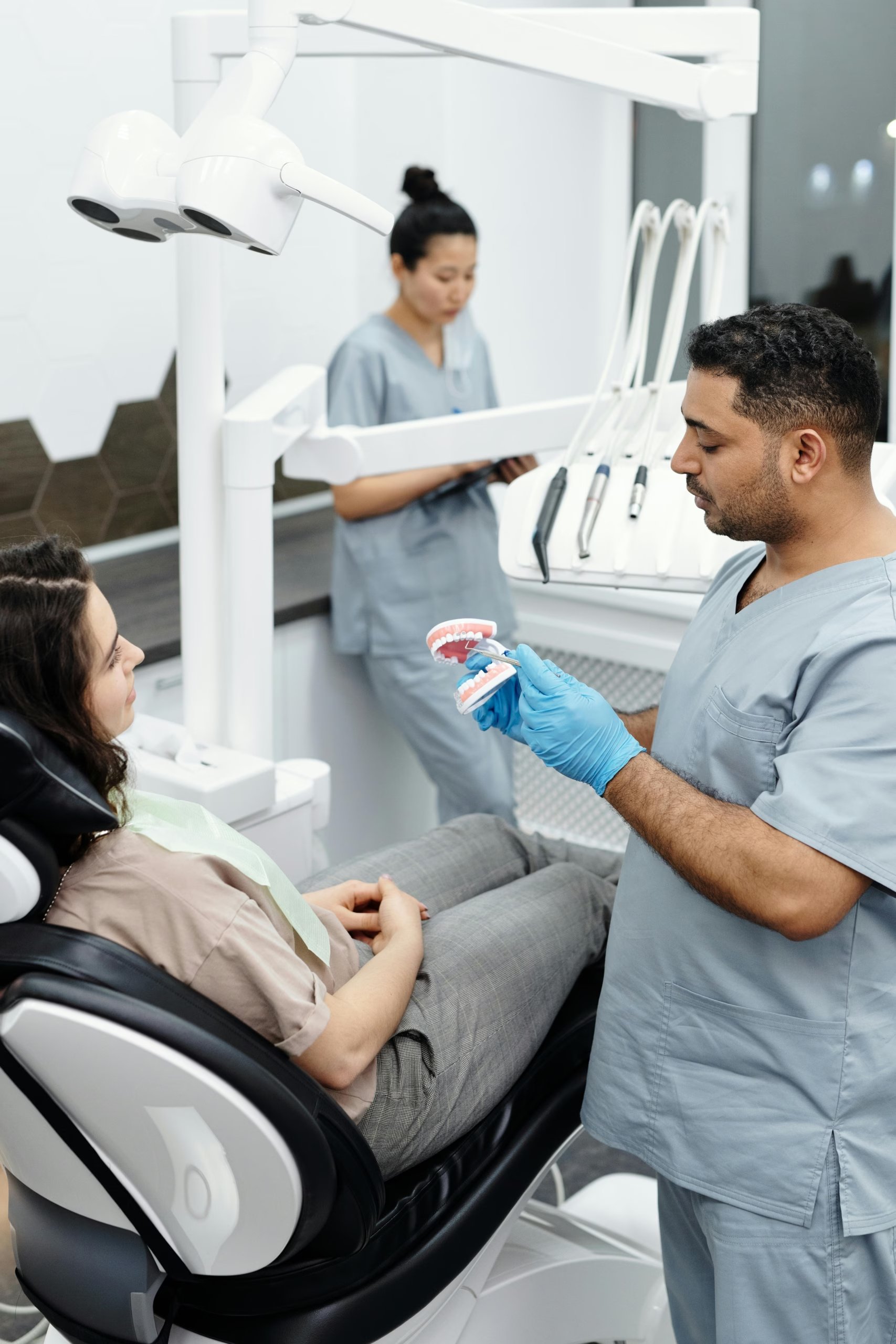
- Clinician-led: Clinical decisions must be made by registered professionals, who retain responsibility for records and care decisions, per British Orthodontic Society guidance (British Orthodontic Society guidance).
- NHS vs private: NHS provision is expanding via pilots and local commissioning; private tele-dentistry platforms in the UK, including Toothfairy, offer broader on-demand access.
- Data protection: Services should be GDPR-compliant, with secure storage of records, images, and consents.
- Technology enablers: Smartphone cameras, secure apps, integrated electronic records, and AI-assisted monitoring are improving diagnostic quality and continuity (UK dental AI).
A typical remote appointment flow:
- Book online and complete a symptom form
- Upload photos/videos (or join a live video call)
- Clinician assessment and advice
- E-prescription or referral if indicated
- Follow-up monitoring or in-person care when needed
Costs of Tele-Dentistry Services
Tele-dentistry generally costs less than in-person appointments by reducing travel, time off work, and administrative overheads (systematic review on teledentistry). The UK tele-dentistry market was valued at USD 85.6M in 2024, with rapid growth forecast through 2035 as providers and commissioners invest in remote care tools (UK teledentistry market outlook).
What to expect on price (indicative ranges; always check provider specifics):
- Initial virtual triage/consult: often £20–£60
- Follow-up review or monitoring check-in: often £15–£40
- Emergency dentist online price (triage with prescription if appropriate): commonly £30–£70
- Package care (e.g., whitening, aligner monitoring): bundled pricing varies by scope
NHS tele-dentistry may be provided at low or no cost in pilot areas or aligned to standard NHS charges when integrated into commissioned pathways; private providers, including Toothfairy, typically offer pay-as-you-go or packaged plans. For a deeper look at costs by treatment type, see Toothfairy’s guide to clear aligner costs (clear aligners cost UK).
Coverage and Reimbursement Options
NHS tele-dentistry coverage is expanding through pilots and local commissioning but remains patchy nationally; private and insurer-backed packages currently provide broader access (UK teledentistry market outlook). Before booking, verify whether a service is NHS-commissioned or private, and check if your dental plan tele-health benefit reimburses virtual visits. Ensure clinicians are GDC-registered and that the platform provides secure records and informed consent (British Orthodontic Society guidance).
Typical inclusions vs exclusions:
- Often included: remote triage and advice, video consultations, e-prescriptions where appropriate, digital monitoring, and care planning.
- Often excluded: hands-on procedures (e.g., fillings, extractions), radiographs without a partner site, complex surgeries—these may require in-person care or referrals.
Quality and Safety Standards in Tele-Dentistry
High-quality remote care depends on robust data and clinical oversight. Data quality criteria include completeness, accuracy, and timeliness, which are essential for safe decisions (systematic review on teledentistry). UK professional guidance specifies that clinicians must retain overall responsibility for records and decisions in remote monitoring, and platforms must enable secure storage of records, images, and consents (British Orthodontic Society guidance). AI and high-resolution imaging are improving detection and monitoring, but they support—never replace—registered clinician judgment (UK dental AI). All exchanges should occur over GDPR-compliant dental apps and systems.
Popular Use Cases for Tele-Dentistry
Common scenarios well-suited to remote care:
- Online dental triage for pain, swelling, broken teeth, and infections
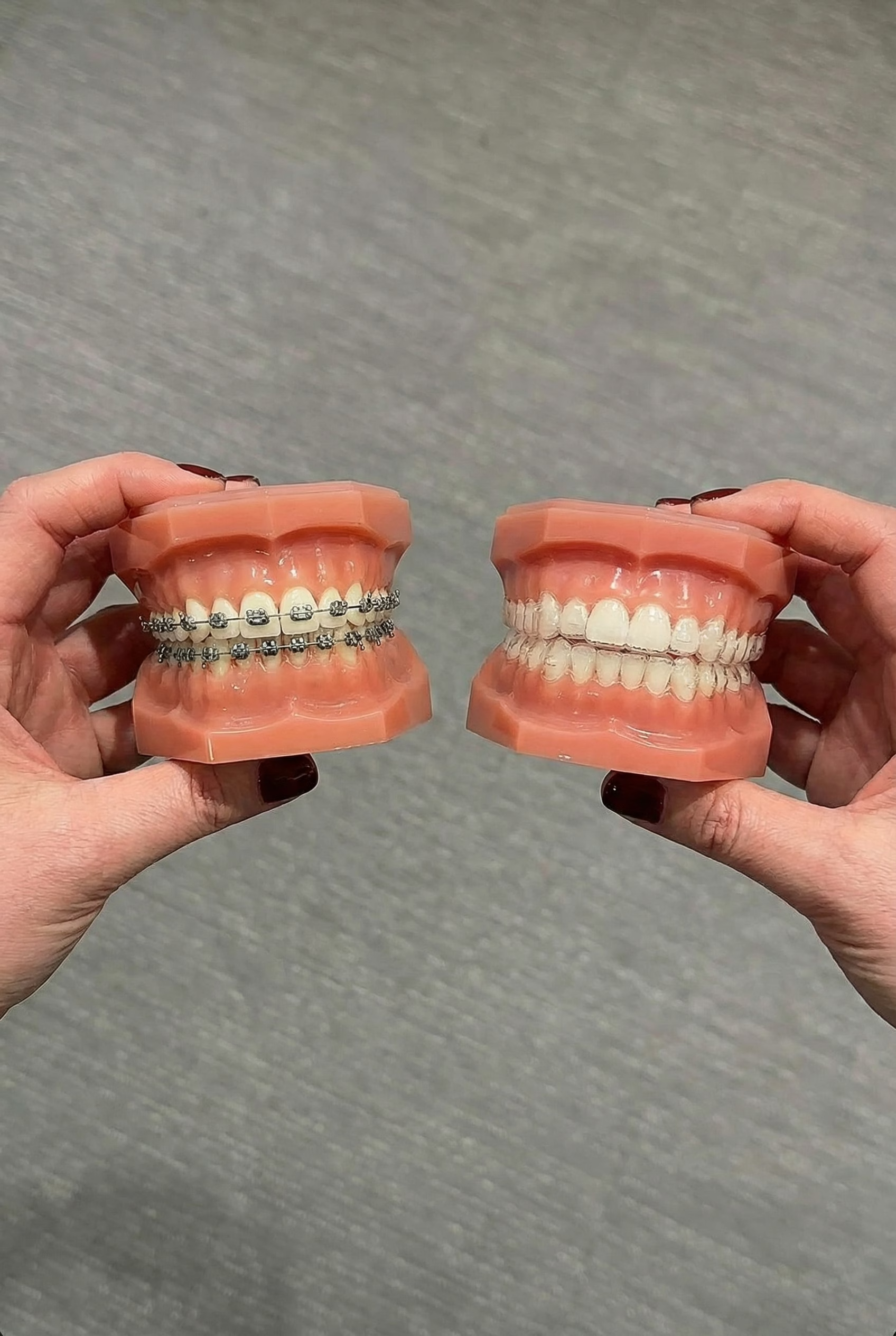
- Follow-ups and tele-orthodontics (e.g., aligner monitoring)
- Oral medicine consults and second opinions
- Virtual dental screening for caries and gum disease
- Streamlined specialist referrals with pre-assessment
“Teledentistry is effective for specialist consultations, diagnosis, and treatment planning” in controlled settings such as secure institutions (oral medicine teleconsultation study). Community programs also use tele-dentistry for school and outreach screening, with apps supporting whitening and orthodontic progress reporting and emerging home screening tools (teledentistry benefits overview).
Barriers to Adoption and Solutions
Challenges that can slow adoption:
- Variable digital literacy among patients and clinicians
- Uneven internet access/bandwidth and device quality
- Image quality and standardisation issues
- Integration with existing EHR systems (systematic review on teledentistry)
What works:
- Pre-visit patient education with simple image guides
- Standardised photo protocols and checklists
- Staff upskilling in remote workflows and triage
- Seamless hybrid pathways linking remote triage to local clinics
- Store-and-forward models with dental hygienist or therapist involvement to reach underserved groups (teledentistry case studies)
Adoption workflow:
- Define eligible use cases and image standards
- Train team on remote consent, documentation, and escalation
- Pilot with store-and-forward triage; measure access, quality, and cost
- Integrate with EHR and referral partners; scale gradually
Practical Steps to Access Tele-Dentistry Services
- Check suitability: For acute pain or a chipped tooth, a remote triage can start your care; complex procedures still need a chairside visit (what is teledentistry?).
- Choose a GDPR-compliant, clinician-led, EHR-integrated platform with transparent pricing (dentist consultation online).
- Gather information: symptoms, medical history, and clear photos or short videos.
- Provide informed consent and confirm fees or insurance coverage before your booking.
- Attend your virtual consult, follow your care plan, and use remote monitoring where offered; book in-person care if advised (24-hour emergency options and guidance are available via Toothfairy’s emergency hub) (24-hour emergency dentist).
If you need help urgently out of hours, see Toothfairy’s guide to accessing care (out-of-hours dentist near me). To start now, download the Toothfairy app or learn more on our site (Toothfairy).
Toothfairy: Leading UK Tele-Dentistry Platform
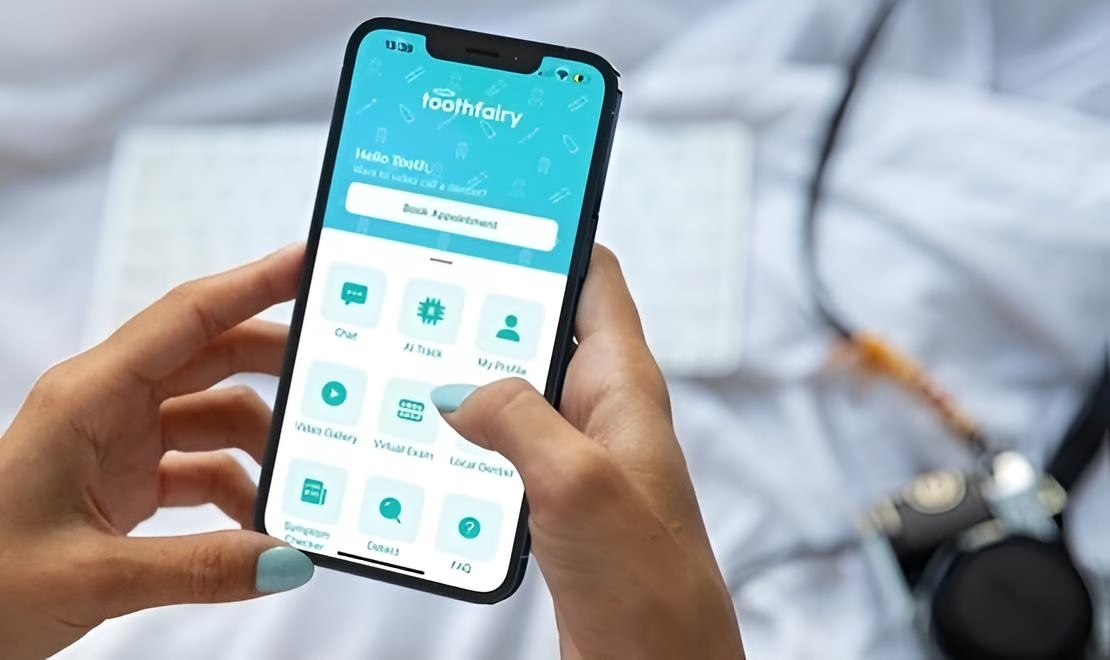
Toothfairy combines award-winning technology with NHS-validated clinical workflows to deliver 24/7 access to an affordable online dentist, making it a top contender for the best tele-dentistry experience in the UK. Our patent-pending diagnostics, continuous monitoring, and on-demand clinician advice keep care safe, convenient, and cost-effective.
Key features at a glance:
- Emergency video consults with e-prescriptions when appropriate
- Remote monitoring for teeth straightening and whitening
- Fast triage, care plans, and specialist referrals
- Secure records, GDPR compliance, and ongoing NHS framework engagement
- A user-friendly digital journey from booking to follow-up
Explore services, pricing, and how we work (Toothfairy) or start with our explainer on booking a digital consultation (dentist consultation online).
The Future of Tele-Dentistry in the UK
Momentum is accelerating: the UK tele-dentistry market was valued at USD 85.6M in 2024 and is forecast to grow at a 16.02% CAGR to around USD 438.7M by 2035, reflecting strong demand and investment (UK teledentistry market outlook). Expect deeper NHS integration as virtual triage supports urgent and preventive care, and as commissioners test models that blend remote and local services. On the technology side, AI-driven monitoring, guided image capture, and home screening tools will sharpen diagnostics—while clinicians remain central to decision-making (UK dental AI). If robust oversight, data standards, and patient education keep pace, access, equity, and quality will continue to improve across UK digital dentistry.
Frequently asked questions
Is tele-dentistry covered by the NHS or private insurance?
Some services are available through NHS pilots, but most access today is private; always confirm commissioning or insurance coverage before you book.
What types of dental issues can be addressed remotely?
Tele-dentistry is ideal for urgent triage, screenings, follow-up advice, and prevention; hands-on treatments still require an in-person visit.
How much does tele-dentistry typically cost compared to in-person care?
It usually costs less due to saved travel and lower administrative fees, but costs vary by provider and service scope.
How reliable is remote diagnosis for dental conditions?
With good images and history, remote assessment is highly accurate for common issues, but final judgment rests with a qualified clinician.
Are tele-dentistry platforms safe and compliant with data regulations?
Leading platforms, including Toothfairy, use secure, GDPR-compliant systems and ensure all care decisions are made by GDC-registered dental professionals.
Last updated on March 6, 2026

Toothfairy Care Team
Toothfairy, is the world's smartest dental app, that connects patients to a dentist for a range of issues, from emergencies, cosmetics, prescriptions to virtual exams.
Toothfairy Care Team
Toothfairy, is the world's smartest dental app, that connects patients to a dentist for a range of issues, from emergencies, cosmetics, prescriptions to virtual exams.