Clear Aligner for Teeth Your Ultimate Guide to a Straighter Smile
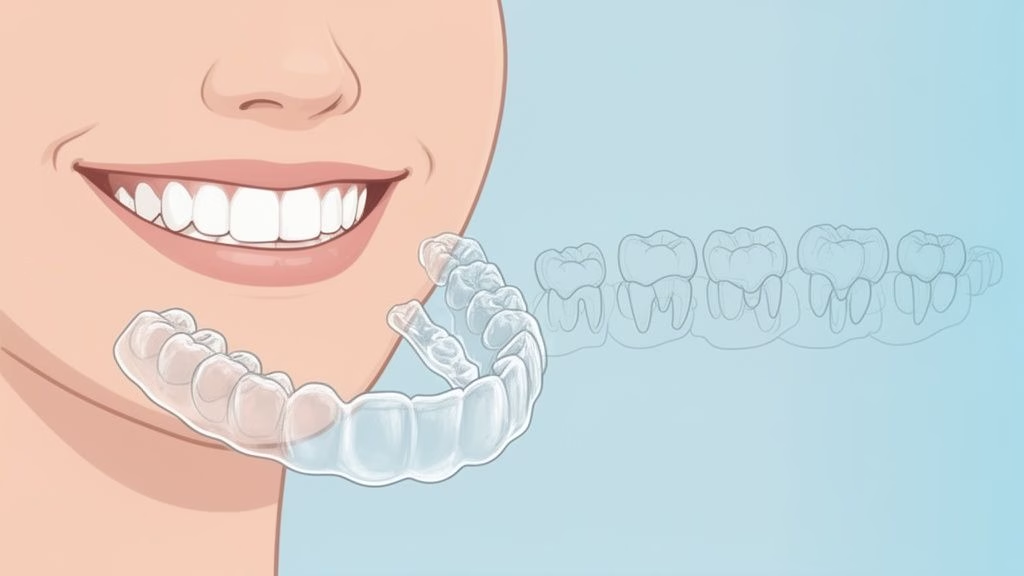
Ever looked in the mirror and wished your smile was just a little straighter? You’re not alone. Think of a clear aligner as a custom-made, transparent mouthguard that, instead of protecting your teeth, gently nudges them into their perfect positions over time. It’s the modern answer to traditional metal braces, and this guide will walk you through everything, from how they work to what your own journey could look like.
The Modern Way to Straighten Your Smile
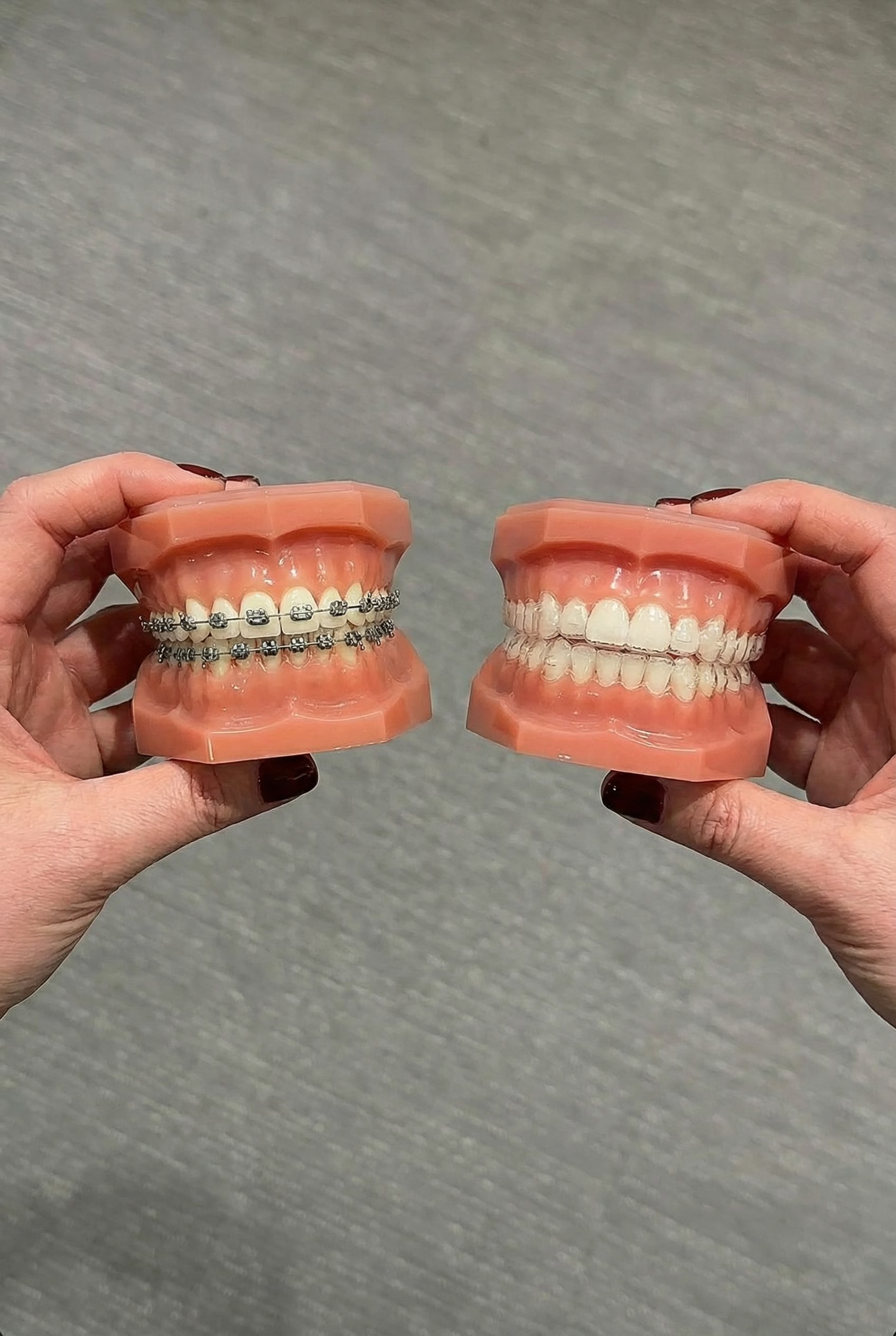
For decades, getting straight teeth meant a mouth full of metal wires and brackets. They certainly worked, but they weren’t exactly subtle and could be quite uncomfortable. Now, we have a far more discreet and convenient solution that fits right into daily life.
This approach has become incredibly popular, especially as new platforms have made dentist-led treatment easier to access. With innovative teledentistry services like Toothfairy, professional care is now more affordable than ever, offering a smarter, more affordable way to straighten teeth compared to older, clinic-only brands.
Why Are More People Choosing Clear Aligners?
The attraction of clear aligners goes far beyond their see-through appearance. The benefits just click with the demands of a modern lifestyle, offering a great mix of effectiveness, comfort, and flexibility.
Here’s why so many people are making the switch:
- Discreet Appearance: The transparent material means they’re practically invisible. You can straighten your teeth without anyone really noticing.
- Better Comfort: No sharp metal wires or brackets means no more painful cuts or irritation inside your mouth. The smooth plastic is designed to fit snugly and comfortably.
- Total Flexibility: Because you can take them out, you can eat and drink whatever you like. Plus, brushing and flossing are a breeze—no special tools required.
- Predictable Results: Sophisticated 3D imaging lets you see a preview of your finished smile before you even start. It gives you a clear and exciting goal to work towards.
This isn’t just a passing trend; the numbers tell the story. The UK clear aligners market, valued at £325.0 million in 2024, is expected to skyrocket to £2.354 billion by 2035. This incredible growth shows a real shift in what people want—discreet, comfortable options, especially when millions are struggling to get NHS appointments. You can dive deeper into the full UK clear aligner market analysis to see the details.
Think of a clear aligner treatment as a pre-plotted map for your smile. Each aligner is a carefully calculated step, designed by a dentist, that moves you closer to your destination—without the detours of traditional orthodontics.
Services like Toothfairy make this technology truly accessible, blending professional dental expertise with the ease of at-home monitoring. This model cuts out unnecessary trips to the clinic, brings down the cost, and puts you in control of your treatment—all while being safely guided by a qualified UK dentist. It’s simply a more intelligent, efficient way to get the smile you’ve always wanted.
How Clear Aligners Move Your Teeth
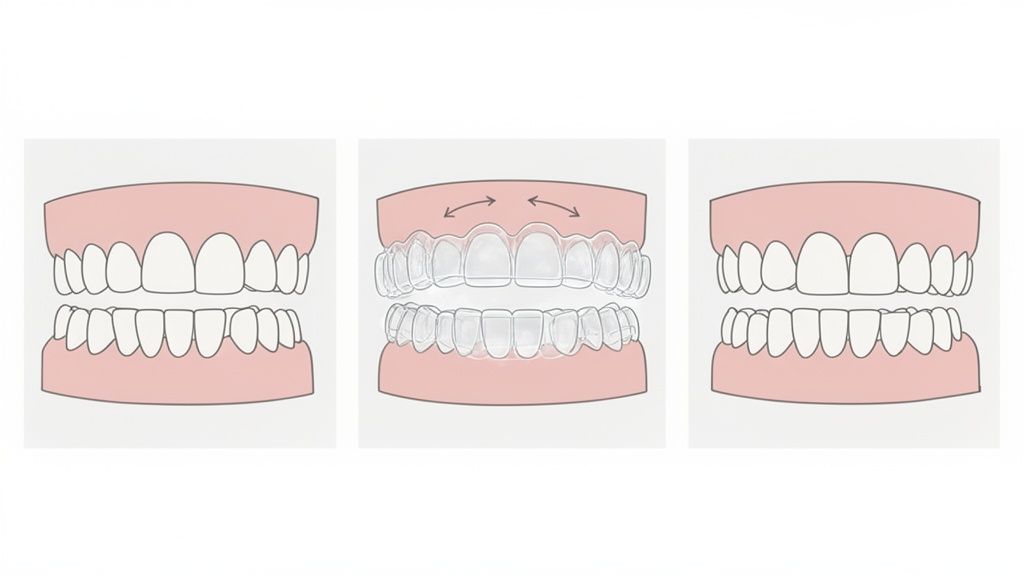
It can seem a bit like magic—how can a thin piece of plastic actually straighten your teeth? The secret isn’t magic, but a clever combination of precise digital planning and solid orthodontic science. A clear aligner doesn’t just shove teeth around; it follows a highly detailed roadmap designed by a qualified dentist from the very beginning.
Think of it like a carefully plotted journey. Each aligner you pop in is a single step on that map, guiding your teeth gently and methodically towards their final, ideal position. The entire route is mapped out before you even wear your first tray.
The process starts by capturing a perfect 3D model of your current smile. This is done either with a high-tech digital scanner at a clinic or, for greater convenience, using an at-home impression kit.
The Science of Gentle Pressure
With that 3D model as the starting point, your dentist designs the entire treatment sequence. A series of custom-made aligners is then produced, with each one in the set being a little different from the one before it. The unique shape of each aligner is engineered to put gentle, consistent pressure on very specific teeth.
When you wear your aligners for the recommended 20-22 hours a day, this controlled pressure triggers a natural biological response in your jawbone. It’s a fascinating process where your body’s own cells do all the heavy lifting.
This is called bone remodelling. Here’s a quick look at how it works:
- Pressure is Applied: The aligner puts targeted pressure on a tooth.
- A Path is Cleared: On the side the tooth is moving towards, special cells (osteoclasts) break down tiny amounts of bone tissue, making way for the tooth.
- The Gap is Filled: On the other side, where the tooth is moving away from, different cells (osteoblasts) build new bone tissue to fill in the space and lock the tooth into its new spot.
It’s a gradual, safe, and completely natural process. Each set of aligners, which you’ll typically wear for one to two weeks, moves your teeth about 0.25mm to 0.33mm—a tiny shift, but one that adds up to a big transformation.
Why Digital Planning and a Dentist’s Eye Matter
The key to a successful treatment isn’t the plastic itself, but the plan behind it. A dentist-prescribed plan ensures every single movement is clinically sound and safe. This is where modern teledentistry platforms like Toothfairy really shine.
The aligners are just the tools. The real intelligence is in the treatment plan created by a registered dentist who understands the complexities of how teeth move and how your bite should come together.
A proper plan doesn’t just focus on the final look; it maps out the safest and most efficient way to get there. This expert oversight is crucial to prevent teeth from moving too fast or into positions that could cause bite problems down the line.
With a service like Toothfairy, a dentist keeps a close eye on your progress through remote monitoring via an app. This ensures everything is on track without you needing to take time off for constant clinic visits. It’s a smart approach that blends the convenience of at-home treatment with the essential safety net of professional dental supervision.
Are Clear Aligners the Right Choice for You?
While clear aligners are a fantastic bit of dental technology, they’re not a one-size-fits-all fix for every orthodontic problem. Figuring out if they’re right for you isn’t just about wanting a straighter smile; it’s a mix of your specific dental needs, your current oral health, and, importantly, your own commitment to the process.
Think of this section as a quick mental checklist to see if this modern approach to teeth straightening is a good fit for your goals. The first step is to get a handle on what aligners do best and where they might fall short.
What Aligners Correct Most Effectively
Clear aligners really shine when it comes to fixing mild to moderate alignment issues. They’re designed to apply gentle, precise pressure to shift teeth into place, making them a brilliant solution for many common cosmetic concerns.
Here’s where clear aligners typically get great results:
- Crowded Teeth: If you have teeth that are slightly overlapped or twisted because there isn’t enough room, aligners are great at creating space and guiding them into a perfect arch.
- Gaps Between Teeth (Diastema): Got a few noticeable spaces? Aligners can close those gaps for a more even, uniform look.
- Mild to Moderate Bite Issues: Some bite problems, like a minor overbite (where the top teeth stick out a bit too far) or a crossbite (where some top teeth bite inside the bottom ones), can often be corrected effectively.
These are exactly the kinds of issues that modern, dentist-monitored services like Toothfairy are geared up to handle. The treatment plans are specifically created to tackle these cases with predictable, successful outcomes.
Understanding the Limitations
Just as it’s important to know what aligners can do, it’s crucial to be realistic about what they can’t. Some orthodontic cases are simply too complex for removable trays and need the stronger, more constant force that you only get from traditional fixed braces.
Clear aligners usually aren’t the best tool for more severe situations, such as:
- Significant Bite Problems: A severe overbite, underbite, or open bite that’s rooted in a major jaw discrepancy will likely need more intensive work.
- Major Tooth Rotations: While they can handle slight twists, a tooth that is severely rotated (more than 20 degrees) is very difficult for a removable aligner to grip and move properly.
- Large Gaps: Closing very big spaces spread across several teeth is often better managed with fixed appliances.
- Moving Teeth Vertically: Shifting a tooth significantly up or down in its socket (known as extrusion or intrusion) is a tricky manoeuvre that usually requires the specific mechanics of braces.
- Complex Jaw Issues: If your treatment involves jaw surgery or major changes to your facial profile, aligners on their own won’t be the answer.
The foundation of any safe and effective treatment is a thorough, professional assessment. It ensures you’re on the right path from day one and aren’t wasting time or money on a treatment that isn’t suited to your unique dental needs.
This is precisely why the Toothfairy process always starts with a full evaluation by a qualified UK dentist. They’ll carefully review your case to make sure clear aligners are not only a workable option but also the safest one for you. This professional oversight is absolutely essential.
Finally, the last piece of the puzzle is you. To get the results you want, you have to be prepared to wear your aligners for 20-22 hours every single day. They only come out for eating, drinking, and brushing. Without that level of dedication, even the most perfectly designed treatment plan won’t succeed.
Your Clear Aligner Journey: What to Expect Step-by-Step
Deciding to straighten your teeth with clear aligners is a big step, and it’s natural to wonder what the process actually looks like. Think of it as a carefully mapped-out journey, with a qualified dentist as your guide, leading you from your current smile to the one you’ve always wanted. Each stage is designed for a safe and predictable result.
Thanks to modern services like Toothfairy, getting started is more convenient than you might think. Many of the initial steps can be handled right from your phone, giving you professional dental oversight without the constant need for clinic visits.
Let’s break down exactly what happens, from that first click to your final, lasting smile.
Your Initial Assessment and Treatment Plan
Everything starts with a professional assessment. This is the crucial first hurdle where a UK-registered dentist checks if clear aligners are right for you. With a platform like Toothfairy, this is usually done remotely. You’ll simply upload some photos of your teeth and share your dental history through a secure app for a dentist to review.
This isn’t just a formality; it’s a critical safety check. It ensures that aligners are the best tool for the job and filters out more complex cases that might need a different kind of orthodontic treatment.
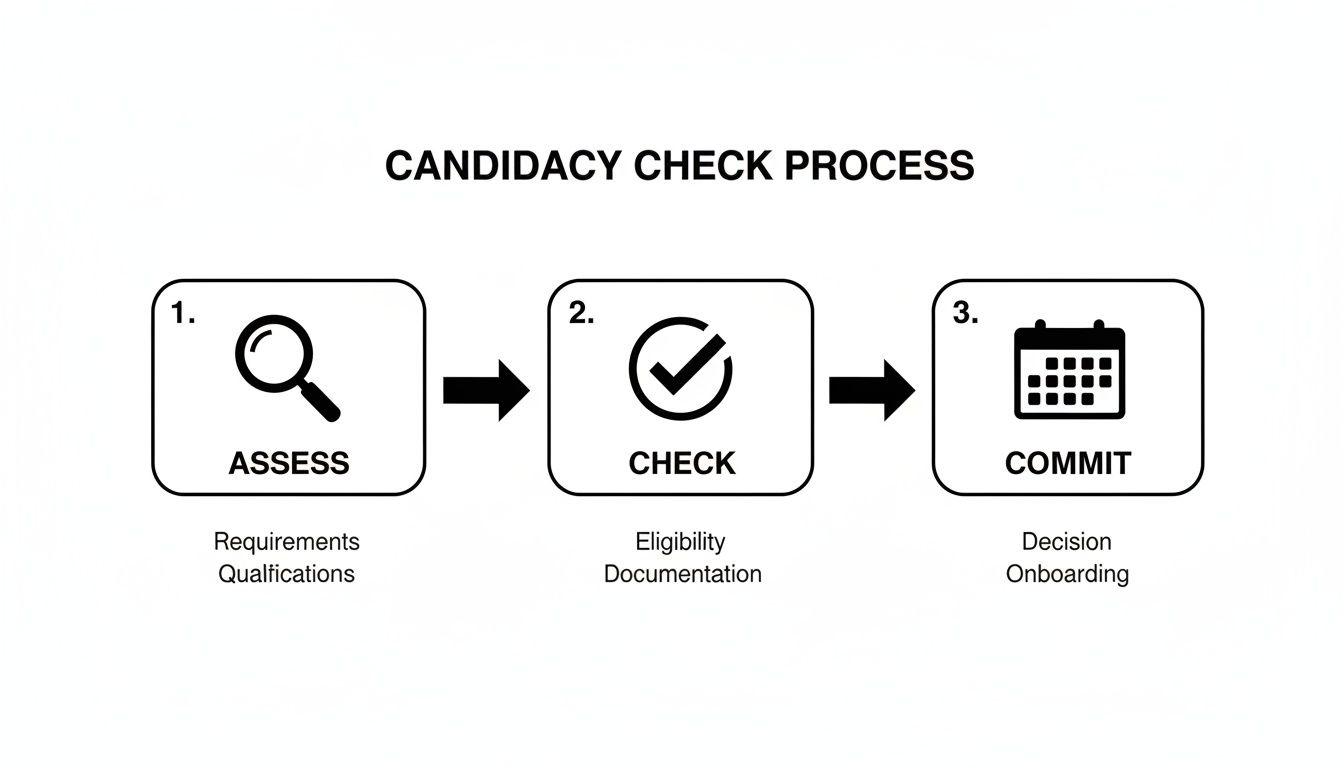
The main point here is that a proper assessment by a professional is non-negotiable. It guarantees your treatment is safe and suitable before you even think about committing.
Once you get the green light, you’ll receive your personalised treatment plan. This is much more than just a box of aligners arriving in the post; it’s a detailed, dentist-designed roadmap to your new smile. For many people, the highlight is the 3D preview – a digital animation that shows you exactly how your teeth will shift, week by week, until they reach their final position. Seeing the end result before you even start is incredibly motivating.
Daily Life with Your Aligners
With your custom-made aligners in hand, the active part of your treatment begins. The day-to-day routine is simple but requires real commitment: you need to wear them for 20-22 hours every day. Honestly, sticking to this is the single biggest factor in getting the results you want.
Most people find the adjustment period is pretty quick. The first day or two with a new set of aligners might feel a bit tight or tender. Don’t worry, that’s a good sign! It means the aligners are doing their job and gently nudging your teeth. The feeling is usually mild and disappears as your teeth get used to the new position.
Here are a few tips to make the daily routine a breeze:
- Popping them in and out: You’ll quickly get the hang of removing and inserting your aligners. Most people find it easiest to start from the molars at the back and work their way forward.
- Keeping your teeth clean: It’s vital to brush your teeth after every meal or snack before putting your aligners back in. This stops food and sugar from getting trapped against your teeth, which is a major cause of cavities.
- Cleaning the aligners themselves: Give your aligners a gentle clean every day with a soft toothbrush and cool water. Steer clear of hot water, which can warp the plastic, and avoid abrasive toothpastes that can scratch them up.
The Power of Remote Monitoring
One of the biggest game-changers in modern orthodontics is remote monitoring. This is how services like Toothfairy can offer high-quality, affordable care without you having to constantly book time off work for appointments.
Instead of trekking to a clinic every few weeks, you’ll use an app to send progress photos to your dentist. They review these images to make sure your teeth are moving exactly as planned.
Remote oversight isn’t a shortcut on care; it’s a smarter way of delivering it. Technology allows your dentist to keep a close eye on your progress, ready to offer advice or make adjustments if needed, all without you having to leave your home.
This ongoing connection gives you peace of mind, knowing a professional is always in the loop. If you have a question or run into an issue, you can get in touch with your dental team directly through the app for quick, professional advice. It’s a system built for how we live now – flexible, but never compromising on safety.
The All-Important Retention Phase
You’ve done it! You’ve finished your last set of aligners and your teeth are beautifully straight. But your journey isn’t quite over yet. Now comes the most important phase of all: retention.
After being on the move for months, your teeth, and the bone and ligaments holding them, need time to settle down and stabilise in their new home. Without something to hold them in place, they have a natural tendency to drift back to where they started. This is known as a relapse.
To stop this from happening, you’ll get a custom-made retainer, which looks and feels a lot like your aligners. At first, you’ll probably be told to wear it full-time, just like you did with your aligners. As time goes on, your dentist will likely give you the go-ahead to switch to wearing it only at night. This is a lifelong commitment, but it’s the only way to protect your investment and make sure your new smile lasts forever.
Understanding Clear Aligner Costs in the UK
Let’s talk about one of the first things on everyone’s mind: the cost. Investing in your smile is a big decision, and it’s only natural to want to know what the final price tag will be. The truth is, there isn’t one single answer. The cost of clear aligners reflects your unique dental situation, the type of treatment you choose, and the technology behind it.
In the UK, you can expect the price for straightening your teeth to range anywhere from £1,500 to over £5,000. So, what causes such a wide gap? It really boils down to the complexity of your case. A minor tweak to close a few small gaps is going to be on the lower end, while a more comprehensive plan to tackle significant crowding or bite problems will be at the higher end. The length of your treatment is also a big factor—a longer journey simply means more custom-made aligners are needed.
Comparing Treatment Models and Their Costs
There are a few different ways to get a straighter smile these days, and each comes with its own price structure. Traditional, clinic-based systems from certain big-name aligner brands tend to be the most expensive. This higher cost often covers frequent in-person appointments, the clinic’s overheads, and the brand’s marketing budget, all of which are factored into what you pay.
This is where modern, dentist-monitored teledentistry models like Toothfairy are changing the game. By using an app for your consultations and to track your progress, we eliminate the need for lots of costly trips to a clinic. This approach slashes the overheads, and we pass those savings directly on to you. You still get the same high-quality care from a UK-registered dentist, just in a much smarter, more affordable way.
The core difference in price often comes down to efficiency. A tech-enabled model removes many of the traditional costs associated with orthodontic care, making a dentist-directed clear aligner treatment accessible to more people.
It’s about delivering exceptional value—the same professional oversight and custom-made aligners, but at a price that makes sense. We believe in working smarter, not just charging more.
What Is Included in the Price?
When you get a quote for clear aligners, it’s crucial to know exactly what you’re paying for. A good package should be transparent and all-inclusive, so you aren’t surprised by hidden fees later on.
A typical all-inclusive clear aligner package should contain:
- An At-Home Impression Kit: This is the first step, sent right to your door, for creating your 3D smile model.
- A Personalised Treatment Plan: A detailed digital plan, designed by a qualified dentist, which includes a 3D preview of what your smile will look like at the end.
- All Custom Aligners: Every single aligner you’ll need to get you from start to finish.
- Your First Set of Retainers: These are absolutely essential for keeping your newly straightened teeth in place.
For a broader perspective on dental and medical costs, consulting a detailed private healthcare comparison UK can be really helpful. It gives you a better understanding of where different treatments fit into the bigger picture.
Making Your New Smile Affordable
We get it. Even with the savings from a teledentistry model, the upfront cost can feel like a lot. That’s why flexible payment options are so important. They break down the total investment into smaller, manageable monthly payments, putting a straighter smile within reach.
At Toothfairy, we firmly believe that cost shouldn’t stand in the way of your confidence. We offer a variety of financing plans to suit different budgets, many with interest-free options. This lets you get started on your treatment right away while spreading the cost over time, making the journey to your perfect smile as smooth and stress-free as possible.
Your Questions Answered
Deciding to straighten your teeth is a big move, and it’s only natural to have a few questions before you commit. Knowing what to expect day-to-day can help you feel confident about starting the process. Let’s tackle some of the most common queries people have about life with clear aligners.
Do Clear Aligners Hurt?
This is probably the number one question we hear. When you pop in a new set of aligners, you’ll likely feel some pressure or a snug fit for the first day or two. Honestly, that’s a good thing—it’s how you know they’re working and gently nudging your teeth into place.
The sensation is usually a mild ache, not a sharp pain. And because there are no metal brackets or wires, you won’t have to deal with the irritation and cuts to your cheeks and gums that are so common with traditional braces. Any tenderness is temporary and usually fades as your teeth settle into their new position. Most people find it a much more comfortable experience overall.
Can I Eat and Drink with My Aligners In?
That’s a definite no. You must take your aligners out for everything except drinking cool water, and there are a couple of very good reasons why. First off, chewing with your aligners in is a sure-fire way to damage or even crack the medical-grade plastic, which can throw your treatment off track.
Secondly, drinks can easily get trapped between the aligner and your teeth.
- Hot Drinks: Tea, coffee, and other hot beverages can warp the plastic, changing its precision-moulded shape and making it completely ineffective.
- Coloured or Sugary Drinks: Fizzy drinks, juices, and wine can pool against your enamel, leading to staining and putting you at a much higher risk of cavities.
The routine is simple and becomes a habit in no time: pop them out, enjoy your food or drink, give your teeth a good brush, and then put the aligners straight back in.
How Do I Keep My Aligners Clean?
Keeping your aligners fresh is crucial, both for your oral hygiene and to make sure they stay truly invisible. Just give them a clean every morning and evening when you brush your teeth.
The best way is to use a soft-bristled toothbrush with a tiny bit of clear, gentle, unscented soap. Try to avoid using regular toothpaste on your aligners; many types are slightly abrasive and can create microscopic scratches on the surface. These little scratches not only make the plastic look dull but can also become a breeding ground for bacteria and cause bad breath.
Always use lukewarm water to rinse your aligners. Never use hot water, as the heat can permanently deform the plastic. A warped aligner is a useless aligner and could delay your treatment.
This quick cleaning routine takes less than a minute but makes all the difference in keeping your aligners hygienic, odour-free, and practically invisible.
What If I Lose or Break an Aligner?
Don’t panic—it happens. If you lose or break an aligner, the most important thing is to get in touch with your provider straight away. Whatever you do, don’t just jump to the next set in the box, as this could move your teeth too quickly or in the wrong direction.
This is where having a responsive, modern service makes a huge difference. With a teledentistry platform like Toothfairy, you can message your supervising dentist right from the app and get advice quickly.
Depending on how far along you were in your current two-week step, your dentist might tell you to:
- Go back a step: They may ask you to wear your previous set to hold your teeth in their current position while a replacement is sorted.
- Move on early: If you were just a day or two away from changing them anyway, they might give you the green light to move to the next aligner.
The key is to follow your dentist’s professional advice. Acting fast will keep your treatment on track with minimal fuss.
Will They Affect How I Talk?
When you first start wearing your aligners, you might notice a slight lisp for a day or so. This is completely normal; your tongue just needs a little time to get used to sharing space with the thin plastic trays.
The effect is usually very minor, and you’ll probably notice it far more than anyone else does. For almost everyone, speech goes back to normal within a couple of days as the tongue adapts. If you want to speed things up, just practise talking—read a book aloud or have a chat on the phone. The adjustment period is very short.
Ready to see if a smarter, dentist-directed clear aligner treatment is right for you? Toothfairy makes it easy to start your journey with a professional online assessment. Discover how you can achieve the smile you’ve always wanted, affordably and conveniently.
Start your free assessment today!
Last updated on February 5, 2026

Toothfairy Care Team
Toothfairy, is the world's smartest dental app, that connects patients to a dentist for a range of issues, from emergencies, cosmetics, prescriptions to virtual exams.
Toothfairy Care Team
Toothfairy, is the world's smartest dental app, that connects patients to a dentist for a range of issues, from emergencies, cosmetics, prescriptions to virtual exams.