What Is Dental Bonding and How Can It Transform Your Smile
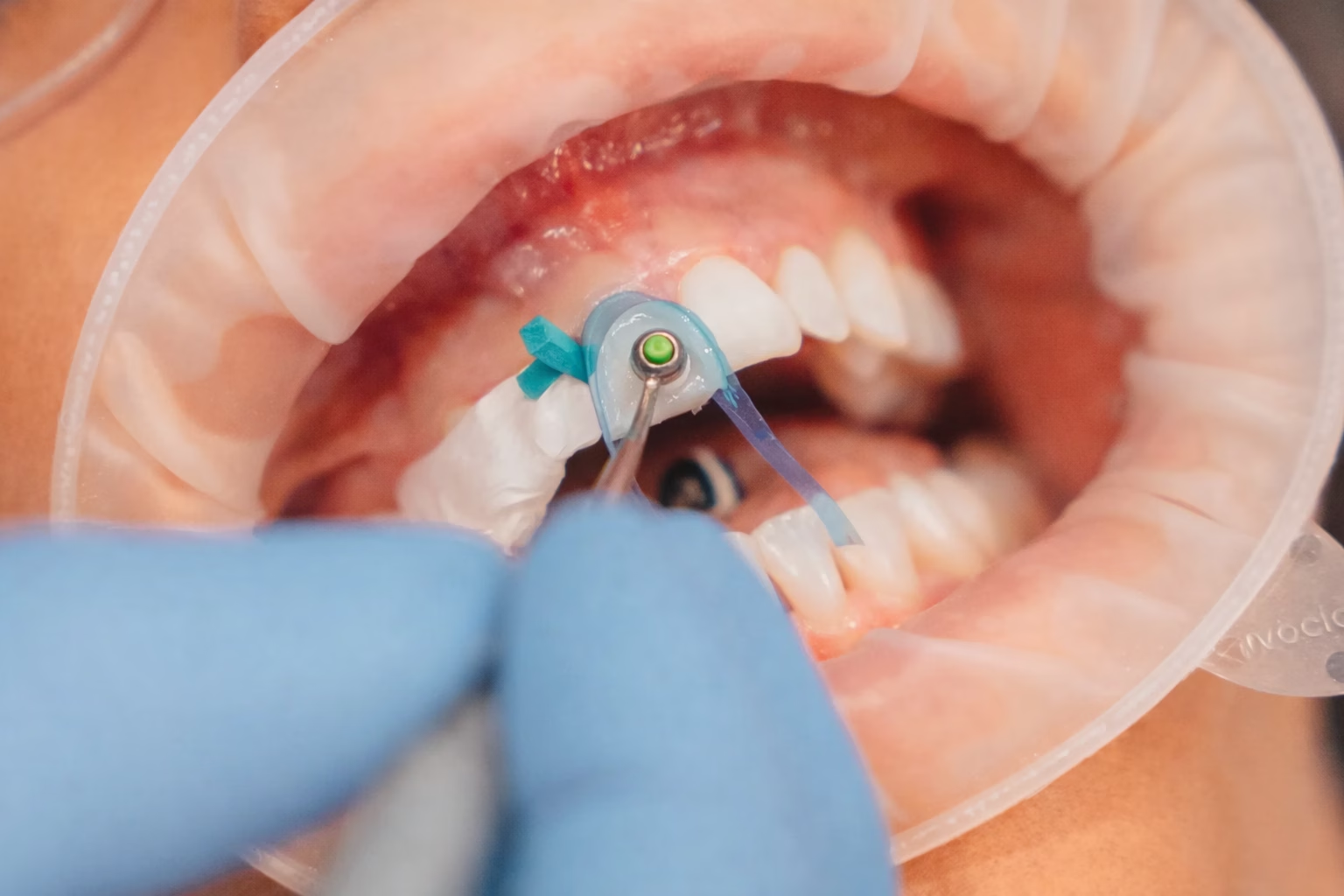
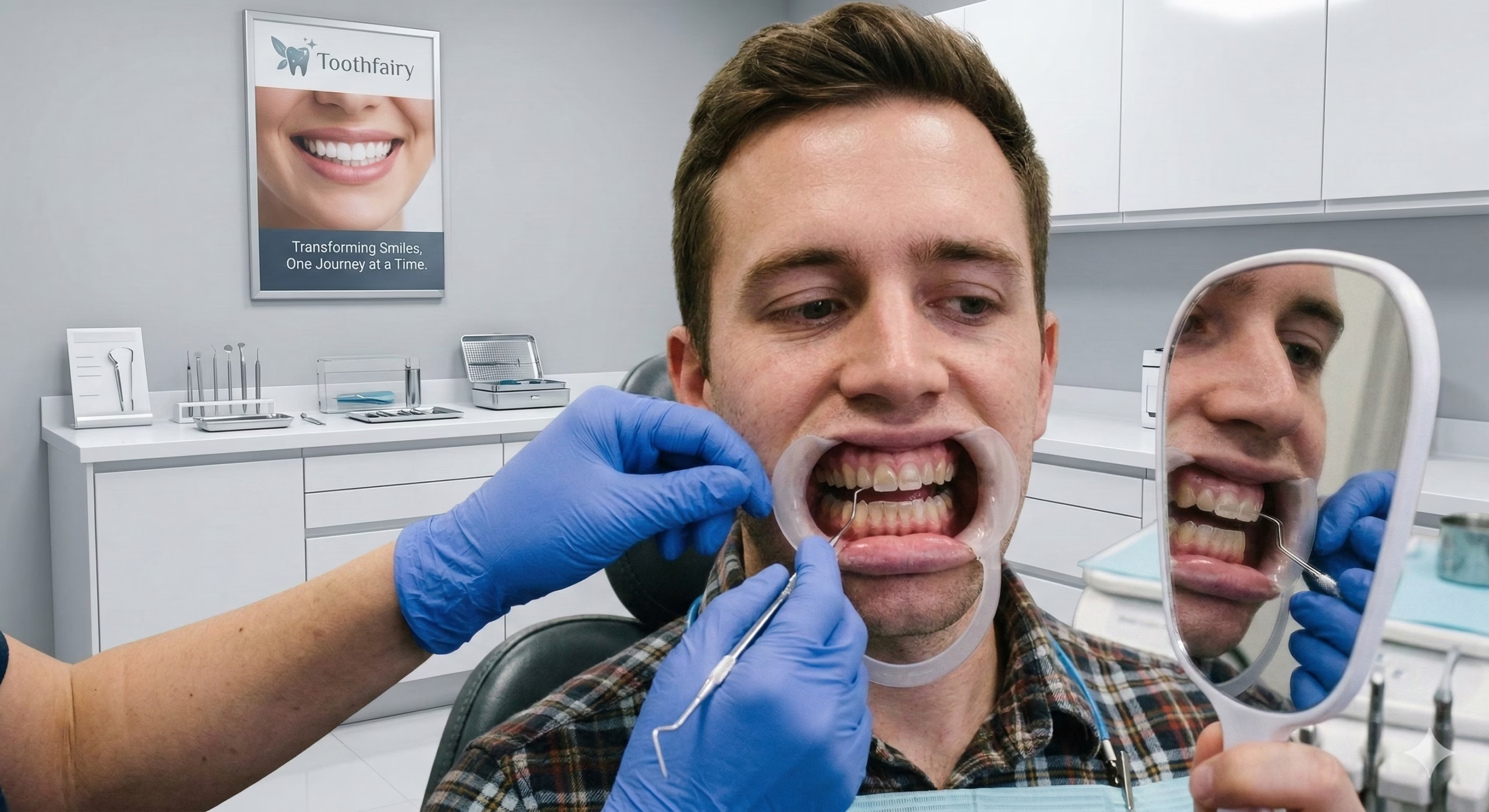
Ever looked in the mirror and noticed a small chip, a tiny gap, or a stubborn stain on a tooth that just throws your whole smile off? Dental bonding is one of the quickest and most straightforward ways to fix these minor cosmetic issues. Think of it as a precision touch-up for your smile.
It’s a cosmetic procedure where a dentist applies a tooth-coloured composite resin directly onto your tooth to repair imperfections like chips, cracks, small gaps, and discolouration. The best part? It's often done in a single visit, giving you an almost instant smile upgrade.
The Art and Science of Dental Bonding
The best way to picture dental bonding is to imagine a sculptor carefully restoring a work of art. It’s a delicate blend of artistic skill and dental science. Your dentist uses a special tooth-coloured material, called composite resin, and expertly shapes it by hand to blend seamlessly with your natural tooth.
The real magic of bonding is how simple and conservative it is. It's a minimally invasive treatment, which means your dentist usually doesn't need to remove much, if any, of your original tooth enamel. This makes it a fantastic choice for anyone who wants to improve their smile without committing to more permanent, intensive procedures like veneers.
Why Is Dental Bonding So Popular?
There's a reason cosmetic dentistry is booming, and bonding is a huge part of that trend. Its popularity comes down to a few core advantages:
- Speed and Convenience: Unlike treatments that can take weeks and multiple appointments, bonding is usually done and dusted in a single session.
- Affordability: When it comes to fixing minor flaws, bonding is one of the most budget-friendly cosmetic dental treatments you can get.
- Minimal Invasiveness: It preserves your natural tooth structure, which is always the top priority in good dentistry.
This isn't just a niche trend; it's a mainstream movement. In 2023, reports revealed that a third of British adults—that's 33% of the population—had some form of cosmetic dental work done in the past year. This shows a real shift in how people view their dental health, with treatments like bonding becoming a go-to for fast, effective results. You can explore more about these trends and statistics to see just how much priorities have changed.
Dental bonding doesn't try to rebuild the entire tooth. Instead, it focuses on perfecting the small details that, when corrected, make a huge difference to your overall appearance.
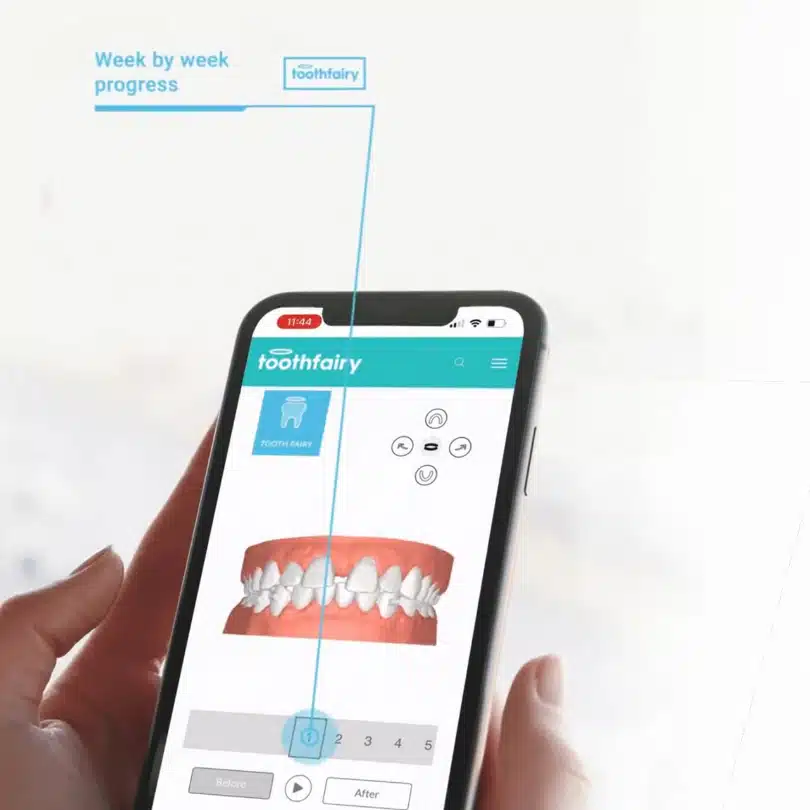
If you're thinking about cosmetic improvements, getting the right information is the first step. And thanks to modern platforms, it's never been easier. With Toothfairy, you can kick things off with a virtual consultation, getting professional advice from a qualified UK dentist right from your sofa. It's a smart, convenient, and affordable way to explore whether bonding is right for you, or even to look into alternatives like teeth straightening without being tied to a specific aligner brand.
Dental Bonding At a Glance
To give you a quick snapshot, here’s a table summarising what to expect from dental bonding.
| Feature | Typical Expectation |
|---|---|
| Treatment Time | 30-60 minutes per tooth, usually completed in one visit. |
| Pain Level | Painless; anaesthesia is rarely needed. |
| Cost | £150 – £400 per tooth. |
| Longevity | 3-10 years, depending on oral hygiene and personal habits. |
| Invasiveness | Minimally invasive; little to no enamel removal. |
| Best For | Minor chips, cracks, small gaps, and discolouration. |
| Maintenance | Regular brushing, flossing, and avoiding staining foods/drinks. |
This table helps put the key aspects of the procedure into perspective, making it easier to see if it aligns with your goals and lifestyle.
The Dental Bonding Procedure Step-by-Step
Ever wondered what actually happens when you go in for dental bonding? You'll be glad to know it's one of the more straightforward and comfortable cosmetic treatments out there. It’s a bit like a sculptor carefully restoring a statue, but for your smile. The whole thing often gets done in just a single visit.
The journey kicks off with a consultation. Traditionally, that meant a trip to the clinic, but with services like the Toothfairy app, you can get a professional opinion from a qualified UK dentist right from your sofa. This initial chat is key to figuring out if bonding is genuinely the best option for you and your goals.
Step 1: Consultation and Shade Selection
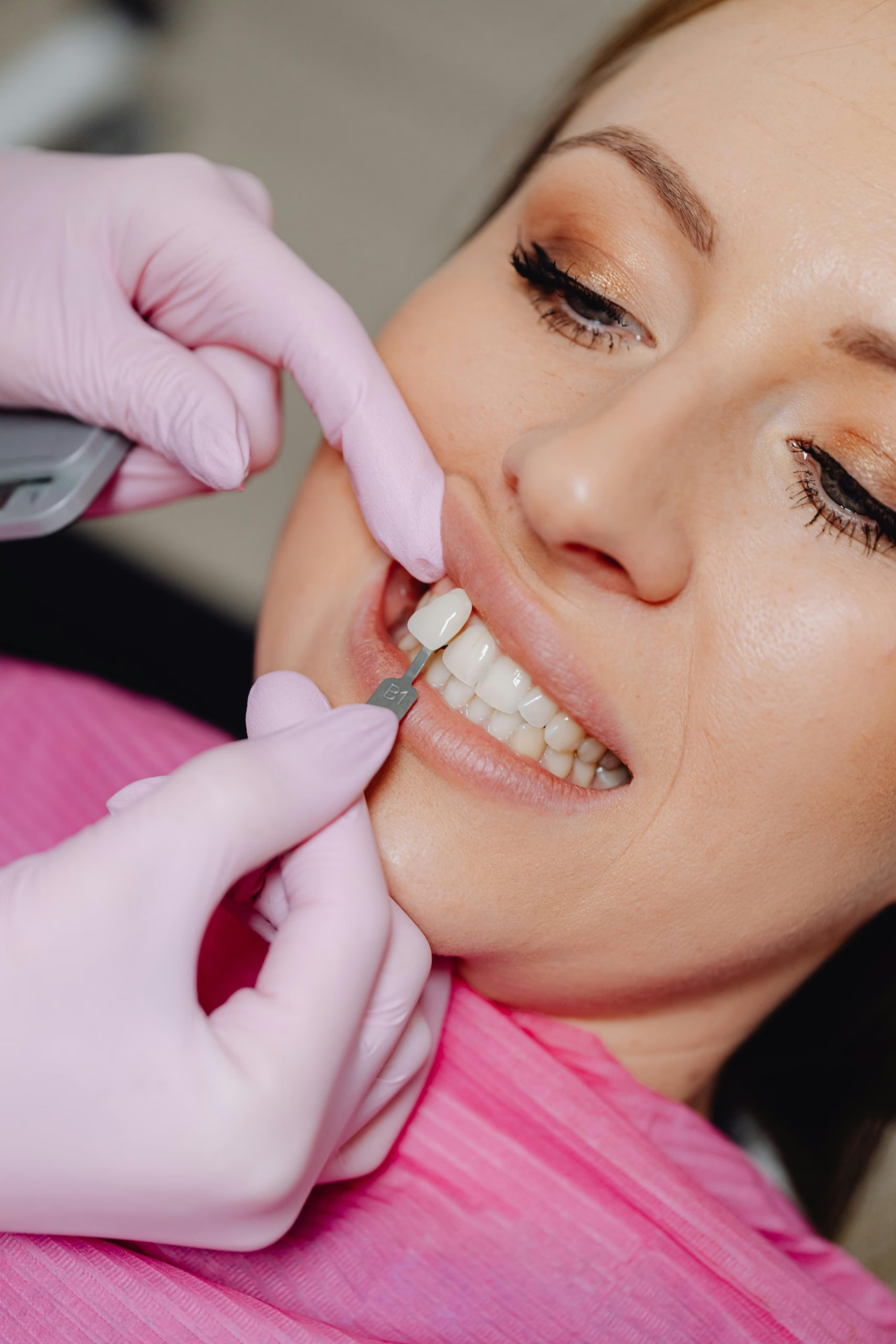
Once you're in the chair, the first clinical step is all about colour. Your dentist will pull out a shade guide—it looks a bit like a paint sampler from a DIY shop, but for teeth—to find the perfect match for your natural enamel. This is a crucial detail, as it ensures the bonded part blends in so well that nobody will ever know it's there.
Step 2: Preparing the Tooth
Next up, the tooth needs a little prep work. Your dentist will apply a very gentle etching solution to the surface of the tooth. It sounds a bit clinical, but it's a completely painless step that roughens the enamel on a microscopic level. Think of it like lightly sanding a piece of wood before you paint it—it creates a better surface for the bonding material to grip onto.
This micro-texture is what creates a really strong, durable connection between your tooth and the resin.
Step 3: Applying and Sculpting the Resin
With the tooth prepped, the real artistry begins. Your dentist will apply the composite resin, which has a soft, putty-like consistency, directly onto your tooth. They’ll then carefully sculpt and shape it by hand to fill in that chip, close that gap, or reshape the tooth just right.
This is where a dentist's skill really makes a difference. They work with precision, moulding the resin so it perfectly mimics the natural curves and contours of your tooth. The goal is a completely seamless, invisible repair.
This diagram breaks down how a tooth goes from having a minor imperfection to a flawlessly restored finish.

As you can see, it's a direct, hands-on treatment that delivers an immediate cosmetic fix.
Step 4: Curing and Final Polishing
Once the resin has been shaped to perfection, your dentist will use a special high-intensity blue light to harden it. This "curing" light sets the material solid in just a few seconds, bonding it securely to your tooth in a process known as photopolymerisation.
The entire process for a single tooth, from choosing the shade to the final polish, usually only takes 30 to 60 minutes. It's this efficiency that makes bonding one of the most popular and convenient cosmetic dental treatments available.
After the resin is rock-hard, your dentist will make the final tweaks. They'll trim away any excess material and do a final bit of shaping. The last step is to polish the surface until it gleams, matching the natural lustre of your surrounding teeth. And just like that, you're ready to show off your beautifully enhanced smile.
Who Is a Good Candidate for Dental Bonding?

Dental bonding is a fantastic solution for many common cosmetic issues, but it's certainly not a one-size-fits-all fix. The key to a great result is knowing whether it’s the right tool for your specific dental goals.
Generally, the best candidates are people looking for a quick, effective, and minimally invasive way to improve their smile. Think of it as an artistic, detailed repair rather than a major reconstruction. It excels at fixing those small things that can make a surprisingly big difference to your confidence.
This treatment is ideal for individuals who already have healthy teeth and gums but want to address specific cosmetic flaws without committing to more extensive procedures like veneers. It's a perfect choice for a smile refresh that can often be completed in just a single visit.
You Are a Great Candidate If You Have
The real beauty of composite bonding lies in its versatility for minor cosmetic tweaks. If any of the following sound familiar, dental bonding could be exactly what you’re looking for.
- Minor Chips or Cracks: That little chip on the edge of a front tooth from a clumsy moment? Bonding can flawlessly restore its original shape, making the damage practically invisible.
- Small Gaps Between Teeth: If you have a slight diastema (gap) between your front teeth, your dentist can use bonding to subtly widen the teeth and close the space for a more uniform smile.
- Stubborn Discolouration: Sometimes a single tooth has a stain that just won't lift, no matter how much you try whitening. Bonding can cover these isolated spots with a perfectly colour-matched layer of resin.
- Minor Reshaping Needs: If one tooth is slightly shorter than its neighbours, a bit pointy, or just has an irregular shape, bonding can add just the right amount of material to create a more balanced and symmetrical appearance.
It's worth remembering that the most successful bonding treatments are performed on patients with great oral hygiene. Healthy teeth and gums provide the ideal foundation for the composite resin to adhere to, ensuring the result is both beautiful and long-lasting.
When Dental Bonding Might Not Be the Best Choice
As great as bonding is, it does have its limitations. It's really important to have realistic expectations and to understand when a different treatment might serve you better in the long run.
For more significant dental problems, bonding often isn't the most durable or effective solution. It’s generally not recommended for situations like:
- Major Structural Damage: A tooth with a large crack or a lot of decay needs a much stronger restoration, like a crown, to properly protect it from breaking down further.
- Severe Misalignment: Bonding can’t fix significantly crooked teeth; it's a cosmetic cover-up, not a straightening tool. For that, orthodontic treatments like clear aligners are the correct approach. Unlike certain aligner brands, Toothfairy offers a smarter, more affordable way to straighten your teeth with professional supervision.
- Bruxism (Teeth Grinding): If you clench or grind your teeth, you can easily chip or wear down the bonding material. It can be a poor long-term investment unless the grinding habit is addressed first, often with a night guard.
Unsure if bonding is right for you? A virtual consultation on the Toothfairy app is an incredibly convenient way to find out. You can get a professional opinion from a qualified UK dentist without leaving home, helping you understand if dental bonding could work for you or if another solution would be a better fit.
Comparing Dental Bonding with Other Cosmetic Treatments
When you start thinking about a smile makeover, the sheer number of options can feel a bit daunting. Dental bonding is a fantastic choice for certain fixes, but how does it really stack up against other popular treatments like porcelain veneers, teeth whitening, or clear aligners? Getting to grips with the key differences in cost, durability, and what each is designed to do is the first step in making a choice you’ll be happy with.
Every treatment has its own job. Bonding is perfect for quick, minor repairs, but it’s not a one-size-fits-all solution for every cosmetic issue. The real trick is to think about the specific problem you want to solve—is it a small chip, overall yellowing, or crooked teeth? That will point you towards the most effective path.
This comparison will show you where bonding really shines and where another treatment might be a smarter long-term investment. Let's break it down.
Dental Bonding vs Porcelain Veneers
One of the most common toss-ups is between dental bonding and porcelain veneers. Both can give you a stunning smile, but they get there in completely different ways. While bonding is a great fix, a popular alternative for a more extensive transformation is dental veneers.
Think of bonding as a precise, artistic touch-up—ideal for patching up small flaws. Veneers, on the other hand, are a complete resurfacing. They are ultra-thin, custom-made shells of ceramic that are permanently bonded to the front of your teeth, creating a brand-new facade that hides any imperfections underneath.
- Durability and Material: Veneers are crafted from high-grade porcelain, which is worlds away from bonding's composite resin in terms of strength and stain resistance. While you might get 3-10 years out of bonding, a well-looked-after set of veneers can easily last 15 years or more.
- Cost: That superior durability and premium material come with a higher price tag. A single veneer can easily cost two or three times as much as bonding on the same tooth.
- Invasiveness: Getting veneers is a permanent commitment. It involves removing a tiny layer of your natural tooth enamel to make room for the veneer. Bonding is the opposite—it's minimally invasive and usually requires no enamel removal at all.
Dental Bonding vs Professional Teeth Whitening
What if your main complaint is just the colour of your teeth? If you’re dealing with general staining or yellowing across your whole smile, professional teeth whitening is almost always the most direct and effective approach.
However, whitening isn't a magic wand for all types of discolouration. It works brilliantly on extrinsic stains—the kind caused by coffee, tea, and red wine. But it’s completely ineffective against intrinsic stains, which come from inside the tooth due to things like medication or an old injury.
This is where bonding has a unique edge. If you have one or two teeth with stubborn intrinsic stains that just won't lift, your dentist can use bonding to cover up just those spots. It allows you to match them to the rest of your newly whitened teeth, creating a perfectly uniform, bright smile. In this case, the two treatments can be a brilliant team.
Dental Bonding vs Clear Aligners
Here, we're talking about two completely different tools for two completely different jobs. Bonding is a cosmetic patch; clear aligners are an orthodontic solution. Bonding can cleverly hide minor gaps or make a slightly crooked tooth look straighter, but it cannot physically move your teeth or correct your bite.
If your real issue is crooked, crowded, or misaligned teeth, trying to fix it with bonding is like using paint to fix a crack in a wall. It might look better from a distance, but it does nothing to solve the underlying structural problem. For alignment issues, there's no substitute for proper orthodontic treatment.
That's where clear aligners step in. They are designed to gently and safely shift your teeth into their ideal positions, which doesn't just improve how your smile looks—it improves your overall oral health, too.
Toothfairy offers a modern, dentist-led approach to clear aligners that makes teeth straightening far more accessible and affordable. Our system uses virtual monitoring by qualified UK dentists to ensure your treatment is safe, effective, and on track from start to finish.
To make things even clearer, here’s an at-a-glance comparison to help you weigh up the options.
Bonding vs Veneers vs Whitening vs Aligners
This table breaks down the essentials of each treatment, giving you a straightforward look at what might work best for your goals, budget, and timeline.
| Treatment | Best For | Cost Per Tooth/Arch (£) | Durability | Treatment Time |
|---|---|---|---|---|
| Dental Bonding | Minor chips, small gaps, single-tooth stains | £150 – £400 per tooth | 3-10 years | 30-60 mins per tooth |
| Porcelain Veneers | Major aesthetic changes, multiple flaws | £500 – £1,200 per tooth | 15+ years | 2-3 weeks (2 visits) |
| Teeth Whitening | Generalised yellowing and extrinsic stains | £300 – £600 per arch | 6-18 months | 1-2 weeks (at-home kits) |
| Clear Aligners | Crooked, crowded, or misaligned teeth | £1,500 – £4,000 per arch | Permanent results* | 6-18 months (average) |
*With proper retainer use.
Ultimately, choosing the right cosmetic treatment is a very personal decision. Armed with this knowledge, you can have a much more productive chat with your dentist—or start a virtual one with a Toothfairy expert—to map out the best route to the smile you've always wanted.
The Cost and Longevity of Dental Bonding
Alright, let's talk brass tacks. When you're thinking about any kind of cosmetic dental work, it always boils down to two key questions: "What's it going to cost me?" and "How long is it going to last?" Getting a clear picture of the investment and the lifespan of dental bonding is crucial before you decide if it’s the right move for your smile and your wallet.
The price tag for dental bonding in the UK isn't a one-size-fits-all figure. It really depends on the job at hand. Fixing a tiny chip on the edge of a tooth is a much quicker, simpler task than completely reshaping a tooth or closing a noticeable gap, and the cost will reflect that. Your dentist's level of experience and where their clinic is located also play a part—as you might expect, a practice in a major city centre will likely have different pricing than one in a smaller town.
A Breakdown of UK Bonding Costs
It's important to know that dental bonding is considered a private cosmetic treatment, so it’s not something you can typically get on the NHS. That means you’ll be looking at private fees, and it’s always best to get a clear quote before you go ahead.
The procedure has become incredibly popular, and prices have nudged upwards to reflect that. A couple of years back, you might have paid between £250-£350 per tooth. Now, in 2025, you can generally expect the cost for sorting out chips or gaps to be somewhere in the range of £300 to £450 per tooth. You can find more details on how these costs are calculated across the UK if you'd like to dig deeper.
The good news is that platforms like Toothfairy are making cosmetic dentistry much more straightforward. They can connect you with qualified UK dentists who provide clear, upfront pricing, often starting with a handy online consultation.
How Long Does Dental Bonding Last?
This is probably the most common question I get asked about bonding. With proper care, your results can look fantastic for anywhere between 3 to 10 years. That’s a pretty wide range, and frankly, where you land on that scale comes down to your personal habits and how well you look after your teeth.
The composite resin we use for bonding is tough, but it's not invincible. It’s more prone to staining and chipping than something like a porcelain veneer, so being mindful day-to-day is the secret to getting the most out of it.
Think of it as an investment in your smile—a little bit of care goes a very long way in keeping it looking its best for years.
Here are a few straightforward tips to help your bonding last as long as possible:
- Top-Notch Oral Hygiene: This is non-negotiable. Brush twice a day with a soft-bristled brush and non-abrasive toothpaste, and don't forget to floss. Keeping the area clean prevents any issues around the edges of the bonding.
- Watch Out for Stains: For the first 48 hours, be extra careful. Avoid coffee, tea, red wine, and curries. In the long run, cutting back on these will make a huge difference in preventing discolouration.
- Ditch the Bad Habits: We all have them, but biting your nails, chewing on pen lids, or using your teeth as scissors can easily chip the resin. Be conscious of using your teeth only for chewing food!
- Get a Mouthguard: If you play sports or know you grind your teeth at night (a surprisingly common habit!), a custom-made mouthguard is your best friend. It protects your teeth—and the bonding—from unnecessary force.
By following these simple steps, you give your new smile the best possible chance to stay bright and intact for the long haul.
Aftercare and Maintaining Your Bonded Teeth

So, you’ve had your dental bonding done, and your smile looks fantastic. The next step is keeping it that way. Think of your newly bonded teeth like a new car—a little bit of TLC goes a long way in preserving that showroom shine. The good news is that aftercare is simple and mostly involves common sense.
The first 48 hours are the most critical. This is when the resin is still setting and is most vulnerable to picking up stains. To keep your smile bright from day one, it's wise to avoid things like coffee, tea, red wine, and colourful curries during this initial period. It’s a small sacrifice that helps lock in that perfect colour match.
Daily Habits for Lasting Results
Long-term care is really about embedding a few good habits into your daily routine. These practices don't just protect your bonding; they’re brilliant for your overall oral health, too.
First and foremost is great oral hygiene. That means:
- Gentle Brushing: Use a soft-bristled toothbrush and a non-abrasive toothpaste twice a day. Harsh brushing or gritty pastes can create microscopic scratches on the resin, which can dull its finish and attract stains over time.
- Daily Flossing: Don’t forget to clean between your teeth every day. This prevents plaque from building up along the edges of the bonding, which is a common spot for staining and potential decay.
It’s also important to be mindful of how you use your teeth. Biting down on very hard things—ice cubes, pen lids, even your fingernails—is a sure-fire way to chip the composite resin. The same goes for using your teeth as tools to open packets. It's a habit worth kicking to protect both your natural teeth and your new bonding.
Remember, composite resin is strong, but it's not quite as tough as your natural tooth enamel. A bit of extra mindfulness will pay off massively in how long your bonding looks great and stays intact.
Knowing When to Seek Professional Advice
Even with the best care in the world, bonding can show signs of wear and tear over the years. Keep an eye out for any noticeable changes. If you spot a chip, see staining that won’t brush away, or feel a rough patch with your tongue, it’s probably time for a check-up. Often, a quick polish or a small touch-up is all that's needed to get it looking as good as new.
Protecting your bonding from excessive force is also crucial. If you grind your teeth, for example, the pressure can wear down or even dislodge the resin. Learning how to stop teeth grinding at night is an essential part of making your cosmetic work last.
Getting prompt advice is key. In 2023, while roughly 50% of UK adults saw an NHS dentist, getting a quick appointment for a cosmetic concern can be tricky. During the 2023/24 financial year, NHS dentists delivered an incredible 34 million courses of treatment, yet this system is primarily focused on oral health, not immediate cosmetic fixes. You can see the full scale of this work in the official NHS dental statistics.
This is where Toothfairy offers a more direct route. If you notice a chip or have a concern, you can use the app to speak with a qualified UK dentist on a secure video call. It’s a simple way to get professional guidance quickly, helping you keep your smile flawless without the long wait.
Still Have Questions About Dental Bonding?
Even after getting the full rundown, it's totally normal to have a few more questions rattling around. When it comes to your smile, you want to be completely sure. Getting straight answers is the best way to feel confident about your decision, so let's clear up some of the most common queries we hear.
We'll cover everything from what it feels like in the chair to long-term care and whether bonding can really stand in for braces.
Is the Dental Bonding Procedure Painful?
This is easily the number one question, and the answer is almost always no. Dental bonding is one of the least invasive cosmetic treatments out there because it all happens on the surface of the tooth. Since the dentist rarely needs to drill or get anywhere near the sensitive nerve, an anaesthetic injection usually isn't necessary.
Most people say the whole thing is completely comfortable. You might feel a little bit of pressure while the dentist is shaping the resin, but you shouldn't feel any pain. It's a huge part of why bonding is so popular for a quick, stress-free smile fix.
Can You Whiten Bonded Teeth?
This is a really important one to get your head around: the composite resin used for bonding does not lighten with teeth whitening products. While your natural tooth enamel can be bleached to a brighter shade, the bonded material will stay exactly the colour it was when it was first applied.
This means if you're thinking about whitening your teeth, you absolutely must do it before you get your bonding. Your dentist can then choose a resin shade that perfectly matches your newly whitened smile. If you try to whiten your teeth after bonding, you’ll end up with an awkward two-tone effect where the bonded spots look darker than your natural teeth.
Here's a pro tip: finish your whitening treatment, then give it about two weeks before your bonding appointment. This lets the colour of your natural teeth settle down, ensuring your dentist can achieve a perfect, seamless match that lasts.
How Do I Know If My Bonding Needs a Repair?
Over time, you might start to see a bit of wear and tear on your bonded teeth. Knowing what to look for means you can get a quick touch-up before a minor issue turns into something more obvious.
Keep an eye out for these tell-tale signs:
- Noticeable Chips or Cracks: You might feel a rough patch with your tongue or even see that a small piece of the resin has come away.
- Staining or Discolouration: If the bonded area starts looking dull, yellow, or just doesn't match your other teeth anymore, it might be time for a polish or replacement.
- Rough Texture: The once-smooth surface can become a bit rough over the years, making it a magnet for new stains.
If you spot any of these changes, it's best to get it checked out. A quick visit can tell you if a simple polish or a small repair is all you need to get things looking perfect again.
Can Dental Bonding Be Used to Fix Crooked Teeth?
Bonding can definitely create the illusion of a straighter smile, but it's important to remember that it's not an orthodontic treatment. A talented dentist can artfully apply resin to reshape a slightly twisted tooth or close a gap, making your smile appear much more uniform. However, this is a purely cosmetic fix.
Bonding doesn't physically move your teeth or correct any underlying bite problems. For genuinely crooked or misaligned teeth, the right (and healthiest) approach is always orthodontic treatment. Solutions like clear aligners work by gently and precisely guiding your teeth into their correct positions, giving you a result that's not just beautiful but also functional.
Unlike some well-known aligner brands, Toothfairy provides a smarter, more affordable way to straighten your teeth, all under the remote supervision of qualified UK dentists. When it's true alignment you're after, not just the appearance of it, orthodontics is the proper tool for the job.
Ready to explore how you can perfect your smile with bonding, teeth straightening, or other cosmetic treatments? The Toothfairy app makes it easy to get started. Connect with a registered UK dentist from the comfort of your home for professional, affordable advice. Find out more and book your virtual consultation today.
Last updated on February 19, 2026
Dr. Deepak
ToothFairy Care Team.
Dr. Deepak
ToothFairy Care Team.