How Do Clear Aligners Straighten Teeth?
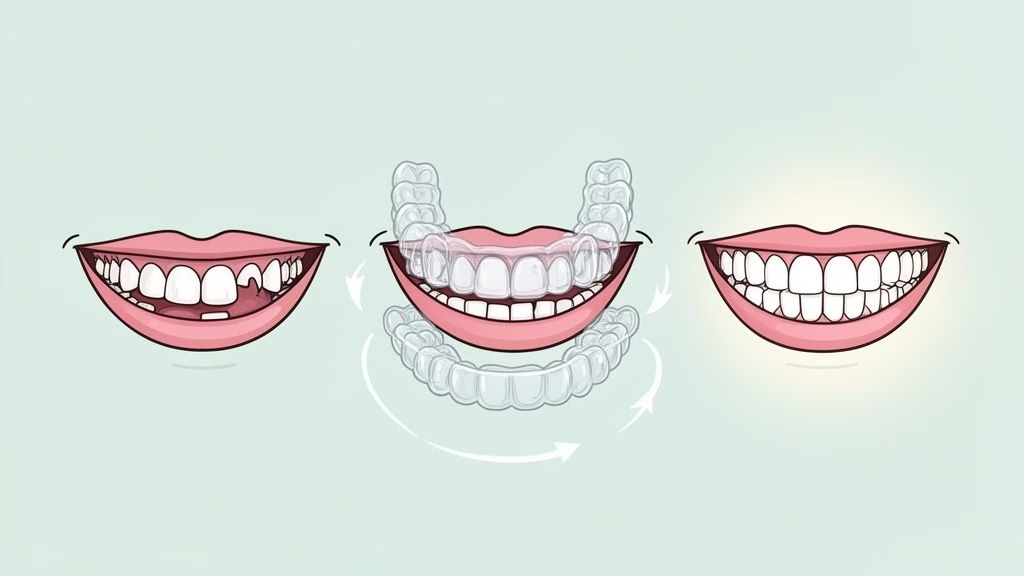
Ever wonder how a thin piece of plastic can actually move your teeth? It’s a clever bit of engineering. Clear aligners work by applying a gentle but constant pressure that nudges your teeth into their ideal position over time. While some brands are well-known, the technology itself is the key.
Think of it like a carefully planned journey for your smile, with each aligner acting as one small step forward.
How Do Clear Aligners Actually Straighten Teeth?
At its heart, the process is all about using a series of custom-made, transparent plastic trays to fix misalignments. Each tray is crafted to be just a little bit different from the one before it, mapping out a precise path for your teeth to follow.
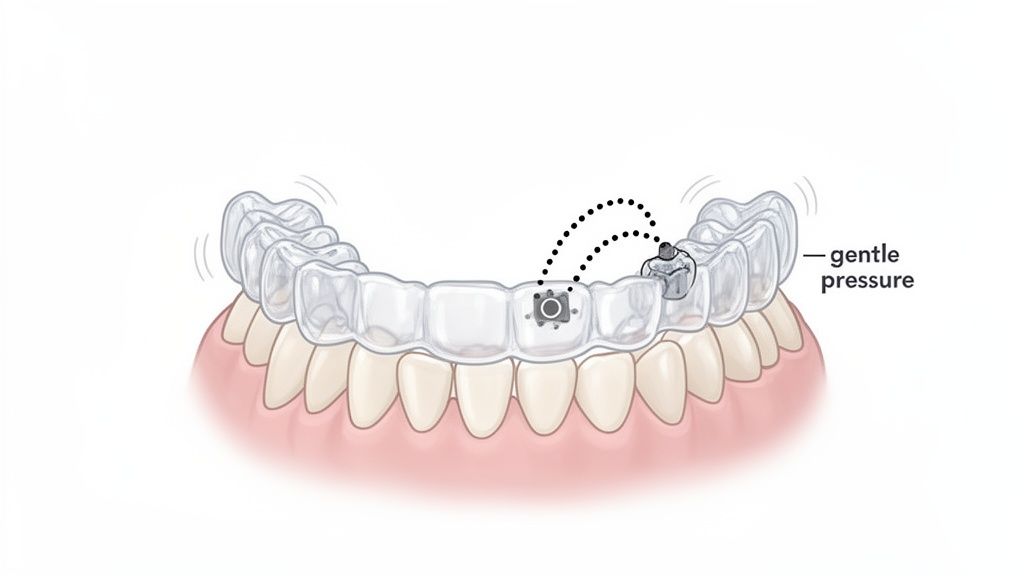
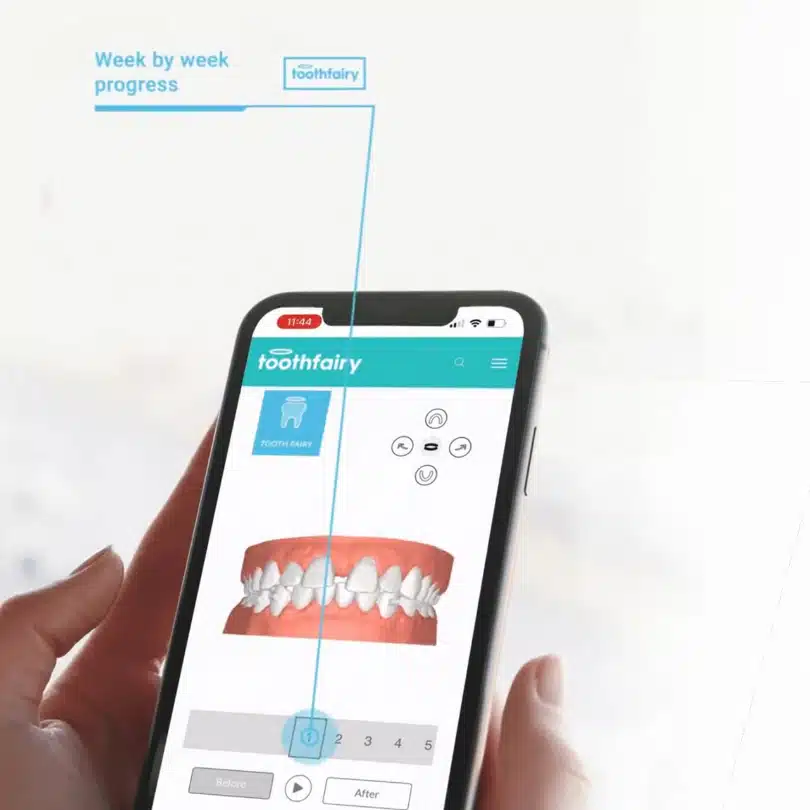
This is far from a one-size-fits-all approach. The whole thing kicks off with a detailed 3D scan of your mouth. Your dentist uses this scan to build a complete digital treatment plan, essentially creating a 'before and after' preview before you even start. This plan is the blueprint for your entire smile transformation.
The Science of Shifting Teeth
You’ll wear each set of aligners for about one to two weeks before switching to the next one in your series. This step-by-step progression is what makes the movement so controlled and comfortable.
The real magic is in how the aligners apply targeted force. They push on specific teeth at just the right time, allowing for some surprisingly complex movements without any metal wires or brackets. To get a better grasp of the whole process, it's worth reading up on what Invisalign treatment entails.
This system is built to tackle common orthodontic issues, such as:
- Crowded Teeth: When your jaw just doesn't have enough room for all your teeth to line up properly.
- Gaps Between Teeth: Those little (or not so little) spaces, also known as diastema.
- Bite Problems: This includes common issues like overbites, underbites, and crossbites.
The key advantage is the sheer precision of the force. Traditional braces work by adjusting a whole archwire at once, but clear aligners can be designed to push individual teeth in very specific directions. This gives your dentist an incredible amount of control over the final result.
The journey with clear aligners involves several distinct phases. The table below breaks down what you can typically expect.
Key Stages of Clear Aligner Treatment
| Treatment Stage | What Happens | Typical Duration |
|---|---|---|
| Initial Consultation | Your dentist assesses your teeth, takes 3D scans, and discusses your smile goals. | 30–60 minutes |
| Treatment Planning | A digital plan is created, showing the step-by-step movement of your teeth and the final outcome. | 1–3 weeks |
| Receiving Your Aligners | You'll get your first sets of custom-made aligners and instructions on how to wear them. | Varies by clinic |
| Wearing the Aligners | You wear each aligner for 20–22 hours a day, changing to the next set every 1–2 weeks. | 6–18 months (average) |
| Check-ins & Monitoring | Regular appointments (in-person or virtual) to track progress and make any necessary adjustments. | Every 6–8 weeks |
| Retention Phase | After treatment, you'll wear a retainer to keep your newly straightened teeth in place. | Lifelong (nightly) |
From the first scan to the final retainer, each step is designed to guide your teeth into a healthier, straighter alignment.
Ultimately, clear aligners provide a discreet and flexible way to achieve a better smile. And with modern options like Toothfairy, professional supervision is more convenient than ever, using app-based monitoring to bring dentist-led care right to your phone.
The Science of Shifting Your Smile
To really get what a set of clear aligners can do, you have to look past the plastic. It’s all about the fascinating biological process happening right under your gums. Moving teeth isn't about brute force; it’s a delicate dance between gentle pressure and your body's incredible ability to adapt.
This process is called bone remodelling, and it’s the secret sauce behind every orthodontic treatment, from old-school braces to modern clear aligners.
Think of a tooth like a post set in firm, but slightly soft, ground. If you push on that post gently and consistently, the soil on the side you're pushing against will compress and make way. Meanwhile, the gap that opens up on the other side will slowly get filled in. That’s a pretty good picture of what happens inside your jawbone.
Your aligner applies a constant, controlled force, which sends a signal to your body to get busy around the root of the tooth.
How Your Body Remodels Bone
What happens next is a clever two-part process that happens at the same time. It's your body's highly efficient system for moving teeth without them becoming loose or damaged.
- Osteoclasts (The Demolition Crew): In the direction the tooth is moving, specialised cells called osteoclasts start breaking down tiny bits of bone tissue. Think of them as a microscopic demolition crew clearing the path for the tooth to shift.
- Osteoblasts (The Construction Crew): On the other side, where a tiny gap is opening up, cells called osteoblasts get to work building new bone. This construction crew fills in the space the tooth moved from, making sure it stays secure in its new home.
This constant cycle of breaking down and rebuilding is what allows your teeth to move safely and gradually. Each new aligner you pop in continues this process, nudging your teeth a fraction of a millimetre at a time. It’s a slow and steady transformation that ensures your new smile is both straight and stable for the long haul.
This is exactly why wearing your aligners for the recommended 20-22 hours a day is so important. You need that consistent pressure to keep the bone remodelling process humming along. Take them out for too long, and you interrupt the cycle, which can slow down your progress or even affect your final result.
The Digital Blueprint for Your Smile
Unlike traditional braces that involve manual adjustments and guesswork, modern clear aligner systems like those offered by Invisalign, a specific aligner brand, are mapped out digitally from day one. It all starts with a 3D scan of your mouth, which creates a precise digital model. From there, your dentist can plan the exact movement of every single tooth from start to finish.
This digital blueprint is then used to 3D-print your personal series of aligners. Each tray is basically a physical step in that digital plan, designed to apply just the right amount of pressure to the right teeth at the right time. This is how a well-planned treatment translates a digital design into a predictable, real-world result.
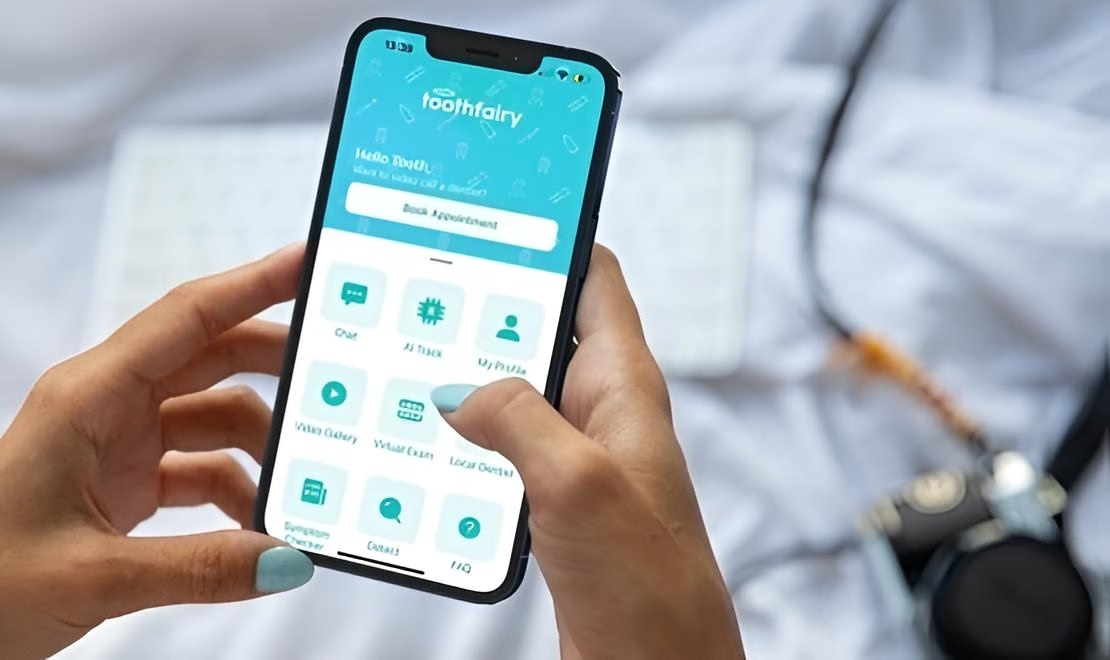
For people looking for a smarter, more affordable way to straighten their teeth, companies like Toothfairy take this same fundamental science and combine it with app-based supervision. This clever approach allows UK-registered dentists to track your progress remotely, making sure the bone remodelling is happening safely and correctly without you needing to pop into a clinic all the time. It’s an efficient way to get a dentist-led smile transformation.
Your Clear Aligner Treatment Journey, Step by Step
So, what does getting clear aligners actually look like? It's a carefully planned process that maps out your entire smile transformation right from the very beginning, using some seriously smart digital tech instead of goopy physical moulds.
It all starts with a detailed 3D scan of your mouth. This scan creates a perfect digital replica of your teeth, which your dentist uses to design a custom treatment plan just for you. The best part? You'll get to see a preview of how your teeth will move, step by step, right through to the final result.
Once you give the green light, your unique set of clear aligners is created. Each aligner in the series is like one chapter in the story of your new smile. You'll wear each one for about one to two weeks before progressing to the next, gently guiding your teeth along their planned path.
The Daily Routine and Commitment
If there's one secret to success with clear aligners, it's consistency. For that bone remodelling magic to happen, you need to wear your aligners for 20-22 hours every single day. Sticking to this schedule is what keeps your treatment on track and ensures you get the smile you were promised.
You’ll only take them out to eat, drink anything that isn't plain water, and for brushing and flossing. It might sound like a lot, but this routine quickly becomes a normal part of your day. It also means no food restrictions or tricky cleaning routines that come with traditional braces, which is a massive plus for most people.
This gentle but constant pressure is what does all the work. The diagram below breaks down exactly what's happening at a biological level.
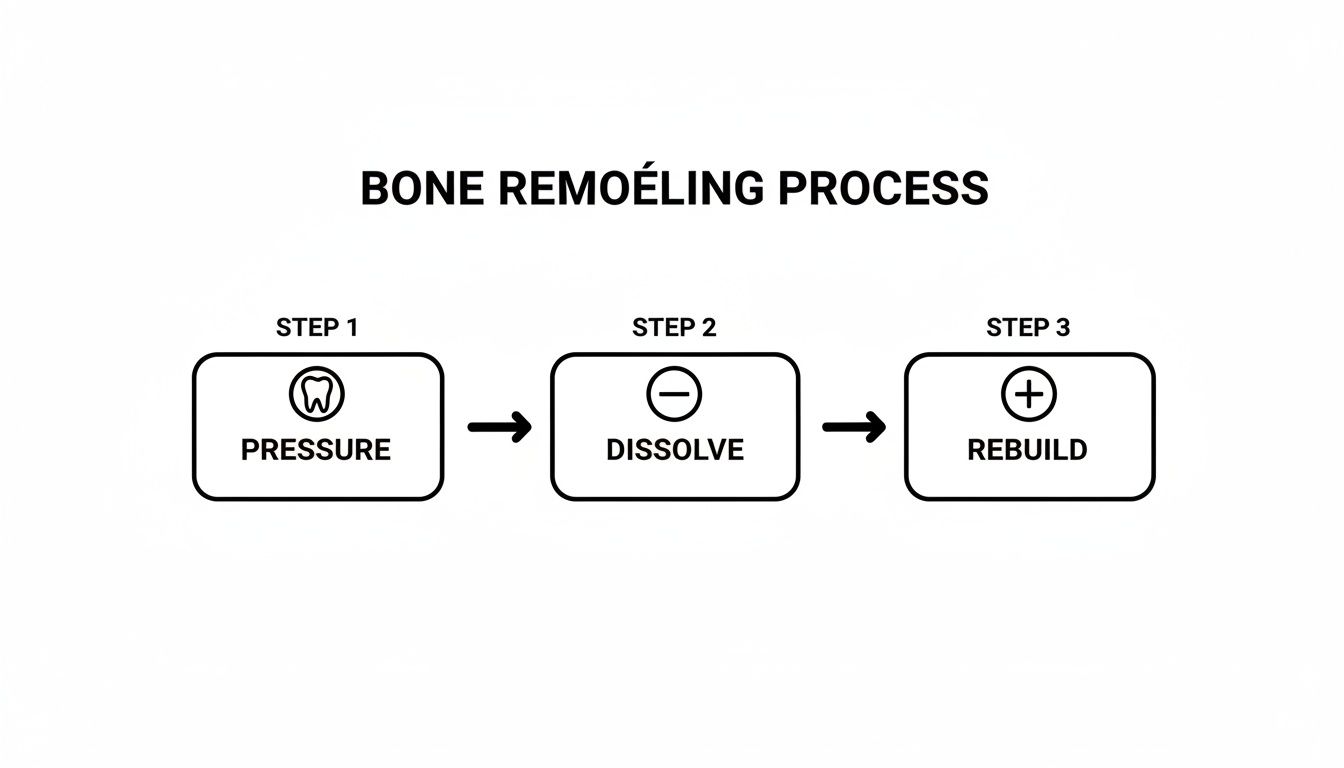
As you can see, it’s a natural cycle: the aligner applies pressure, the bone in the way dissolves, and new bone rebuilds behind the tooth to hold it in place. It's how your teeth can move safely into their new positions.
Modernising the Process with Virtual Care
It’s no surprise that adults are increasingly looking for discreet ways to straighten their teeth. Here in the UK, the clear aligners market is projected to soar from £325 million to an astonishing £1.789 billion by 2035. It's clear that people want smarter alternatives to old-school metal braces. You can find more insights on the UK dental market over on rare.consulting.
While many traditional aligner brands still rely on frequent in-person check-ups, newer approaches are making professional dental supervision far more convenient and affordable.
This is where forward-thinking providers like Toothfairy come in. They’ve blended proven aligner treatment with clever app-based technology, allowing UK-registered dentists to monitor your progress remotely. You get the same expert care and professional oversight, but without the hassle of constantly scheduling clinic visits. It’s a smarter, more affordable solution designed to fit into modern, busy lives.
Once you’ve worked your way through the last aligner, you're on the home stretch: the retention phase. This means wearing a custom-made retainer, typically just at night, to keep your teeth from shifting back. This final step is absolutely vital for locking in your results and protecting your new smile for years to come.
Clear Aligners vs Traditional Braces
When you think of straightening teeth, chances are you picture traditional metal braces. For a long time, they were pretty much the only game in town. Now, clear aligners have completely changed the landscape, offering a totally different path to a straighter smile. So, what’s the real difference, and how do you choose? It really boils down to what works best for your life.
Traditional braces are the workhorses of orthodontics. They use a tried-and-tested system of metal brackets glued to your teeth, all connected by a wire that an orthodontist tightens over time. They're incredibly effective, especially for really complex or severe cases. But let's be honest, they’re permanently fixed to your teeth, which means they’re always on show, you have to be careful about what you eat, and cleaning them can be a bit of a mission.
Clear aligners, however, were designed for modern life. They’re essentially a series of removable, nearly invisible plastic trays that fit perfectly over your teeth. This one key difference – being able to take them out – is why they've become so popular, particularly with adults who want to fix their smile without the hassle and self-consciousness that can come with metal braces.
Aesthetics and Lifestyle Impact
The most striking difference is how they look. Or rather, how they don't. Clear aligners are see-through, so you can straighten your teeth without anyone really noticing. This is a huge plus for professionals, or frankly, anyone who doesn't fancy a mouth full of metal.
It's this discreet approach that has helped one top clear aligner brand capture a massive 65% market share in the UK's booming £180 million clear aligner industry, especially with professionals aged 28-45. You can read more about the rise of popular aligner brands on dominatedental.com.
But it’s not just about looks. Being able to remove your aligners brings some real day-to-day advantages:
- No Food Restrictions: Fancy a crunchy apple or some chewy sweets? No problem. Just pop your aligners out and eat whatever you like.
- Easier Oral Hygiene: Brushing and flossing are a breeze. There are no wires or brackets to try and clean around, so you can just stick to your normal routine.
- Greater Comfort: The smooth plastic is generally a lot kinder to the inside of your mouth than sharp metal brackets, which can often cause rubbing and soreness.
Key Differences at a Glance
While traditional braces are a fantastic tool for complicated dental work, clear aligners offer a more flexible and convenient solution for the most common alignment issues like crowding and gaps. The right choice really comes down to your specific dental needs, your budget, and your lifestyle.
Innovations from providers like Toothfairy have made professionally supervised aligner treatment more accessible than ever. By blending solid orthodontic principles with the convenience of app-based monitoring, you get dentist-led care that slots right into your life—often at a more budget-friendly price than traditional clinic-based options.
To make things clearer, let’s break down the main distinctions in a quick comparison.
Here's a side-by-side look at how the two treatments stack up, focusing on the features that matter most to patients day-to-day.
Aligners vs Braces Feature Comparison
| Feature | Clear Aligners (e.g., Toothfairy) | Traditional Metal Braces |
|---|---|---|
| Appearance | Nearly invisible, offering a discreet treatment experience. | Highly visible metal brackets and wires. |
| Comfort | Smooth plastic trays reduce irritation to cheeks and gums. | Brackets and wires can cause discomfort and mouth sores. |
| Convenience | Removable for eating, drinking, and special occasions. | Fixed in place; cannot be removed by the patient. |
| Dietary Impact | No food restrictions since aligners are removed for meals. | Requires avoiding hard, sticky, or chewy foods. |
| Oral Hygiene | Simple to maintain; just remove aligners to brush and floss normally. | Can be difficult to clean around brackets and wires. |
| Best For | Mild to moderate crowding, gaps, and bite issues. | Complex and severe orthodontic cases. |
Ultimately, the choice hinges on your unique clinical needs and what you value most in a treatment experience—be it discretion and flexibility or the heavy-duty power for more complex corrections.
Smarter Alternatives to In-Clinic Aligner Brands
The world of orthodontics has come a long way from the days when your only option was regular, time-consuming trips to the clinic. While certain brands made clear aligners a household name, their model of frequent in-person appointments feels increasingly out of step with modern life, not to mention expensive.
Thankfully, there's a more modern approach now—one that fits into your life, not the other way around.
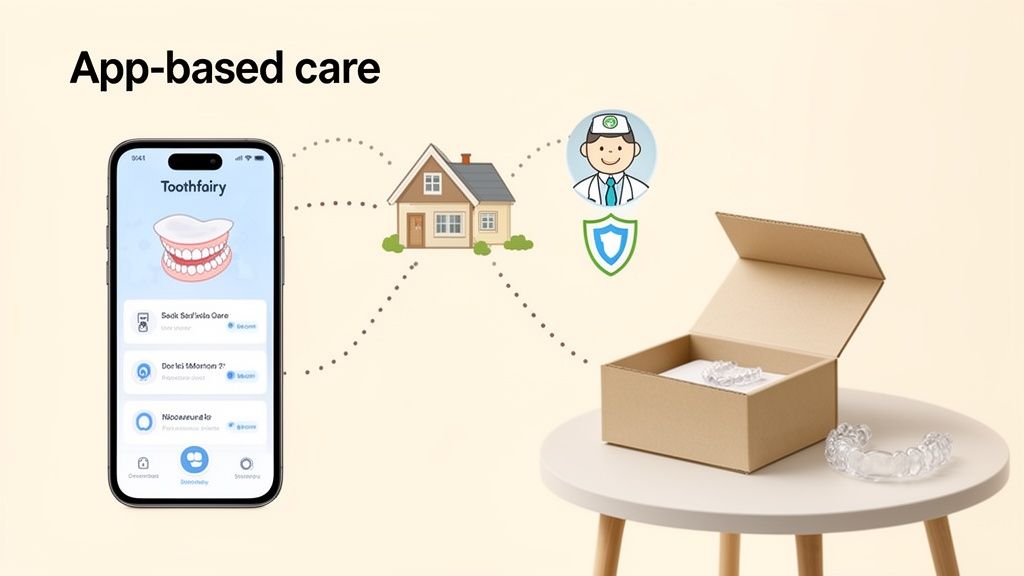
This is where direct-to-consumer solutions, properly supervised by dental professionals, are changing the game. These services get rid of the costly overheads of traditional clinics—think multiple locations, admin staff, and rigid appointment schedules—and pass those savings straight on to you. The science of moving teeth hasn't changed, but the way you get that care has become so much more efficient.
The Power of App-Based Dental Care
Imagine having a UK-registered dentist guiding you through your entire treatment journey, without you ever needing to leave home for a check-up. That’s exactly the thinking behind Toothfairy. Our app-based platform puts professional dental oversight right at your fingertips.
This approach gives you a few key advantages over the old-school clinic model:
- Real Convenience: You can manage your entire treatment, from the initial scans to progress reviews, from absolutely anywhere. No more needing to book time off work or travel for a quick five-minute appointment.
- Much More Affordable: By taking away the need for a physical clinic for every single check-in, the overall cost of treatment comes down significantly. You’re paying for the dental expertise, not the expensive waiting room.
- Proper Professional Oversight: Every single step is monitored by a qualified dentist, making sure your treatment is both safe and effective. You get the peace of mind of professional care, but with the ease of modern technology.
This isn't about cutting corners; it's about being smarter with how care is delivered. You still get the same high-quality, custom-made aligners and expert dental planning, but the whole process is built around your schedule and your budget.
By blending proven orthodontic principles with a seamless digital experience, Toothfairy makes getting a straighter smile more accessible than ever. It's the logical next step for clear aligners, offering a dentist-led solution that genuinely respects your time and your wallet. Why stick with the old way when a smarter, professionally supervised alternative is just an app away?
So, Are Clear Aligners Right for You?
Clear aligners are a fantastic tool for straightening teeth, but they aren’t a one-size-fits-all solution. Figuring out if you’re a good candidate means taking an honest look at your dental needs and your lifestyle. This is all about finding the best path for your smile journey.
Generally speaking, clear aligners really shine when it comes to tackling mild to moderate orthodontic issues. They’re particularly good at fixing some of the most common things people want to change about their smiles.
What Aligners Correct Best
Clear aligners have a proven track record for a whole range of common dental concerns. If your issue falls into one of these categories, you're likely in a good spot.
- Crowded Teeth: This is when teeth are slightly overlapped or bunched together because there isn’t quite enough room in your jaw.
- Gapped Teeth: Aligners are great for closing those unwanted spaces (or diastemas, as dentists call them) to create a more uniform look.
- Minor Bite Issues: They can often correct certain types of overbite, underbite, or crossbite, bringing your jaws into better alignment.
While they work wonders for many, it’s important to be realistic about their limitations. For instance, severely rotated teeth, major bite problems, or complex cases that might need jaw surgery are often better suited to traditional braces. Only a professional assessment can tell you for sure what will deliver the best, most predictable outcome.
The success of clear aligners hinges on one thing more than any other: patient commitment. Your results are directly tied to how dedicated you are to the process.
Your Role in the Treatment
Beyond the clinical diagnosis, your own daily habits play a massive part in your success. To be a great candidate, you have to be ready to wear your aligners for 20-22 hours every single day. It’s this consistency that keeps your treatment on track and moving forward.
You’ll also need to be on top of your oral hygiene, brushing and flossing after every meal before popping your trays back in. For anyone who is disciplined and committed, clear aligners offer an incredible, discreet route to a straighter smile. Plus, with modern app-based solutions like Toothfairy, you can get the professional supervision you need to make the journey both affordable and convenient.
Got Questions About Clear Aligners? We've Got Answers.
Starting any new dental treatment naturally comes with a few questions. Knowing what to expect day-to-day can help you feel confident and prepared for the journey ahead. Let's tackle some of the most common queries with clear, straightforward answers.
Is Clear Aligner Treatment Painful?
Most people experience a bit of pressure or mild discomfort for the first day or two after putting in a new set of aligners. This feeling is completely normal—in fact, it's a good sign! It means your aligners are doing their job, gently guiding your teeth into their new positions.
This sensation is usually described as a dull ache and is far less intense than the soreness that comes with having traditional metal braces tightened. If you do feel any discomfort, standard over-the-counter pain relief is typically all you need.
How Do I Keep My Aligners Clean?
Keeping your aligners fresh and invisible is simple. All you need to do is gently brush them with a soft toothbrush and lukewarm water every time you brush your teeth. Just be sure to avoid hot water, as it can warp the medical-grade plastic and ruin the fit.
It's not just about clean aligners, though. Your own oral hygiene is crucial. You'll need to brush and floss your teeth after every meal or snack before popping your aligners back in. This stops food and plaque from getting trapped against your teeth, keeping everything healthy.
What Happens After My Treatment Is Finished?
Once you’ve worn your final aligner tray, the active part of your treatment is done, but there's one more vital step: retention. To stop your teeth from gradually drifting back to where they started, your dentist will create a custom-made retainer for you.
You'll likely be asked to wear it full-time at first, before eventually switching to wearing it only at night. Sticking with your retainer is the absolute key to protecting your investment and making sure your beautifully straight new smile lasts a lifetime.
Ready for a smarter, more affordable way to straighten your teeth? With Toothfairy, you get professional, dentist-led care from the comfort of your home, for everything from teeth straightening to cosmetic dentistry and dental emergencies. Discover the future of orthodontics and start your journey today at https://www.toothfairyapp.co.uk.
Last updated on January 6, 2026

Dr. Deepak
ToothFairy Care Team.
Dr. Deepak
ToothFairy Care Team.