What Causes Swollen Gums A Guide to Finding the Cause
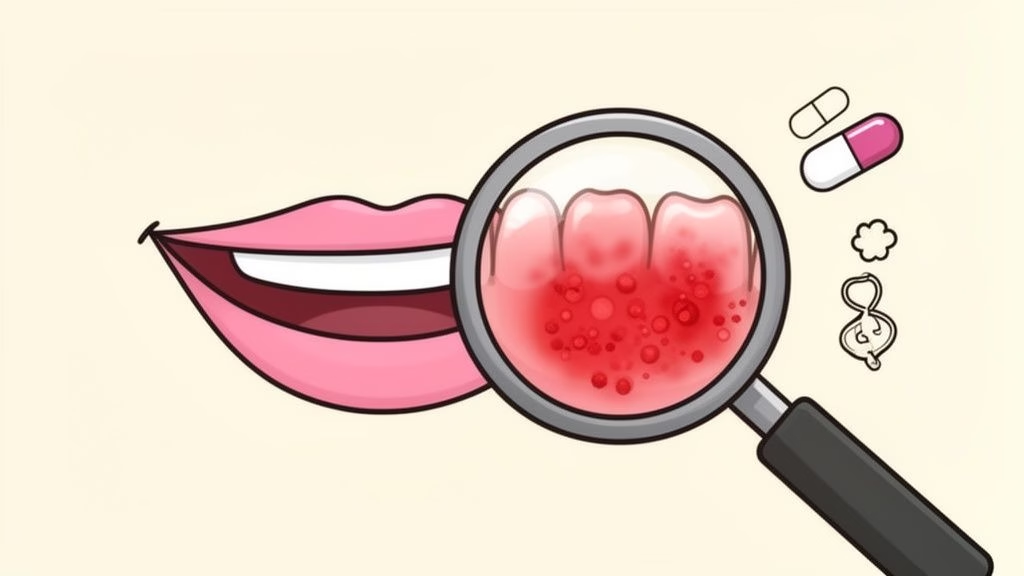
Swollen gums usually start with something seemingly small: plaque building up along the gumline. When you notice your gums are puffy, red, or tender, it’s easy to feel a bit alarmed. But it’s helpful to think of it not as a crisis, but as a very clear signal from your body. It’s your mouth’s own smoke alarm, designed to get your attention before a small issue turns into a bigger problem.
Understanding what causes swollen gums is the first step toward feeling better and protecting your long-term oral health.
Why Are My Gums Swollen? A Quick Guide
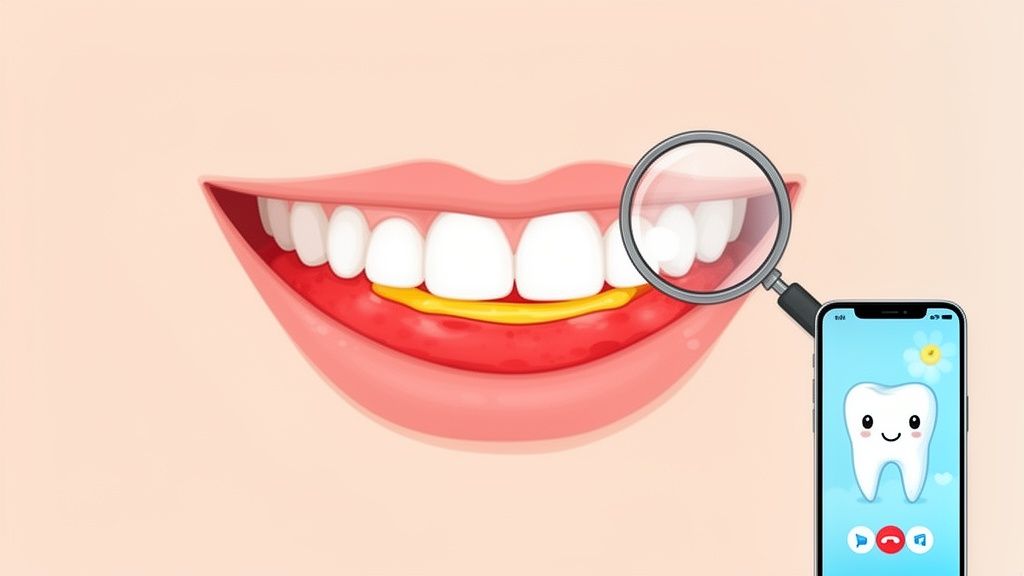
More often than not, the culprit behind gum swelling is a build-up of plaque—that sticky film of bacteria that forms on our teeth. When it’s not properly cleaned away, it irritates the delicate gum tissue, triggering an immune response. This leads to the inflammation, redness, and puffiness you see, a condition called gingivitis.
It’s an incredibly common issue here in the UK. In fact, the Adult Oral Health Survey 2021 found that nearly a quarter of UK adults had recently experienced bleeding gums, a classic sign of this inflammation. This statistic really highlights the direct link between everyday plaque control and gum health.
It’s Not Always About Plaque
While brushing and flossing are your first line of defence, plaque isn’t the only thing that can make your gums swell. It’s important to look at the bigger picture, as several other factors can cause a similar reaction.
Other common triggers include:
- Hormonal shifts, especially during pregnancy or menopause, can make your gums far more sensitive to irritation.
- Nutritional gaps, particularly a lack of Vitamin C, can directly affect the health and resilience of your gum tissue.
- Dental appliances that don’t fit quite right, like poorly supervised aligners, can physically irritate and inflame the gums.
- Underlying health conditions or even side effects from certain medications can also manifest as gum problems.
To give you a clearer idea, here’s a quick look at the most frequent causes.
Common Triggers for Swollen Gums at a Glance
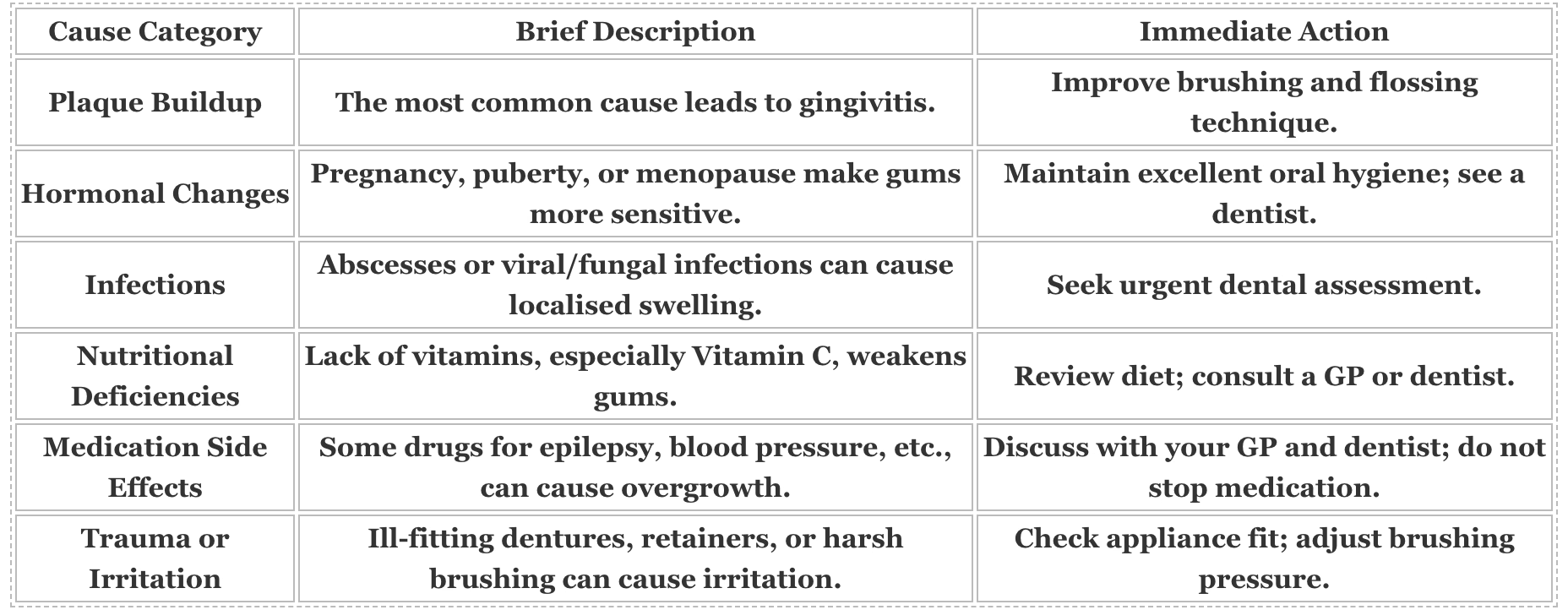
This table covers the usual suspects, but as you can see, figuring out the exact reason on your own isn’t always straightforward.
A prompt, accurate diagnosis is key. Guessing can lead to your symptoms getting worse or, more seriously, overlooking an underlying health issue. Getting to the root of the problem means you can get the right treatment, right away.
Get a Professional Diagnosis Without the Wait
Trying to navigate all these possibilities alone can be stressful. The good news is that getting professional clarity is now faster and easier than ever before. You don’t always need to wait for a traditional dental appointment to get answers.
Toothfairy offers a smarter and more affordable way to handle dental emergencies and cosmetic work. Through a secure video call right from your phone, a qualified UK dentist can look at your swollen gums, ask the right questions, and give you an expert diagnosis. They can provide a treatment plan or even an urgent prescription if needed, giving you immediate peace of mind and clear, actionable steps to take.
Common Culprits Inside Your Mouth
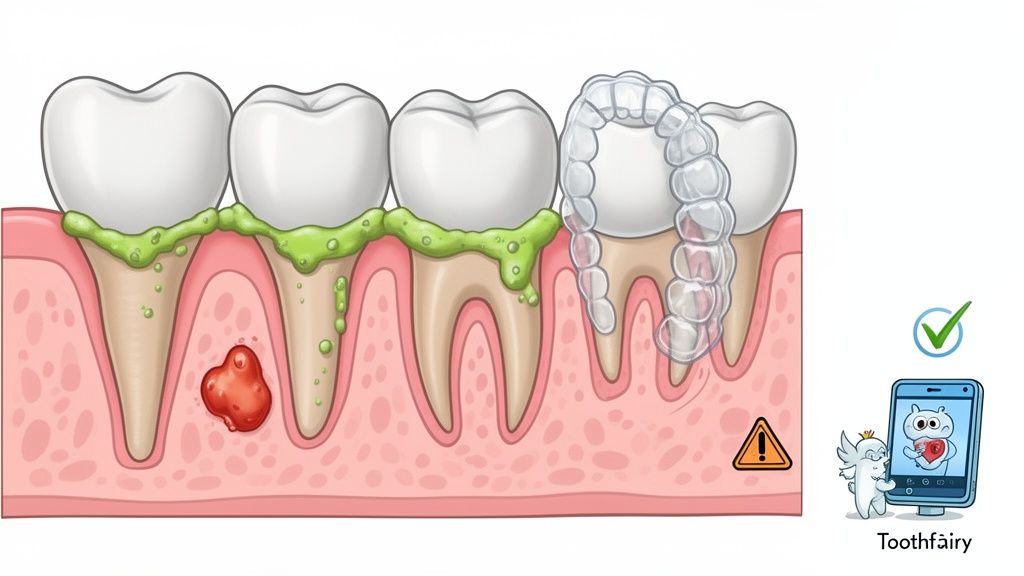
More often than not, the answer to what causes swollen gums is right there in your mouth. Local issues are by far the most common culprits, directly triggering that tell-tale puffiness and tenderness. Getting to grips with these problems is the very first step toward figuring out what’s going on and how to fix it.
The most widespread cause? Plaque. Think of plaque as a sticky, unwelcome film of bacteria that decides to set up camp on your teeth and along the gumline. At first, it’s a minor annoyance, causing a mild bit of inflammation we call gingivitis. But if you let it stick around, it can cause some serious, irreversible trouble.
This is where it’s vital to understand the difference between gingivitis and its much more destructive big brother, periodontitis.
Gingivitis: The Reversible Warning Sign
Gingivitis is the earliest and most common stage of gum disease. It’s simply your body’s initial inflammatory reaction to the bacteria in plaque. The most important thing to know about gingivitis is that it’s completely reversible with good oral hygiene and a professional cleaning.
The signs are usually quite mild but definitely noticeable:
- Red, puffy gums that look a bit angry instead of their usual healthy, firm pink.
- Bleeding when you brush or floss, even if you’re being gentle.
- Tenderness or a slight soreness around the gums.
The good news is that just by stepping up your brushing and flossing game, you can usually clear out the plaque and calm the inflammation, getting your gums back to their best.
Periodontitis: When the Problem Runs Deeper
If gingivitis is left unchecked, it can progress to periodontitis. This is a far more serious condition. The inflammation burrows deeper, spreading below the gumline and starting to attack the bone and tissues that hold your teeth firmly in place. Unlike gingivitis, the damage from periodontitis is not reversible.
At this stage, the gums start pulling away from the teeth, creating little pockets that are perfect breeding grounds for infection. As your immune system battles the bacteria, the combination of bacterial toxins and your body’s own response starts to break down the very foundations of your teeth. This can eventually lead to wobbly teeth or even tooth loss.
Periodontitis can be a silent disease in its early days, which is precisely why you should never ignore persistently swollen gums. What might seem like a small issue could be a sign of a much deeper problem developing out of sight.
Since inflammation is at the heart of gum disease, it’s also worth looking into broader strategies for reducing inflammation naturally as part of a holistic approach to your wellbeing.
Other Localised Dental Issues
Beyond gum disease, a few other specific dental problems can make your gums swell up, often in just one particular spot.
Dental Abscess
A dental abscess is a nasty pocket of pus that forms because of a bacterial infection, either at the root of a tooth or in the gum next to it. This is a serious problem that causes a significant, often throbbing pain, alongside major swelling in the gums and sometimes even your face. An abscess is a true dental emergency and needs to be seen by a dentist immediately.
Impacted Wisdom Teeth
Sometimes a wisdom tooth just doesn’t have enough space to come through properly, getting stuck or “impacted” in the jaw. This can create a little flap of gum tissue over the tooth that’s a magnet for food and bacteria, leading to a painful infection and swelling called pericoronitis.
Irritation from Dental Appliances
Braces, retainers, and dentures can all be sources of gum irritation. The brackets and wires of traditional braces can rub against your gums, and dentures or retainers that don’t fit quite right can cause constant soreness and swelling. We also see this happen with clear aligners, especially when they aren’t properly managed by a dental professional.
The Aligner Dilemma: Proper Supervision Matters
Clear aligners have become a hugely popular way to straighten teeth, but it’s crucial to know that not all aligner treatments are the same. Some direct-to-consumer options operate without the close supervision of a qualified dentist, and that can open the door to a host of problems.
If aligner trays aren’t designed or monitored by a professional, they can fit poorly—pressing too hard on the gums or leaving gaps. This can lead to:
- Gum Inflammation: Constant, misplaced pressure from a badly fitting tray will irritate and inflame the gum tissue.
- Plaque Traps: Tiny gaps between the aligner and your teeth become perfect spots for plaque to build up, leading straight to gingivitis.
- Potential for Damage: Moving teeth without an expert eye can, in the worst cases, even cause harm to the roots.
This is exactly why choosing a dentist-monitored system like Toothfairy is the smarter, more affordable path. Every single step of your teeth-straightening journey is overseen by a registered UK dentist. They make sure your aligners fit perfectly and that your gums stay healthy from start to finish, offering a way to get a straight smile without ever cutting corners on safety or professional care.
Your Gums Are a Window to Your Overall Health
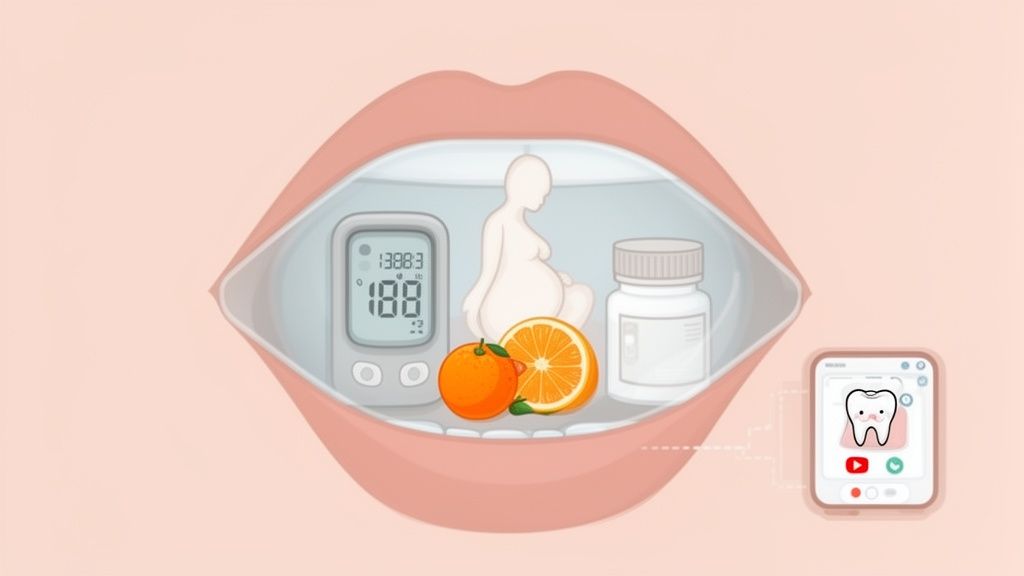
While problems inside your mouth are the usual suspects, sometimes the real reason for swollen gums isn’t about your teeth at all. Your gums often give us a peek into your general health, offering clues about what’s going on elsewhere in your body. If your gums are constantly inflamed, it might be a sign that something more systemic is at play.
Think of it like the check engine light on your car’s dashboard. It doesn’t tell you the exact problem, but it signals that it’s time to have a proper look under the bonnet. In the same way, puffy, bleeding gums can be an early whisper of a broader health issue that needs attention.
This powerful link between your oral health and your overall well-being is why looking after one often means looking after the other.
Hormonal Shifts and Gum Sensitivity
Big swings in your hormones can make your gums much more sensitive to the bacteria in plaque, triggering a surprisingly strong inflammatory reaction. This is exactly why swollen gums are a common complaint during certain stages of life.
- Pregnancy Gingivitis: When you’re pregnant, soaring progesterone levels can cause your gums to swell, look redder, and bleed with very little provocation. It’s so widespread it even has its own name: pregnancy gingivitis.
- Puberty and Menopause: The hormonal rollercoaster of puberty can do the same thing to a teenager’s gums. Later in life, the changes that come with menopause can lead to a dry mouth and more sensitive gums, leaving them prone to swelling.
These changes don’t mean you’ve suddenly stopped brushing properly; it just means your body is reacting in a completely new way. Given that oral health can reflect wider bodily changes, especially during major events like pregnancy, you might find it helpful to learn more about understanding comprehensive perinatal care.
Your gums are incredibly responsive to your body’s internal chemistry. Hormonal shifts essentially turn up the volume on your gum tissue’s reaction to plaque, meaning even a tiny amount of bacteria can cause a very noticeable flare-up.
Systemic Health Conditions
Beyond hormones, several underlying medical conditions have a direct and well-documented connection to gum health. In fact, your dentist might be the first person to spot the signs.
The Diabetes Connection
People living with diabetes, especially when their blood sugar isn’t well-managed, face a much higher risk of gum disease. High blood sugar not only helps harmful bacteria thrive but also weakens the body’s ability to fight infection. This leaves the gums vulnerable to serious inflammation. It’s a two-way street, too—severe gum disease can actually make it harder to keep blood sugar levels under control.
Autoimmune Conditions
Certain autoimmune diseases, where the body’s defence system mistakenly attacks its own tissues, can also show up as swollen gums. Conditions like Crohn’s disease or lupus can trigger inflammation throughout the body, and that absolutely includes the mouth.
Nutritional Deficiencies
What you eat—or don’t eat—can have a huge impact on your gum tissue. Just like the rest of your body, your gums need the right nutrients to stay strong and fend off infection.
The classic example is a severe lack of Vitamin C, which historically caused scurvy. Vitamin C is vital for creating collagen, the protein that keeps your gums firm and healthy. Without enough of it, gums can become spongy, swollen, and bleed easily. While full-blown scurvy is rare these days, even a moderate dip in your Vitamin C intake can seriously compromise your gum health.
Other shortfalls, like a lack of Vitamin K (crucial for blood clotting) or B vitamins, can also play a role in gum problems.
Bridging the Gap Between Dental and General Health
So, what happens if your dentist suspects your swollen gums are linked to something bigger? It’s important to get a professional opinion without jumping to conclusions or self-diagnosing online. This is where modern dental care can really help connect the dots.
With a Toothfairy video consultation, a qualified UK dentist can assess your symptoms right from your own home. They can help figure out if the cause is likely a simple dental issue or if it’s something you should bring up with your GP. This seamless approach ensures you get the right advice quickly, putting you on the fastest path to the right solution by bridging the gap between your dental and general healthcare.
How Everyday Habits Can Irritate Your Gums
While we often look for complex medical reasons, sometimes the answer to “what causes swollen gums?” is sitting right on our bathroom counter. Our daily routines and lifestyle choices play a huge role. Small habits, things we don’t even think about, can build up over time and leave our gums puffy, sore, and irritated.
The good news is that spotting these triggers is the first step. Making a few simple, effective changes can often bring quick relief and set you up for much healthier gums in the long run.
The Impact of Smoking and Vaping
We all know smoking is bad for our health, but it’s particularly destructive to your gums. Smoking tightens the blood vessels in your gum tissue, which is a double-edged sword. It not only masks early warning signs like bleeding but also starves the tissue of the oxygen and nutrients it desperately needs to fight infection. This is why smokers are so much more vulnerable to aggressive gum disease.
And vaping isn’t the harmless alternative some believe it to be. The aerosols in e-cigarettes can also cause gum inflammation and a dry mouth, which is the perfect breeding ground for harmful bacteria. Whether it’s traditional cigarettes or a vape, nicotine seriously compromises your mouth’s ability to heal and defend itself.
Think of your gums as a delicate garden. Healthy blood flow is the water and sunlight, helping everything thrive. Smoking and vaping are like creating a drought, leaving the garden weak and susceptible to disease.
Physical Trauma and Over-Enthusiastic Brushing
Sometimes, the problem is actually too much of a good thing. Brushing your teeth shouldn’t be about scrubbing as hard as you can; it’s about gently and methodically removing plaque.
Imagine trying to clean a delicate silk shirt by scrubbing it with a wire brush. You’d just damage the fabric. Your gum tissue is just as delicate. Brushing too forcefully, a habit known as tooth-brushing abrasion, can physically wear away your gums. This can lead to recession, sensitive teeth, and chronic inflammation.
Here’s how to brush effectively without causing damage:
- Choose a Soft-Bristled Brush: A soft or even extra-soft brush has all the power you need to remove plaque without being harsh on your gums.
- Use Gentle Pressure: Try holding your toothbrush with just your fingertips instead of a full fist grip. This naturally lightens the pressure and lets the bristles do the work for you.
- Avoid Abrasive Toothpastes: Some “whitening” toothpastes can be quite gritty and act like sandpaper on your enamel and gums.
Hidden Irritants in Oral Care Products
It might seem counterintuitive, but the very products you use to keep your mouth clean could be the source of the irritation. For some people, certain ingredients in everyday toothpastes and mouthwashes can cause a reaction.
A common culprit is sodium lauryl sulphate (SLS), a foaming agent in many toothpastes that can trigger mouth ulcers and gum irritation in sensitive individuals. Likewise, mouthwashes packed with alcohol can be incredibly harsh. They dry out the mouth and disrupt the natural balance of bacteria, which can ironically lead to more inflammation. If your gums feel sore right after brushing, it’s worth taking a look at the ingredients list.
Side Effects from Common Medications
Your swollen gums could also be an unexpected side effect of a medication you’re taking for a completely different health issue. A number of prescription drugs are known to cause a condition called drug-induced gingival overgrowth, which is exactly what it sounds like: the gum tissue starts to grow excessively and becomes swollen.
This is most commonly linked with:
- Certain Anticonvulsants used to treat epilepsy.
- Calcium Channel Blockers prescribed for high blood pressure.
- Immunosuppressants taken by organ transplant patients.
If you’re on one of these medications and have noticed a change in your gums, it’s vital to talk to both your GP and your dentist. Don’t ever stop taking a prescribed medication on your own, but your healthcare team can work together to manage the side effects and protect your oral health.
What to Do About Swollen Gums Right Now
When your gums are swollen and sore, knowing what to do—and when—can make all the difference. The right approach really depends on what you’re seeing and feeling. A bit of minor, temporary puffiness can often be calmed down with some simple home care, but more serious signs are a clear signal to get a professional opinion, fast.
This section is your practical action plan. We’ll kick off with some safe, effective remedies you can use at home for that initial irritation. Then, we’ll get into the critical red flags that mean it’s time to stop guessing and seek urgent dental advice, and I’ll explain how modern services can get you that help in minutes.
Safe and Effective Home Remedies
If your gums are just a little puffy or tender, maybe from over-enthusiastic brushing or a stray piece of popcorn, some simple home care can bring a surprising amount of relief. The goal here is to soothe the inflammation and keep the area clean without making things worse.
It’s really important to stick with proven, gentle methods. Please steer clear of those strange “hacks” you might see online—they can often do more harm than good.
Effective At-Home Care Steps:
- Gentle Saltwater Rinse: This is the gold standard for a reason. Mix half a teaspoon of salt into a glass of warm water and swish it around your mouth for about 30 seconds. Saltwater helps to gently cleanse the area and reduce swelling, creating an environment where bacteria struggle to survive.
- A Cold Compress: Think of it like putting an ice pack on a sprained ankle. Applying a cold compress to the outside of your cheek can help numb the discomfort and bring down the inflammation. Just wrap some ice in a clean tea towel and hold it against your face for 15-minute intervals.
- Meticulous but Gentle Hygiene: It’s tempting to avoid brushing a sore spot, but that just allows plaque to build up and worsen the problem. Instead, switch to an extra-soft-bristled toothbrush and use very light, careful strokes to clean your teeth and along the gumline.
These steps are your first line of defence for minor flare-ups. But remember, they’re temporary fixes for mild symptoms, not a substitute for a proper diagnosis if the problem doesn’t go away.
Red Flags: When to Seek Urgent Help
While home care has its place, it’s absolutely vital to recognise when swollen gums are pointing to something much more serious. Certain symptoms are clear red flags that you’re dealing with a dental emergency that needs a professional assessment right away. Ignoring them can lead to severe pain, a spreading infection, or even losing a tooth.
Think of it this way: a gentle saltwater rinse is like putting a plaster on a small cut. But if that cut is deep, gaping, or showing signs of infection, you need a doctor. The same logic applies to your gums; some issues are simply beyond the scope of home remedies.
It’s time to stop self-treating and contact a dentist immediately if you experience any of the following.
Symptom Checker: When to Act Now
Sometimes it’s hard to tell what’s a minor annoyance and what’s a real problem. This table is designed to help you quickly figure out whether you can manage at home or need to see a professional right away.
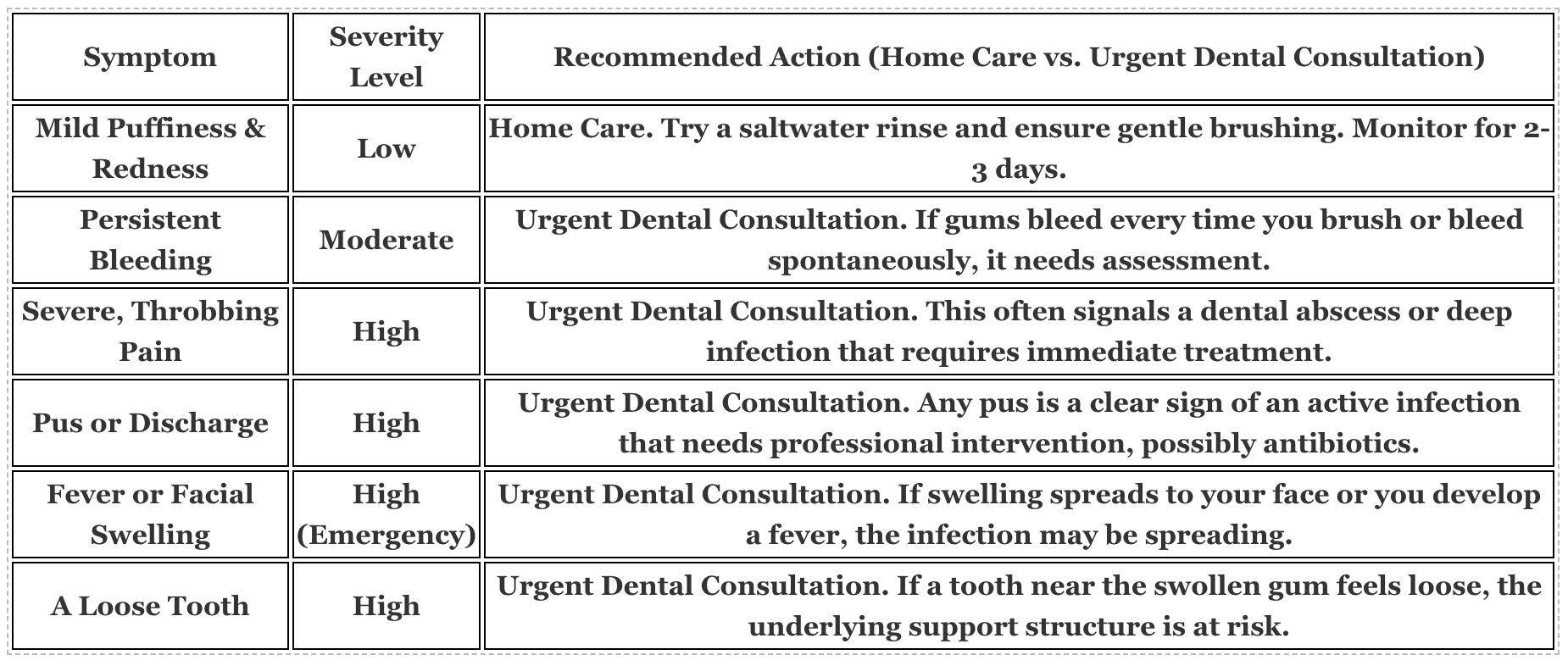 Don’t second-guess severe symptoms. Prompt action is key to preventing a small problem from becoming a major one.
Getting an Immediate Professional Opinion
When you’re faced with these urgent symptoms, especially late at night or over a weekend, waiting for a clinic to open isn’t just inconvenient—it can be dangerous. The anxiety of not knowing what’s wrong or what to do next only adds to the stress. This is exactly where modern dental technology can be a lifeline.
Services like Toothfairy were created for these exact moments. With our 24/7 emergency dental service, you can connect directly with a qualified UK dentist on a secure video call from your phone, anytime, anywhere.
In just a few minutes, a dentist can look at your swollen gums, diagnose the likely cause of your pain, and give you an immediate plan. If they suspect an infection, they can even issue an urgent prescription to a nearby pharmacy. It’s about getting immediate access to professional care right when you need it most, giving you peace of mind and the right treatment without that agonising wait.
Your Swollen Gums Questions, Answered
Even after covering the main reasons your gums might be swollen, you probably still have a few specific questions running through your mind. That’s completely normal. Let’s tackle some of the most common ones we hear from patients to give you a bit more clarity.
The first step is often the hardest: knowing what to do when you first spot the problem. This quick guide can help you decide.

The main takeaway here is pretty simple. While you can manage minor issues with good home care, anything more serious needs a professional eye on it, and fast.
Can Stress Cause My Gums to Swell?
It absolutely can. When you’re under a lot of stress, your body pumps out a hormone called cortisol. One of its side effects is weakening your immune system, which gives the bacteria behind gum inflammation the upper hand.
On top of that, stress often makes us do things that are bad for our teeth. Think grinding your teeth at night (what we call bruxism) or just letting your brushing and flossing routine slide. Even if you think stress is the culprit, it’s always smart to get it checked.
A quick video call with a dentist using an app like Toothfairy can help rule out any other direct dental causes. They can give you clear advice for your mouth while you focus on tackling the stress itself.
What if My Gums Are Swollen Around Only One Tooth?
When swelling is pinned to just one tooth, it’s almost always a local problem. The cause might be as simple as a stray popcorn husk stuck under the gumline causing a bit of irritation.
But it can also be a sign of something much more serious, like a dental abscess. This is a pocket of infection right at the root of the tooth, and it can be incredibly painful. Another possibility is a tiny, unseen crack in the tooth that’s letting bacteria get in. It’s crucial to have a dentist look at it before it escalates.
Using a service like Toothfairy for an emergency chat lets a dentist quickly assess the situation. They can figure out what’s going on and what you need to do next, which might include getting a prescription for antibiotics if an infection is brewing.
How Long Does It Take for Swollen Gums to Go Down?
This really depends on what’s causing it. If it’s just mild gingivitis from not cleaning your teeth well enough, you could see things improve within a week or so once you get back into a solid, gentle hygiene routine.
However, if the real issue is an infection, a poorly fitting denture, or an underlying medical condition, the swelling isn’t going anywhere on its own. It’ll stick around until the root cause is treated properly.
A wait-and-see approach with persistent swelling is never a good idea. Getting a prompt dental assessment is always the fastest and safest route to feeling better.
Are Clear Aligners Known to Cause Swollen Gums?
It’s pretty common to have a little bit of mild, temporary gum irritation when you first start with any clear aligner treatment. Your mouth is just getting used to them. But if the swelling is significant or doesn’t go away, that’s a red flag.
Often, it means the aligners don’t fit correctly or they’re trapping plaque against your gums. This is a big risk with some aligner brands that don’t include proper dental supervision. It’s exactly why Toothfairy’s dentist-monitored aligner treatment is a much safer option. A qualified dentist keeps an eye on your progress virtually, so they can spot and fix problems like gum swelling early on, making sure your treatment is healthy as well as effective.
Ready to get a fast, professional opinion on your swollen gums or explore a smarter, more affordable way to straighten your teeth? Download the Toothfairy app for on-demand access to UK-registered dentists right from your phone. Get clarity and care today by visiting https://www.toothfairyapp.co.uk.
Last updated on January 23, 2026

Toothfairy Care Team
Toothfairy, is the world's smartest dental app, that connects patients to a dentist for a range of issues, from emergencies, cosmetics, prescriptions to virtual exams.
Toothfairy Care Team
Toothfairy, is the world's smartest dental app, that connects patients to a dentist for a range of issues, from emergencies, cosmetics, prescriptions to virtual exams.