What Causes Enamel Erosion and How Can You Stop It?
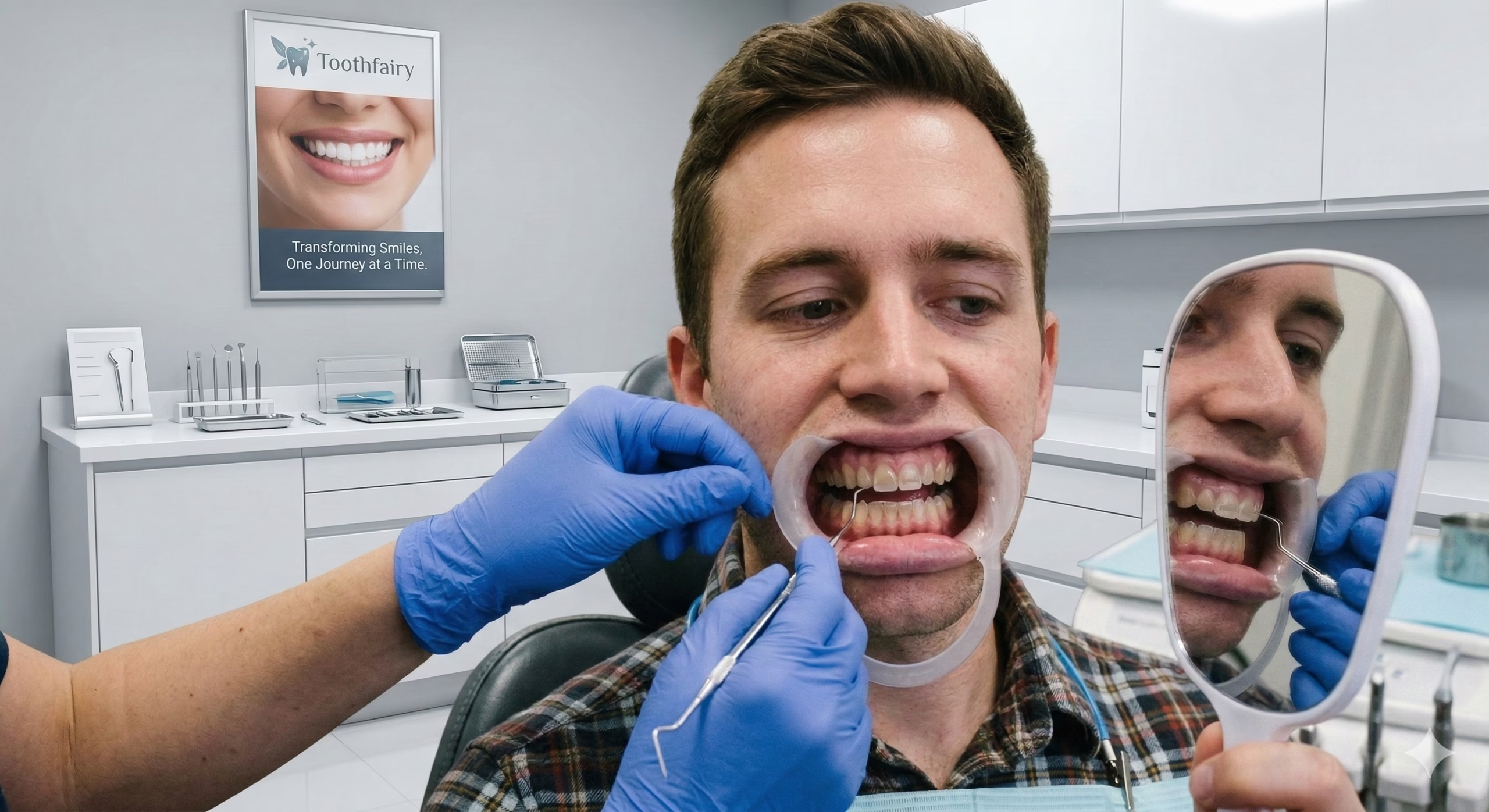
Enamel erosion happens when the hard, protective outer layer of your tooth is slowly worn away, and the main culprit is almost always acid. This acid might come from your diet—think fizzy drinks or citrus fruits—or from internal sources like acid reflux. Either way, it leaves your teeth exposed and vulnerable to sensitivity, yellowing, and decay.
Your Enamel: The Unsung Hero of Your Smile
Think of your tooth enamel as your smile’s personal bodyguard. It’s the hardest substance in the human body, even tougher than bone, and its primary role is to shield the sensitive inner parts of your teeth from the daily grind of chewing, hot and cold temperatures, and chemical attacks from food and drink.
But for all its strength, enamel has an Achilles’ heel: acid. The common thread running through nearly every cause of enamel erosion is prolonged acid exposure. When you eat or drink something acidic, the pH level in your mouth plummets, creating an environment that starts to dissolve and strip away the minerals from your enamel. This process is known as demineralisation.
Your saliva is your mouth’s natural defence system. It works hard to neutralise these acids and put minerals back into your teeth. But if the acid attacks are too frequent or too strong, your saliva simply can’t keep up, and the enamel loss becomes permanent.
The Scale of the Problem
This isn’t just a minor issue affecting a few people; it’s a major dental health concern right across the UK. A wide-ranging review of the nation’s dental health found that a shocking 77% of the population showed some signs of tooth wear. Even more concerning, 2% of UK adults had erosion so severe that the soft, inner part of the tooth (dentine) was exposed, signalling advanced and irreversible damage. You can explore these findings in the full government report on dental health.
To protect your smile, the first step is understanding what’s causing the damage. The chart below gives a great overview of the main culprits, breaking them down into dietary, internal, and physical factors.

As you can see, enamel erosion is rarely down to a single cause. It’s often a combination of what we eat, underlying health issues, and even our daily habits.
To help you connect the dots, this quick guide breaks down the most common causes and gives you a simple, actionable tip for each one.
Quick Guide to Enamel Erosion Causes and Solutions
Understanding these risks is key. Protecting your enamel requires a proactive approach, which is where modern dental care can make a huge difference. If you’re worried about any symptoms or potential causes, a Toothfairy on-demand consultation offers a straightforward way to get expert advice from home, making preventative care easier and more accessible than ever.
The Dietary Culprits Weakening Your Smile
More often than not, the primary source of acid that damages our teeth isn’t some rare condition; it’s what we eat and drink every single day. When you consume acidic foods and drinks, the pH level in your mouth plummets, creating an environment that actively leaches essential minerals right out of your tooth enamel. This process is called demineralisation.
Think of your enamel like a beautiful marble statue. An acidic drink is like a gentle, acidic rain. A single drop won’t do much harm, but over time, that constant exposure starts to wear down the surface, dissolving the fine details until the stone is left pitted and weak. That’s exactly what happens in your mouth, leaving your saliva fighting a constant, uphill battle to protect your teeth.

Beyond the Obvious Offenders
Everyone knows fizzy drinks and fruit juices are bad news for teeth, but the list of dietary risks is a lot longer than most people realise. In fact, many foods we consider ‘healthy’ can be surprisingly acidic and contribute just as much to enamel erosion.
Understanding the full scope of what causes enamel erosion from a dietary perspective is key. Common culprits include:
- Citrus Fruits: Oranges, lemons, and grapefruits are fantastic for Vitamin C, but their citric acid content is harsh on enamel.
- Fizzy and Sports Drinks: These are loaded with phosphoric and citric acids, which are incredibly corrosive to your teeth.
- Wine: Both red and white varieties are acidic enough to soften the enamel’s surface.
- Tomatoes and Tomato-Based Sauces: Whether fresh in a salad or cooked into a pasta sauce, tomatoes bring a high level of acidity to your meals.
- Vinegar-Based Dressings: That healthy salad can become a problem when its dressing is full of acetic acid, a direct threat to your enamel.
- Sour Sweets: These deliver a nasty one-two punch of sugar and a coating of acid powders.
This doesn’t mean you have to banish these foods entirely. It’s all about being mindful of how and when you consume them to limit the damage. If you want to get a better handle on how diet can impact your oral health, it’s well worth a read.
Frequency Over Quantity: The Real Danger
Here’s a common mistake: thinking that the amount of an acidic drink you have is the main problem. The truth is, the frequency of consumption is far more destructive.
Sipping on a fizzy drink or juice over several hours is like subjecting your teeth to a non-stop acid bath. Each sip drops your mouth’s pH again, never giving your saliva the 20-30 minutes it needs to neutralise the acid and begin repairing the enamel.
It’s far better to have an acidic drink with a meal than to sip it all afternoon. When you’re eating, other foods and increased saliva flow help to buffer the acid and wash it away much more effectively.
This is especially critical for children’s dental health. In the UK, acidic drinks are a leading cause of tooth erosion, with studies clearly linking frequent fizzy drink consumption to higher erosion rates in toddlers. A habit of drinking these beverages overnight is particularly damaging because saliva production naturally drops during sleep, leaving teeth completely defenceless.
Practical Tips to Protect Your Smile
The good news is that protecting your enamel doesn’t demand a radical diet change. A few smart habits can make all the difference, letting you enjoy the foods you love while keeping your teeth strong.
-
Rinse, Don’t Brush, Right Away: After anything acidic, your enamel is in a temporarily softened state. Brushing at this moment can literally scrub away the weakened surface. Instead, simply rinse your mouth with plain water to help neutralise the acid, and wait at least 30-60 minutes before picking up your toothbrush.
-
Use a Straw: When you’re having a fizzy drink, juice, or even an iced coffee, using a straw helps the liquid bypass your front teeth, minimising direct acid contact.
-
Finish with a Neutral Food: Ending a meal with a piece of cheese, a glass of milk, or some nuts can help neutralise lingering acids and give the remineralisation process a kick-start.
-
Stay Hydrated with Water: Sipping water throughout the day is a simple but powerful habit. It rinses away food debris and acids while also supporting healthy saliva production—your body’s best natural defence.
If you’re worried your diet might be affecting your teeth, or if you’ve started to notice sensitivity or yellowing, it’s time to get some professional advice. A quick and affordable virtual consultation with a Toothfairy dentist can give you a personalised assessment of your risk and help you build a solid plan to protect your smile for the long haul.
When Acid Attacks Come from Within Your Body
We tend to point the finger at sugary drinks and citrus fruits, but what causes enamel erosion is sometimes an inside job. The most damaging acid isn’t always what’s on your plate; it can come from medical conditions that turn your own body’s chemistry against your smile.
This internal acid is often far more potent and relentless. A major culprit is Gastro-Oesophageal Reflux Disease (GERD), what most of us call chronic acid reflux. With GERD, powerful stomach acid travels up the oesophagus and into the mouth. It often happens at night when you’re asleep, meaning your teeth are getting an acid bath for hours without you even knowing it.
You can often tell where the acid is coming from by the pattern of the damage. While dietary acids usually hit the front of your teeth, reflux tends to erode the inner surfaces of your upper teeth and the biting surfaces of your lower molars.

When Your Body’s Defences Are Down
Another key factor in this internal battle is a lack of saliva. The clinical term is xerostomia, but you probably know it as dry mouth. Saliva is your mouth’s unsung hero. It’s constantly working to neutralise acids, wash away food debris, and help remineralise your enamel. When you don’t produce enough of it, your teeth lose their primary line of defence.
This leaves your enamel completely exposed to any acid it encounters, whether from your diet or from reflux. A dry mouth can be triggered by a number of common things, creating a perfect storm for erosion.
- Medications: Hundreds of widely prescribed drugs—including common antihistamines, antidepressants, and blood pressure medications—are known to cause dry mouth.
- Medical Conditions: Certain systemic diseases, like Sjögren’s syndrome and diabetes, can directly interfere with saliva production.
- Dehydration: Sometimes it’s as simple as not drinking enough water. Even mild dehydration can reduce saliva flow and put your teeth at risk.
In the same vein, any condition involving frequent vomiting, such as bulimia or severe morning sickness, repeatedly exposes teeth to concentrated stomach acid. The sheer force and acidity can cause rapid and severe damage in a surprisingly short amount of time.
Because these internal causes can be subtle and develop over time, you might not connect symptoms like new tooth sensitivity or a dulling smile with an underlying medical issue. It highlights the crucial link between your overall health and your dental wellness.
Taking Control of Internal Threats
Tackling enamel erosion from internal sources really needs a team effort between your GP and your dentist. If you suspect acid reflux is an issue, or think a medication is causing dry mouth, your first stop should be your doctor. They can get to the root of the problem and suggest treatments or lifestyle changes.
On the dental front, the focus is on protecting your teeth from further harm and repairing any damage that’s already been done. This is where modern dental care can offer incredibly convenient support.
For instance, you can book a virtual appointment through the Toothfairy app for a discreet, on-demand chat with a qualified dentist right from your sofa. You can talk through your symptoms, show them exactly what’s worrying you, and get personalised advice on how to protect your teeth. They might suggest specific products like a neutralising rinse or high-fluoride toothpaste, or assess if you need cosmetic work to restore your smile. It’s a more affordable and accessible way to manage the dental side of things, helping you safeguard your enamel against these hidden threats.
Physical Habits That Wear Down Enamel
While acidic foods and drinks are the usual suspects when it comes to enamel erosion, they often have an accomplice: physical force. Certain habits don’t dissolve your enamel with chemicals; they literally grind, scrape, and wear it away. This mechanical damage is known as attrition or abrasion, and it can drastically speed up the erosion process.
Think of it this way: acid is like a chemical that softens the paint on a wall. These physical habits are like taking a stiff wire brush to that softened paint. Together, they strip the surface far more quickly than either one could on its own.
The Grinding Problem: Bruxism
One of the most destructive habits is bruxism – the technical term for clenching your jaw and grinding your teeth. For many, this happens completely unconsciously, especially during sleep. The pressure exerted during these episodes is immense, sometimes up to ten times greater than the force you use for normal chewing.
This constant, intense friction acts like sandpaper on your tooth enamel. Over time, the results are plain to see:
- Flattened Chewing Surfaces: The natural peaks and valleys on your molars can wear down, becoming noticeably flat.
- Microscopic Fractures: Tiny, invisible cracks can form in the enamel, weakening the entire tooth.
- Chipping and Wear: You might notice the edges of your front teeth look uneven, chipped, or shorter than they used to be.
Bruxism doesn’t just wear away the enamel; it exposes the softer, yellowish dentin layer underneath. This is why people who grind their teeth often report a sudden spike in sensitivity or notice their teeth looking discoloured.
Aggressive Brushing: A Common Mistake
It seems strange, but trying too hard to keep your teeth clean can backfire badly. Brushing with too much force, especially with a hard-bristled toothbrush, can physically scrub away your enamel. The damage is even worse if you brush right after eating or drinking something acidic, when your enamel is temporarily softened and at its most vulnerable.
Think of it like cleaning a delicate piece of jewellery. You wouldn’t use a harsh scrubbing brush and abrasive paste. You’d use a soft cloth and a gentle touch. Your teeth deserve the same care to avoid scratching away their precious surface.
Telltale signs of brushing too hard often include receding gums and small notches forming on your teeth right at the gumline, where both the enamel and gum tissue have been worn away.
Protecting Your Teeth from Physical Damage
The good news is that these habits are manageable. If you think you might be grinding your teeth – waking up with a sore jaw or a dull headache are common clues – it’s really important to get it checked out. A dentist can confirm if bruxism is the cause and will often recommend a custom-fitted night guard. This simple device creates a protective cushion between your teeth, absorbing the grinding forces and stopping further damage in its tracks.
As for brushing, the fix is straightforward: switch to a soft-bristled toothbrush and use gentle, circular motions. Let the bristles do the work without pressing hard.
If you’re worried about existing wear from grinding or have noticed changes in how your teeth look or feel, getting professional advice is the next step. A quick, on-demand Toothfairy consultation is an affordable and easy way to get an expert opinion on the best protective measures before minor wear turns into a major problem.
How to Spot the Warning Signs of Enamel Erosion
Knowing how to spot the early signs of enamel erosion is your best line of defence. You don’t need to be a dentist to keep an eye on things; think of it as becoming your own dental health detective. The first clue is often something you feel, not something you see.
Ever get a sudden, sharp twinge of pain when you sip a hot coffee or bite into an ice cream? That’s the classic sign of tooth sensitivity. As your protective enamel layer thins out, it exposes the sensitive dentin underneath. This makes your teeth overreact to hot, cold, or sugary foods.
This isn’t just a minor annoyance—it’s your teeth sending out an SOS. Data from the UK shows a worrying trend: the prevalence of tooth wear in adults jumped from 66% to 76% in about a decade. The same study found that moderate wear (where the dentin is exposed) rose from 11% to 15%. Troublingly, even 4% of 5-year-old children were found to have severe tooth wear. You can read more about these UK dental health findings.
Visual Clues to Watch For
As the erosion gets worse, the signs become much easier to spot. It’s well worth taking a close look in the mirror every now and then, just to check for any subtle changes in colour and texture.
One of the first things you might notice is discolouration. Your teeth may start to look more yellow, which isn’t necessarily staining. It’s actually the thinning white enamel allowing the naturally yellowish dentin layer to show through.
You might also spot changes to the actual shape and surface of your teeth. Here are a few key things to look out for:
- Shiny or Unusually Smooth Surfaces: As the natural texture wears away, eroded enamel can look very smooth, almost like polished glass.
- Transparent Edges: The biting edges of your front teeth can start to look clear or translucent as they lose their thickness.
- Rounded Appearance: Teeth that once had sharp, defined edges may start to look more rounded and generally worn down.
In more advanced cases, you might even see small dents or hollows on the chewing surfaces of your back teeth. This is a sign called ‘cupping’, and it happens when the enamel has been completely worn away in that spot, leaving a little crater in the softer dentin.
To help you identify where your teeth might be on this spectrum, here’s a breakdown of the symptoms at each stage.
Stages of Enamel Erosion Symptoms
Seeing these signs on a chart makes it clear how important it is to act early.
When to Seek Professional Advice
Paying attention to these early warnings empowers you to step in before the damage gets serious. If you spot any of these signs, even if they seem minor, it’s always best to get a professional opinion.
This is where modern dental care can make a real difference. Instead of waiting weeks for an appointment, you can use the Toothfairy app for a quick and convenient visual check-up. From the comfort of your own home, you can show a qualified dentist exactly what’s worrying you, discuss your symptoms, and get expert advice right away. It’s the perfect first step to protecting your smile for the long run.
Your Game Plan for Tackling Enamel Erosion
Knowing what causes enamel erosion is one thing, but putting that knowledge into practice is what will actually save your smile. The best approach is twofold: start with smart preventative habits you can adopt right now, and know the professional treatments available to fix any existing damage. It’s this combination of daily diligence and modern dentistry that can stop erosion dead in its tracks.
Prevention really is the best medicine here. The good news? The most powerful strategies are just small tweaks to your daily routine, but they add up to make a huge difference over time.
Small Habits, Big Protection
You don’t need to turn your life upside down to protect your teeth. By focusing on a few key habits, you can dramatically lower your risk of enamel erosion and create a much healthier environment in your mouth.
- Rinse Right Away: After having anything acidic—whether it’s your morning orange juice or a salad with a vinaigrette dressing—swish your mouth out with plain water. It’s a simple step, but it works wonders to neutralise those harmful acids and wash them away before they get a chance to soften your enamel.
- Use a Straw: When you’re sipping on fizzy drinks, juices, or sports drinks, a straw is your best friend. It helps the liquid bypass most of your teeth, significantly cutting down on direct acid contact, especially on your visible front teeth.
- Wait to Brush: This is a big one. It feels right to brush immediately after eating, but when you’ve had something acidic, your enamel is temporarily softened. Brushing right then can literally scrub away the weakened surface. Give it at least 30-60 minutes before you reach for your toothbrush.
- Go Soft on Your Brush: A hard-bristled brush combined with aggressive brushing can do a lot of abrasive damage. Make the switch to a soft-bristled brush and a good fluoride toothpaste. This combo cleans just as effectively while being gentle on your enamel and helping it to remineralise. For more tips on keeping your teeth healthy, check out these strategies for preventing tooth decay.
Professional Fixes to Bring Your Smile Back
If erosion has already started to wear down your teeth, don’t lose hope. Modern dentistry has a fantastic toolkit for both protecting your teeth from further damage and restoring their appearance. The best treatment for you will really depend on how much wear has occurred.
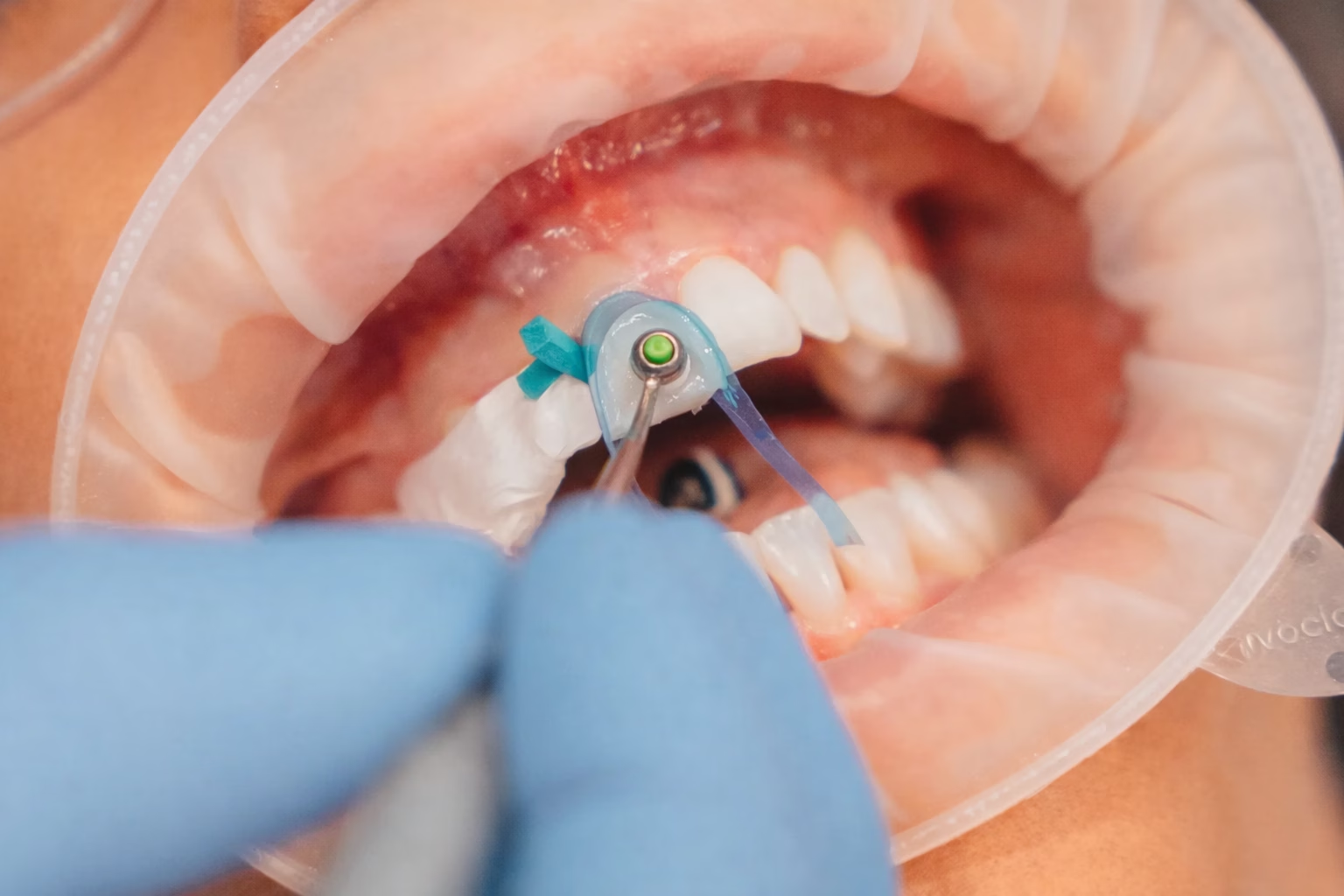
For mild cases, your dentist might suggest a professional fluoride varnish. Think of it as a supercharged protective coating that strengthens the remaining enamel and helps ease any sensitivity. Another great option is dental bonding, where a tooth-coloured resin is moulded onto the worn spots to shield the vulnerable areas and rebuild the tooth’s original shape.
When erosion has gone further and starts to affect how your smile looks, cosmetic treatments can be a game-changer. They don’t just improve aesthetics; they give your teeth a brand-new, durable surface for protection.
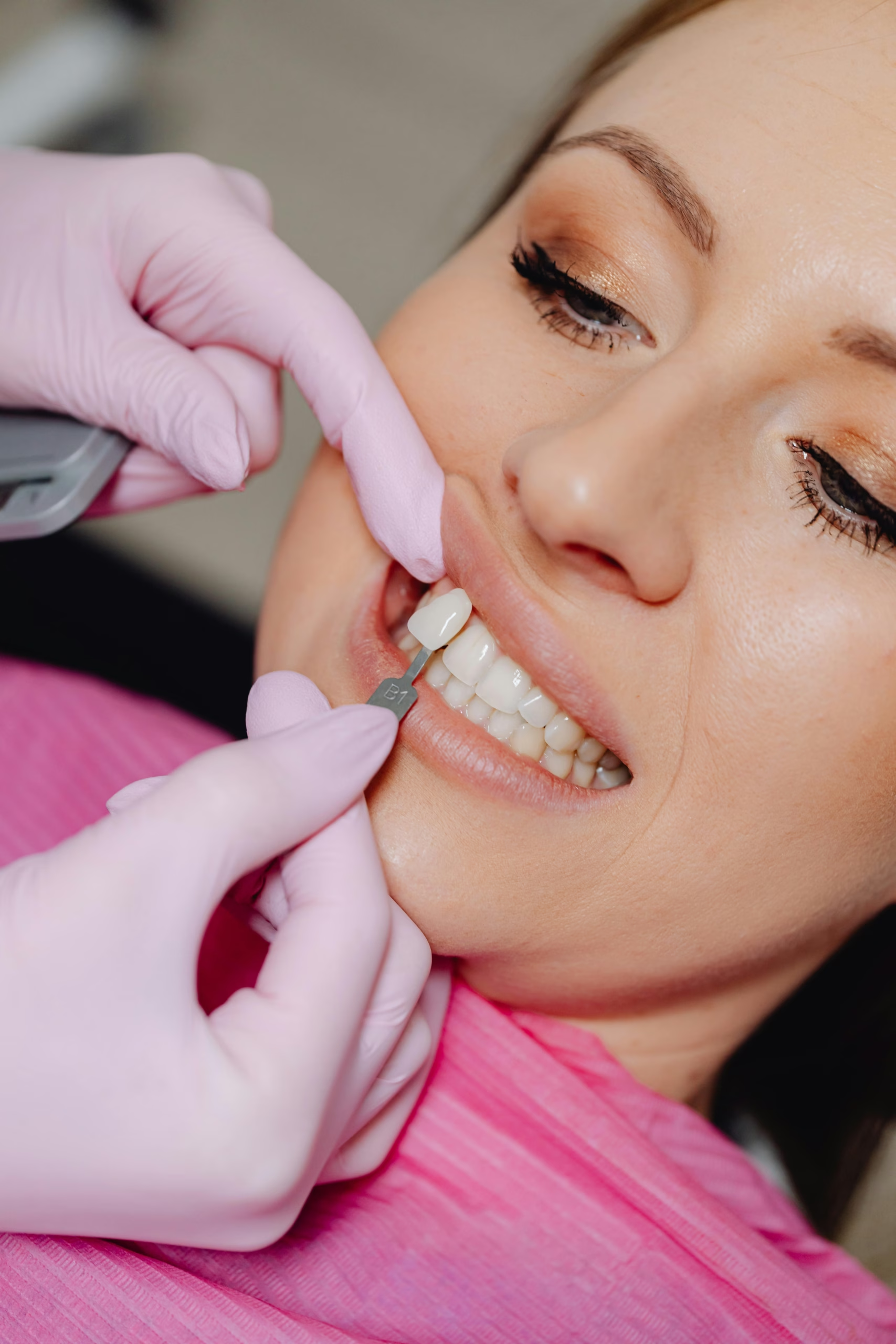
Two of the most reliable and popular solutions are veneers and crowns. Veneers are wafer-thin, custom-made porcelain shells that fit over the front of your teeth, while crowns cover the entire tooth like a cap. Both are brilliant for fixing the discolouration, chips, and uneven surfaces that erosion leaves behind, giving you a strong and beautiful result.
Trying to figure out the best path forward can feel a bit daunting, but it doesn’t have to be. Toothfairy simplifies the process, making it easier and more affordable to get professional cosmetic advice. If you’re thinking about a smile makeover to repair erosion damage or even considering teeth straightening, our virtual consultations connect you with experienced dentists. They can assess your situation, walk you through your options, and help you map out a plan for a healthy, confident smile—all without the usual expense and hassle.
Frequently Asked Questions About Enamel Erosion
We’ve covered a lot of ground on what causes enamel erosion, from the acids in our food and drink to habits like teeth grinding. But it’s only natural to have a few more questions. Let’s tackle some of the most common ones we hear from our patients.
Can Enamel Grow Back or Be Repaired Naturally?
This is a big one, and the short answer is no. Once tooth enamel is physically gone, your body can’t regenerate it. Unlike our bones, enamel doesn’t contain any living cells, so it lacks the ability to heal itself.
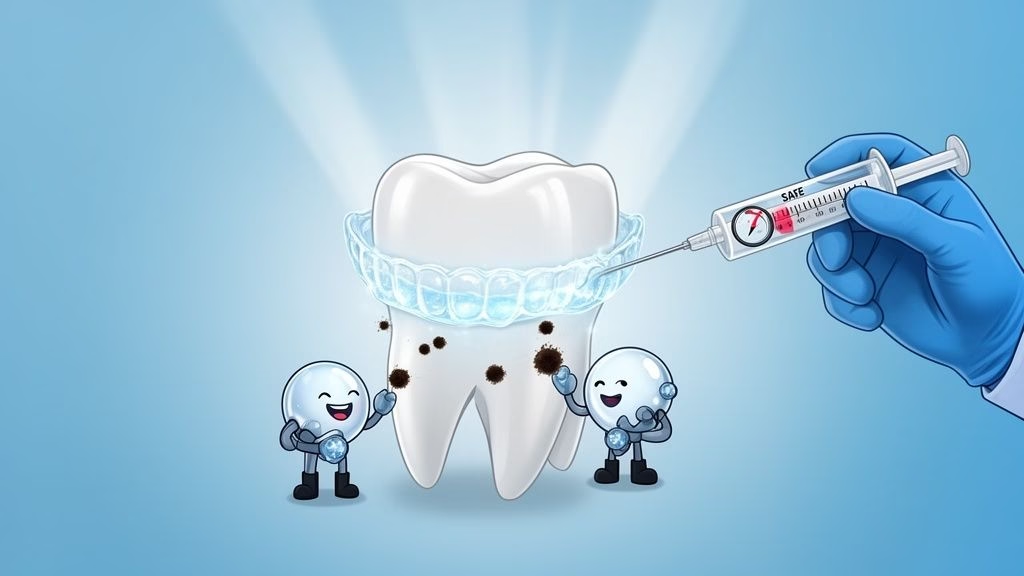
However, there’s a crucial window of opportunity. In the very early stages of an acid attack, a process called demineralisation, your enamel can be strengthened. This is done through remineralisation, where minerals are redeposited back onto the tooth surface. This is precisely why your daily oral hygiene routine, especially using a good fluoride toothpaste, is so important—it helps reverse the damage before it becomes permanent.
Are Sugar-Free Drinks a Safe Bet for My Enamel?
Not necessarily. It’s a common misconception. While swapping sugary drinks for sugar-free alternatives is a great move for preventing cavities, many of these “diet” or “zero sugar” drinks are still packed with acids.
Things like citric acid and phosphoric acid are often added for that tangy flavour and to act as a preservative. These are the real culprits behind enamel erosion. So, a sugar-free drink can still be highly acidic and just as damaging to your enamel over time. Always check the ingredients for acids, not just sugar.
A common mistake is assuming “diet” or “zero sugar” automatically means tooth-safe. The erosive potential often comes from the acids used to give these drinks their characteristic tangy flavour, making them just as risky as their sugary counterparts.
How Does a Virtual Dentist Help with Enamel Erosion?
Think of a virtual dental consultation as your first line of defence. It’s a convenient and affordable way to get a professional opinion on your concerns, all without leaving your home. It’s perfect for getting ahead of problems like enamel erosion.
With the Toothfairy app, you can easily:
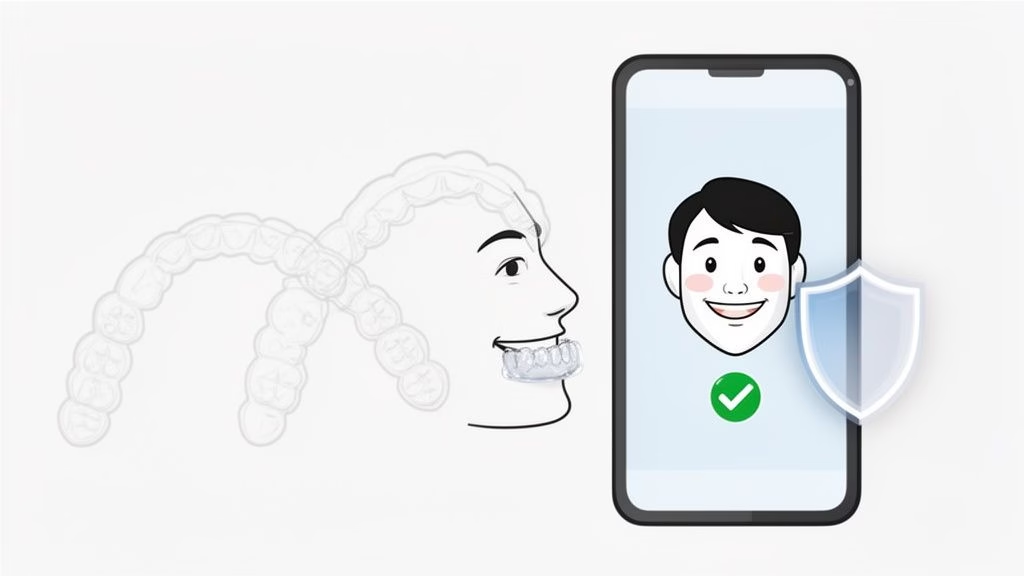
- Show, not just tell: Use your phone’s camera to show a dentist exactly what you’re worried about during a secure video call.
- Talk it through: Discuss your diet, lifestyle, and symptoms in detail to help pinpoint the likely causes.
- Get personalised advice: Receive a professional assessment and a clear action plan right there and then.
Our virtual dentists can recommend specific products like high-fluoride toothpastes or special mouthwashes to help protect your teeth. They can also tell you if you need to pop in for an in-person visit for treatments like bonding or veneers. They can even discuss cosmetic options like teeth straightening if erosion has changed the look of your smile, making expert care more accessible than ever.
Ready to take the first step in protecting your smile? Get a professional assessment from home with a Toothfairy on-demand consultation. It’s the convenient, affordable way to get expert advice on enamel erosion, cosmetic dentistry, and more.
Book Your Virtual Consultation Today
Last updated on March 5, 2026

Toothfairy Care Team
Toothfairy, is the world's smartest dental app, that connects patients to a dentist for a range of issues, from emergencies, cosmetics, prescriptions to virtual exams.
Toothfairy Care Team
Toothfairy, is the world's smartest dental app, that connects patients to a dentist for a range of issues, from emergencies, cosmetics, prescriptions to virtual exams.