Interproximal Reduction (IPR): What It Is & What to Expect
Interproximal Reduction (IPR): What It Is & What to Expect?
If you’re starting orthodontic treatment, especially with clear aligners or braces, your dentist or orthodontist might mention Interproximal Reduction (IPR). While the name sounds technical, the procedure is simple, safe, and very common. This quick guide will help you feel informed and ready.
What Is IPR?
Interproximal Reduction is a precise orthodontic procedure. It is the gentle polishing of tiny, measured amounts of enamel from the sides of selected teeth.
The Amount: Only a fraction of a millimetre is removed. Usually, between 0.2 and 0.5 millimetres of space is created per tooth. This is just enough to help teeth move into their ideal, final positions.
The Alternative: IPR is often the preferred choice for mild to moderate crowding because it helps us avoid tooth extraction, allowing you to keep all your natural teeth.
Why Is IPR Done?
Your dentist may recommend IPR to:
Create Space for Crowded Teeth: This is the main function. It gives crowded teeth the room they need to straighten out safely.
Improve the Bite: It ensures your upper and lower teeth fit together properly when you close your jaw, leading to a stable and healthy bite.
Prevent Protrusion: By creating space further back, it helps prevent teeth (especially incisors) from protruding forward during the straightening process.
Refine Tooth Shape: It can also be used to improve the overall aesthetics and contact points between teeth.
Is It Safe & Will It Harm My Teeth?
Yes, it is highly safe.
Enamel is very strong, and removing a very small, carefully measured amount does not weaken the tooth or put it at long-term risk, provided it is performed by a qualified professional. The process is precise, planned, and confirmed with initial X-rays to ensure sufficient enamel is present.
Does It Hurt?
Most people feel only light pressure or vibration, similar to dental polishing, when the dentist uses thin strips or discs, because enamel has no nerves. IPR should not be painful.
You may experience a slight, temporary sensitivity, which is normal for some patients, usually lasting only a day or two.
What Happens During the Appointment?
IPR is a quick procedure – usually 5–10 minutes in total.
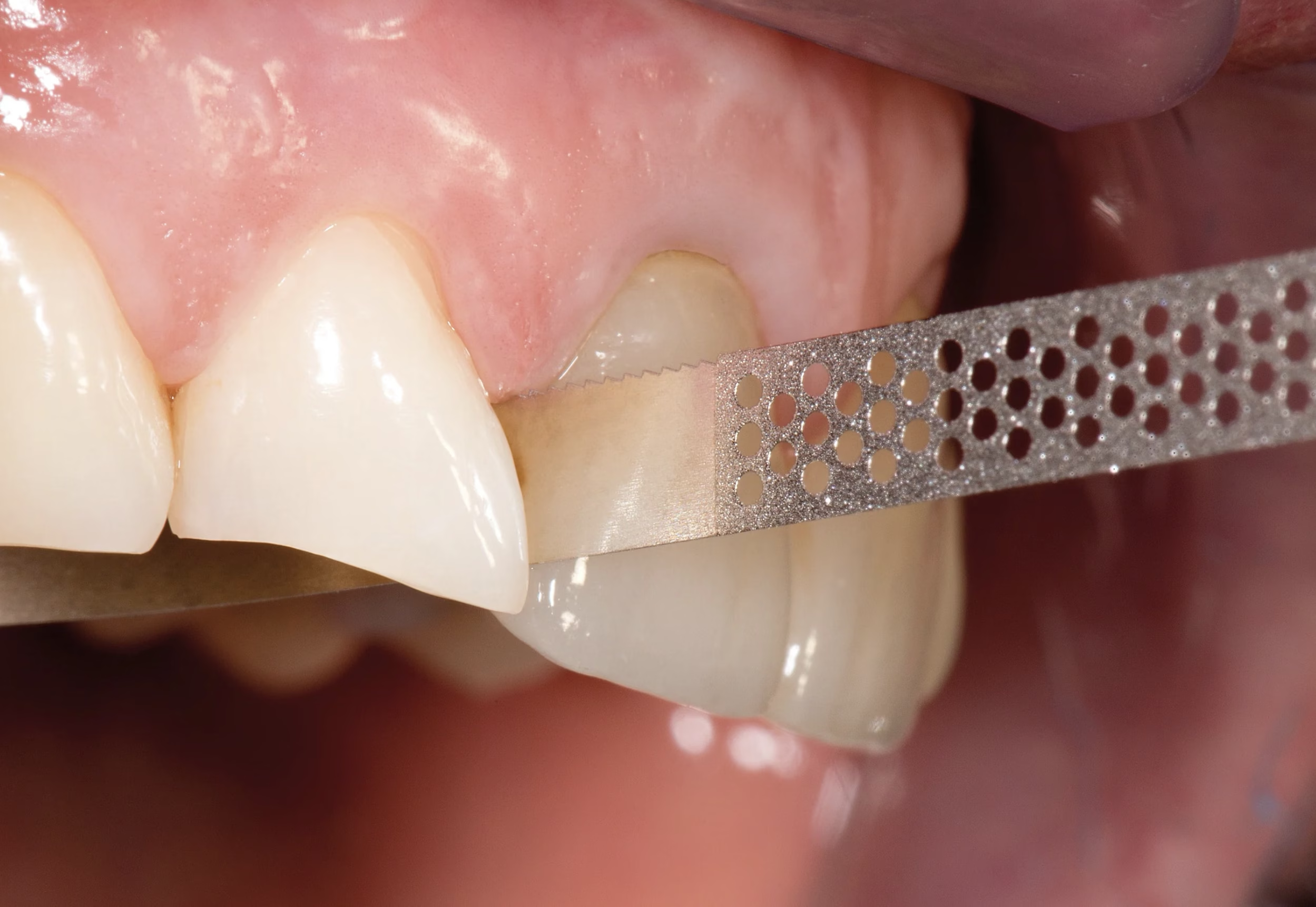
Your dentist will use thin, handheld abrasive strips (like heavy floss) or small rotary discs to carefully create the planned space.
After the reduction, the teeth are smoothed and checked for accuracy using precise measuring tools.
You can eat and speak normally right away.
How to Prepare & Aftercare
There’s not much special preparation or aftercare needed:
Before: Brush and floss thoroughly before your visit.
After: Things may feel slightly different for a day or two, but there are no restrictions. Regular brushing and flossing are all you need.
Should You Go Ahead With IPR?
If your orthodontist recommends IPR, it’s because it is the best clinical step to help your teeth move safely, improve your bite stability, and support a better, healthier, long-term result. It’s a small step that makes a big difference in the success of your overall treatment.
For more information and guidance, send us a message via Toothfairyapp.
Last updated on December 4, 2025

Toothfairy Care Team
Toothfairy, is the world's smartest dental app, that connects patients to a dentist for a range of issues, from emergencies, cosmetics, prescriptions to virtual exams.
Toothfairy Care Team
Toothfairy, is the world's smartest dental app, that connects patients to a dentist for a range of issues, from emergencies, cosmetics, prescriptions to virtual exams.