12 Proven Strategies for Improving Workplace Productivity in 2026
In today’s competitive landscape, improving workplace productivity is more than a goal; it’s a critical driver of business success. But beyond just working harder, the key lies in working smarter. This involves a holistic approach that combines intelligent leadership, robust processes, modern technology, and a deep commitment to employee well-being. For any business, from agile tech start-ups to established healthcare providers, optimising every aspect of operations is paramount.
True productivity isn’t about maximising hours; it’s about maximising output and impact. This requires creating an environment where employees are focused, motivated, and equipped with the right tools and support to perform at their best. It also means recognising that personal well-being is directly linked to professional performance. When an employee is distracted by a sudden dental emergency, for example, their focus inevitably suffers. Proactive support systems, such as accessible workplace dental benefits that offer immediate care, become a powerful, yet often overlooked, tool for maintaining team efficiency. For a comprehensive perspective on cultivating a high-performing team, explore these essential tips on Achieving Peak Productivity: Tips for HR Management.
This article moves beyond generic advice to provide a comprehensive roundup of 12 proven strategies designed to deliver tangible results. We will explore actionable methods like Time-Blocking, the Eisenhower Matrix, and implementing Objectives and Key Results (OKRs). You will learn how to leverage technology for automation, foster a culture of deep work, and understand the crucial role of employee wellness in sustaining high performance. Each point is designed to be a practical, implementable step towards building a more efficient, engaged, and resilient workforce.
1. Time-Blocking and Schedule Optimisation
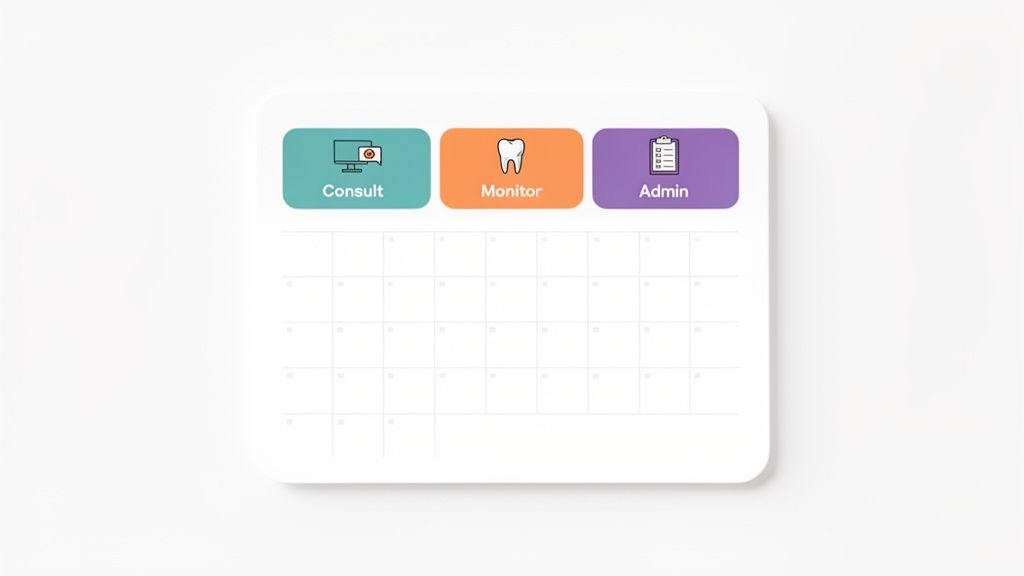
Time-blocking is a powerful method for improving workplace productivity by dedicating specific, uninterrupted blocks of time to individual tasks. Popularised by productivity experts like Cal Newport, this approach involves proactively scheduling your entire day rather than reacting to demands as they arise. By assigning every minute a purpose, teams can eliminate distractions, foster deep work, and ensure high-priority activities receive the attention they deserve. This systematic scheduling transforms a reactive workday into a proactive, focused session, driving significant efficiency gains.
Why It Works
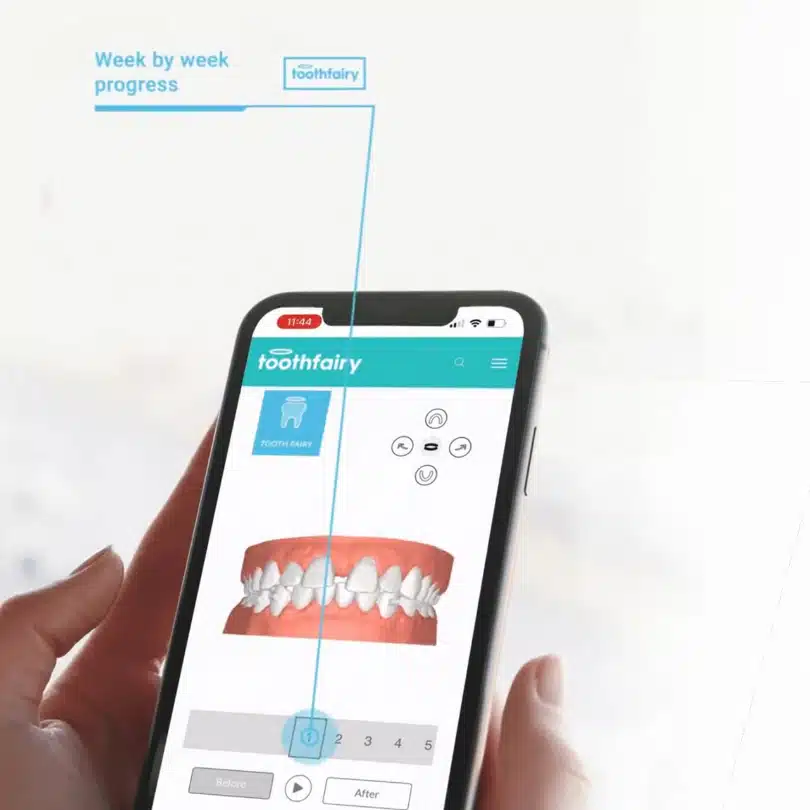
For service-oriented professionals, particularly in healthcare, time-blocking is essential. For example, dentists using the Toothfairy platform manage a varied caseload, from virtual consultations and emergency dental care to monitoring teeth straightening progress. A time-blocked schedule ensures each area gets adequate focus. A dentist might allocate a morning block for new patient video consultations when they are most alert, an afternoon block for reviewing treatment scans for aligner treatments, and a dedicated hour for administrative follow-ups.
How to Implement Time-Blocking
Implementing this strategy is straightforward with digital calendars like Google Calendar or Outlook.
- Allocate Task-Specific Blocks: Schedule focused time for different work categories. For instance, a dental professional might block 9-11 am for
New Patient Consultationsand 2-4 pm forAligner Progress Monitoring. - Buffer Your Time: Add 15-minute buffers between blocks. This allows for transitions, unexpected queries, or a short break, preventing burnout and schedule overruns.
- Prioritise High-Energy Tasks: Schedule cognitively demanding work, like complex cosmetic treatment planning, during your peak concentration hours. Reserve lower-energy periods for administrative tasks.
- Include Wellness: Block time for employee wellbeing, such as scheduling a virtual dental check-up through a workplace dental benefits programme like Toothfairy, ensuring personal health isn’t overlooked.
2. The Pomodoro Technique
The Pomodoro Technique is a time management method that enhances focus by breaking work into dedicated, short intervals. Developed by Francesco Cirillo in the late 1980s, the approach uses a timer to structure work into 25-minute focused sessions, known as “pomodoros,” separated by short breaks. After four pomodoros, a longer break is taken. This cyclical system combats mental fatigue and procrastination, making it a simple yet powerful tool for improving workplace productivity, especially in roles requiring sustained concentration.
Why It Works
For professionals juggling multiple responsibilities, the Pomodoro Technique prevents multitasking and encourages single-tasking. For instance, a Toothfairy dental professional managing patient care can dedicate one pomodoro to reviewing a new patient’s intraoral scans for a clear aligner treatment plan, another to documenting treatment notes, and a third to responding to patient queries via the app. This compartmentalisation ensures each task receives full attention, improving accuracy and care quality. The built-in breaks help maintain high energy levels throughout a demanding day of virtual consultations.
How to Implement The Pomodoro Technique
Integrating this method into a daily routine is achievable with simple tools and a structured approach.
- Batch Similar Tasks: Group comparable activities, like answering patient emails or updating treatment records, into a series of pomodoros to maintain a consistent workflow and cognitive rhythm.
- Protect Your Pomodoros: Treat your 25-minute focus intervals as non-negotiable meeting times. Turn off notifications and communicate your unavailability to colleagues to minimise interruptions.
- Customise Interval Lengths: While 25 minutes is standard, adjust the duration based on the task. A complex case review might require a longer focus block, while quick administrative updates may fit into shorter 15-minute bursts.
- Use Breaks Wisely: Use the 5-minute breaks for activities that detach you from work, such as stretching, grabbing a glass of water, or simply looking away from your screen to reduce eye strain.
3. Priority Matrix (Eisenhower Matrix)
The Priority Matrix, famously known as the Eisenhower Matrix, is a powerful decision-making framework for improving workplace productivity by organising tasks based on urgency and importance. Popularised by Stephen Covey, it divides work into four distinct quadrants: urgent/important, important/not urgent, urgent/not important, and neither. This approach helps individuals and teams move beyond reacting to immediate demands and instead focus their energy on activities that deliver the greatest long-term value. By systematically categorising tasks, professionals can gain clarity, reduce stress, and ensure critical objectives are never overlooked.
Why It Works
This framework is highly effective in high-stakes environments like healthcare, where prioritisation is critical. For dental professionals using the Toothfairy platform, the matrix provides a clear system for managing diverse responsibilities. An urgent request for emergency dental care is a clear Quadrant I task (Do First), while scheduling a routine check-in for a patient’s clear aligner journey falls into Quadrant II (Schedule). This prevents important, non-urgent work like long-term cosmetic treatment planning from being consistently pushed aside by less critical but more immediate demands, ensuring a balanced and proactive approach to patient care.
How to Implement the Priority Matrix
Integrating this matrix into your workflow is simple with modern digital tools or a basic notepad.
- Categorise Your Tasks: Draw the four quadrants and place each task in the appropriate box. A Toothfairy dentist would place an
Emergency Consultationin Quadrant I andReviewing Aligners Progressin Quadrant II. - Delegate and Eliminate: Tasks in Quadrant III (Urgent, Not Important), like routine administrative queries, should be delegated. Quadrant IV tasks (Neither) should be eliminated to free up focus.
- Focus on Quadrant II: The key to sustained productivity is dedicating significant time to important but not urgent activities. This includes professional development, strategic planning, and preventative patient care, which reduces future emergencies.
- Review and Adapt: Revisit your matrix weekly or daily to re-prioritise tasks as circumstances change, ensuring your efforts remain aligned with strategic goals.
4. Batch Processing and Task Batching
Batch processing is a productivity strategy focused on grouping similar tasks and completing them together in a single, dedicated session. Popularised by authors like Tim Ferriss, this method directly combats the inefficiency of context switching, the mental drain that occurs when your brain moves between different types of work. Instead of handling administrative tasks, patient calls, and treatment reviews randomly, batching creates focused blocks for each activity. This approach is fundamental to improving workplace productivity by minimising interruptions and maximising cognitive resources.
Why It Works
For modern dental platforms like Toothfairy, task batching is a game-changer. A clinician’s day involves diverse activities, from urgent virtual consultations for dental emergencies to routine progress monitoring for teeth straightening patients. Batching allows a dentist to handle all treatment plan assessments in one block, using the same software and mental framework. This prevents the constant gear-shifting required to move from a high-stakes emergency call to a routine check-in, preserving mental energy and ensuring higher-quality focus for every patient interaction.
How to Implement Task Batching
You can easily integrate this method into your existing workflow using digital scheduling tools.
- Group Similar Work: Designate specific windows for homogeneous tasks. For example, schedule all new patient cosmetic consultations on Monday mornings and all aligner progress reviews on Wednesday afternoons.
- Establish Communication Batches: Instead of reacting to emails and messages instantly, set aside two or three specific times per day to process them all at once.
- Create Themed Days: Assign a theme to each day. Tuesdays could be dedicated to treatment planning and administrative follow-ups, while Thursdays could be reserved for live video consultations.
- Automate Batch Assignments: Use scheduling software to automatically group appointments by type, such as directing all emergency enquiries to dedicated urgent-care windows, ensuring streamlined operations.
5. Deep Work and Focused Work Sessions
Deep work, a concept popularised by author Cal Newport, is the practice of focusing without distraction on a cognitively demanding task. It involves allocating extended, uninterrupted periods to activities that require intense concentration, pushing your cognitive capabilities to their limit. By eliminating the constant stream of emails, messages, and meetings, deep work sessions enable professionals to produce higher-quality outcomes in less time. This approach is fundamental to improving workplace productivity, especially in roles requiring complex problem-solving and creativity.

Why It Works
In fields like digital dentistry, deep work is a game-changer. A Toothfairy dental professional designing a complex teeth straightening plan requires absolute focus to analyse 3D scans, predict tooth movements, and ensure optimal clinical results. A single deep work session allows them to complete this intricate planning without context-switching, reducing the chance of errors and delivering a superior treatment strategy compared to working amidst constant interruptions. This focused effort leads to better patient outcomes and greater professional satisfaction.
How to Implement Deep Work
Integrating deep work requires a deliberate effort to protect your focus and create a conducive environment.
- Schedule Focus Blocks: Designate specific 60-90 minute slots in your calendar for deep work. A dentist might block out their morning to focus solely on
New Aligner Case Planning. - Eliminate Digital Distractions: Use apps like Freedom or Cold Turkey to block distracting websites and disable all non-essential notifications on your devices during these sessions.
- Create a Focus Ritual: Establish a pre-work routine to signal to your brain that it’s time to concentrate. This could be as simple as clearing your desk, putting on noise-cancelling headphones, and making a cup of tea.
- Establish Clear Boundaries: Communicate your deep work schedule to colleagues and set up an “emergency-only” contact method, ensuring you remain undisturbed for high-value tasks.
6. The Two-Minute Rule
The Two-Minute Rule is a simple yet highly effective principle for improving workplace productivity, popularised by author David Allen. The concept is straightforward: if a task takes less than two minutes to complete, you should do it immediately rather than deferring it. This prevents an accumulation of small, nagging tasks that can create mental clutter and overwhelm your to-do list. By tackling these quick jobs on the spot, you maintain momentum and keep your workflow streamlined, preventing minor responsibilities from becoming major distractions later.
Why It Works
In a fast-paced environment like digital healthcare, small administrative tasks can quickly pile up. For the team at Toothfairy, this rule is invaluable. A support team member can instantly respond to a simple patient query about their clear aligner plan or confirm an appointment for an emergency dental consultation. This immediate action not only clears their own task list but also enhances the patient experience by providing prompt and efficient service. It turns minor administrative duties into opportunities to build positive momentum throughout the day.
How to Implement The Two-Minute Rule
Integrating this rule into your daily routine requires a shift in mindset towards immediate action.
- Identify Quick Tasks: As emails, messages, or requests come in, ask yourself: “Can this be done in under two minutes?” If yes, do it now. This could be replying to a confirmation text or adding a quick note to a patient’s file.
- Avoid Deferring: Resist the urge to add a two-minute task to your list for later. Completing it immediately frees up mental energy that would otherwise be spent remembering to do it.
- Protect Deep Work: Be mindful not to let two-minute tasks interrupt scheduled blocks of deep work. Address them before or after focused sessions to maintain concentration.
- Handle Brief Communications: Use this rule for quick team check-ins or clarifications via instant messaging, ensuring communication flows without creating unnecessary delays or follow-ups.
7. Goal Setting and OKRs (Objectives and Key Results)
Goal setting through the OKR (Objectives and Key Results) framework provides a clear, structured way to align company-wide ambitions with individual efforts, dramatically improving workplace productivity. Popularised by tech giants like Google and Intel, this methodology involves setting ambitious, qualitative goals (Objectives) and defining specific, measurable benchmarks to track their achievement (Key Results). This clarity ensures every team member understands how their work contributes directly to the organisation’s strategic priorities, fostering a culture of purpose and accountability.
Why It Works
For a fast-paced health-tech company like Toothfairy, OKRs are vital for organising innovation and service delivery. They allow teams to focus on impactful outcomes rather than just daily tasks. For instance, an objective to “Maximise emergency dental response effectiveness” is not just a vague goal. It is supported by key results like achieving a sub-30-minute response time for urgent queries and increasing emergency call volume by 40%, ensuring the team is aligned on what success truly looks like.
How to Implement OKRs
Integrating OKRs into your workflow requires a disciplined, cyclical approach.
- Define Ambitious Objectives: Set 3-5 high-level, inspirational company objectives per quarter. An example could be, “Become the UK’s most trusted virtual dental care provider.”
- Establish Measurable Key Results: For each objective, define 3-5 quantitative KRs. For the objective above, KRs might include “Achieve a 95% patient satisfaction score” or “Increase new patient sign-ups for cosmetic dentistry consultations by 25%.”
- Cascade and Align: Break down company OKRs into aligned goals for each department and team. The marketing team’s KRs will differ from the clinical team’s, but both will support the same top-level objective.
- Track and Review Regularly: Use weekly or bi-weekly check-ins to monitor progress. This creates transparency and allows teams to adapt their tactics if a key result is off-track, fostering an agile work environment.
8. Delegation and Empowerment
Delegation is a core management strategy for improving workplace productivity by entrusting tasks and decision-making authority to capable team members. Popularised by management experts like Peter Drucker, this approach shifts responsibility from a single leader to the broader team, fostering autonomy and engagement. Instead of centralising every task, empowerment allows employees to take ownership, which frees up senior staff to focus on high-value, strategic activities that drive business growth and innovation. This distribution of work not only speeds up processes but also builds a more resilient and skilled workforce.
Why It Works
In a fast-paced environment like a modern dental service, delegation is crucial. For Toothfairy, this means empowering the entire clinical team to work at the top of their professional licences. Dental hygienists and therapists can be trained to handle routine aligner monitoring and initial patient assessments under a dentist’s supervision. This allows dentists to dedicate their expertise to complex cosmetic cases, treatment planning, and urgent dental emergencies, ensuring a more efficient and responsive service for patients. This model improves patient flow and maximises the unique skills of each team member.
How to Implement Delegation
Effectively implementing delegation requires trust, clear communication, and structured processes.
- Start with Low-Risk Tasks: Begin by delegating smaller, well-defined responsibilities, such as having administrative staff manage appointment reminders or follow-ups, to build confidence.
- Provide Clear Guidelines: Create written procedures and provide comprehensive training for all delegated tasks. For example, establish clear protocols for when a customer service issue needs to be escalated.
- Define Authority Levels: Clearly communicate the scope of decision-making power. A team member should know precisely what they can resolve independently versus what requires senior approval.
- Use as a Development Tool: Frame delegation as an opportunity for professional growth. Providing regular feedback and celebrating successes helps build skills and motivates the team.
9. Technology Automation and Software Tools
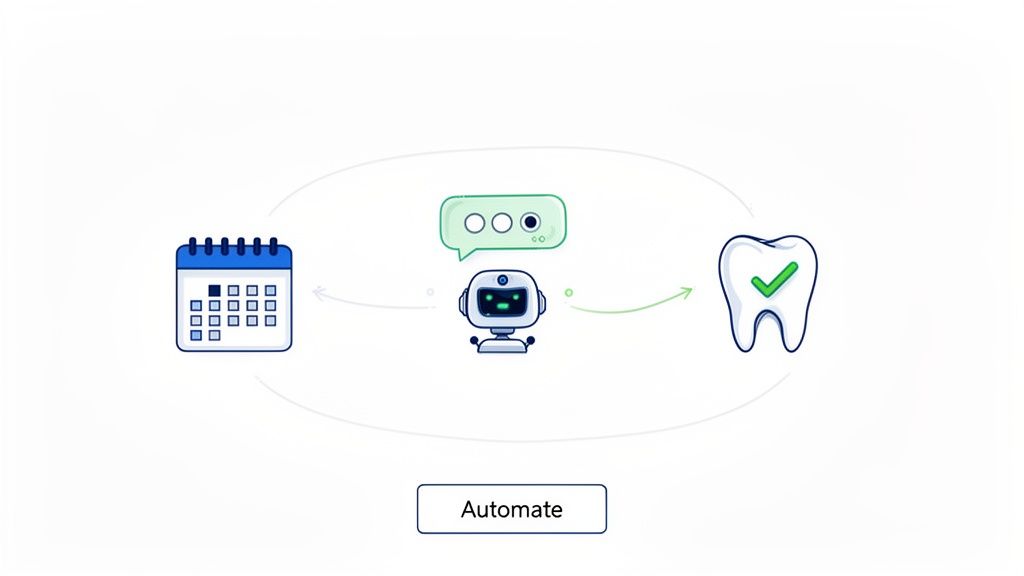
Strategic automation is a cornerstone of improving workplace productivity, involving the use of software and apps to eliminate repetitive manual work and streamline complex processes. By delegating high-volume, low-value tasks to technology, teams can reclaim valuable time to focus on strategic, creative, and client-facing activities. This shift from manual execution to automated workflows not only boosts efficiency but also reduces human error, ensuring greater accuracy and consistency in business operations.
Why It Works
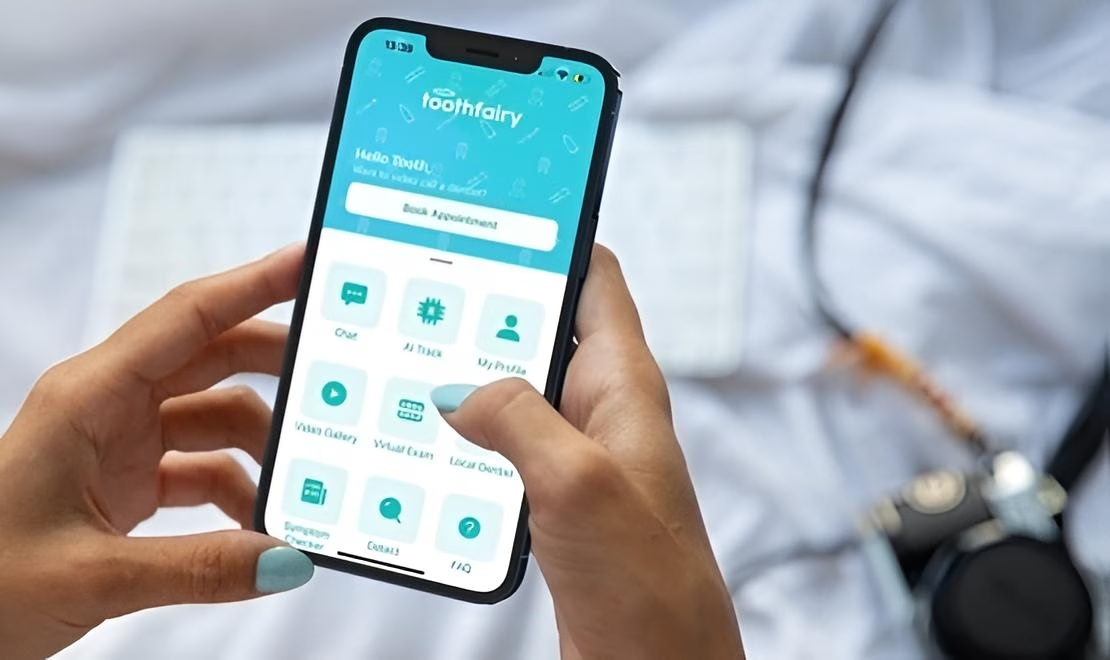
In the health-tech sector, automation is transformative. For instance, the Toothfairy platform leverages technology to significantly reduce the administrative burden on dental professionals. Features like automated patient reminders minimise no-shows for virtual consultations, while its patented virtual monitoring technology automates the tracking of clear aligner progress. This allows dentists to manage a larger caseload efficiently, focusing their expertise on patient care rather than administrative follow-ups, making professional dental care more accessible and affordable.
How to Implement Automation
Integrating technology effectively requires a strategic approach.
- Audit and Identify: Begin by auditing current workflows to pinpoint repetitive, time-consuming tasks. Focus first on high-volume activities like data entry, scheduling, or generating standard reports.
- Select Integrated Tools: Choose software that integrates smoothly with your existing systems. Platforms like Zapier or Make can connect different apps, creating seamless data flows between a CRM and accounting software, for example.
- Automate Communications: Use tools to automate routine communications. This could be an AI-powered chatbot handling initial patient enquiries or automated email follow-ups for post-consultation care.
- Train and Monitor: Provide thorough training to ensure your team can use new tools effectively. Continuously monitor the performance of automated processes to identify and resolve any exceptions, ensuring quality is maintained.
10. Employee Wellness and Break Optimisation
Improving workplace productivity is not just about tools and processes; it is fundamentally about people. Employee wellness and break optimisation recognise that a healthy, well-rested team is a high-performing one. This strategy focuses on creating a supportive environment where physical and mental health are prioritised, leading to increased focus, reduced burnout, and greater engagement. By investing in wellbeing, companies see a direct return in sustained output and innovation, as employees have the resilience to tackle demanding work.
Why It Works
High-stress professions, such as those in healthcare, demonstrate the clear link between wellness and performance. A dentist managing back-to-back virtual emergency consultations and detailed treatment plans requires peak concentration. Burnout directly compromises patient care and efficiency. Prioritising wellness ensures these professionals remain focused and empathetic. For instance, a dental practice using Toothfairy to manage remote care can implement structured breaks to prevent digital fatigue, ensuring their team delivers exceptional service consistently. This focus on wellbeing is a cornerstone of a productive modern workplace.
How to Implement Employee Wellness
Integrating wellness into the company culture requires a multi-faceted approach.
- Promote Regular Breaks: Encourage short, 5-10 minute breaks every hour to decompress. This is especially vital for roles involving intense screen time, like monitoring clear aligner scans.
- Provide Comprehensive Health Benefits: Offer benefits that address holistic health. Including a workplace dental benefits programme, like Toothfairy, ensures employees can access essential care without financial or time-related stress.
- Support Mental Health: Make mental health resources easily accessible, such as confidential counselling services or subscriptions to mindfulness apps.
- Create a Healthy Physical Environment: Offer ergonomic equipment like standing desks and create quiet spaces where employees can relax and recharge during the day.
11. Process Documentation and Standardisation
Process documentation involves creating detailed, standardised operating procedures (SOPs) to ensure every crucial task is performed consistently and efficiently. Inspired by methodologies like Toyota’s Kaizen and ISO standards, this approach eliminates guesswork and reduces errors by providing a clear, repeatable framework for work. By systemising workflows, teams can streamline onboarding, facilitate effective delegation, and maintain high-quality output, which is fundamental to improving workplace productivity. This turns ad-hoc activities into a reliable, organised system that supports scalable growth.
Why It Works
In high-stakes fields like healthcare, standardised processes are non-negotiable for safety and quality. For example, a dental platform like Toothfairy relies on documented protocols for everything from virtual emergency triage to remote monitoring for aligner treatments. A clear SOP for an initial consultation ensures every clinician asks the right diagnostic questions, while a standardised checklist for reviewing treatment progress prevents any patient’s case from being overlooked. This not only ensures consistent patient care but also frees up clinicians’ mental energy to focus on complex decision-making rather than procedural steps.
How to Implement Process Documentation
Creating effective documentation is a collaborative effort that can be managed with accessible tools like Notion, Confluence, or even Google Docs.
- Prioritise High-Impact Processes: Start by documenting the most frequent and critical tasks, such as patient intake or emergency response protocols.
- Use Visual Aids: Incorporate flowcharts, checklists, and visual diagrams to make complex procedures easy to understand. A decision tree for triaging dental emergencies is far more effective than a dense paragraph.
- Involve Your Team: Ask frontline staff to help create and refine the documentation. They understand the practical nuances and can ensure the SOPs are realistic and effective.
- Establish a Central Hub: Store all documentation in a single, easily accessible location. This ensures everyone is working from the most current version.
- Schedule Regular Reviews: Processes evolve. Build in a quarterly or bi-annual review cycle to update documents and ensure they remain relevant and accurate.
12. Regular Performance Review and Feedback Cycles
A systematic approach to ongoing employee feedback and performance assessment is a cornerstone of improving workplace productivity. Moving away from outdated annual reviews, modern organisations now favour frequent check-ins. This strategy provides timely feedback, addresses issues before they escalate, and supports continuous employee development. This regular dialogue ensures everyone is aligned with organisational goals and feels supported in their role, directly fuelling motivation and output.
Why It Works
For a service-driven platform like Toothfairy, regular feedback is crucial for maintaining high standards of care. A dental professional receives ongoing input on patient satisfaction scores from virtual consultations and the accuracy of treatment outcomes for clear aligner cases. This allows for immediate adjustments in communication or clinical approach, ensuring a consistently excellent patient experience. Adobe famously replaced its annual review process with frequent check-ins, leading to a significant increase in employee engagement and voluntary retention.
How to Implement Regular Feedback
Integrating frequent feedback cycles is a practical and high-impact strategy.
- Schedule Brief, Regular Check-ins: Implement weekly or bi-weekly 15-minute meetings focused on recent progress, upcoming priorities, and any roadblocks.
- Use Specific Data: Ground feedback in concrete examples and data. For instance, discuss a specific patient’s positive feedback or review a metric like emergency response time.
- Separate Performance and Pay: Keep conversations about development separate from compensation discussions to foster a more open and honest dialogue about growth.
- Promote Self-Reflection: Ask open-ended questions like, “What went well this week?” or “What challenges did you face?” to encourage employees to analyse their own performance.
- Use Structured Tools: Employ platforms like Lattice or 15Five to structure check-ins, document conversations, and track progress on development goals over time. To ensure your regular performance review and feedback cycles are truly effective, adopting the best practices for performance management is essential for boosting productivity and engagement.
12-Point Workplace Productivity Comparison
| Method | Implementation Complexity 🔄 | Resource Requirements ⚡ | Expected Outcomes 📊 | Ideal Use Cases 💡 | Key Advantages ⭐ |
| Time-Blocking and Schedule Optimisation | Moderate — requires planning, discipline 🔄 | Low — calendar tools, staff coordination ⚡ | More predictable schedules; reduced context-switching 📊 | Mixed patient consultations, treatment monitoring, and admin planning 💡 | Better focus, fewer appointment delays, improved work-life balance ⭐ |
| The Pomodoro Technique | Low — simple rules to adopt 🔄 | Minimal — timers or apps ⚡ | Short bursts of sustained focus; less procrastination 📊 | Customer service, administrative tasks, short consultations 💡 | Prevents burnout, easy to implement, sustainable rhythm ⭐ |
| Priority Matrix (Eisenhower Matrix) | Low–Moderate — regular reassessment needed 🔄 | Low — simple boards or apps ⚡ | Clear task prioritisation; fewer wasted efforts 📊 | Emergency triage vs routine monitoring, delegation decisions 💡 | Clarifies urgency vs importance; guides delegation ⭐ |
| Batch Processing and Task Batching | Moderate — requires scheduling and volume planning 🔄 | Moderate — scheduling tools, sufficient task volume ⚡ | Reduced switching costs; higher throughput 📊 | Grouping consultations, treatment monitoring, and email processing 💡 | Significant efficiency gains; consistent patient care delivery ⭐ |
| Deep Work and Focused Work Sessions | High — culture change and routine building 🔄 | Moderate — quiet spaces, distraction-blocking tools ⚡ | Higher-quality complex work and decisions 📊 | Treatment planning, complex case analysis, diagnostic review 💡 | Produces superior outcomes; accelerates expertise and innovation ⭐ |
| The Two-Minute Rule | Very Low — simple immediate-action rule 🔄 | Minimal — personal discipline, occasional timers ⚡ | Fewer small-task backlogs; faster responses 📊 | Quick patient replies, appointment confirmations, short notes 💡 | Reduces admin clutter; quick momentum-building wins ⭐ |
| Goal Setting and OKRs | High — alignment, measurement, governance 🔄 | High — planning cycles, tracking tools, leadership time ⚡ | Clear direction and measurable improvements across teams 📊 | Company-wide objectives (response time, satisfaction targets) 💡 | Aligns efforts, increases accountability, drives measurable progress ⭐ |
| Delegation and Empowerment | Moderate — training and authority frameworks 🔄 | Moderate — training programs, SOPs, supervision ⚡ | Increased capacity; faster local decision-making 📊 | Routine monitoring by hygienists; triage by nurses; customer service 💡 | Frees specialists, develops staff, reduces bottlenecks ⭐ |
| Technology Automation and Software Tools | High — integration, customisation, change management 🔄 | High — budget, IT resources, ongoing maintenance ⚡ | Eliminated repetitive work; 24/7 capabilities; analytics 📊 | Appointment automation, virtual monitoring, AI triage 💡 | Reduces errors, scales operations, improves responsiveness ⭐ |
| Employee Wellness and Break Optimisation | Moderate — program design and cultural buy-in 🔄 | Moderate — wellness budget, facilities, programs ⚡ | Lower burnout; higher retention and sustained productivity 📊 | High-stress shifts, long clinical days, emergency service teams 💡 | Improves health, focus, and retention; reduces absenteeism ⭐ |
| Process Documentation and Standardisation | Moderate–High — documentation and review cycles 🔄 | Moderate — time to create, tools (wiki/SOP platforms) ⚡ | Consistent care, easier onboarding, fewer errors 📊 | Emergency protocols, virtual consult SOPs, treatment checklists 💡 | Ensures quality, enables delegation and scale, improves compliance ⭐ |
| Regular Performance Review and Feedback Cycles | Moderate — regular cadence and manager training 🔄 | Moderate — manager time, feedback tools, data ⚡ | Faster improvement, higher engagement and accountability 📊 | Weekly/monthly quality checks, development plans, KPI reviews 💡 | Enables rapid course correction, supports development and retention ⭐ |
Building a Productive Future, One Strategy at a Time
The journey towards improving workplace productivity is not a sprint with a defined finish line; it is an ongoing marathon of strategic refinement and cultural development. Throughout this guide, we have explored a comprehensive toolkit of twelve powerful strategies, moving from individual time management techniques like the Pomodoro Technique and Deep Work to broader organisational frameworks such as OKRs and effective delegation. Each method, whether it’s the simple logic of the Two-Minute Rule or the structured clarity of the Eisenhower Matrix, offers a distinct pathway to enhanced efficiency and focus.
However, the most crucial insight is that these strategies are not isolated tactics. They are interconnected components of a holistic system. Implementing technology automation is far more effective when supported by clear process documentation, and empowering employees through delegation only succeeds within a culture that values regular feedback and transparent performance reviews. The goal is to create a symbiotic environment where optimised processes, smart tools, and empowered individuals work in harmony.
Key Takeaways for Sustainable Productivity
The central theme weaving through every point is the shift from a ‘busier is better’ mentality to a ‘smarter work’ philosophy. True productivity isn’t about logging more hours; it’s about maximising the impact of the hours worked.
A profound, yet often overlooked, aspect of this is the undeniable link between employee well-being and organisational output. A team member struggling with a health issue, such as debilitating dental pain, cannot perform at their best. This leads to presenteeism, where employees are physically at work but mentally distracted and inefficient, and ultimately to absenteeism. These hidden drains on productivity can silently undermine even the most sophisticated workflow optimisations.
This is where forward-thinking employee benefits become a strategic asset, not just a perk. Providing accessible and immediate support for real-life problems is a direct investment in your workforce’s capacity to perform. Modern benefits, like on-demand dental care, demonstrate a genuine commitment to employee health, which in turn fosters loyalty, reduces stress, and keeps your team focused on their objectives. Neglecting well-being is no longer a viable option for businesses serious about improving workplace productivity.
Your Actionable Next Steps
Embarking on this journey can feel overwhelming, but progress is built on incremental change. Avoid the temptation to overhaul everything at once. Instead, adopt a methodical approach:
- Assess and Identify: Start by identifying the most significant productivity bottleneck in your organisation. Is it inefficient meetings, unclear priorities, or recurring manual tasks? Use this article as a diagnostic tool.
- Select One or Two Strategies: Choose the techniques that directly address your identified bottleneck. If your team struggles with focus, introduce Time-Blocking or Deep Work sessions. If projects lack direction, implement a simplified OKR framework.
- Pilot and Measure: Implement your chosen strategies with a small team or on a specific project. Define what success looks like beforehand and track the results. Gather feedback and be prepared to adapt your approach.
- Champion Well-being: Simultaneously, review your current employee benefits. Are they truly meeting the modern needs of your workforce? Consider how you can remove barriers to essential healthcare, making a tangible impact on daily well-being and, by extension, productivity.
By systematically integrating these principles, you are not just implementing new rules; you are cultivating a resilient, efficient, and supportive culture. This commitment is the ultimate foundation for sustainable growth and a truly productive future.
Ready to make a strategic investment in your team’s health and focus? Discover how Toothfairy for Business provides on-demand emergency and cosmetic dental care, reducing absenteeism and ensuring your employees are at their best. Visit Toothfairy to learn how accessible dental benefits can become your company’s productivity superpower.
Last updated on January 23, 2026

Toothfairy Care Team
Toothfairy, is the world's smartest dental app, that connects patients to a dentist for a range of issues, from emergencies, cosmetics, prescriptions to virtual exams.
Toothfairy Care Team
Toothfairy, is the world's smartest dental app, that connects patients to a dentist for a range of issues, from emergencies, cosmetics, prescriptions to virtual exams.