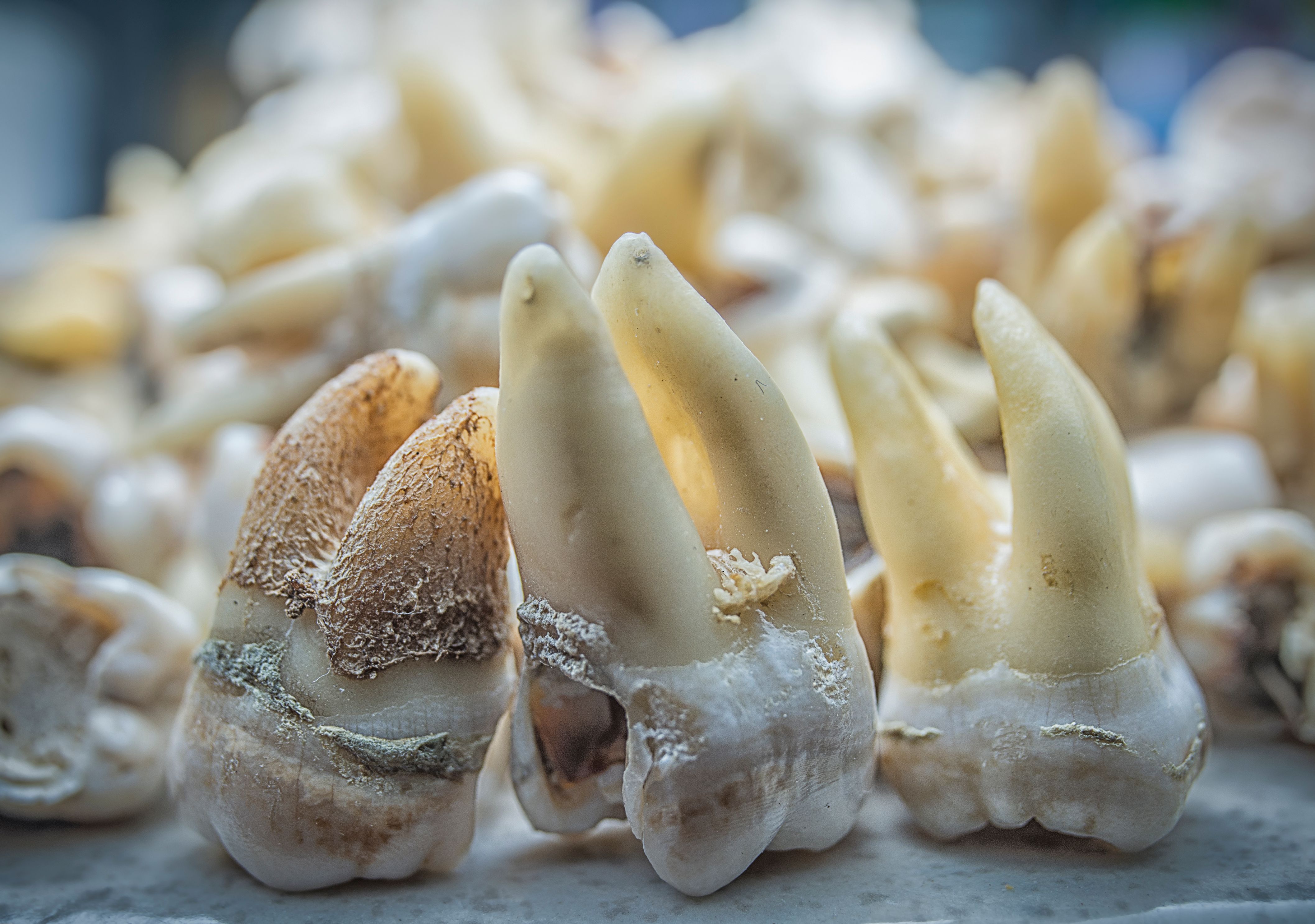
How to Reverse Tooth Decay Naturally A UK Guide
It's a question I get asked all the time: can you actually reverse a cavity? The short answer is yes, but with a massive catch. You can only reverse tooth decay in its absolute earliest stage, when the enamel is just starting to weaken.
This initial process is called demineralisation, and with the right approach to your diet and oral hygiene, you can often stop it in its tracks and even reverse the damage. Once that decay eats through the enamel and forms an actual hole, however, a trip to the dentist is non-negotiable.
The Window of Opportunity for Reversing Decay

When people talk about "natural" tooth decay reversal, it's easy to picture some unproven herbal remedy. The reality is far more scientific and boils down to one simple concept: the difference between a weakened spot and a full-blown cavity.
Think of your tooth enamel as a tightly packed mineral wall. Every time you eat or drink something sugary, the bacteria in your mouth have a feast and produce acid as a by-product. This acid slowly dissolves the minerals from the enamel, creating soft, porous spots. This is demineralisation.
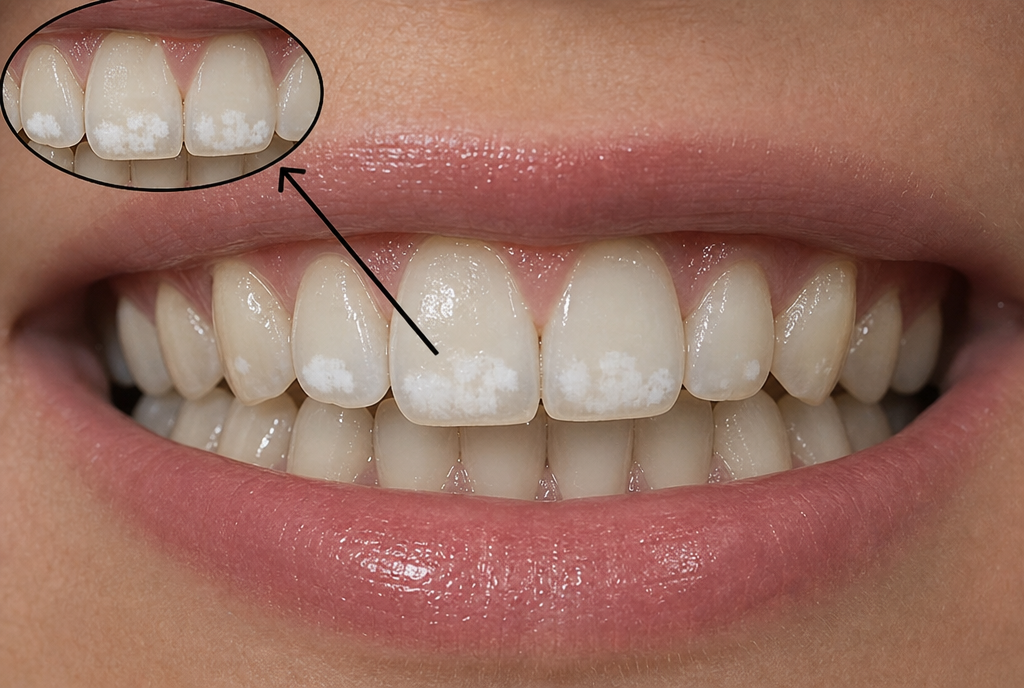
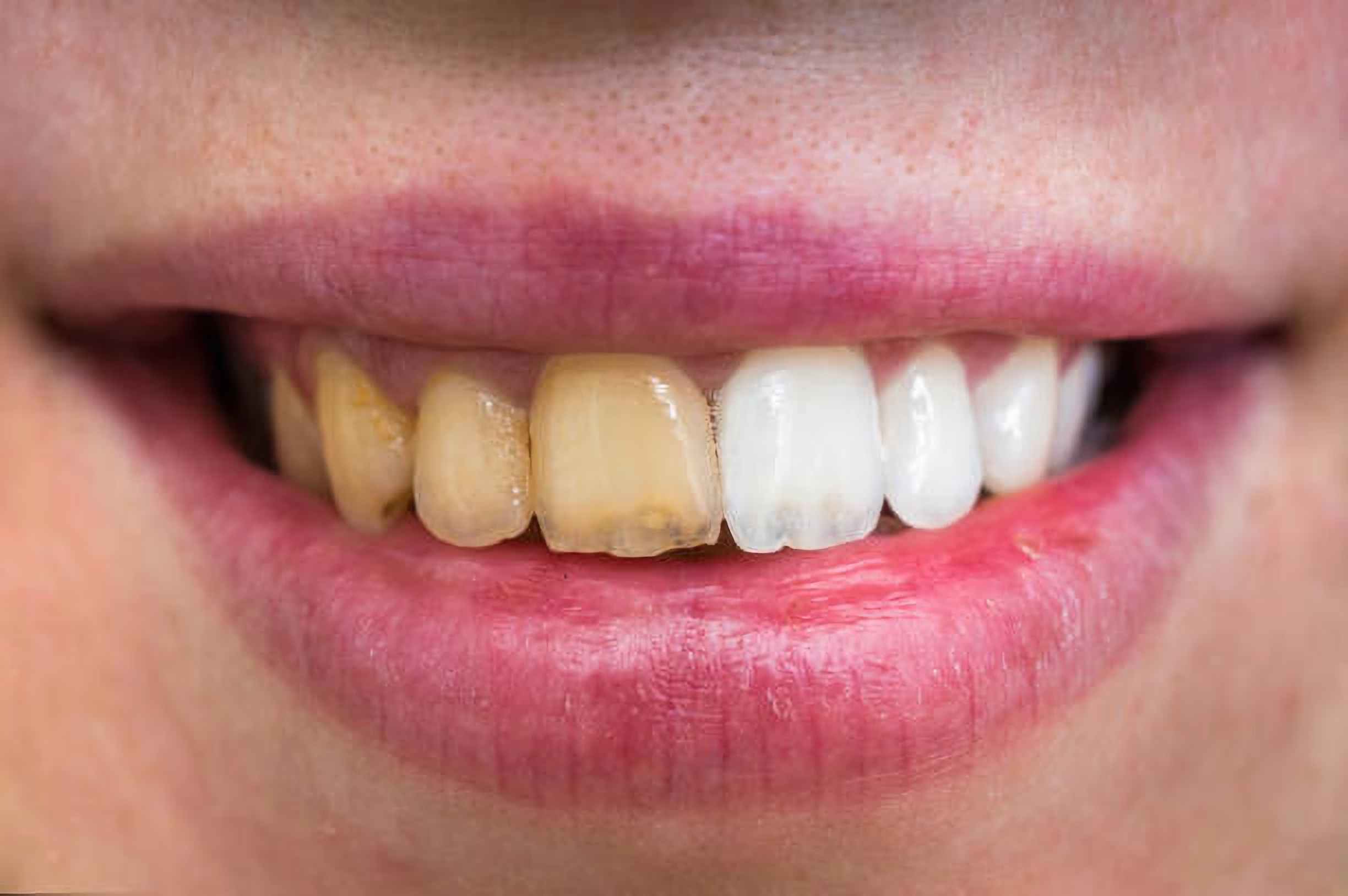
At this early stage, the damage is superficial. You might notice a faint, chalky-white mark on your tooth. The fundamental structure is still there, just weakened. This is your window of opportunity—the only point where your body, with a bit of help, can rebuild.
The Point of No Return
The moment that acid breaks through the surface and creates a physical hole, you have a cavity. From this point on, no amount of brushing, diet changes, or special mouthwash can magically regrow that lost tooth structure. The damage is done, and it requires a dentist to physically clean out the decayed tissue and restore the tooth with a filling.
The key is catching it early. Natural strategies are fantastic for supporting your body's own remineralisation process, but they can't fill a hole. Trying to self-treat an established cavity will only lead to bigger problems like infection, agonising pain, and potentially losing the tooth altogether.
Why You Can't Afford to Guess
So, how can you tell if that white spot is reversible demineralisation or the beginning of a cavity? The honest answer is, you probably can't—not with any certainty, anyway. A harmless-looking mark on the surface could be hiding more advanced decay underneath.
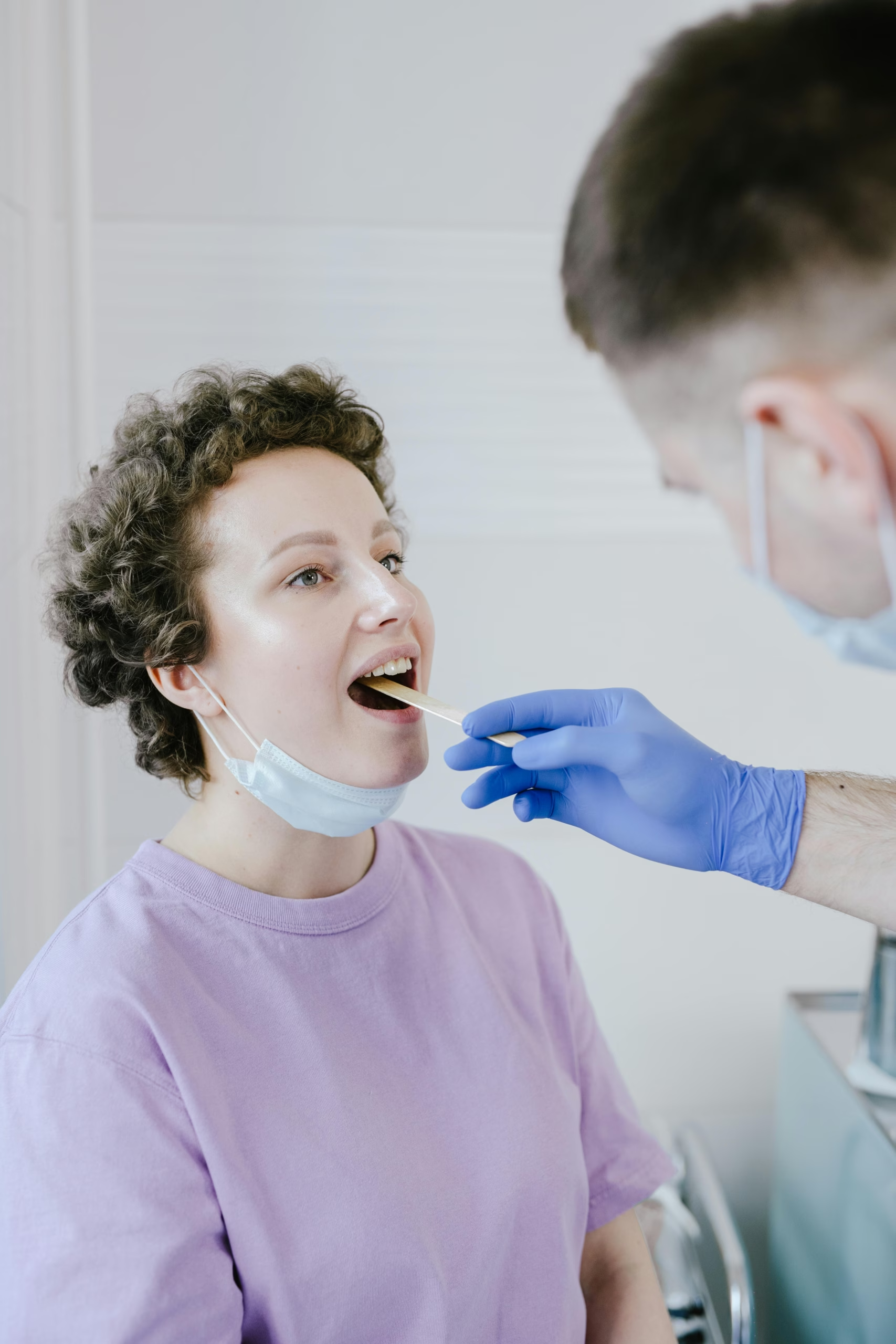
This is exactly why getting a professional opinion is so critical. Wasting weeks trying natural remedies on a tooth that needs a filling allows the decay to burrow deeper. A problem that could have been a simple, small filling can quickly escalate into something requiring a root canal.
Fortunately, you don't always have to wait weeks for a dental appointment to get clarity.
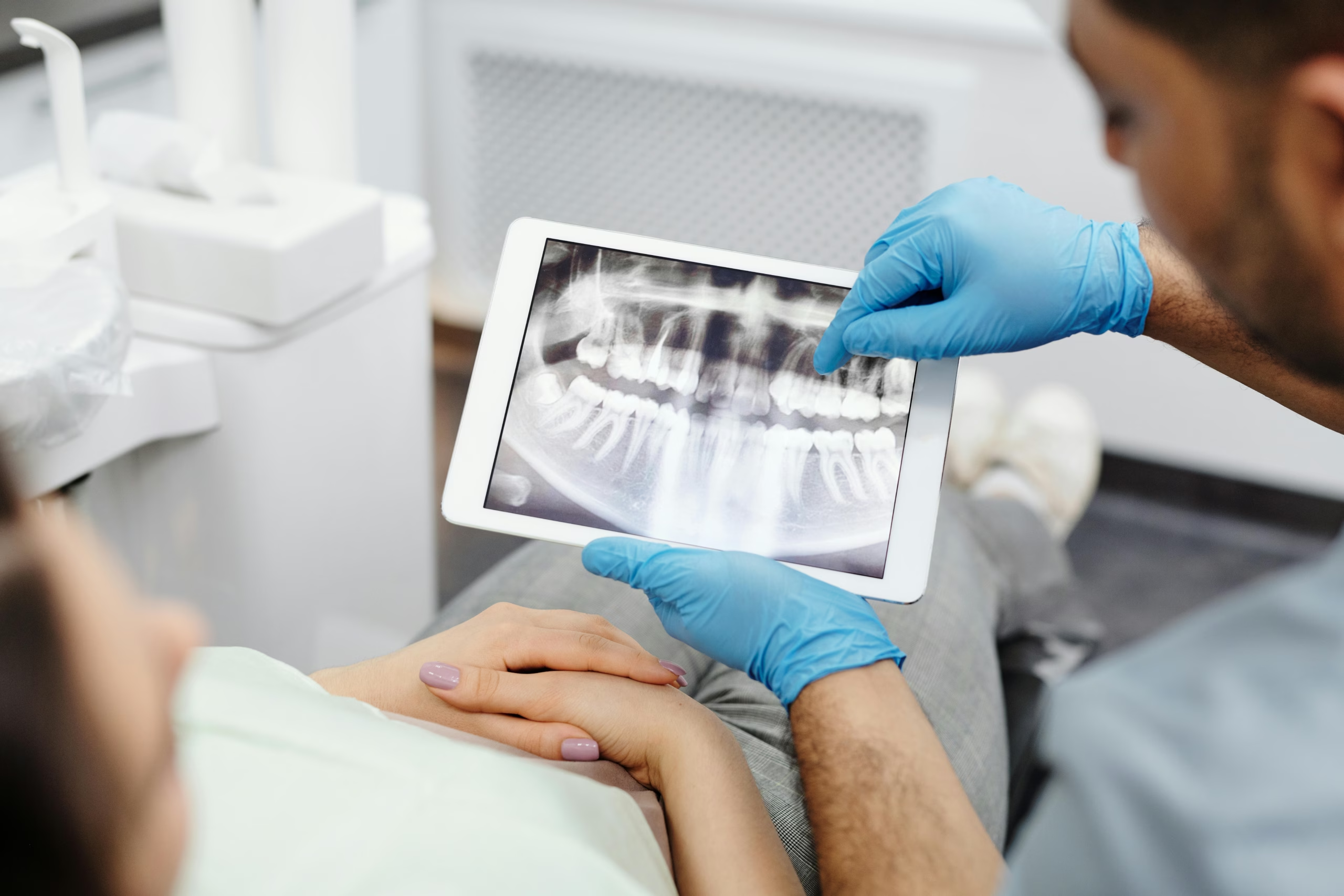
- Get an Expert Opinion, Fast: With services like the Toothfairy app, you can have a secure video call with a qualified UK dentist, often on the very same day. You can show them the tooth you're worried about and get an immediate, professional diagnosis.
- Accessible and Affordable: It’s a straightforward and affordable way to find out if you're dealing with early-stage demineralisation or a cavity that needs attention now, helping you prevent a minor issue from becoming a major one.
Knowing what you’re up against is the first step. The following sections will walk you through the evidence-based strategies to help your body strengthen and remineralise your teeth. But it all starts with a correct diagnosis.
How Tooth Decay Actually Works

Before you can fight tooth decay, you have to understand the opponent. It isn't a sudden event; it's more like a slow-motion battle that plays out in your mouth every single day. This constant tug-of-war is between two crucial processes: demineralisation and remineralisation.
Imagine your tooth enamel as a strong, mineral-packed fortress. Demineralisation is what happens when that fortress gets weakened. When you eat or drink something sugary, the bacteria in your mouth feast on the sugar and produce acid as a byproduct. This acid then attacks your enamel, dissolving and stripping away essential minerals like calcium and phosphate. The surface becomes porous and weak.
On the other side of the battle is remineralisation, your body's brilliant natural defence. Your saliva is full of those same minerals—calcium and phosphate—and it constantly bathes your teeth. It works to neutralise the acids and redeposit minerals back into the enamel, repairing and strengthening it. Tooth decay only starts when the balance tips, and demineralisation outpaces remineralisation for too long.
The Constant Tug-of-War
This cycle is happening all the time. Every time you have a sweet snack or a fizzy drink, an "acid attack" kicks off, and demineralisation is in charge for about 20-30 minutes. After that, once the acid is neutralised, your saliva gets to work rebuilding the damage through remineralisation.
The real trouble starts with frequent attacks. If you're constantly sipping on a sugary coffee or snacking throughout the day, your teeth never get a break from that acidic environment. This means your saliva simply doesn't have enough time to do its repair job, leading to a net loss of minerals over time.
This gradual weakening is precisely what causes those initial 'white spot' lesions – the very first sign of trouble, and the only stage where you can genuinely reverse tooth decay naturally.
From Plaque to Cavity: How It Unfolds
The path from a healthy tooth to a full-blown cavity is a predictable one, fuelled by bacteria, sugar, and time. It’s a step-by-step process.
-
Plaque Builds Up: It all begins with plaque, that sticky, almost invisible film of bacteria that’s always forming on your teeth. If you don't remove it with good brushing and flossing, it becomes a cosy home for those acid-producing bacteria.
-
The Acid Attack: When you eat carbohydrates (especially sugar), the bacteria in the plaque go into a feeding frenzy and churn out acids. Because the plaque holds this acid right up against the tooth surface, the demineralisation process begins.
-
Enamel Starts to Erode: With repeated acid attacks, the enamel wears down. Its surface becomes weak and porous, which is when you might see a chalky white spot appear. This is the first visible sign of decay and your last call to action for natural reversal.
-
A Cavity Forms: If demineralisation continues without intervention, the weakened enamel will eventually collapse. This creates a physical hole, or cavity. At this point, the damage is permanent and can only be fixed by a dentist.
Understanding this progression is key. It shows that tooth decay isn't inevitable; it's the result of a biological process you can influence. By disrupting this process—improving your hygiene, tweaking your diet, and actively supporting remineralisation—you can tip the balance back in your favour.
This battle is especially tough for children. UK data paints a concerning picture: the 2023-2024 National Dental Epidemiology Programme found that 26.9% of 5-year-olds had visible tooth decay. The gap is even wider for children in deprived areas, who are more than twice as likely to have issues. You can read more about these oral health findings in the UK.
Catching these problems early is everything. Modern tools like the Toothfairy app offer a way to get a quick, professional assessment from home, helping parents step in before demineralisation turns into irreversible decay.
Your Diet and Lifestyle Plan for Remineralisation
While a great brushing and flossing routine clears away the plaque on the surface, what you eat and how you live are what truly fuel your body's ability to repair early enamel damage. Think of it as strengthening your teeth from the inside out.
This isn’t about a highly restrictive diet. It’s about making smart, sustainable changes that create an environment in your mouth where your teeth can actually heal themselves. The idea is to arm your saliva with the minerals it needs to rebuild enamel while cutting down on the acid attacks that weaken it. It’s a two-pronged approach that helps tip the balance back towards repair—a philosophy our dentists on the Toothfairy platform often share with patients.
The Anti-Decay Diet
Certain foods are absolute powerhouses for dental health. They're packed with the calcium, phosphorus, and key vitamins that make up the very structure of your enamel. Focusing on these gives your body a constant supply of rebuilding materials.
-
Calcium-Rich Foods: Calcium is the main event when it comes to tooth minerals. You need a steady supply to keep your enamel hard. While milk, cheese, and plain yoghurt are fantastic, don't forget about leafy greens like kale, canned sardines, and fortified plant milks.
-
Phosphorus-Rich Foods: Phosphorus is calcium’s essential partner in building strong teeth and bones. You’ll find plenty of it in protein-rich foods like fish, chicken, meat, nuts, and eggs.
-
Vitamin D: This one is crucial. It’s the gatekeeper that allows your body to actually absorb and use the calcium you're eating. Without enough vitamin D, that calcium can’t get to where it needs to go. Fatty fish like salmon, egg yolks, and fortified foods are excellent sources. A bit of sunshine helps your body make its own, too.
-
Vitamin K2: Often the forgotten hero, Vitamin K2 acts like a traffic cop for calcium. It makes sure calcium goes to your bones and teeth and stays out of places it shouldn't be, like your arteries. You can find it in fermented foods like natto, certain hard cheeses (Gouda is a good one), and grass-fed butter.
To give your body the best chance at natural remineralisation, it’s vital to ensure you have enough of these key nutrients. Specialised blood tests for vitamins and minerals can be a real eye-opener, pinpointing any shortfalls so you can adjust your diet or supplements effectively.
Here’s a quick guide to some of the best foods for rebuilding your teeth:
Key Nutrients for Remineralisation and Their Food Sources
| Nutrient | Role in Oral Health | Excellent Food Sources |
|---|---|---|
| Calcium | The primary building block of tooth enamel and bone. | Dairy (milk, cheese, yoghurt), leafy greens (kale, spinach), fortified plant milks, sardines. |
| Phosphorus | Works with calcium to build and maintain strong enamel. | Fish, poultry, red meat, eggs, nuts, beans, dairy products. |
| Vitamin D | Essential for absorbing and utilising calcium effectively. | Fatty fish (salmon, mackerel), egg yolks, fortified foods, sunlight exposure. |
| Vitamin K2 | Directs calcium to the teeth and bones, preventing buildup elsewhere. | Fermented foods (natto), hard cheeses (Gouda, Brie), grass-fed butter, egg yolks. |
| Magnesium | Helps with calcium absorption and the formation of a strong enamel crystal structure. | Nuts and seeds, leafy greens, dark chocolate, avocados, bananas. |
| Vitamin C | Crucial for healthy gums, which support the teeth. | Citrus fruits, bell peppers, broccoli, strawberries, kiwi. |
Making sure these nutrients are a regular part of your meals gives your body the raw materials it needs to fight back against decay.
Smart Swaps to Reduce Acid Attacks
Just as important as what you add to your diet is what you limit. Sugary foods and refined carbs are basically fast food for the acid-producing bacteria in your mouth. Every time you snack on them, you’re triggering a demineralisation event.
Here's a pro tip: it’s not just what you eat, but how often. Sipping a sugary coffee over an hour is far more damaging than drinking it quickly with a meal because it keeps your teeth bathed in acid for an extended period.
Try these simple but incredibly effective swaps:
- Instead of reaching for biscuits or crisps, grab a small piece of cheese, a handful of almonds, or some crunchy celery sticks. These snacks actually help clean your teeth and get saliva flowing.
- Ditch the fizzy drinks and fruit juices for plain water or unsweetened green tea. Water is fantastic for rinsing away food particles and neutralising acid.
- If you're going to have a sweet treat, have it with your main meal. This bundles the "acid attack" into one event, giving your saliva plenty of time to recover and remineralise your teeth afterwards.
Lifestyle Habits That Boost Remineralisation
Beyond diet, a few simple daily habits can make a huge difference in helping your body reverse early tooth decay.
Stay Hydrated with Water
This is probably the easiest and most effective thing you can do. Drinking plenty of water keeps your mouth clean by washing away food debris and leftover sugars. Crucially, it also keeps your saliva flowing. A dry mouth is a breeding ground for bacteria, making hydration your first line of defence.
Chew Sugar-Free Gum with Xylitol
It might sound strange, but chewing the right kind of gum is a powerful dental tool. Look for sugar-free gum containing xylitol, a natural sweetener that acid-producing bacteria can't digest. Studies have shown it can actively reduce the numbers of these harmful bacteria in your mouth.
Even better, the simple act of chewing boosts saliva production by up to 10 times the normal rate. This saliva is loaded with the calcium and phosphate minerals needed to neutralise acids and harden your enamel. Chewing a piece for 20 minutes after a meal or snack can give your teeth's natural repair process a serious helping hand.
Building an Effective Oral Hygiene Routine
While your diet provides the building blocks for remineralisation from the inside out, your daily hygiene routine is what stands on the front line, defending your teeth against acid attacks. We need to think beyond the old "brush twice a day" advice. The real aim is to create an oral environment that consistently disrupts plaque, removes harmful bacteria, and gives your enamel the best possible chance to heal itself.
This doesn't mean spending hours in front of the mirror. It's about being deliberate with your actions—how you brush, what you use, and the little steps you take beyond just your teeth. It’s all about consistently and physically removing the fuel that decay-causing bacteria thrive on.
Mastering Your Brushing Technique
How you brush is far more important than how hard you scrub. In fact, aggressive brushing can do more harm than good, damaging your gums and wearing away precious enamel. The key is to be gentle but thorough.
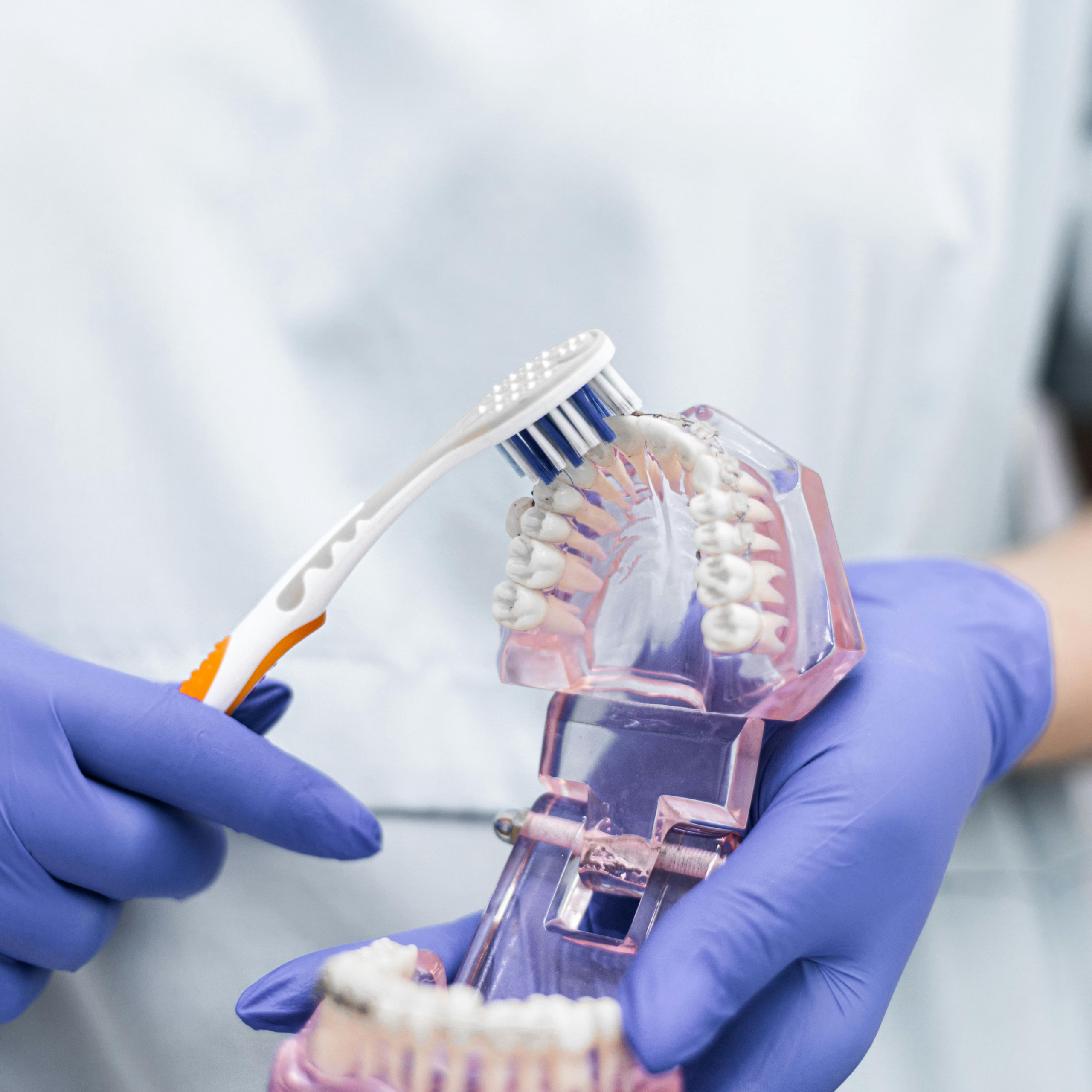
Most dentists, myself included, recommend the Bass method. It's brilliant because it’s specifically designed to clean beneath the gumline, right where plaque loves to accumulate. To get it right, hold your soft-bristled brush at a 45-degree angle to your gums. Instead of scrubbing, use short, gentle, vibrating back-and-forth motions. Focus on just one or two teeth at a time before moving on to the next section. This gentle wiggle is what dislodges plaque without being abrasive.
The Non-Negotiable: Cleaning Between Your Teeth
Here's a statistic that might surprise you: brushing alone misses up to 40% of your tooth surfaces. The tight spaces between your teeth are a haven for food particles and plaque, making them the most common places for cavities to start. This is precisely why daily flossing or using interdental brushes is non-negotiable.
If you find traditional floss awkward, don't just give up. Water flossers or little interdental brushes (they look like tiny bottle brushes) are fantastic alternatives. The crucial thing is to make it a daily habit, ideally before bed, to clear out all the debris that has built up during the day.
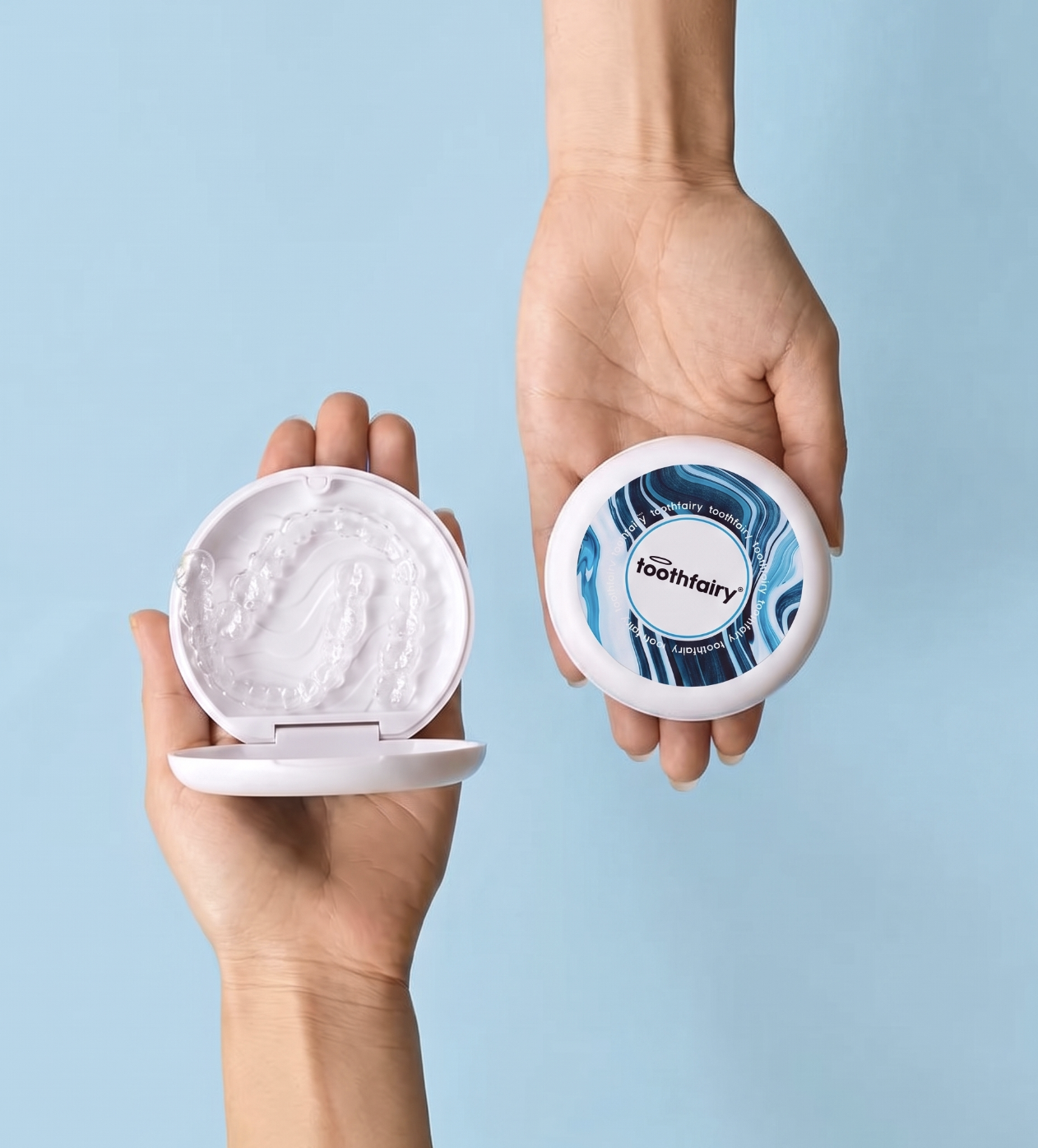
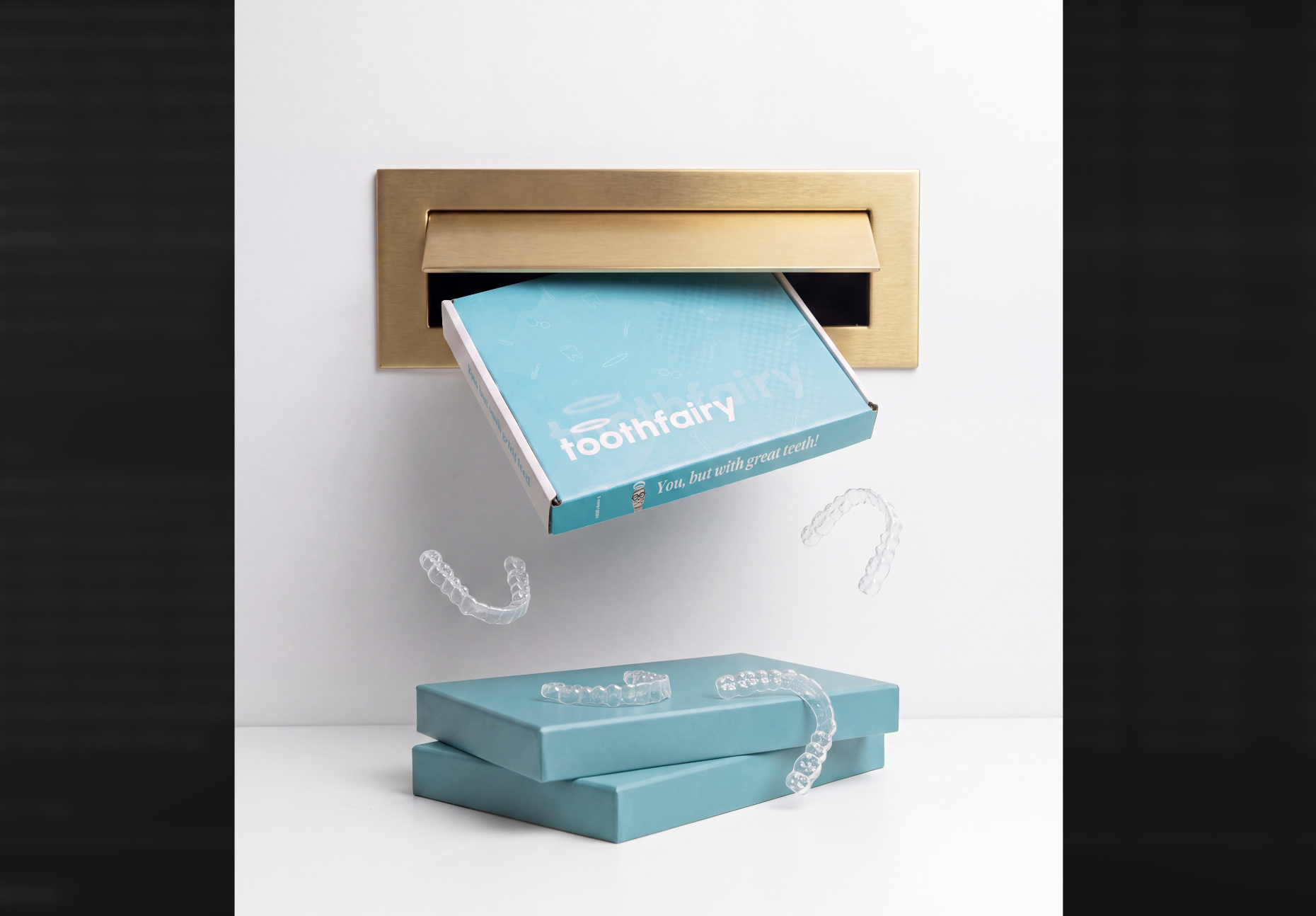
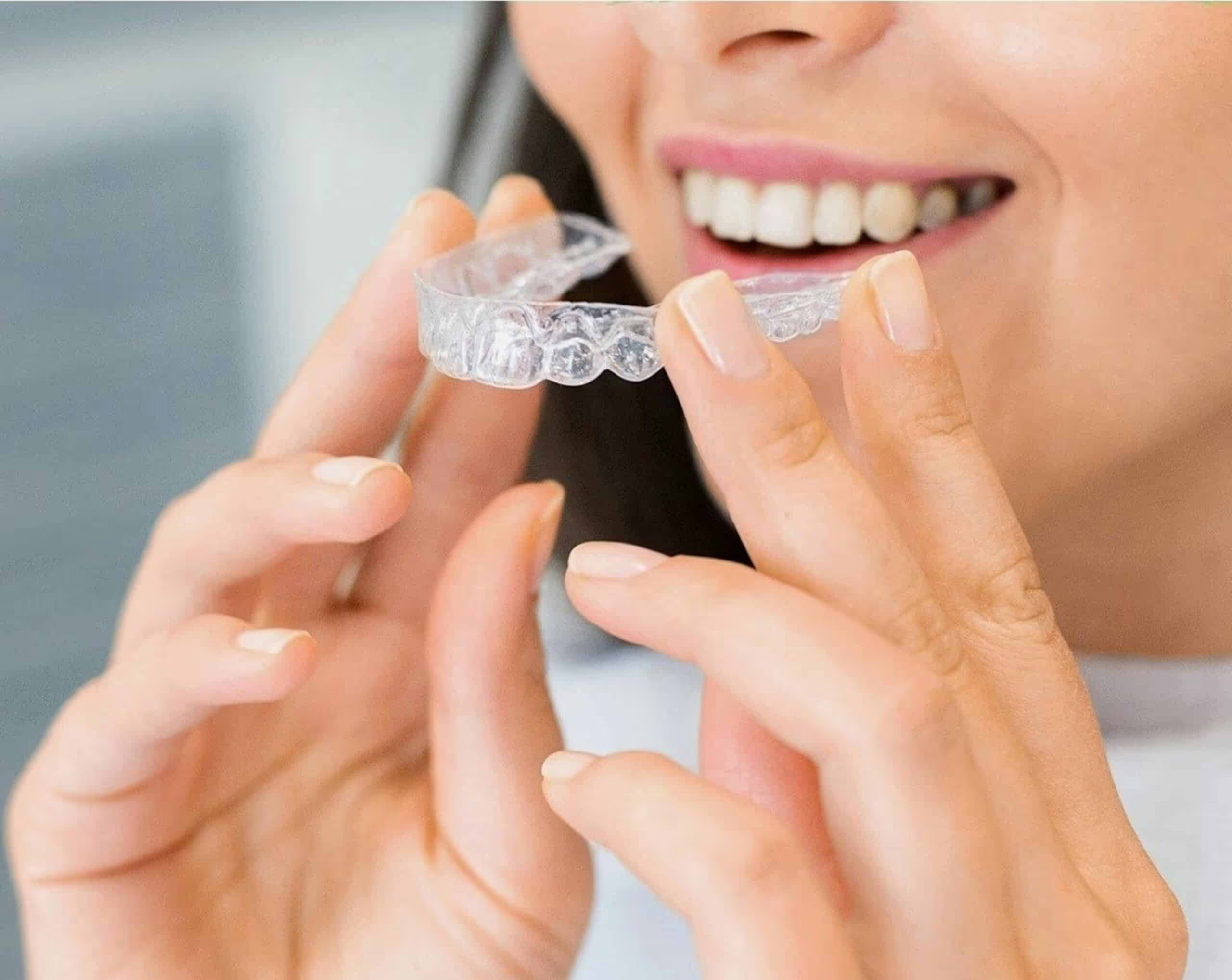
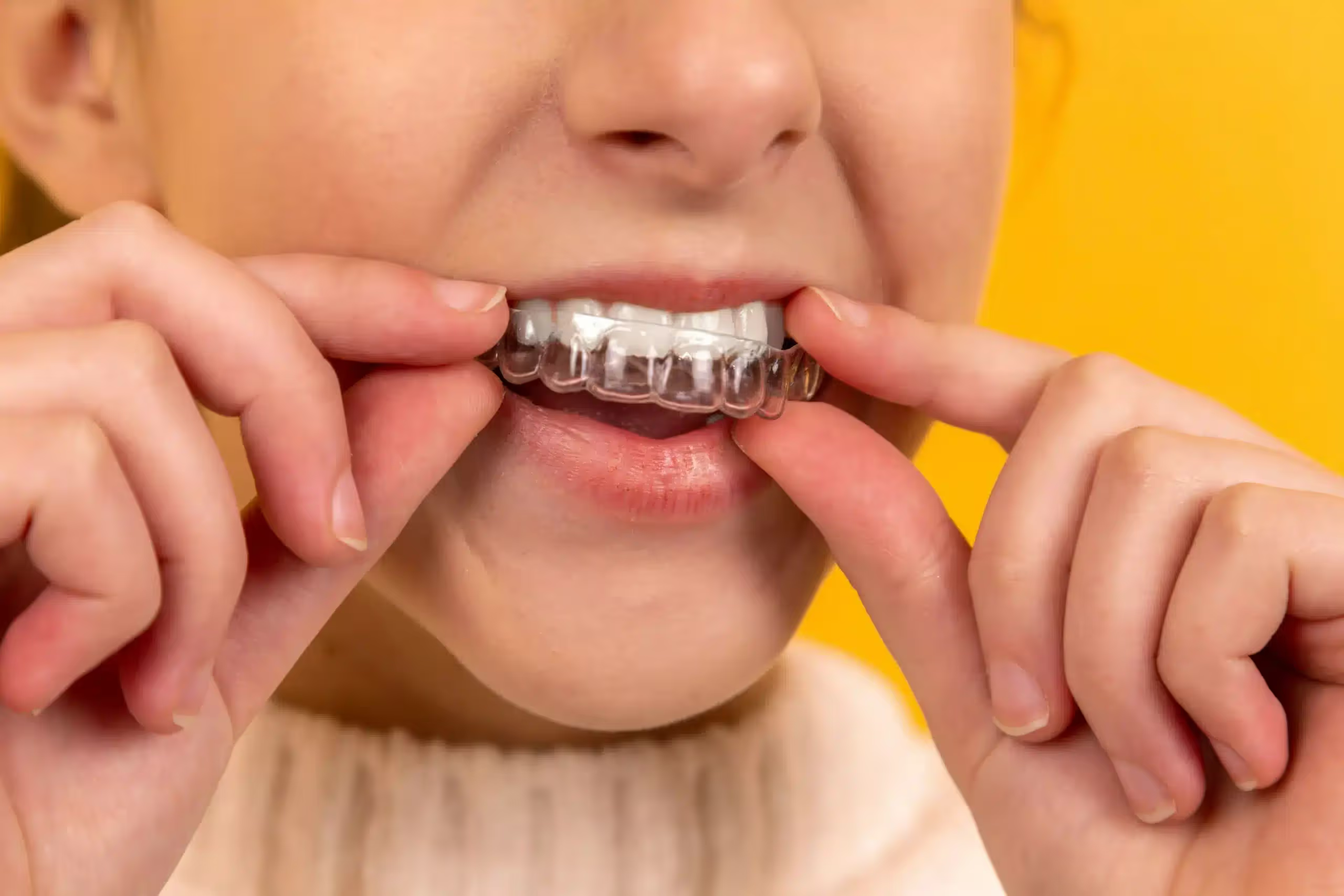
This meticulous cleaning is especially vital if you're undergoing cosmetic treatments. For instance, anyone using clear aligners—whether a specific aligner brand or through a smarter, more affordable and dentist-supervised service like Toothfairy—has to be extra vigilant. The aligners can trap plaque and sugars against the teeth, so a flawless hygiene routine is essential to prevent new decay from forming while you straighten your smile.
Beyond the Teeth: Tongue Scraping and Oil Pulling
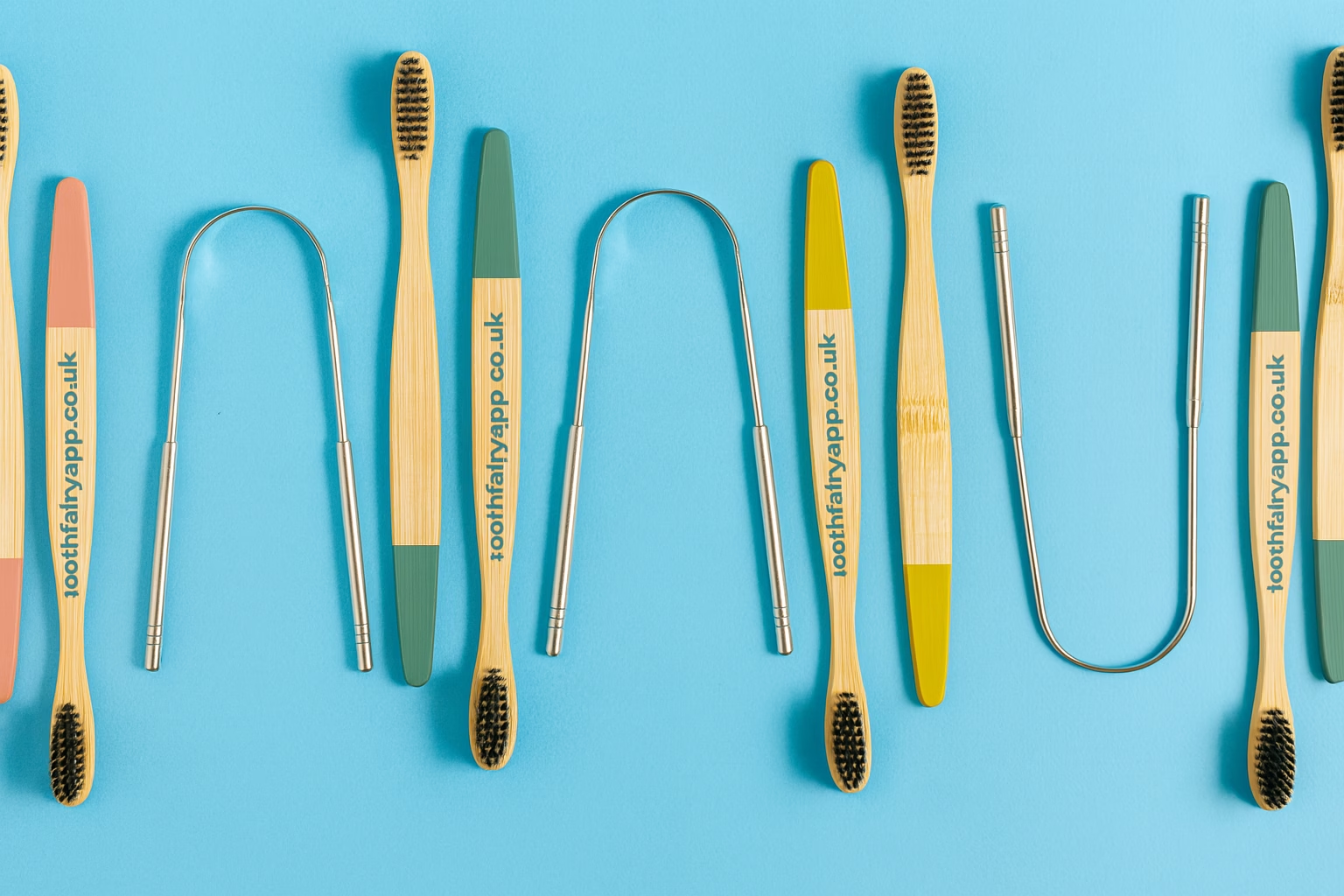
Your tongue is a huge reservoir for bacteria, hidden among all its tiny bumps and grooves. A quick and surprisingly effective habit is to use a tongue scraper every morning. It physically removes the bacterial film that contributes not only to bad breath but also to the overall bacterial load in your mouth.
Another ancient practice that's getting a modern look is oil pulling. This involves swishing a tablespoon of high-quality coconut, sesame, or sunflower oil in your mouth for about 15-20 minutes, preferably on an empty stomach. While it's certainly not a replacement for brushing and flossing, some evidence suggests it can help reduce plaque-causing bacteria. Think of it as a supplemental boost to an already solid routine.
Choosing the Right Remineralising Products
The toothpaste aisle can feel overwhelming, but when your goal is remineralisation, you need to look for specific ingredients that actively help rebuild your enamel.
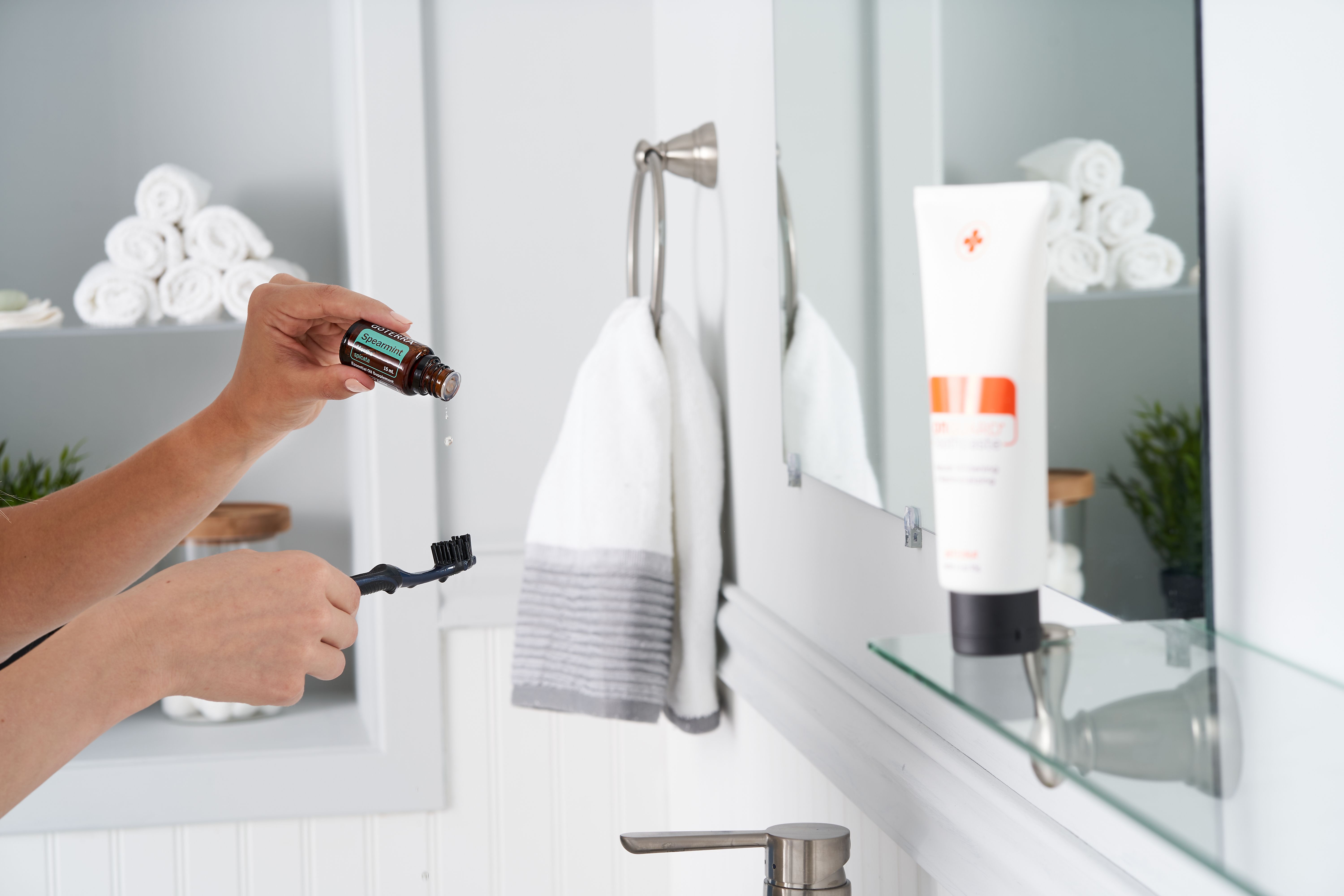
- Fluoride Toothpaste: Fluoride is the gold standard for a reason. It's a well-researched mineral that gets incorporated directly into your enamel, making the tooth structure stronger and more resistant to acid.
- Hydroxyapatite (HAp) Toothpaste: If you're looking for a fluoride-free alternative, hydroxyapatite is an excellent, science-backed choice. HAp is the very same mineral that naturally makes up the bulk of your tooth enamel and bone. Using a HAp toothpaste essentially provides the raw materials to patch up and remineralise weakened spots.

This simple cycle—eating well, staying hydrated, and stimulating saliva with xylitol gum—shows how different habits work together to support your oral health throughout the day.
To dive deeper into the science behind your product choices, you can explore resources on optimizing oral health with insights on fluoride vs. hydroxyapatite and hygiene practices from holistic dental experts. Ultimately, building a routine that combines the right techniques with the right products is your best strategy for helping your body reverse early tooth decay.
When Natural Methods Just Won't Cut It
Putting your energy into natural strategies to remineralise your teeth is a brilliant way to be proactive about your oral health. But it's just as important to be realistic about what they can and can’t do.
These methods work wonders for halting and even reversing demineralisation, which is the very first, almost invisible stage of decay. Think of it as strengthening a weakened wall. However, once that wall has a hole knocked through it—a physical cavity in your enamel—no amount of special toothpaste or diet changes can rebuild that lost tooth structure.
That’s the point of no return for home care. Trying to "naturally" heal a proper cavity is not just a lost cause; it's genuinely risky. You’re giving decay a free pass to dig deeper, which can lead to agonising pain, infection, and potentially losing the tooth altogether. Knowing the red flags that mean "time to see a professional" is non-negotiable.
The Telltale Signs You Need a Dentist, Now
If any of these symptoms sound familiar, it’s time to put the home remedies aside and get professional help straight away. These are clear signals that the decay has likely progressed beyond the point of reversal.
- A Stubborn Toothache: A constant, dull throb or a sharp ache is a classic sign the decay has reached the sensitive inner layers of the tooth, possibly irritating the nerve.
- Visible Holes or Pits: If you can see or feel a hole, a dark spot, or a small pit on your tooth's surface, a cavity has already formed. Simple as that.
- Sharp Sensitivity: That sudden jolt of pain when you have something hot, cold, or sugary? It often means the protective enamel has worn down, exposing the sensitive dentine layer beneath.
- Pain When You Bite Down: Feeling a sharp pain when you chew can mean the decay has weakened the tooth's structure, or an infection might be brewing around the root.
- Swelling or Pus: Any swelling in your gums near the painful tooth, or any sign of pus, points to a serious infection (an abscess). This needs urgent dental attention.
A Reality Check on Tooth Decay in the UK
Ignoring these signs and hoping for a natural miracle is a gamble you don't want to take. While oral health in the UK has come a long way, tooth decay is still a massive issue that’s managed with professional care, not just wishful thinking.
Adult Dental Health Surveys show that the prevalence of decay dropped from 46% in 1998 to 28% in 2009. But these improvements are largely down to better hygiene habits and professional treatments like fillings. The data still showed that by 2021, 31% of adults had active decay, highlighting that we absolutely still need dentists to diagnose and treat it. You can read more about these UK oral health statistics here.
When a cavity has formed, modern dentistry isn't the enemy—it's the only real solution. A filling does more than just plug a hole; it involves meticulously removing all the infected and decayed tissue to stop the disease in its tracks.
Getting a Fast, Professional Opinion
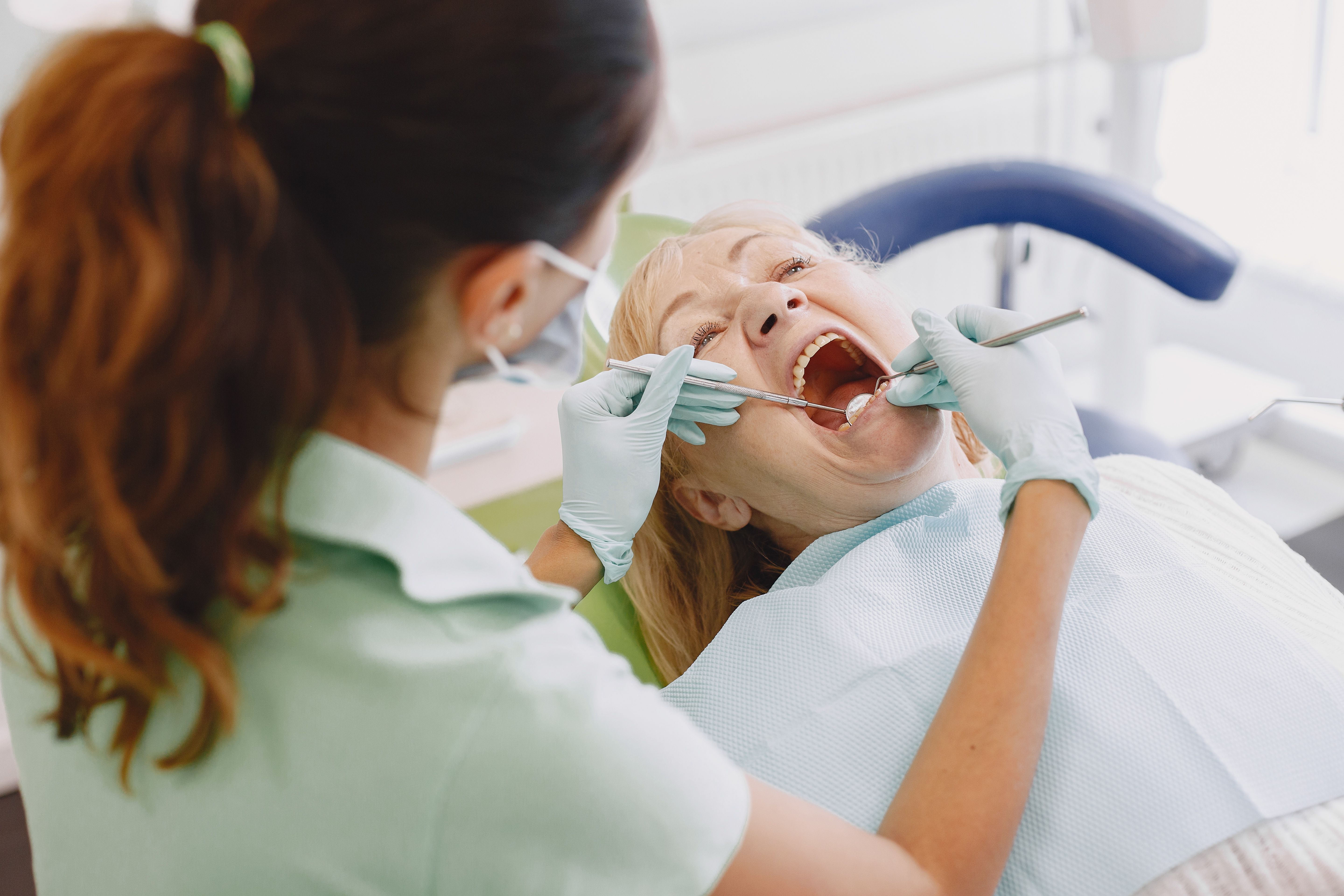
The thought of waiting weeks for a dental appointment when you're in pain or worried about a spot on your tooth is awful. This is where getting smart with your dental access can be a game-changer. Instead of sitting at home worrying, you can get a professional verdict quickly and easily.
This is exactly what the Toothfairy app was designed for. It offers a much more convenient and affordable way to get a qualified UK dentist's opinion, often on the very same day, through an on-demand video consultation. You can actually show them what’s wrong, get an immediate diagnosis, and walk away with a clear, professional treatment plan. Getting that quick expert advice is key to stopping a small problem from turning into a full-blown, painful, and expensive dental emergency.
Got Questions? Let's Clear Things Up
It's completely normal to have a few questions buzzing around when you start this journey. Knowing the facts is key to feeling confident about healing your teeth, so let's tackle some of the most common ones I hear.
Can You Really Heal a Cavity Once It's a Hole?
This is a big one, and the honest answer is no. Once bacteria have chewed through the enamel and created an actual physical hole, you've crossed a line. No amount of diet change or brushing can make that lost tooth structure grow back.
At that point, a filling from your dentist isn't just an option; it's the only way to get rid of the infection and seal the tooth to prevent it from getting worse. All these natural strategies we've discussed are for catching decay in its earliest stage—that chalky, white spot phase before a hole forms.
How Long Does it Take to See a Difference?
There’s no magic number here. How quickly your teeth remineralise really depends on where you're starting from, how strict you are with your diet and hygiene, and even your own unique body chemistry.
If you’re doing everything right—keeping your mouth spotless, eating nutrient-dense foods, and maybe chewing some xylitol gum—you could start to notice improvements in a matter of weeks. For others, it might take a few months. The key is consistency.
Think of it less as a quick fix and more as a total shift in your oral environment. You're creating conditions where your teeth are constantly repairing themselves, and that's what offers long-term protection.
Is Just Cutting Out Sugar Enough to Reverse Decay?
Slashing your sugar intake is probably the single most effective thing you can do. It essentially cuts off the food supply for the nasty, acid-producing bacteria that cause cavities in the first place.
But is it enough on its own? Probably not. It's a critical piece of the puzzle, but not the whole picture. Cutting out sugar stops the damage from getting worse, giving your saliva and the minerals in your diet a chance to start the repair work. It creates the perfect environment for healing to begin.
Are Aligners a Bad Idea if My Enamel is Weak?
This is a smart question to ask. The good news is that clear aligners, whether they're from a specific aligner brand or a smarter, more affordable provider like Toothfairy, can be perfectly safe, even with weaker enamel. But there's a big "if"—your oral hygiene has to be flawless.
Those trays sit over your teeth for more than 20 hours a day, which means they can easily trap food particles and sugars right up against your enamel. You absolutely must get into the habit of brushing and flossing after every single meal or snack, no exceptions. Before starting any treatment, a dentist will always check your enamel to make sure you're a good candidate.
It can be tough to know where natural care ends and the need for professional help begins. But you don’t have to guess. If you've noticed a white spot, are feeling a bit of sensitivity, or just want a professional to take a look, Toothfairy is right here. Our app connects you with a qualified UK dentist for a fast, affordable diagnosis, so you can be sure you're doing the right thing for your teeth.
Book Your On-Demand Dental Consultation Today
Last updated on January 3, 2026
Dr. Deepak
ToothFairy Care Team.
Dr. Deepak
ToothFairy Care Team.