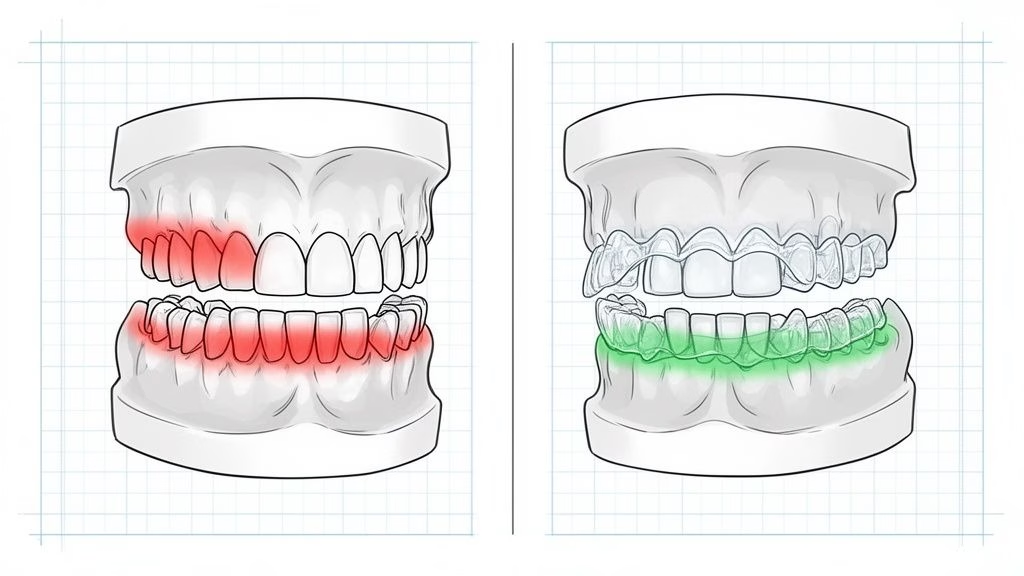
How to Reduce Absenteeism at Work: A Practical Guide

If you’re serious about tackling absenteeism, the first step isn’t about launching new policies. It’s about truly understanding the hole it’s punching in your organisation—not just financially, but culturally. We need to look far beyond the simple count of sick days to see the hidden costs, like tanking productivity and team morale. Only then can you build a compelling case for investing in a proper, preventative wellbeing strategy.
Understanding the Real Cost of Employee Absence
Most businesses see employee absence as just another number on an HR report. A simple tally of days off. But that view misses the bigger, messier picture. The real cost of absenteeism cascades through the entire company, hitting productivity, team spirit, and your bottom line in ways that aren’t always obvious at first glance. Getting to grips with this full impact is the essential first step before you can build a strategy that actually works.
And right now, this issue is more urgent than ever. The UK is facing a real employee absence crisis. The latest research is pretty staggering: UK employees were off for an average of 9.4 days per year in 2025. That’s a massive 62% jump from the 5.8 days we saw back in 2019, before the pandemic. For smaller businesses, this pain is acute, with the median cost of sickness absence now hitting £27,964 a year—that’s around 1.7% of their total turnover. You can dig into all the details in the latest CIPD and Simplyhealth research.
The Direct Financial Drain
The most obvious cost is sick pay, of course. But the financial bleeding doesn’t stop there. With every absence, other direct costs start piling up:
- Overtime Pay: You’re often paying other team members extra to pick up the slack from an absent colleague.
- Temporary Staff Costs: Bringing in agency staff to fill critical gaps costs money, and they’re rarely as efficient as your permanent team.
- Administrative Burden: Think of the time your managers and HR team spend just processing absence forms, arranging cover, and then handling return-to-work interviews.
One of the main goals of any good absenteeism strategy is to get these costs under control. For a much deeper dive into the numbers, this guide on Managing Absenteeism How To Reduce The Costs Of Frequent Absences is a great resource.
Uncovering the Hidden and Cultural Costs
Beyond the numbers on a spreadsheet, it’s the indirect costs that often do the most long-term damage. These are the subtle, corrosive effects that can poison your company culture and grind your operations to a halt. When someone is unexpectedly off, it sets off a domino effect.
Think about it: the rest of the team has to stretch to cover the extra work. This doesn’t just crank up their stress levels; it’s a fast track to burnout, resentment, and a noticeable dip in the quality of their own output. Suddenly, deadlines are being missed, client relationships might start to fray, and the whole momentum of a project can just stall.
The most damaging aspect of high absenteeism isn’t just the lost work from the absent employee; it’s the ripple effect of burnout, reduced morale, and disengagement it creates among the colleagues left behind.
This constant strain on your reliable people is a powerful, yet frequently overlooked, consequence.
The Problem of Presenteeism
Just as damaging is its evil twin: presenteeism. This is when employees drag themselves into work even when they’re unwell. It might look like dedication, but in reality, it’s a productivity killer. An employee who’s physically there but battling a splitting headache or a nasty cold is mentally checked out.
Their output plummets, they’re far more likely to make costly mistakes, and they could end up making the rest of the team sick. Dental pain is a classic example—it’s distracting and can be completely debilitating. An employee might soldier on to avoid taking a day off to see a dentist, but their focus will be shot. This is exactly where providing accessible solutions, like on-demand virtual dental care, can stop a minor issue from snowballing into a major productivity drain.
Finding the Root Causes of Absenteeism in Your Business
If you want to get a real handle on absenteeism, you have to stop treating the symptoms and start diagnosing the illness. Generic assumptions about why people are off sick just won’t cut it. The real breakthrough comes when you become a detective inside your own organisation, digging into the data and conversations that reveal what’s actually going on with your team.
It’s all about looking for patterns. Is one particular department consistently calling in sick more than others? Do absences seem to spike during intense project deadlines or at the end of the quarter? Pinpointing these trends is the first step. It lets you create targeted strategies that solve the real problems your people are facing, rather than just guessing.
Start With Your Absence Data
Your first port of call should always be your own HR records. This isn’t just about tallying up sick days; it’s about seeing the story behind them. When you start slicing the data in different ways, you can uncover some powerful insights that point directly to the underlying issues.
Get started by looking at:
- Timing: Are absences clustering on Mondays or Fridays? This can often be a quiet signal of low morale or burnout.
- Departmental Trends: If a single team has a much higher rate of absence, it could be a red flag for a management issue, an unmanageable workload, or a specific source of workplace stress.
- Frequency vs Duration: Are you seeing lots of one-off, single-day absences, or fewer but much longer periods of leave? The first might suggest disengagement, while the second could point to more serious health and wellbeing challenges.
This visual flow shows how rising absence rates quickly spiral into hidden costs, making a clear strategy an urgent business need, not just a ‘nice to have’.
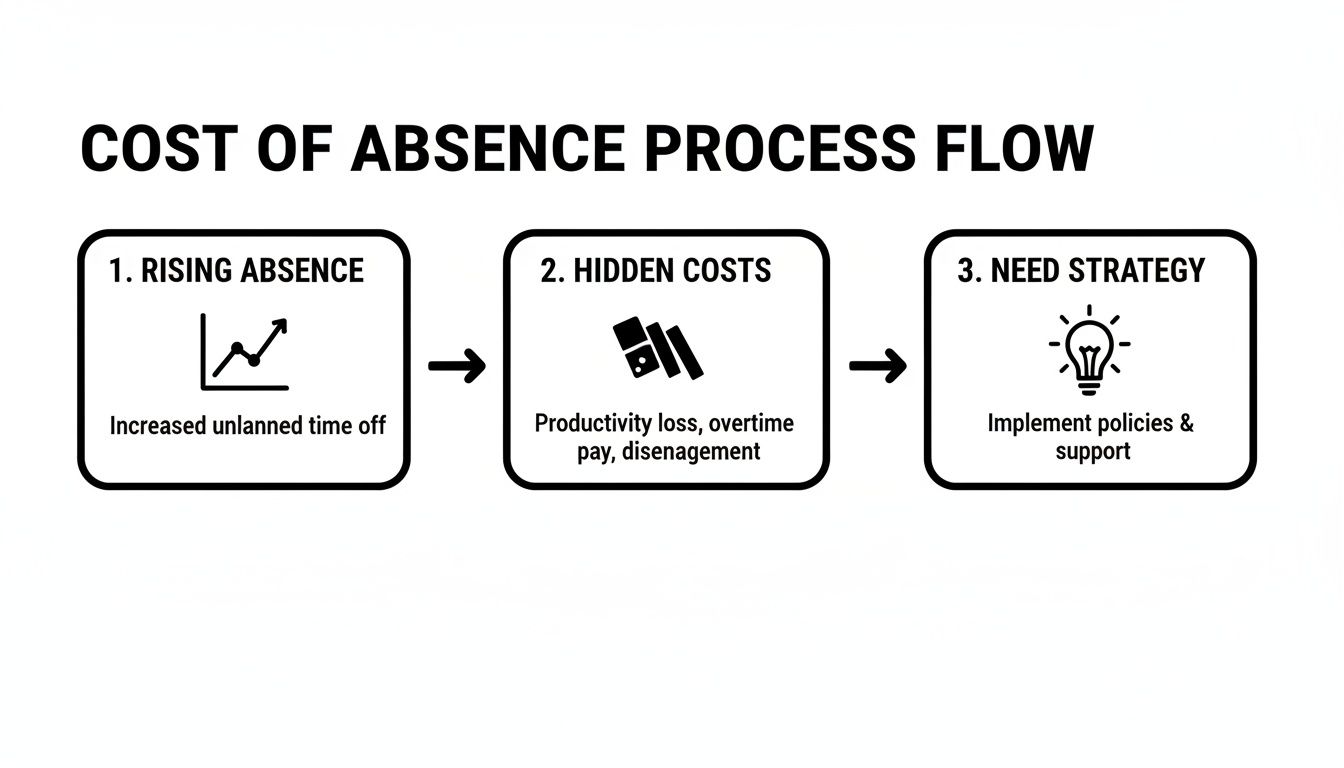
Ultimately, what the data shows is that unchecked absence isn’t just an HR problem—it’s a financial and operational one that demands a proactive solution.
Go Beyond the Numbers With Employee Feedback
Data tells you what is happening, but it rarely tells you why. For the full picture, you have to create channels for honest employee feedback. Your people are the best source of information about what’s driving them away from work, but they’ll only open up if they feel psychologically safe enough to do so.
Confidential surveys are a brilliant tool for this. Ask specific, targeted questions about things like workload, management support, the workplace environment, and whether they feel their benefits actually help them stay healthy and productive.
Sometimes, a single observation can point to a much bigger problem. For instance, you might notice an increase in short-term sick leave but not know why. By connecting these symptoms to potential root causes, you can decide on the most effective way to investigate further.
Connecting Workplace Symptoms to Their Root Causes
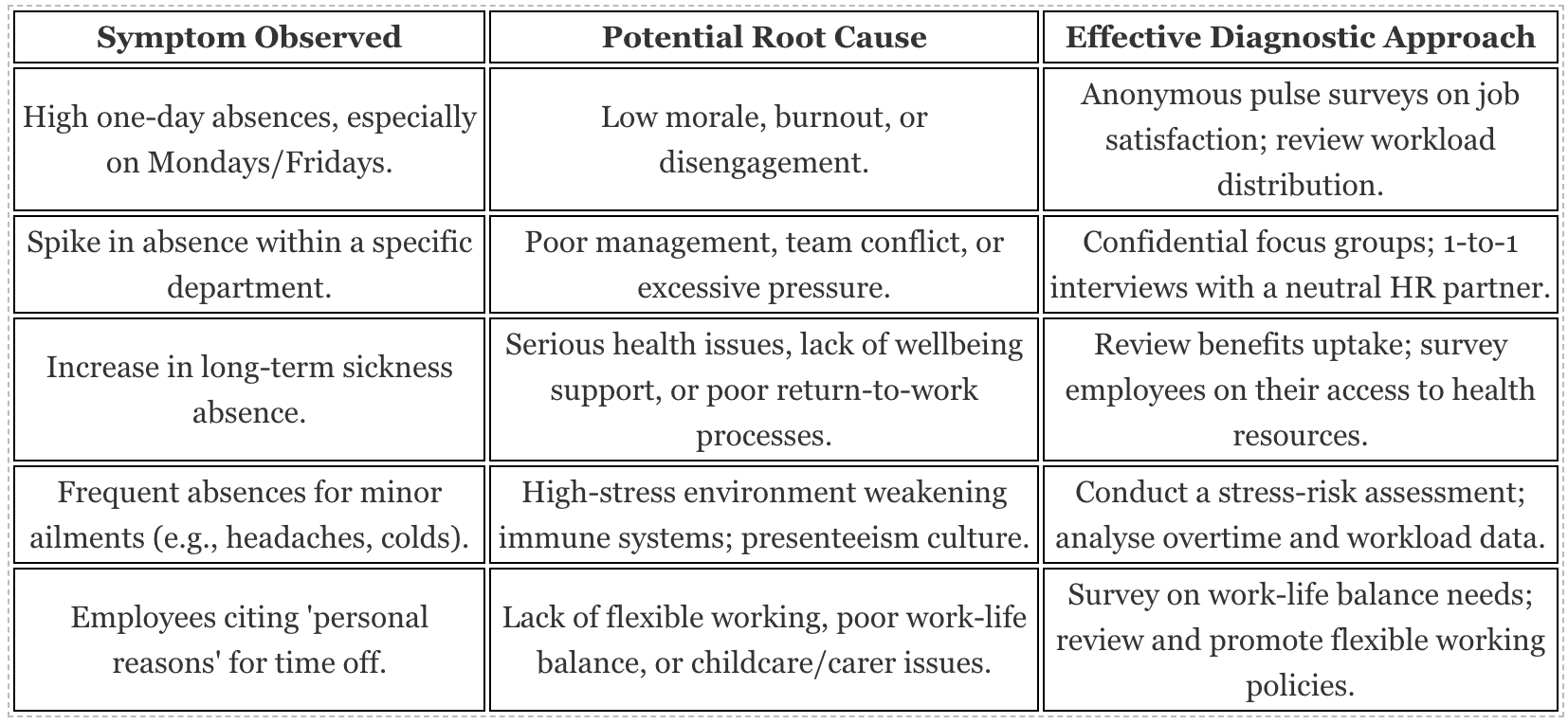
This table is a starting point to help you build hypotheses. The real insights come when you combine these observations with genuine, open conversations with your team.
For example, do your employees know how to quickly get help for a nagging toothache before it becomes a dentalemergency? If getting an appointment means taking a full day off, they’re far more likely to suffer in silence—leading to presenteeism and, eventually, a much longer absence.
This is exactly where modern, accessible benefits like Toothfairy can make a tangible difference by removing those practical barriers to getting timely care.
Recognise the Link Between Workload and Wellbeing
It’s also crucial to see the direct line between how jobs are designed and the health of your employees. The trend of ‘presenteeism’—where people turn up for work while unwell—can actually be more damaging than absence itself. It’s estimated that British employees lost the equivalent of 44 days of productivity in recent years from working through sickness.
Worryingly, 41% of employers point to heavy workloads as the main culprit behind stress-related absence. This highlights just how much workplace culture and job demands contribute to the problem. It proves that reducing absenteeism isn’t just about adding a few health perks; it’s about building a sustainable and supportive work environment. You can read the full research on the real cost of absenteeism to understand this connection better.
By weaving together hard data with candid employee feedback, you can build a clear, accurate picture of what’s truly driving absence in your business—and start building a healthier workplace from the ground up.
Moving from Fire-Fighting to a Proactive Health Strategy
Once you’ve got a handle on why people are off, it’s time to shift your thinking. Constantly reacting to absence is exhausting and ineffective. The real win comes from building a proactive strategy that stops problems from escalating in the first place. This is about creating a workplace where employee wellbeing isn’t just a poster on the wall—it’s woven into the very fabric of your culture.
A modern, effective wellbeing programme stands on a few key pillars. You absolutely need strong mental health support, flexible work policies that actually work for real lives, and managers who are trained to lead with genuine empathy. But the real game-changer? Accessible health benefits that remove the practical hurdles people face when trying to get care.
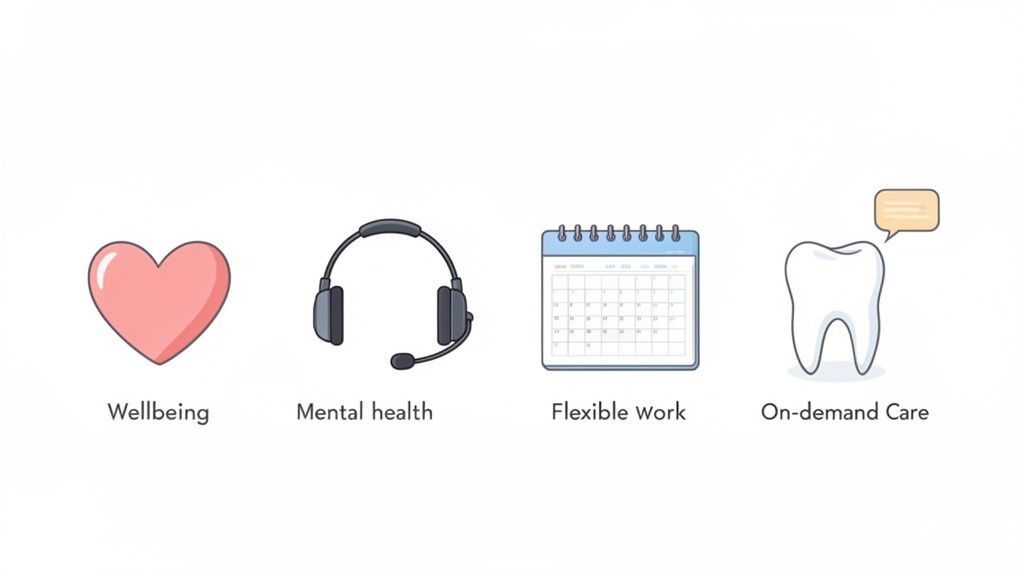
It all comes down to making it easy for your employees to look after themselves. You need to help them tackle the small issues before they become big reasons to be off work.
Make Mental Health Support Easy to Find and Use
Mental health is one of the biggest drivers of absence, but let’s be honest—traditional support often misses the mark. People face long waits for therapy or feel a stigma about even asking for help, so they often struggle in silence until they hit a crisis point. A proactive approach means making mental health support visible, easy to access, and completely free of judgement.
Here are a few things that actually work:
- Beef up your Employee Assistance Programme (EAP). Don’t just have a helpline number buried on the intranet. Promote an EAP that offers quick access to proper counselling sessions.
- Train Mental Health First Aiders. Having trained colleagues on the ground who can spot early signs of distress and gently guide people towards professional help is incredibly powerful.
- Normalise the conversation. Run workshops and share resources that talk openly about stress, burnout, and anxiety. Give your team practical coping skills.
When you champion mental health openly, you build a culture where asking for help is seen as a smart move, not a sign of weakness.
Make Flexible Working a Genuine Option
Real flexibility isn’t just about letting people work from home. It’s about giving them real autonomy over their work schedule wherever the role allows. A rigid 9-to-5 can be a nightmare for parents, carers, or anyone with a chronic health condition. Think about it: forcing someone to take an entire sick day for a 30-minute doctor’s appointment is a clear signal that your system is broken.
When you introduce practical flexibility, you slash the need for those unplanned days off. This could mean flexible start and finish times, compressed hours, or simply trusting your people to manage their own time to get the job done. When employees feel trusted, their engagement goes up, and they’re far less likely to take unnecessary time off.
A preventative health strategy is an investment, not a cost. By empowering employees to resolve health issues quickly and conveniently, you are directly investing in their productivity, loyalty, and presence at work.
This is a fundamental mindset shift that builds a far more resilient workforce.
Train Your Managers to Lead with Empathy
Your line managers are your first line of defence. They’re usually the first to notice when someone on their team isn’t quite themselves. The problem is, most have never been trained on how to handle sensitive conversations about health and wellbeing.
Giving them the right skills is non-negotiable. Your training should focus on three key areas:
- Spotting the Early Warning Signs: How to recognise subtle changes in someone’s behaviour or performance that could signal a deeper issue.
- Having Supportive Conversations: How to approach an employee with care, listen without judgement, and point them towards the right support—without trying to be a therapist.
- Managing with True Flexibility: How to implement flexible working fairly and effectively for their specific team.
Managers who are confident in supporting their teams create psychological safety. That trust is directly linked to lower absence rates. It’s that simple.
Offer Benefits That Solve Real-Life Problems
Finally, let’s get tangible. The most impactful part of a proactive strategy is offering benefits that remove real-world barriers to getting care.
Picture this: an employee has a nagging toothache. The hassle of finding a dentist, getting an appointment, and taking a whole day off means they just put up with it. They come to work, but they’re distracted and in pain—a classic case of presenteeism that’s just waiting to become an emergency sick day.
This is where on-demand health services completely change the game. By offering a benefit like Toothfairy, you give that employee the power to have a virtual consultation with a dentist right from their desk. Within minutes, a dentist can assess the problem, give advice, and even arrange a prescription. The issue is dealt with immediately, with no lost productivity and no full day of absence.
It goes beyond emergencies, too. Offering smarter and more affordable ways to straighten teeth shows you’re invested in your team’s long-term confidence and wellbeing. Unlike some specific aligner brands that can require numerous, time-consuming appointments, a modern solution like Toothfairy makes cosmetic dental work fit around an employee’s schedule. This kind of thoughtful benefit does wonders for morale and makes your team feel genuinely valued—a critical ingredient for a healthy, present, and committed workforce.
Modern Health Benefits That Actually Keep People at Work
A proactive wellbeing strategy really boils down to one simple thing: making it easy for your people to stay healthy. The problem is, traditional healthcare pathways are often anything but easy. They’re slow, inconvenient, and full of hurdles that actively discourage people from getting timely care—a direct cause of sickness absence.
Just think about the classic runaround for something as common as dental pain. First, your employee has to hunt for a local practice that’s even taking on new patients. Then, they have to wait, sometimes for weeks, for an appointment. When the day finally comes, they need to take at least half a day off, if not more, just for the visit. All this friction means small, treatable issues get ignored until they blow up into painful, productivity-sapping emergencies.
And that’s where the real cost hits your business. The employee who’s been soldiering on with a toothache for days isn’t just in pain; their focus is shot, and you’re dealing with presenteeism. When they finally call in sick, it’s because the pain is unbearable, leading to an unplanned absence that disrupts the whole team.
Removing Roadblocks with On-Demand Healthcare
Modern benefits completely flip this broken model on its head. When you give employees on-demand access to healthcare professionals, you get rid of the logistical nightmares that stop them from getting help. You can turn a multi-day drama into a 15-minute task.
Let’s go back to that employee with the toothache. Instead of putting it off, they use a service like Toothfairy for an instant virtual consultation, right from their desk at work. Within minutes, they’re talking to a qualified dentist who can figure out the problem, give advice, and even get a prescription sent to their local pharmacy. The issue gets tackled immediately, preventing days of pain, presenteeism, and an inevitable sick day.
This isn’t just about convenience; it’s a powerful strategy for cutting absenteeism. When healthcare is this accessible, people are empowered to sort out health issues early, long before they become a reason to be off work.
A Look at Traditional vs. Modern Healthcare
The difference is stark when you see it side-by-side.
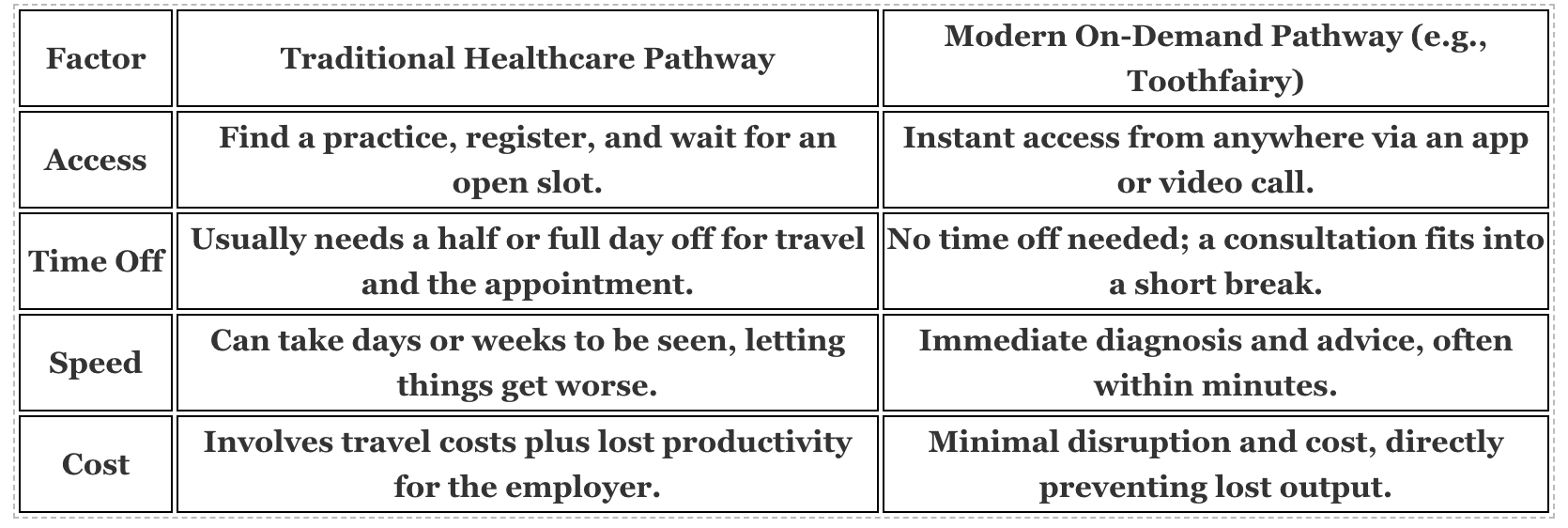 This comparison makes it crystal clear: the biggest barrier to employee health is often just simple inconvenience. By removing it, you directly support a healthier, more present workforce.
Expanding Support Beyond Physical Ailments
The exact same principle applies to mental health. Long waiting lists and the stigma around asking for help are huge barriers that fuel stress-related absence. A modern benefits package absolutely has to prioritise mental wellbeing. This often means making practical changes, like providing reasonable adjustments for mental health at work.
By offering immediate, confidential access to mental health professionals through telehealth services, you create a safety net. It helps employees manage stress and anxiety before they hit a crisis point. This is fundamental to any serious effort to reduce absenteeism.
Investing in Confidence and Long-Term Wellbeing
The most effective benefits also look beyond just reactive care. They show you’re invested in an employee’s overall quality of life. For example, offering smarter, more affordable ways for people to straighten their teeth is a benefit that goes beyond traditional healthcare.
Unlike a specific aligner brand that can be pricey and demand countless in-person visits, a modern solution makes cosmetic dental work accessible and easy to manage. This kind of benefit genuinely boosts an employee’s confidence and morale, which are directly linked to better engagement and loyalty. A happy, confident employee is a present and productive one.
Ultimately, the best way to reduce absenteeism is to make staying healthy the path of least resistance. Modern, on-demand benefits like telehealth and virtual dental care are no longer just ‘nice-to-haves’. They are essential tools for any business that is serious about keeping its people healthy, happy, and at work.
Measuring the ROI of Your Absenteeism Strategy
Any new strategy feels good to launch, but if you’re not tracking the results, you’re essentially just guessing at what works. When it comes to tackling absenteeism, you need to prove that your efforts are actually making a difference. This is where the numbers come in.
Let’s move past simply counting sick days. We need to look at the bigger picture to understand the real impact of your wellbeing initiatives. I’ll walk you through the metrics that truly matter and show you how to calculate a clear Return on Investment (ROI). This isn’t just about ticking boxes; it’s about building a powerful business case for continuing to invest in your people’s health.
Choosing the Right Metrics to Track
To get a true feel for your progress, you need to look at a mix of direct and indirect metrics. The direct ones are the obvious numbers—the hard data. The indirect ones tell a more nuanced story about your company culture, morale, and overall productivity.
You can’t track everything, so focus on the indicators that tell you the most. A great starting point includes:
- Absence Rate: This is your fundamental benchmark. It’s calculated as the percentage of total possible working days lost to absence. The formula is:
(Total Days Lost / Total Possible Working Days) x 100. - Bradford Factor: I always pay close attention to this one. It highlights the disruption from frequent, short-term absences, which are often far more damaging to team momentum than a single, longer-term absence.
- Employee Turnover Rates: Think of high absenteeism as a warning sign. It’s often a precursor to people leaving for good. If you see turnover rates dropping, it’s a strong signal that your wellbeing strategy is making people want to stay.
- Productivity Levels: This can feel a bit trickier to measure, but it’s not impossible. Look at things like team output, project completion times, or even customer satisfaction scores. You’re looking for positive trends that correlate with a more present workforce.
Tracking these together paints a much richer picture of how your strategy is really performing.
Calculating the Return on Investment
Here’s where you connect the dots between your spending on wellbeing and the company’s bottom line. Calculating ROI is how you prove that investing in modern benefits—like providing access to on-demand dental plans from a provider like Toothfairy—delivers a real, positive return.
The basic formula itself is quite simple.
ROI = (Net Financial Gain – Cost of Investment) / Cost of Investment x 100
The trick is knowing where to find the numbers. Let’s walk through a real-world example.
Imagine your company invests £5,000 a year in a new benefits package that includes virtual dental care and mental health support.
First, you need to calculate your savings (the financial gain).
- Reduced Sick Pay: After a year, you analyse your absence data. You find that absences related to minor dental issues and stress have dropped by a total of 100 days. If your average daily salary is £120, that’s an immediate saving of £12,000 in sick pay alone.
- Increased Productivity: But the savings don’t stop there. You have to factor in the hidden costs of lost productivity. A widely accepted estimate is that the total cost of an absence is around 1.5 times the employee’s salary. So, those 100 saved days actually represent a productivity saving of £18,000 (£12,000 x 1.5).
Now, let’s put it all together. Your net financial gain is £18,000. Your investment was £5,000.
Plugging that into the formula: (£18,000 - £5,000) / £5,000 x 100 = a 260% ROI.
Suddenly, your wellbeing programme isn’t a “cost centre” anymore. It’s a high-performing investment that’s actively contributing to the business’s financial health.
Key Metrics for Tracking Your Success
Measuring the impact of your wellbeing strategy isn’t a one-time task. It’s an ongoing process of monitoring, learning, and refining. Having a clear dashboard of key metrics is crucial for keeping your finger on the pulse.
This table summarises the most important metrics to keep an eye on.
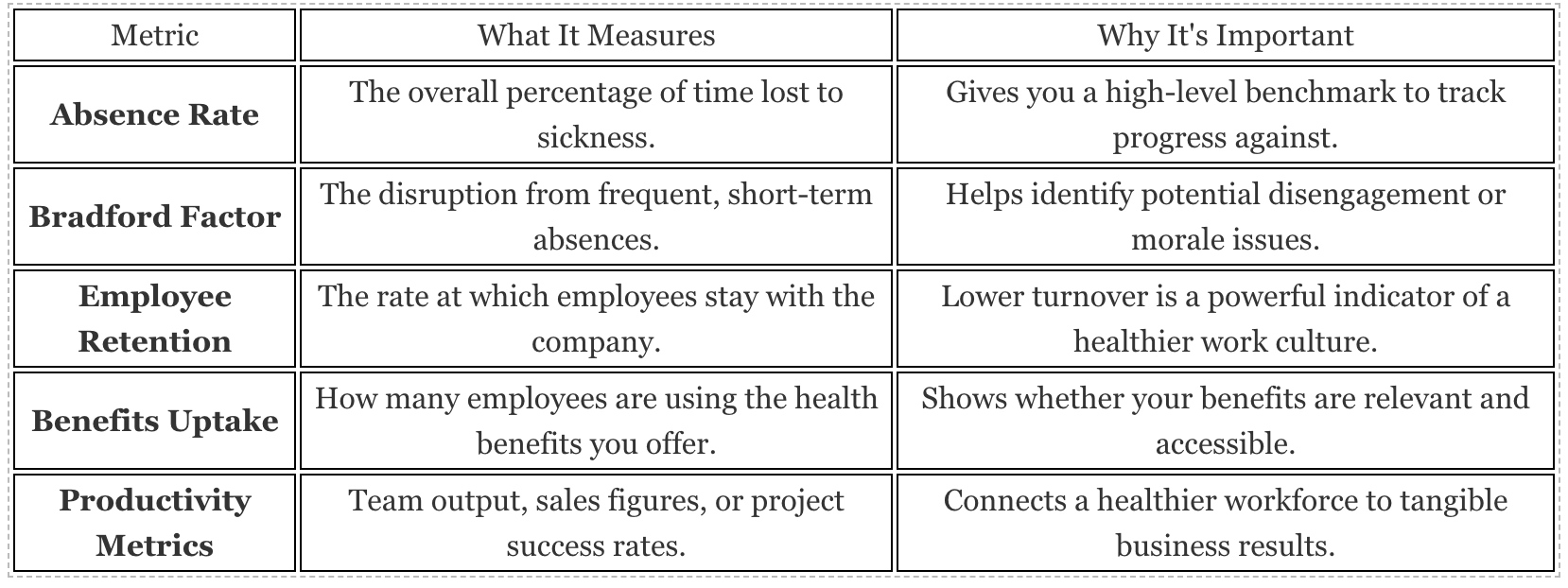
By keeping a close watch on these numbers over time, you’ll gather the evidence needed to not only refine your approach but also to confidently demonstrate the immense value of investing in your team. This isn’t just about how to reduce absenteeism at work; it’s about building a more resilient, productive, and committed organisation from the ground up.
Frequently Asked Questions
Even with the best-laid plans, tackling something as complex as workplace absence always throws up questions. Let’s walk through some of the common queries I hear from business owners and HR managers who are working to get this right.
What’s the Best First Step for a Small Business?
If you’re a smaller business, don’t get bogged down with complex software. Your most powerful first step is simply to start tracking and looking at your absence data. A basic spreadsheet will do the job perfectly.
Start logging when and why people are off. You’ll quickly begin to see patterns. Are Mondays a problem? Is one particular team struggling more than others? This basic data is your starting point.
Once you have a rough picture, just talk to your team. You could use informal chats or a simple, anonymous survey. You’ll often find that small tweaks, like offering slightly more flexible start times or providing access to a telehealth service for quick medical advice, can make a world of difference without costing a fortune.
How Can We Better Support Employees with Long-Term Health Conditions?
Supporting team members with long-term conditions is all about being flexible and treating them as individuals. It should always start with an open, supportive chat to figure out a plan together. This might involve reasonable adjustments like modifying their duties or agreeing on more flexible hours.
It’s also crucial to check that your benefits package can handle ongoing care needs. For instance, some chronic conditions can affect oral health, so having on-demand dental support could be a massive help for managing flare-ups without an employee needing to take a full day off. The real key here is to focus on what the employee can do and to build a culture where they feel safe enough to talk to you.
A supportive culture isn’t just about ticking a legal box. It’s about keeping your valuable, experienced people by showing you’re invested in them as a whole person, not just a cog in the machine.
Are Modern Wellness Benefits like Virtual Dental Care Worth the Cost?
Absolutely. While it’s an upfront investment, the return you get is significant. Think about it: preventative benefits, especially super-accessible ones like virtual dental care, directly tackle two of the biggest costs for any business—sick pay and lost productivity from presenteeism.
When an employee can resolve a painful dental issue with a 15-minute video call instead of taking a whole day off to see a dentist, you save money right away. Beyond that, a strong, modern benefits package is a huge factor in employee loyalty and retention, which cuts down the massive costs of recruitment and training. It’s an investment in a healthier, more present, and more productive workforce.
How Do Modern Clear Aligners Fit into an Employee Benefits Package?
Adding modern, affordable clear aligners to your benefits package, through a provider like Toothfairy, is a surprisingly powerful move. It shows you’re thinking beyond just reactive healthcare and are genuinely invested in your employees’ confidence and long-term wellbeing.
Unlike some well-known aligner brands that are expensive and demand loads of in-person appointments, a tech-first solution makes teeth straightening far more accessible. It dramatically cuts down the time employees need to take off work for appointments. It’s the kind of benefit that genuinely boosts morale and loyalty, which are directly tied to better engagement and attendance.
Ready to build a healthier, more present workforce? With Toothfairy, you can provide your team with instant access to dental care, from emergency support to affordable teeth straightening, all from their phone. Protect your employees’ health and your bottom line by reducing sickness and absence. Learn more about our business solutions today.
Last updated on February 14, 2026

Toothfairy Care Team
Toothfairy, is the world's smartest dental app, that connects patients to a dentist for a range of issues, from emergencies, cosmetics, prescriptions to virtual exams.
Toothfairy Care Team
Toothfairy, is the world's smartest dental app, that connects patients to a dentist for a range of issues, from emergencies, cosmetics, prescriptions to virtual exams.