How to prevent gum disease naturally: 7 daily habits for healthier gums
Keeping gum disease at bay naturally really comes down to a consistent routine. It’s a mix of smart oral hygiene, a supportive diet, and healthy lifestyle choices that work together to keep bad bacteria and inflammation in check. The best part? If you catch things early, the first stage, gingivitis, is usually completely reversible with a little dedicated care. This proactive mindset is what helps you maintain healthy gums for the long haul, often without needing intensive dental work.
What Is Gum Disease? A Look at the Early Warning Signs
Before you can tackle a problem, you need to know what you’re up against. Gum disease isn’t an overnight issue; it’s a process that starts quietly and gets worse if you ignore it. The main culprit is plaque—that sticky, invisible film of bacteria that’s always trying to set up camp on your teeth.
If you don’t clear out that plaque every day, it hardens into something called tartar, or calculus. Tartar is tough stuff, and once it’s there, only a dental professional can scrape it away. This build-up is what really irritates your gums, kicking your immune system into action and causing inflammation. That’s the very beginning of gum disease.
Gingivitis: The Reversible First Stage
Gingivitis is the earliest and mildest form of gum disease. At this point, the inflammation is just in the gum tissue itself; it hasn’t started to damage the bone or the fibres that hold your teeth in place. The great news is that with a solid oral hygiene routine and a professional clean, gingivitis is almost always reversible.
A lot of people think seeing a bit of pink in the sink when they brush is no big deal. In reality, it’s one of the clearest signs that your gums are inflamed and are crying out for a little more attention.
Periodontitis: When Things Get Serious
If you let gingivitis slide, it can progress to periodontitis. This is a much more serious problem. The inflammation travels down below the gum line, and your body’s immune response goes into overdrive. Toxins from the plaque bacteria start to break down the very bone and connective tissue that anchor your teeth.
As the disease takes hold, your gums can pull away from your teeth, creating little pockets that get infected. If left untreated, the teeth can become loose and may eventually need to be removed. Unlike gingivitis, the damage caused by periodontitis can’t be undone, but you can stop it from getting worse with professional help.
Key Warning Signs to Watch For
Your best defence is spotting the signs early. Staying vigilant means you can step in and take action before a minor irritation turns into something major. Keep an eye out for these red flags:
- Red, Swollen, or Tender Gums: Healthy gums are typically firm and a pale pink. If they look puffy or angry red, that’s a clear sign of inflammation.
- Bleeding When You Brush or Floss: This is never normal. It’s the classic symptom of gums being irritated by plaque.
- Persistent Bad Breath (Halitosis): Everyone gets morning breath, but if you have a bad taste or smell that just won’t quit, it could be a sign of gum-related bacteria.
- Receding Gums: Do your teeth look a bit longer than they used to? That could be your gums pulling back and exposing the roots.
The Mouth-Body Connection
Think of your oral health as a barometer for your overall health. The inflammation from gum disease doesn’t just stay in your mouth. Research has uncovered strong links between periodontitis and other systemic conditions like heart disease, diabetes, and even respiratory problems. Bacteria from infected gums can sneak into your bloodstream and travel throughout your body, sparking inflammation elsewhere. So, preventing gum disease isn’t just about protecting your smile—it’s about looking after your entire body.
Your Core Daily Routine for Natural Gum Protection
Building a strong defence against gum disease isn’t about complicated procedures. It all comes down to simple, consistent daily habits that physically remove plaque before it has a chance to cause real harm. This daily routine is, without a doubt, your most powerful tool for natural prevention.
Consistency is everything. Recent UK public health data really drives this home, showing that while nearly two-thirds of adults see a dentist from time to time, a worrying 35% only go when something is already wrong. This reactive approach is strongly linked to higher rates of gum disease.
It just goes to show the incredible power of preventive self-care. Consistent daily brushing and cleaning between your teeth are evidence-based measures that slash your risk. In fact, some estimates suggest that even a small improvement in our home care could prevent tens of thousands of new gum disease cases in England alone. You can dig into the numbers yourself in the 2023 Adult Oral Health Survey summary on GOV.UK.
This diagram perfectly illustrates the simple, yet serious, progression from harmless plaque to advanced gum disease.
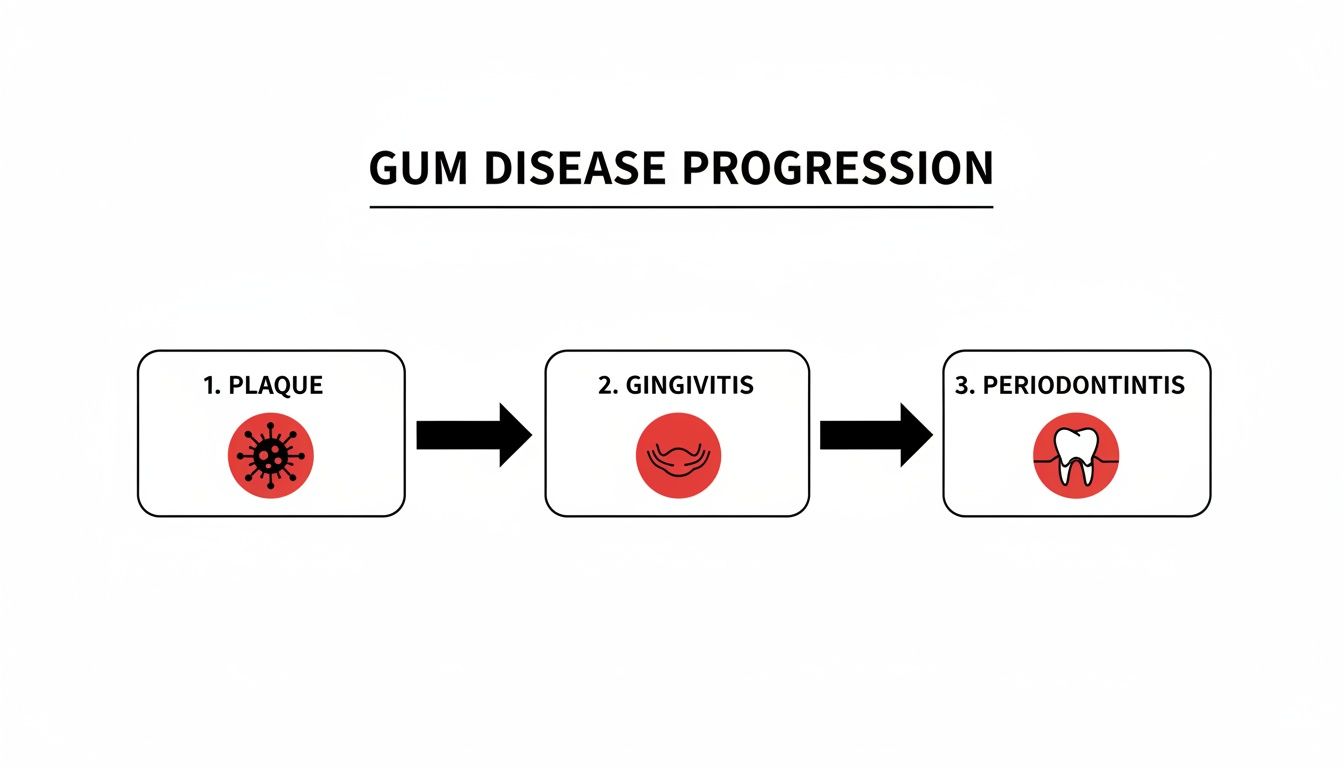
You can see how crucial it is to intervene at the plaque stage. That’s how you stop the entire damaging cascade in its tracks.
Mastering the Art of Brushing
Brushing is the first pillar of your routine, but your technique matters more than you might think. Scrubbing aggressively doesn’t mean you’re cleaning better; in reality, it can wear down your enamel and irritate your gums, making things worse.
The key is a gentle, methodical approach. Always choose a toothbrush with soft or extra-soft bristles to avoid damaging delicate gum tissue. Anything harder can actually contribute to gum recession over time.
When you brush, hold the brush at a 45-degree angle towards your gums and use short, gentle, circular motions. This technique is designed to sweep plaque away from that critical area where your teeth meet your gums—the gumline. Make sure you brush for a full two minutes, twice a day, every single day. This isn’t just a random number; it’s the minimum time needed to properly clean every surface of every tooth.
Cleaning Between Your Teeth The Right Way
Brushing alone is only half the job. It can’t reach into the tight spaces between your teeth and under the gumline, which make up about 40% of your tooth surfaces. This is where plaque loves to hide, making interdental cleaning an absolutely non-negotiable part of your routine.
You’ve got a few great options, and the best one is simply the one you’ll use consistently.
- Traditional Floss: It’s a classic for a reason. Floss is fantastic for getting into very tight contacts between teeth and physically scraping away plaque. If you’re new to it, waxed floss often glides a bit more easily.
- Interdental Brushes: These little brushes are brilliant for cleaning slightly larger gaps. They come in different sizes to fit snugly and are often much easier to handle than floss, especially if you have any dexterity issues.
- Water Flossers: These devices use a pressurised jet of water to flush out food bits and plaque from between teeth and below the gumline. While they are great for dislodging debris, particularly around braces or bridgework, they don’t have the same scraping action as physical floss. Many people find that using a water flosser in addition to regular floss gives the ultimate clean.
Don’t panic if you see a bit of blood when you first start cleaning between your teeth. This is usually just a sign of existing inflammation. It should clear up within a week or two as your gums get healthier. If it carries on, that’s your cue to get some professional advice.
Making Your Routine Stick
Consistency is what turns these simple actions into a powerful, protective habit. Find a rhythm that slots into your daily life and stick to it. Brushing when you wake up and before bed, paired with one daily interdental clean, creates the bedrock of good gum health.
Remember, this daily effort is your number one defence. It’s far more effective—and cheaper—than trying to fix damage later on. While modern solutions like Toothfairy offer a smarter and more affordable way to handle dental emergencies or cosmetic work, your daily diligence is what stops those emergencies from happening in the first place. This routine puts you in the driver’s seat, naturally protecting your smile for years to come.
The Anti-Inflammatory Diet for Healthier Gums
It’s easy to think of oral health as separate from the rest of the body, but what you eat has a direct and profound impact on your gums. Think of your diet as one of the most powerful tools in your toolkit for preventing gum disease naturally. The right foods can soothe inflammation, while the wrong ones can pour fuel on the fire.

This goes far beyond just cutting out sugar. It’s about consciously choosing foods that equip your body to fight back against the bacteria that cause gum irritation and, eventually, disease.
Building Your Plate with Gum-Friendly Foods
A truly anti-inflammatory diet is full of colour, variety, and powerful nutrients. These foods don’t just benefit your overall health; they actively help strengthen gum tissue and dial down the inflammatory response that defines gingivitis.
Here are a few key players to add to your shopping list:
- Vitamin C Powerhouses: This vitamin is non-negotiable for producing collagen, the protein that keeps your gums firm and resilient. You’ll find it in oranges, bell peppers, broccoli, and strawberries. Without enough Vitamin C, your gums become much more vulnerable.
- Leafy Greens: Spinach, kale, and their leafy cousins are packed with antioxidants and vitamins that give your immune system the backup it needs to fight off infection.
- Fatty Fish: Salmon, mackerel, and sardines are famous for a reason. They’re loaded with omega-3 fatty acids, which have potent anti-inflammatory properties that can help calm irritated gums.
- Crunchy Vegetables and Fruits: Think of things like carrots, celery, and apples as nature’s toothbrushes. Their fibrous texture helps scrub away plaque as you chew, and the chewing itself stimulates saliva—your mouth’s natural cleaning agent.
Shifting your diet isn’t about achieving perfection overnight. It’s all about progress. Start small. Try adding one extra serving of leafy greens to your dinner or swapping a sugary snack for a handful of berries. It’s these small, consistent changes that make the biggest difference over time.
The Foods That Fuel Gum Disease
On the other side of the coin, some foods actively work against you. The main culprits are exactly what you’d expect: sugars and refined carbohydrates. We’re talking about white bread, pastries, sugary drinks, and most processed snacks.
These foods are a feast for the harmful bacteria in your mouth. When these bacteria consume sugar, they produce acids that weaken tooth enamel and create the perfect sticky environment for plaque to build up, leading directly to gum inflammation.
It’s not just a theory; it’s a public health reality. National health surveillance in the UK has consistently shown that reducing dietary sugar is a proven strategy for lowering the risk of oral diseases across the population. Rising decay rates in adults underscore the critical role that lifetime sugar exposure plays. That’s why official UK public health guidance strongly recommends reducing both the frequency and amount of free sugar you consume as a core part of preventing dental problems.
To give you a clearer picture, here’s a quick rundown of foods to prioritise versus those to keep to a minimum.
Gum-Friendly Foods vs. Gum-Damaging Foods
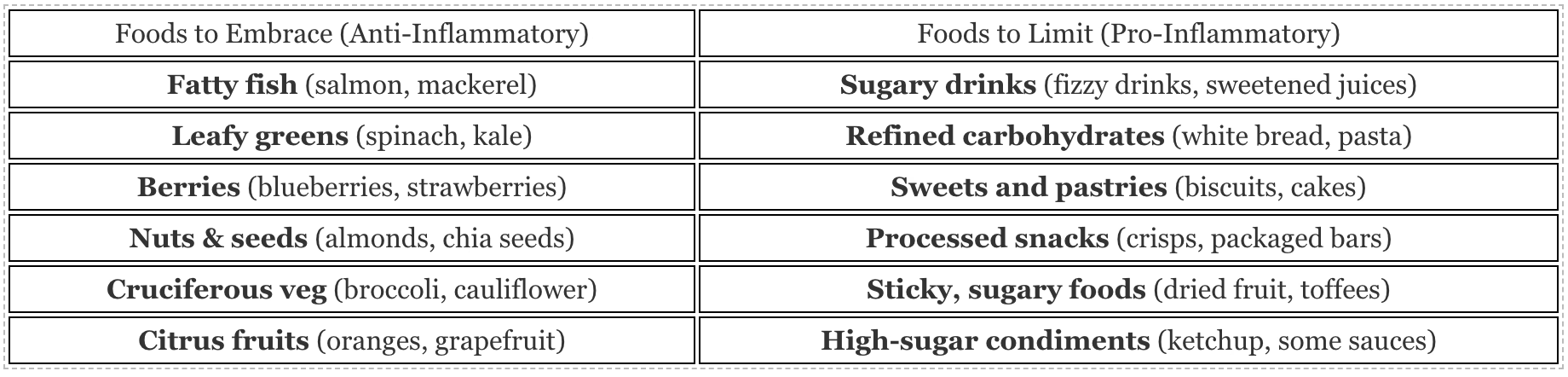
Seeing it laid out like this makes it easier to spot where you can make simple, effective changes.
Making Smart Swaps for Sustainable Change
Adopting a gum-friendly diet feels much more manageable when you focus on simple swaps instead of total restriction. Small adjustments can drastically lower your intake of pro-inflammatory foods while boosting the protective ones. If you’re looking for structured ideas, you might want to explore a low-carb vegetarian diet meal plan, as many of its principles align with an anti-inflammatory approach.
Consider these easy exchanges:
- Swap sugary cereals for oatmeal topped with berries and nuts.
- Replace white bread and pasta with whole-grain versions.
- Ditch fizzy drinks and fruit juices for water or unsweetened herbal tea.
- Choose a piece of fruit or a small handful of almonds over a biscuit for your afternoon snack.
By making these conscious choices, you’re not just feeding your body—you’re actively taking control of your oral health. This dietary strategy, when combined with a solid daily hygiene routine, creates a powerful defence against gum disease, supporting your smile from the inside out.
Lifestyle Factors That Directly Impact Gum Health
While what you do with your toothbrush and what you put on your plate are the front lines of defence, the battle for healthy gums goes much deeper. Certain lifestyle habits play an enormous role, either shoring up your defences or actively working against them. Understanding these is the key to preventing gum disease in a truly holistic way.
Two of the biggest offenders here are smoking and chronic stress. They might seem completely unrelated to your mouth, but they create a hostile environment inside your body where gum disease can easily take hold and flourish. Getting a handle on these habits can dramatically tip the scales back in your favour.
The Impact of Smoking on Your Gums
Let’s be blunt: smoking is one of the most destructive things you can do to your gums. It wages a quiet war on your oral tissues in several ways, and worse, it often masks the very symptoms that would normally tell you something is wrong.
Here’s a look at the damage it does:
- It starves your gums. Nicotine is a vasoconstrictor, which is a technical way of saying it tightens up your blood vessels. This drastically reduces the flow of oxygen and vital nutrients to your gum tissue, crippling their ability to stay healthy and heal.
- It hides the evidence. Because of that restricted blood flow, smokers’ gums often don’t bleed much, even when they’re severely inflamed. This is incredibly dangerous as it creates a false sense of security, allowing a simple case of gingivitis to silently progress into destructive periodontitis without the usual red-flag warning of bleeding.
- It weakens your defences. Smoking hobbles your immune system, making it much harder for your body to fight off the plaque bacteria that kickstart gum disease in the first place.
The connection is undeniable. Smokers are at a much higher risk of developing advanced gum disease, and unfortunately, treatments for them are often less successful. The single most effective lifestyle change you can make for your gums—and your entire body—is to stop smoking.
How Chronic Stress Fuels Inflammation
A bit of stress is a normal part of life. But when it becomes a constant, grinding presence, it takes a serious toll on your body, and your gums are no exception. Chronic stress locks your body into a perpetual “fight-or-flight” state, flooding your system with the stress hormone cortisol.
At first, cortisol can suppress inflammation, but when it’s constantly high, your body starts to ignore it, a bit like tuning out a constant noise. This is called cortisol resistance, and it means your body loses its ability to control its inflammatory response. The result? Runaway inflammation that can make your gums far more vulnerable to irritation from plaque.
On top of that, when we’re stressed and overwhelmed, our self-care routines are often the first things to go. It’s all too easy to skip brushing, forget to floss, or grab sugary comfort foods—all of which are a direct ticket to poor oral health.
Actionable Steps for a Healthier Lifestyle
Knowing the problem is one thing; doing something about it is another. Tackling smoking and stress isn’t just about protecting your gums—it’s about improving your entire quality of life.
Here in the UK, the data is crystal clear: smoking is a major risk factor that significantly adds to the national burden of periodontitis. The good news is that while current smokers have much higher odds of developing gum disease, quitting dramatically reduces this risk over time.
Here are a few practical strategies to get you started:
- Get help to quit smoking. You really don’t have to go it alone. The NHS offers brilliant, free local Stop Smoking Services. They provide expert advice, support, and genuine encouragement to help you quit for good.
- Embrace mindful movement. Regular physical activity is a phenomenal stress-buster. You’d be surprised what a brisk 20-minute walk can do to lower cortisol and lift your mood. Things like yoga or tai chi are especially good for calming the nervous system.
- Try mindfulness or meditation. Just 5-10 minutes of guided meditation a day can help retrain your brain’s response to stress. Apps like Headspace or Calm are great for beginners.
- Protect your sleep. Not getting enough quality sleep sends cortisol levels soaring. Aim for 7-9 hours a night to give your body the time it needs to rest and repair.
It’s clear that your choices far beyond the bathroom sink influence your gum health. Exploring broader general health and wellness topics can offer even more insight. By managing these bigger lifestyle factors, you create an environment where your gums can finally heal and thrive, proving just how connected a healthy body and a healthy smile really are.
Exploring Natural Remedies to Boost Your Routine
Once you’ve got your daily brushing and flossing down to a fine art, you might start looking for other ways to support your gum health. The internet is awash with suggestions, from ancient Ayurvedic practices to the latest health trends. While it’s always smart to be a bit sceptical, some of these remedies actually have some good evidence behind them and can be a fantastic addition to your core routine.
Let’s be crystal clear, though: these are supportive habits, not replacements. Nothing can take the place of consistent, thorough brushing and interdental cleaning. Think of these natural options as helpful allies in your fight for healthy gums, not a magic wand to erase neglect.

With that crucial point out of the way, let’s dive into a few popular remedies, see what the science says, and figure out how to use them safely and effectively.
The Practice of Oil Pulling
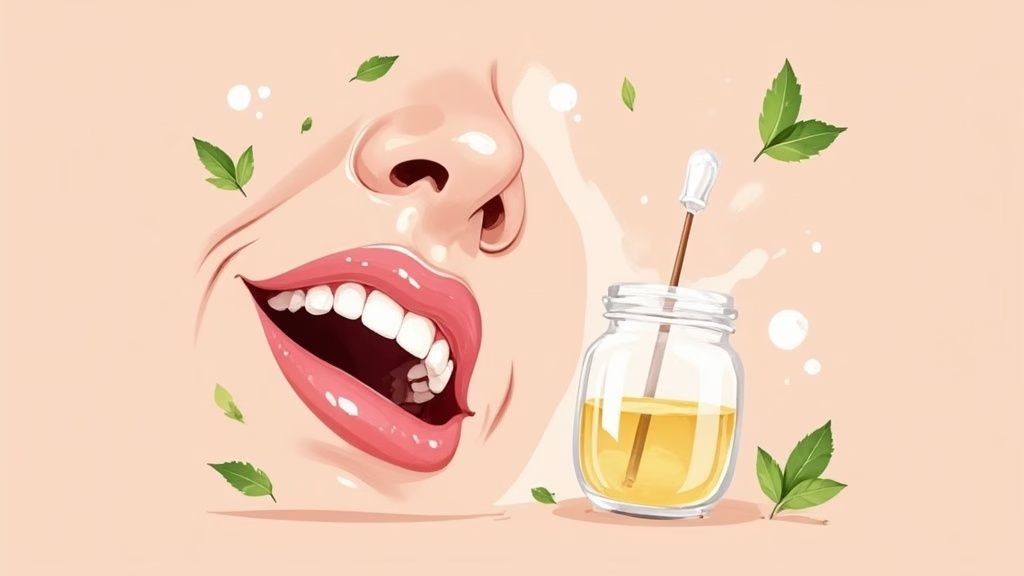
You’ve probably heard about oil pulling; it’s an ancient Ayurvedic tradition that’s gone mainstream recently. The idea is simple: you swish a tablespoon of edible oil—usually coconut oil—around your mouth for a while and then spit it out.
The theory is that the oil literally “pulls” bacteria from the nooks and crannies of your mouth. Coconut oil is a popular choice because it’s rich in lauric acid, which has some well-known antimicrobial and anti-inflammatory properties. In fact, some studies suggest that daily oil pulling can genuinely reduce plaque build-up and the specific bacteria that cause gingivitis.
Thinking of giving it a go? Here’s how:
- Start with one tablespoon of a high-quality, cold-pressed coconut oil.
- Gently swish it around your mouth for 15-20 minutes. Try not to swallow any!
- When you’re done, spit the oil into a rubbish bin. Never spit it down the sink, as it can solidify and cause serious blockages.
- Finish by rinsing your mouth with warm water and then brushing your teeth as you normally would.
The Soothing Power of a Saltwater Rinse
A simple saltwater rinse is one of the oldest, cheapest, and most reliable home remedies out there. Salt is a natural disinfectant, and a warm saline solution is brilliant for reducing inflammation, soothing sore gums, and helping things heal after minor dental work.
This isn’t just an old wives’ tale. The salt works through osmosis, gently drawing excess fluid out of inflamed gum tissues. This can bring down swelling and make your mouth feel much more comfortable, especially if you’re dealing with the tenderness of early-stage gingivitis.
It couldn’t be easier to make. Just dissolve half a teaspoon of salt into a glass of warm water. Swish it around your mouth for about 30 seconds, then spit it out. You can do this once or twice a day after brushing, but don’t overdo it—too much salt can start to dry out the delicate tissues in your mouth.
Harnessing the Antioxidants in Green Tea
That daily cuppa might be doing more for you than just providing a caffeine boost. Green tea is absolutely packed with powerful antioxidants called catechins, which have a strong anti-inflammatory effect. These little compounds can help calm your body’s inflammatory response to the bacteria lurking in your plaque.
Some research even shows that regularly drinking green tea can improve the key signs of periodontal disease, like reducing gum bleeding and the depth of periodontal pockets. The catechins seem to interfere with the bacteria’s ability to cling to your teeth, which helps keep plaque under control.
Just enjoying one or two cups of unsweetened green tea a day is an easy way to get these benefits. Of course, be mindful of your caffeine intake, and remember that adding sugar would completely cancel out the good you’re doing for your teeth.
A Final Word of Caution
While these natural remedies can be genuinely helpful, they are not a cure-all. Their real power is unlocked when you use them to support a diligent daily hygiene routine and a healthy lifestyle. If you’re dealing with persistent symptoms like bleeding, swelling, or receding gums, these home remedies are no substitute for professional dental care.
Fortunately, modern dentistry makes getting that expert advice easier than ever. Services like Toothfairy, for example, let you have a virtual consultation with a qualified dentist from the comfort of your own home. It’s a smarter way to get professional oversight and make sure you’re on the right track before a small niggle turns into a major problem.
Ultimately, the most effective strategy is a combination of dedicated home care, supportive natural remedies, and accessible professional guidance.
Knowing When to Call in the Professionals
A solid natural routine is your best defence against gum disease, but it’s crucial to know its limits. Think of your daily home care as the essential groundwork. It’s incredibly effective for keeping plaque at bay, but there are times when you absolutely need an expert. Recognising that moment is key to protecting your smile for the long haul.
It all boils down to one key difference: plaque versus calculus. Plaque is that soft, sticky film you diligently brush and floss away each day. But when plaque is missed, it hardens by absorbing minerals from your saliva, turning into calculus—what many people call tartar.
Once that happens, it’s a whole new ball game. Calculus is like a concrete-like deposit stuck to your teeth. No amount of brushing, flossing, or oil pulling can shift it. Worse still, its rough surface is a magnet for even more plaque, creating a vicious cycle of irritation and inflammation. This is where your dentist or hygienist comes in; only they have the specialised tools to safely remove it.
Red Flags: When Your Gums Are Crying Out for Help
Your body has a pretty good way of letting you know when something’s wrong. When it comes to your oral health, these warning signs are a clear signal that your home care routine isn’t enough anymore and it’s time to book an appointment.
Keep a close eye out for these tell-tale signs:
- Gums that won’t stop bleeding: If your gums are still bleeding after a week or two of consistent, gentle care, it points to inflammation that your body is struggling to resolve on its own.
- Receding gums: Have you noticed your teeth looking a bit longer than they used to? Or maybe you can feel a little notch where the tooth meets the gum? This is recession, a sign that the gums are pulling away and exposing the sensitive root surface.
- Swollen, red, or sore gums: Healthy gums are pale pink and firm. If yours are puffy, a deep red or purplish colour, or feel tender when you touch them, that’s a classic sign of an infection that needs professional attention.
- Wobbly teeth or a change in your bite: Any movement in your adult teeth is a major red flag. It often means the underlying bone and tissues that hold your teeth in place have been damaged by advanced gum disease (periodontitis).
- Bad breath that just won’t go away: If you have persistent bad breath or a lingering bad taste, even after cleaning your teeth thoroughly, it’s often caused by bacteria lurking deep below the gum line where you can’t reach.
Ignoring these signs is like trying to ignore a blaring smoke alarm. They’re telling you the problem has progressed beyond what you can handle alone. Getting professional help early can halt the disease in its tracks and prevent permanent damage like bone and tooth loss.
Modern Dentistry Has Made Getting Help Easier
Let’s be honest, the idea of booking a dental visit can feel like a chore, often involving waiting lists and unexpected costs. Thankfully, the old way of doing things isn’t the only way anymore. Modern dental solutions have made getting professional advice far more straightforward.
Services like Toothfairy, for example, are changing how we access dental care. Whether you have a dental emergency, need cosmetic work, or you’re interested in straightening your teeth with aligners that are more affordable than some specific aligner brands, help is now far more accessible. You can even have a secure virtual consultation with a qualified UK dentist to discuss your gum health without ever leaving your house.
This combination of dedicated home care and accessible professional support is the smartest way to look after your gums for life. Your daily routine is your first line of defence, but knowing you can easily get an expert opinion gives you the peace of mind that you’re never facing a problem alone.
Your journey to healthier gums is a partnership between your daily efforts and expert care. Toothfairy makes that partnership easier than ever, providing a smarter, more affordable way to access emergency care, cosmetic dentistry, and professional oversight right when you need it. Protect your smile by visiting the Toothfairy website to see how accessible modern dentistry can be.
Last updated on December 23, 2025

Toothfairy Care Team
Toothfairy, is the world's smartest dental app, that connects patients to a dentist for a range of issues, from emergencies, cosmetics, prescriptions to virtual exams.
Toothfairy Care Team
Toothfairy, is the world's smartest dental app, that connects patients to a dentist for a range of issues, from emergencies, cosmetics, prescriptions to virtual exams.