How to Fix Crooked Teeth Without Braces in the UK
It’s absolutely possible to fix crooked teeth without braces. Modern dentistry offers fantastic solutions like clear aligners, veneers, or cosmetic bonding. While aligners physically move your teeth into a straighter position, cosmetic options like veneers offer a much quicker aesthetic fix by simply masking any imperfections.
Smarter and more affordable approaches like Toothfairy’s remote-prescribed aligners have also made professional treatment far more accessible than it used to be.
Embracing a Modern Approach to a Straighter Smile
The days when metal braces were seen as the only path to a perfectly aligned smile are well and truly behind us. Many of us in the UK look in the mirror wanting straighter teeth but are immediately put off by the thought of traditional orthodontics. If that sounds familiar, you’re definitely not alone.
Thankfully, the demand for more discreet, convenient, and effective alternatives has led to some incredible advancements in dental care. This guide is here to cut through the noise and show you exactly how to fix crooked teeth without ever needing traditional braces, focusing on practical choices that actually fit into a modern lifestyle.
Why More Adults Are Skipping Traditional Braces
The move away from metal braces is no fleeting trend. It’s a real shift, driven by adults who value both aesthetics and convenience. Here in the UK, demand for adult orthodontic treatment has rocketed, with over 76% of orthodontists reporting a noticeable increase in adult patients over just the last three years.
This boom is directly tied to the rise of non-brace options, which appeal to the 83% of patients aged 26-55 who say discretion is a top priority. You can dig into these stats and what’s motivating adults to seek treatment over on the British Orthodontic Society website.
It’s clear there’s a strong preference for treatments that don’t get in the way of professional or social life. Modern solutions offer a way to get the smile you want without the perceived drawbacks of visible metalwork.
Your Options at a Glance
So, what are we actually talking about here? The main ways to fix crooked teeth without conventional braces fall into two distinct camps.
- Orthodontic Movement: These are treatments that physically shift your teeth into the correct position over a period of time. The standout example is clear aligners, which use a series of custom-made, transparent trays to gently guide your teeth into proper alignment.
- Cosmetic Camouflage: These solutions don’t actually move your teeth. Instead, they mask the imperfections, making them an ideal choice for addressing minor issues very quickly. Prime examples include porcelain veneers and composite bonding.
Key Takeaway: Your best option really hinges on your end goal. If you want to correct the underlying alignment and improve your bite, an orthodontic solution like clear aligners is what you need. But if you’re just looking for a rapid aesthetic upgrade for minor flaws, cosmetic options are a fantastic alternative.
To help you see the differences more clearly, here’s a quick comparison of the most common braceless options.
At a Glance Comparing Braceless Teeth Straightening Options

This table gives you a starting point, but we’ll dive into each of these in more detail. It’s also worth noting that services like Toothfairy are changing the game by making professionally supervised orthodontic care more accessible. Using a remote-first model, you can get dentist-prescribed clear aligners without constant trips to a clinic, offering a much smarter and more affordable way to manage your treatment journey.
How Clear Aligners Offer a Smarter Solution
Clear aligners have completely changed the game in orthodontics. For anyone wanting a straighter smile without the hassle of traditional “train track” braces, they offer a genuinely effective and almost invisible alternative. What was once a niche option is now a mainstream choice for adults and teens alike.
The concept behind them is simple but incredibly clever. Instead of fixed brackets and wires, you wear a series of custom-made, transparent plastic trays. Each tray is slightly different, applying gentle but consistent pressure to gradually guide your teeth into their ideal position over a matter of months.
The Modern Aligner Journey from Start to Finish
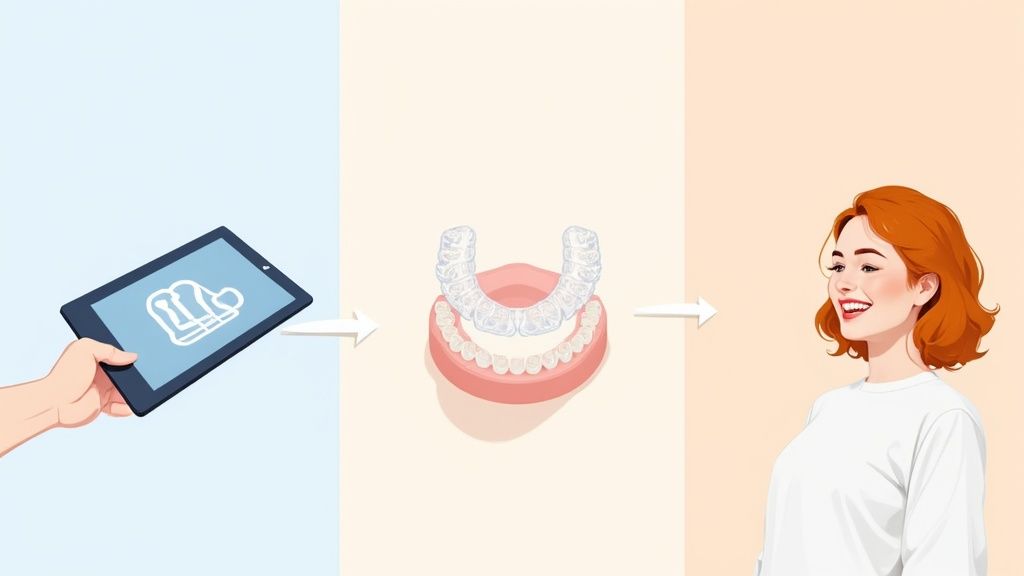
It all kicks off with creating a precise 3D model of your teeth. Traditionally, this meant booking an appointment at a clinic for a digital scan. While this method works perfectly well, it often involves multiple trips, higher costs, and a rigid schedule, which is still the case with some well-known aligner brands.
But there’s a much smarter, more affordable way to do it now, pioneered by services like Toothfairy. The entire process can start from the comfort of your own home. You get an impression kit in the post with clear, easy-to-follow instructions to make moulds of your teeth. Pop them back in the mail, and they’re sent to a lab to be scanned and turned into a detailed digital treatment plan.
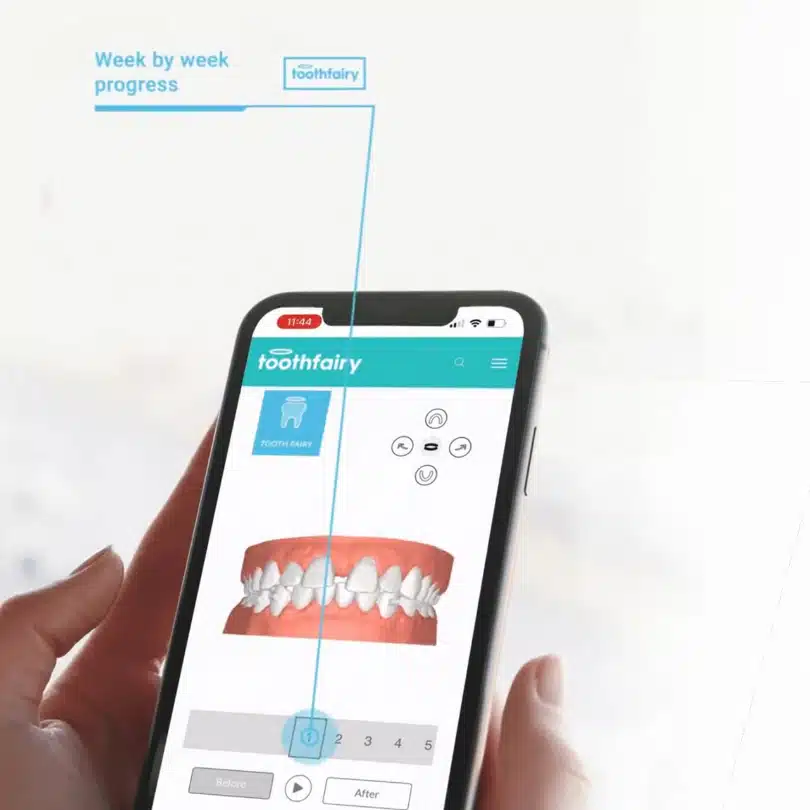
This is the really exciting bit. A UK-registered dentist designs your plan, and you get a 3D preview showing exactly how your teeth will shift and what the final result will look like—all before you commit a penny. Once you give it the green light, your complete set of custom aligners is made and shipped directly to your door.
Key Insight: The big difference here isn’t in the aligners themselves, but in how the treatment is delivered. Teledentistry platforms bring professional orthodontic care directly to you. They cut out the need for multiple clinic visits, passing those savings on while ensuring a qualified dentist is supervising your progress every step of the way. This is a smarter and more affordable path to a straighter smile.
The demand for these more accessible options is soaring. Around 200,000 young people in the UK receive NHS-funded orthodontics each year, but it’s estimated that a third of all children could benefit from treatment. With some NHS waiting lists stretching up to six years, many families are looking for private options. This is why the UK orthodontics market is projected to reach $370.3 million by 2027. You can dig deeper into orthodontic treatment trends in the UK.
Before we move on, let’s look at how this new remote model compares to the traditional in-clinic experience.
Comparing Clear Aligner Experiences

This comparison really highlights how technology has made achieving a straighter smile more straightforward and budget-friendly without compromising on professional oversight.
What Dental Issues Can Aligners Actually Fix?
Clear aligners are incredibly versatile. They aren’t just for minor cosmetic tweaks; they are a powerful tool for achieving significant and lasting corrections for a wide range of common issues.
Here are some of the main problems clear aligners are brilliant at solving:
- Overcrowding: This is when there simply isn’t enough room in your jaw for your teeth, causing them to overlap and twist. Aligners work by creating space and guiding teeth into a neat arch.
- Gaps Between Teeth (Diastema): Whether it’s one noticeable gap or several smaller ones, aligners are excellent at closing these spaces for a more even smile.
- Crossbites: This happens when some of your upper teeth bite down inside your lower teeth. Aligners can correct this to improve your bite and prevent uneven tooth wear.
- Overbites and Underbites: For mild to moderate cases, aligners can successfully adjust the relationship between your top and bottom teeth, improving both function and your facial profile.
Of course, it’s important to be realistic. While aligners are perfect for most common misalignment cases, some extremely severe or complex issues involving major jaw problems might still need traditional methods. That’s why any responsible provider, including Toothfairy, starts with a thorough assessment by a registered dentist. They’ll confirm if you’re a suitable candidate, ensuring your treatment is not only effective but, most importantly, safe.
Fancy a Quicker Fix? Exploring Cosmetic Solutions
While clear aligners do a fantastic job of physically moving your teeth into the right place, sometimes that’s not really the goal. If you’re after a purely aesthetic, super-fast transformation, cosmetic dentistry has some brilliant tricks up its sleeve. These options don’t actually move your teeth; instead, they cleverly mask any imperfections.
It’s a crucial distinction to make. Think of cosmetic fixes as an expert makeover for your smile, perfect for hiding minor crookedness, small gaps, or stubborn stains. They won’t, however, fix an underlying bite problem. For anyone with a generally healthy bite who just wants a quick visual upgrade, these solutions can be a total game-changer.
Porcelain Veneers for a Full Smile Redesign
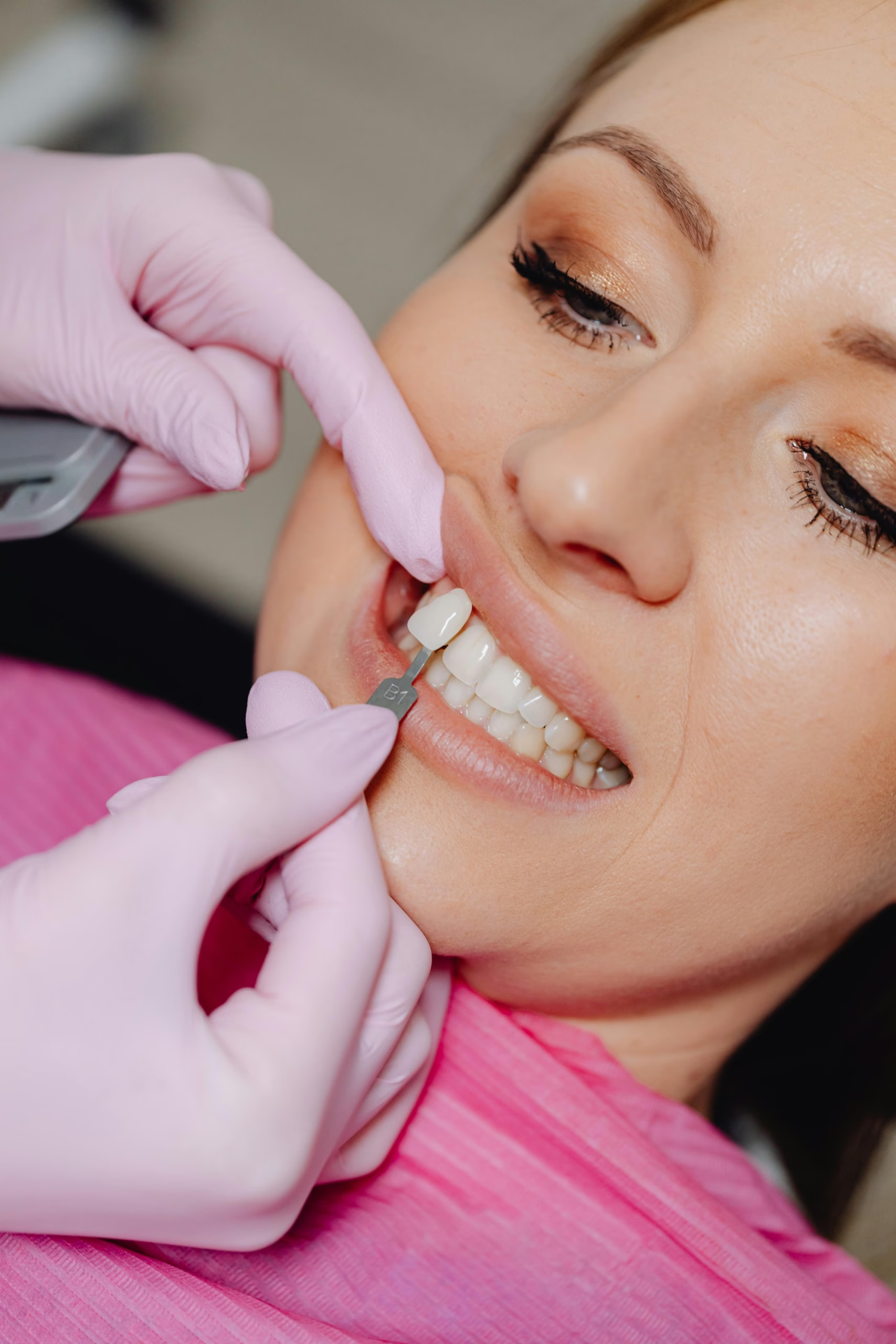
When you hear the term “Hollywood smile,” porcelain veneers are usually what people are talking about. These are ultra-thin, custom-made shells of ceramic that are bonded directly onto the front of your teeth. Imagine them as being like false nails, but for your teeth—only far more durable and permanent.
Veneers are incredibly versatile and can fix a whole list of cosmetic concerns all at once:
- Minor Misalignment: They can make slightly wonky teeth look perfectly straight.
- Gaps: Veneers are great for closing small-to-medium gaps between your teeth.
- Discolouration: They can cover up deep stains that even professional whitening can’t shift.
- Chips and Wear: They restore the original shape of worn-down or chipped teeth, giving you a uniform, even look.
The whole process usually takes two or three visits. In the first appointment, the dentist will shave off a tiny sliver of enamel to make room for the veneer. They’ll take some moulds and fit you with temporary veneers. A couple of weeks later, you’ll be back to have your permanent, custom-made veneers bonded securely in place, completely transforming your smile.
Composite Bonding: The Less Invasive, Wallet-Friendly Choice
If the thought of veneers feels a bit too permanent or pricey, composite bonding is an excellent alternative. This technique involves applying a tooth-coloured resin directly onto the tooth and skilfully sculpting it into the perfect shape. It’s a real art form, blending science with a creative touch.
Bonding is best for smaller fixes, like repairing a single chipped tooth, closing a tiny gap, or improving the shape of one or two misshapen teeth. The best part? It’s almost always done in a single visit, often without any need for anaesthetic. Because it involves little to no removal of your natural tooth, it’s a wonderfully conservative approach. It might not last as long as porcelain, but with good care, bonding can look fantastic for years.
The Key Takeaway: Veneers are a permanent commitment because of the enamel removal involved. Bonding, on the other hand, is completely reversible and can be removed or replaced without any lasting change to the tooth underneath. This makes it a great starting point if you’re a bit hesitant about making a big cosmetic change.
Enamel Contouring for Those Tiny Tweaks
Sometimes, a smile only needs the smallest of adjustments to look its absolute best. That’s where enamel contouring, sometimes called tooth reshaping, really shines. It’s a subtle but surprisingly effective procedure for correcting tiny chips, uneven lengths, or very slight overlaps between teeth.
Using a special sanding disc or a fine diamond bur, a dentist carefully removes minuscule amounts of tooth enamel to alter the shape, length, or surface of a tooth. The whole thing is quick, completely painless, and you see the results immediately. It’s the perfect finishing touch for creating a more harmonious and symmetrical smile.
To really complete the picture, you might also look into complementary non-invasive lip treatments which can beautifully frame your newly perfected teeth. It’s all about creating a look you feel truly confident in. Ultimately, these cosmetic options offer a much faster path to a great-looking smile, but they work best when your bite is already in a healthy and stable place.
Making the Right Choice for Your Smile and Budget
Deciding on the right treatment is a big deal. It’s not just about how your teeth look; it’s about finding a solution that genuinely fits your life, your budget, and what you want for your long-term dental health. This is where you go from just browsing options to actually making a plan.
The very first thing to get straight is the fundamental difference between the types of treatment. Ask yourself: am I looking to fix the actual position of my teeth for better health and function, or am I aiming for a quick cosmetic upgrade? Answering that honestly will immediately point you down the right path.
Orthodontic Correction vs Cosmetic Camouflage
The most important distinction to grasp is between treatments that physically move your teeth and those that simply cover up imperfections. One gets to the root of the problem, while the other is more like a clever disguise.
- Orthodontic Solutions (Clear Aligners): These treatments, like the ones offered by Toothfairy, physically shift your teeth into straighter, healthier positions. The real benefit here is that it improves your bite, makes your teeth easier to clean, and delivers a functional improvement that lasts. If true alignment is what you’re after, this is the way to go.
- Cosmetic Fixes (Veneers, Bonding): These are fantastic for masking minor things like chips, small gaps, or slightly rotated teeth, especially when your bite is already healthy. They deliver fast, often dramatic results, but they don’t change the underlying structure or position of your teeth.
This decision tree gives you a quick visual on whether a cosmetic fix might be the right fit for your immediate goals.
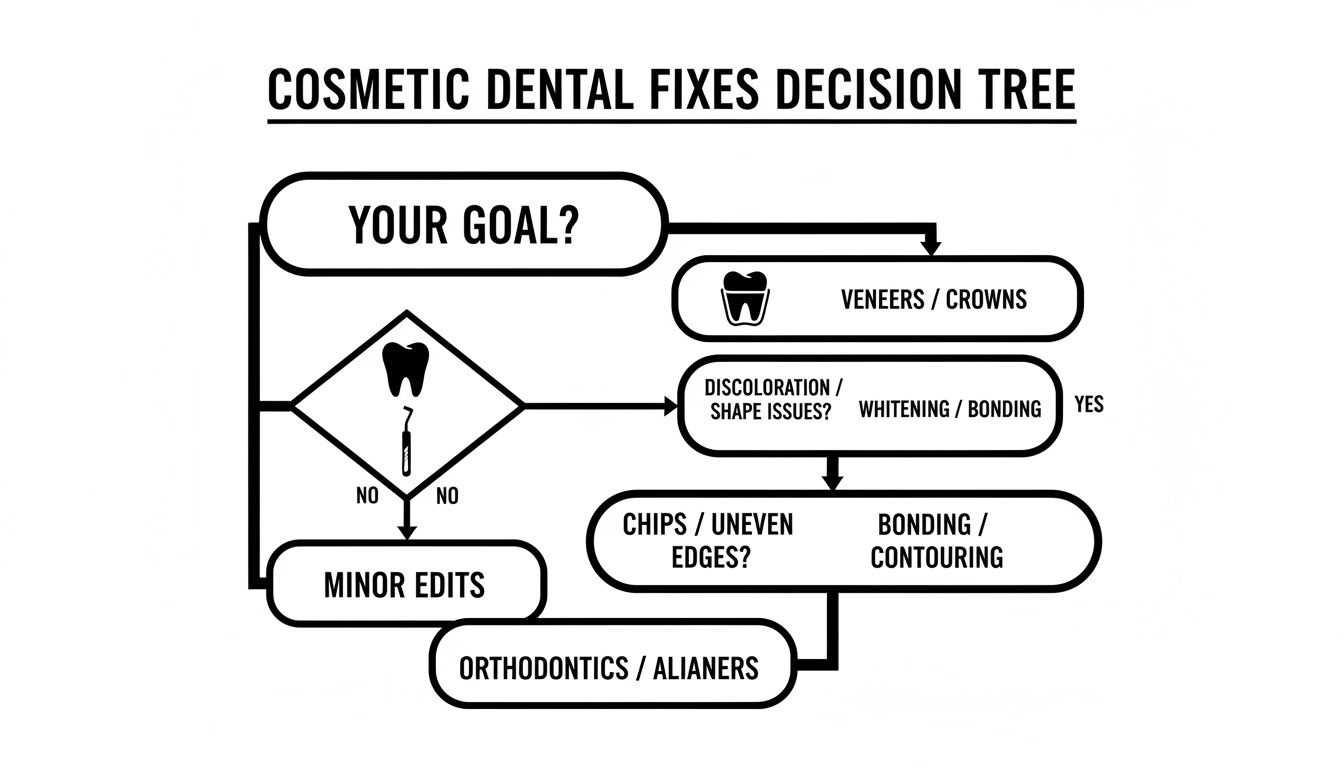
As the diagram shows, cosmetic work is perfect when you want to either mask flaws with something like veneers or make smaller edits with bonding and contouring.
Comparing the Costs: A Realistic UK Budget Guide
Let’s be honest, budget is a massive factor. The cost of fixing crooked teeth without braces can vary wildly here in the UK, all depending on how complex your situation is and which route you take.
Porcelain veneers come with the highest initial price tag, typically running from £500 to £1,000 per tooth. So, a full smile makeover can be a pretty hefty financial commitment. On the other hand, composite bonding is a much more accessible choice, usually costing between £200 and £400 per tooth, which makes it brilliant for smaller, targeted fixes.
Clear aligners have a different cost structure entirely. Some aligner brands that demand lots of in-clinic appointments can cost anywhere from £3,500 to over £6,000. This is where modern teledentistry has really changed the game, offering a smarter, more affordable way forward.
The Toothfairy Approach: By cutting out the overheads of constant physical appointments, services like Toothfairy can provide professionally supervised clear aligner treatment at a much more manageable price. With flexible payment plans designed to spread the cost, achieving a genuinely straighter smile is no longer a pipe dream for many people.
When you’re weighing up the costs, it’s also worth understanding cosmetic surgery financing options to see how you can manage the investment.
Aligning Your Choice with Lifestyle and Goals
Beyond the price, take a moment to think about your day-to-day life and what you really want for your smile in the long run. The final choice has to be something you can realistically commit to.
Here are a few key things to consider:
- Time Commitment: How fast do you need to see a change? Cosmetic fixes like bonding are almost instant, often done in a single visit. Clear aligners require more patience—treatments usually take between four to nine months—but the result is a permanent change to your natural smile.
- Level of Invasiveness: Are you okay with irreversible procedures? Getting porcelain veneers means permanently removing a thin layer of your natural tooth enamel. In contrast, clear aligners and composite bonding are minimally invasive, leaving your original tooth structure intact.
- Maintenance: What does long-term care involve? Veneers and bonding demand excellent oral hygiene and might need replacing or touching up down the line. Aligner treatment ends with wearing a retainer to make sure your newly straightened teeth stay put for life.
Ultimately, the best way to fix crooked teeth without braces is the one that solves your specific dental needs, fits your budget, and suits your life. Whether that’s the deep-down correction of aligners or the instant polish of cosmetic work, making an informed decision is the key to getting a smile you’ll absolutely love.
The Hidden Dangers of Unsupervised DIY Dentistry
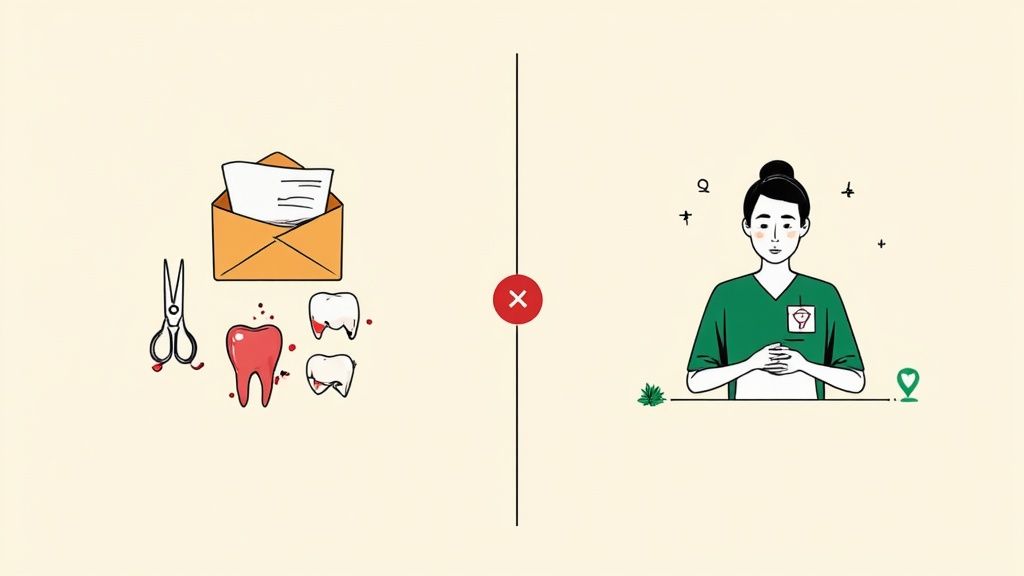
The internet is full of quick fixes, and the search for a perfect smile has led many down a dangerous rabbit hole of mail-order kits and so-called ‘dental hacks’. These DIY options look tempting, promising a cheap and easy path to straight teeth. The reality, however, is that they come with severe risks that can cause permanent, costly damage.
Trying to move your own teeth without a dentist’s guidance isn’t a shortcut; it’s a huge gamble. The forces needed to shift teeth have to be incredibly precise and controlled. Get it wrong, and you can quickly turn a minor cosmetic concern into a major dental emergency.
Irreversible Damage: When ‘Cheap’ Costs You Dearly
Without the trained eye of a qualified dentist, you’re risking far more than just a wonky smile. The damage from unregulated DIY orthodontics can be devastating and, in many cases, completely irreversible. It’s a stark reminder that chasing a low price tag can end up costing you so much more in the long run.
Some of the most common and serious consequences we see include:
- Tooth and Root Damage: Applying the wrong kind of pressure can literally destroy the roots of your teeth—a problem called root resorption. This weakens the tooth’s foundation until it becomes loose and, eventually, falls out.
- Permanent Tooth Loss: In the worst-case scenarios, unsupervised straightening can lead to losing perfectly healthy teeth. Once a tooth is gone, the only fix is an expensive restoration like a dental implant or bridge.
- Bite Problems (Malocclusion): Shifting teeth without a full understanding of your bite is a recipe for disaster. A newly misaligned bite can trigger jaw pain, headaches, difficulty chewing, and excessive wear on your other teeth.
- Gum Disease and Recession: Badly fitting DIY aligners or devices can seriously irritate your gums. This can lead to inflammation, gum recession (where the gums pull away from the teeth), and a much higher risk of developing gum disease.
Crucial Distinction: It is absolutely vital to understand the difference between dangerous, unsupervised DIY kits and legitimate, professionally supervised teledentistry. The key difference is the non-negotiable involvement of a registered UK dental professional at every single stage of your treatment.
How to Spot the Red Flags of Risky Treatment
So, how do you tell a safe, modern solution from a dangerous gimmick? A legitimate provider will always put your health and safety first. Services like Toothfairy are built on a foundation of professional care, ensuring a UK-registered dentist is in charge of your entire journey.
Be on high alert for any company that:
- Skips a professional assessment: This is the biggest red flag. If a registered dentist or orthodontist isn’t evaluating your case before you start, walk away.
- Makes unrealistic promises: Claims of “instant results” or “guaranteed perfection” for a rock-bottom price are almost always too good to be true.
- Offers a one-size-fits-all solution: Your mouth is unique. Safe and effective treatment demands a personalised plan based on detailed scans or impressions of your teeth.
- Lacks clear clinical supervision: You should always know exactly which dental professional is responsible for your care and have a clear way to contact them if you have questions or concerns.
With Toothfairy, for instance, a qualified dentist prescribes your clear aligner plan and remotely monitors your progress from start to finish. This model makes professional care more accessible without ever cutting the corners on clinical oversight.
At the end of the day, proper orthodontic treatment is a medical procedure, not a cosmetic product you can just add to your basket. Choosing a professionally supervised path is the only way to safely fix crooked teeth and protect your smile for life.
Your Questions About Straightening Teeth Without Braces, Answered
Once you start looking into alternatives to traditional braces, a whole host of questions naturally comes to mind. It can feel like a bit of a minefield, and you want to be certain you’re making the best decision for your smile. Let’s tackle some of the most common queries I hear from patients to give you the clarity you need.
Can Clear Aligners Really Fix Very Crooked Teeth?
This is a big one, and rightly so. For a huge range of cases—from mild crowding and spacing to more moderate bite issues—clear aligners are incredibly effective. In fact, for the majority of adults looking to improve their smile, systems like the one used by Toothfairy are often the ideal solution.
However, it’s important to be realistic. For some of the most complex orthodontic situations, like severe tooth rotations or major jaw discrepancies, traditional fixed braces might still be the best tool for the job. This is precisely why a professional assessment is non-negotiable. With a service like Toothfairy, your journey always begins with a review by a UK-registered dentist. They’ll confirm if aligners are the safest and most effective path for you before you commit to anything.
What’s the Cost of Braces Alternatives in the UK?
The price tag for straightening your teeth without braces can vary massively depending on the route you take. Understanding the different price points is key to finding a solution that works for you and your budget.
- Porcelain Veneers: This is often the most significant upfront investment. You could be looking at £500 to £1,000 per tooth, so a full smile makeover can add up quickly.
- Composite Bonding: A much more accessible cosmetic option. Costs typically fall between £200 and £400 per tooth, making it brilliant for sorting out smaller imperfections.
- Clear Aligners: This is where you’ll see the biggest range. Some in-clinic aligner brands can cost anywhere from £3,500 to £6,000 or even more.
A More Affordable Approach: Modern teledentistry has completely changed the game here. Providers like Toothfairy can offer professionally supervised aligner treatment at a fraction of the traditional cost simply by cutting out expensive clinic overheads. You get the same high-quality results, often with flexible payment plans to spread the cost.
Does It Hurt to Straighten Teeth Without Braces?
Discomfort is a valid concern, but I have some good news for you: most braceless treatments are far more comfortable than old-school metal braces.
When you pop in a new set of clear aligners, you’ll likely feel some pressure for the first day or so. This is actually a good sign—it means your teeth are moving! The feeling is usually mild and very manageable.
Cosmetic work like bonding or contouring is virtually painless. With veneers, some people experience temporary sensitivity after their teeth are prepped, but this typically fades fast. All in all, it’s a much gentler experience than navigating metal wires and brackets.
How Do I Get Started With a Service Like Toothfairy?
The whole process is designed to be as straightforward and convenient as possible, fitting into your life rather than disrupting it. It completely removes the hassle of scheduling multiple trips to a clinic.
Getting started usually looks like this:
- Take a Free Online Assessment: You’ll begin with a quick online check to see if you’re a likely candidate for clear aligners. It only takes a few minutes.
- Use an At-Home Impression Kit: If you’re a good fit, you’ll be sent an easy-to-use kit to take moulds of your teeth right from your kitchen table.
- Review Your Personalised 3D Plan: A UK-registered dentist will use your impressions to build a detailed 3D preview of your treatment. You’ll see exactly how your teeth will move and what your final smile will look like.
- Receive Your Aligners: Once you’ve given the green light on your custom plan, your complete set of aligners is created and shipped directly to your door.
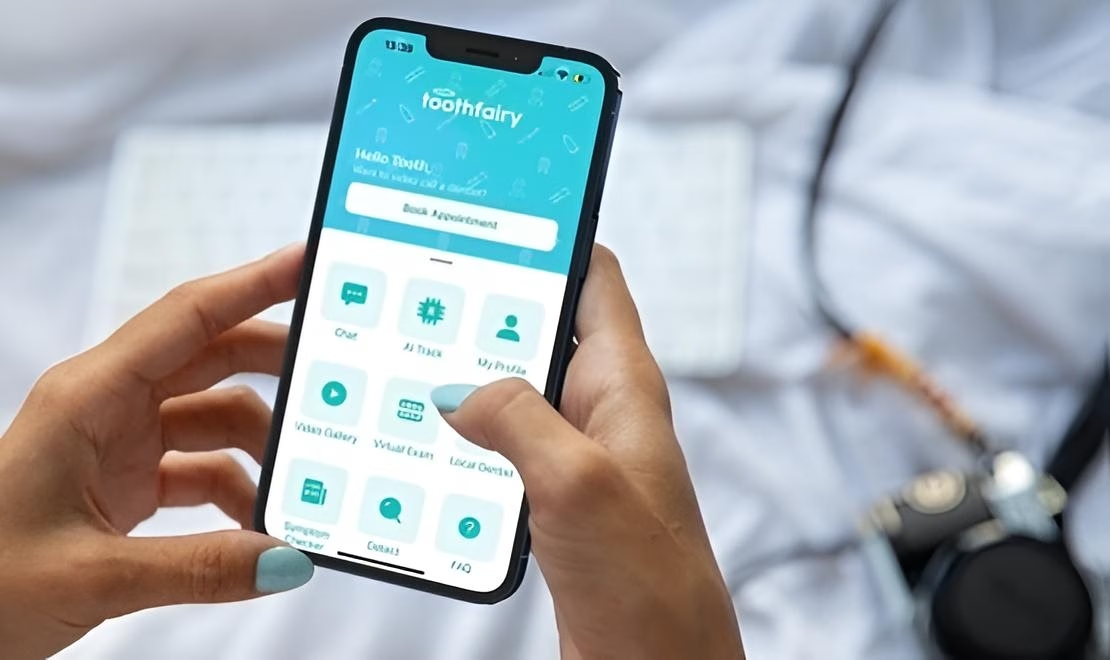
- Stay on Track with Remote Monitoring: Throughout your journey, your assigned dentist keeps a close eye on your progress through the app. This ensures everything is safe, effective, and moving along just as it should be.
It’s a smarter, more affordable, and genuinely convenient way to finally get the smile you’ve always wanted.
Ready to take the first step towards a straighter, more confident smile without the fuss of braces? With Toothfairy, you get professionally supervised clear aligner treatment designed around your life and budget. Start your free online assessment today and discover just how easy it is to get started. Visit https://www.toothfairyapp.co.uk to learn more.
Last updated on December 15, 2025

Toothfairy Care Team
Toothfairy, is the world's smartest dental app, that connects patients to a dentist for a range of issues, from emergencies, cosmetics, prescriptions to virtual exams.
Toothfairy Care Team
Toothfairy, is the world's smartest dental app, that connects patients to a dentist for a range of issues, from emergencies, cosmetics, prescriptions to virtual exams.