How to Clean Your Clear Aligners for a Spotless Smile
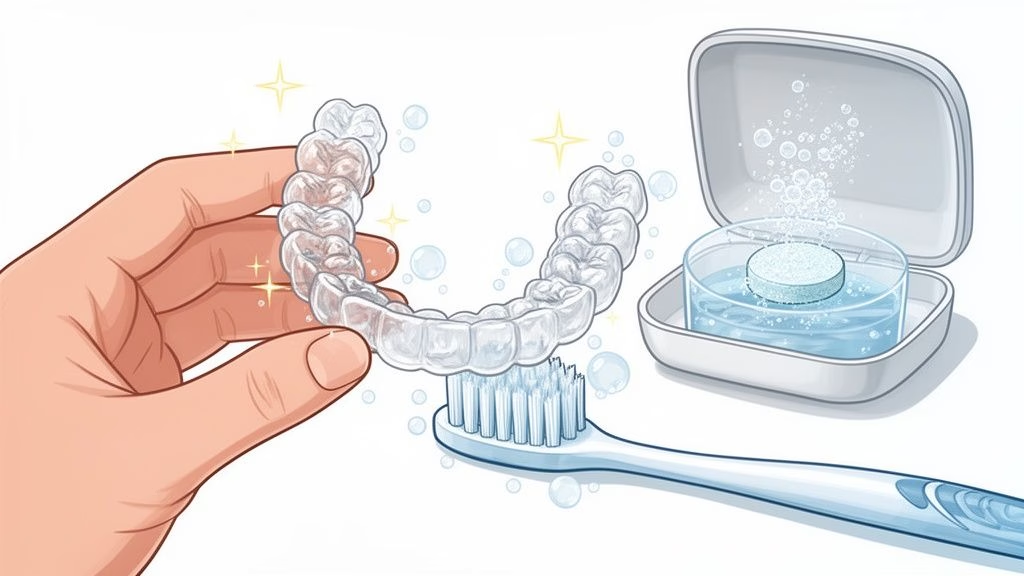
So, you’ve started your journey with clear aligners. That’s a brilliant first step towards the smile you’ve always wanted, but keeping them truly invisible is the secret to success. The best way to do this? Rinse them with cool water and gently brush them with a soft-bristled toothbrush and a bit of clear liquid soap every time you brush your teeth. It’s a simple habit that stops bacteria from building up and keeps your aligners in top shape.
Why Keeping Your Clear Aligners Crystal Clear is So Important
Getting clear aligners is a big commitment to both your confidence and your health. But here’s the thing: their success really hinges on keeping them clean and clear. After all, these trays spend up to 22 hours a day in your mouth, which is the perfect warm, moist spot for bacteria to have a party if you let them.
If you slack on daily cleaning, you’ll quickly run into problems that defeat the whole purpose of choosing ‘invisible’ aligners. For anyone new to this type of orthodontic treatment, it’s worth understanding how clear aligners work to get a real feel for why their snug fit and material are so crucial. When plaque and bacteria build up, they don’t just sit on your teeth—they make a home on your aligners, too.
What Happens When Aligner Hygiene Slips?
A little neglect can lead to some pretty noticeable issues, affecting both how your aligners look and how well they work. The good news is that these problems are completely avoidable with a solid cleaning routine.
Here’s what you’re up against:
- Stains and Yellowing: Aligners can easily pick up colours from tiny food and drink particles left on your teeth. Before you know it, they can turn yellow or even brownish, making them anything but discreet.
- A Cloudy, Dull Look: It’s tempting to use toothpaste, but it’s too abrasive. It creates thousands of tiny scratches on the aligner’s surface, which then trap bacteria and give your aligners a hazy, dull finish.
- Nasty Smells: That buildup of bacteria doesn’t just look bad; it smells bad. As bacteria break down food debris, they release sulphur compounds, leading to bad breath and stinky aligners.
Keeping your aligners pristine isn’t just about appearances—it’s a core part of your oral health. A clean aligner means healthier gums and a much lower risk of cavities while you’re straightening your teeth.
This is exactly where modern dental care can make a huge difference. Using a service like Toothfairy gives you access to dentist-led guidance throughout your entire treatment. You can get expert advice on everything, from checking your progress to mastering the simple (but vital) task of keeping your aligners spotless. It’s a smarter and more affordable way to straighten teeth, with professional oversight that ensures your treatment is effective and your aligners stay invisible.
Your Daily Aligner Cleaning Ritual
Building a consistent daily cleaning habit is the single most important thing you can do to keep your aligners hygienic and truly invisible. The best approach isn’t some complicated, time-consuming routine; it’s a simple, effective one that slots right into your existing morning and evening schedules. Your goal is to stop bacteria and plaque from ever getting a foothold, which protects both your aligners and your overall oral health.
Think of it this way: your aligners spend up to 22 hours a day pressed right up against your teeth. Any tiny food particles or bits of plaque left behind get trapped in that space, creating a perfect breeding ground for bacteria. This is exactly why a quick rinse under the tap is never going to be enough to get them genuinely clean.
Building Your Core Cleaning Habit
The cornerstone of your daily routine should happen every time you brush your teeth. It’s a straightforward process that adds maybe a minute or two to your schedule but makes a world of difference.
- Rinse Immediately: The moment your aligners come out, give them a good rinse under cool tap water. Whatever you do, never use hot water. It can permanently warp the delicate plastic, ruining their custom fit and setting your treatment back.
- Brush Gently: Grab a separate, soft-bristled toothbrush (don’t use the same one you use for your teeth) and gently brush every surface of your aligners, inside and out.
- Pick the Right Soap: A tiny drop of clear, unscented liquid soap is all you need. This is a key detail—coloured or scented soaps can leave behind residues that stain your aligners or leave a strange, lingering taste.
After brushing, give them another thorough rinse with cool water to wash away all the soap and any loosened debris. Now they’re ready to go back in your mouth or be stored safely in their case.
A common mistake I see all the time is people using toothpaste to clean their aligners. Most toothpastes are slightly abrasive, and while that’s fine for tooth enamel, it will create microscopic scratches on your aligners. This makes them look cloudy and, worse, gives bacteria more tiny crevices to hide in.
Sticking to this simple ritual at least twice a day will handle most of the daily buildup and keep your aligners feeling fresh. For our Toothfairy patients, this level of care is essential for making sure your remote monitoring check-ins show a healthy, progressing smile.
To help you choose what works best for your routine, here’s a quick comparison of the most common daily methods.
Effective Daily Cleaning Methods Comparison
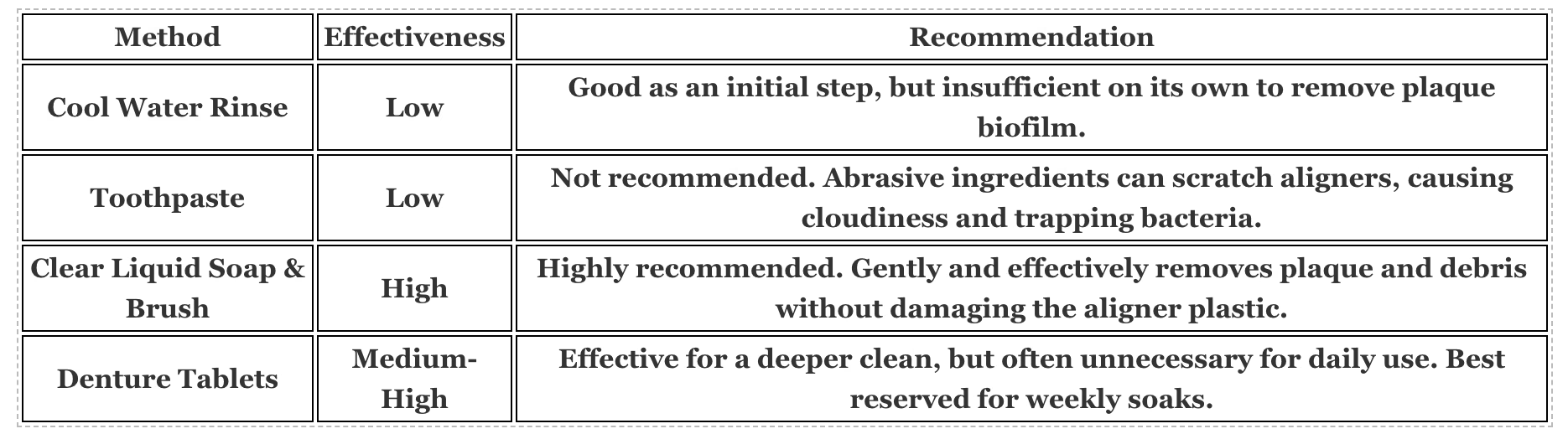
As you can see, the simple combination of a soft brush and clear soap really is the gold standard for daily care.
Why Brushing Beats Rinsing Alone
While rinsing is a good first step, it doesn’t do much to tackle the invisible film of bacteria and saliva that accumulates on your aligners. Studies in the UK have consistently shown that a more hands-on cleaning method is needed for proper hygiene. While some aligner brands might suggest a simple rinse is enough, dental professionals know that physically brushing away that biofilm is far more effective. In fact, research comparing various cleaning methods found that brushing was significantly better at keeping aligners clean than just rinsing. You can read more about these findings on effective aligner cleaning methods. This really drives home why integrating a gentle brush into your daily habit is non-negotiable if you want to maintain that crystal-clear appearance.
This chart shows the most frequent issues people run into when their daily cleaning isn’t quite up to scratch.
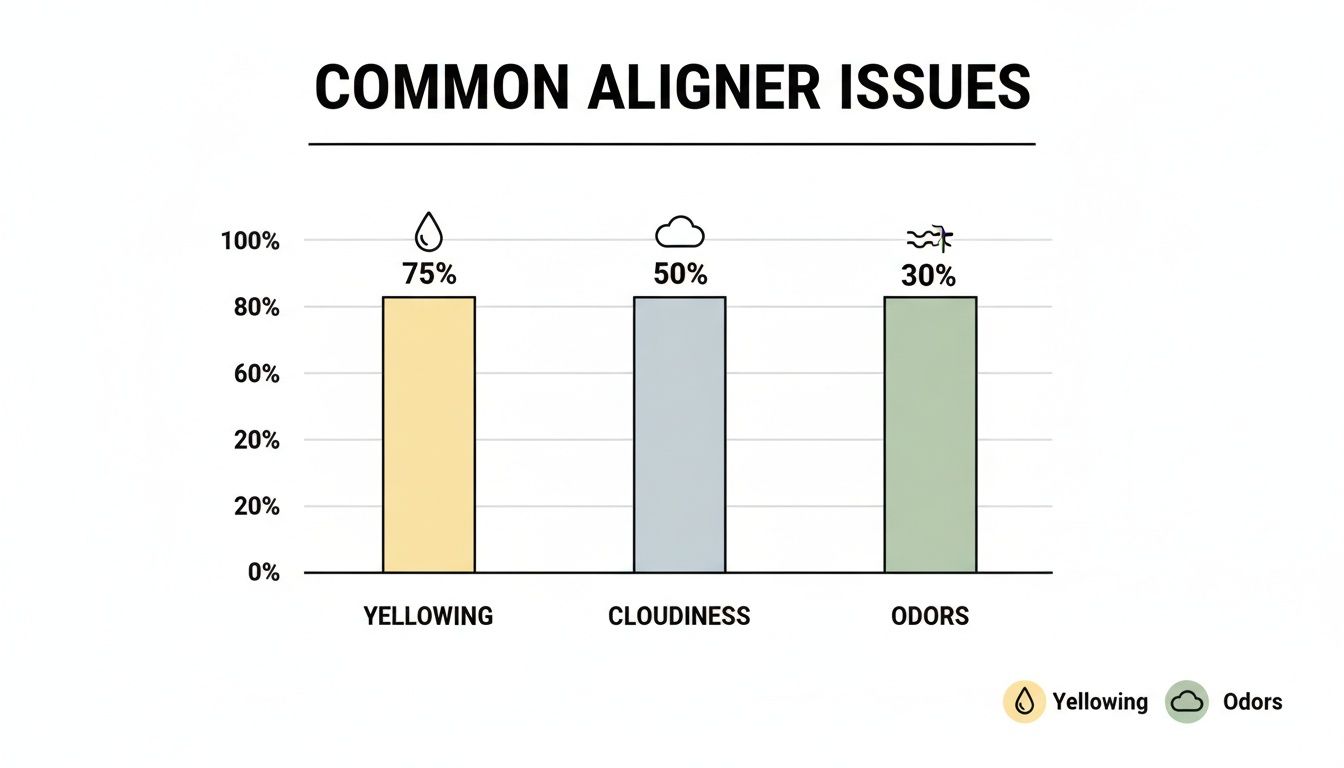
As the data makes clear, yellowing is the number one concern, and it’s a direct result of inconsistent cleaning that allows stains from food and drink to set in over time.
By committing to this simple yet powerful daily ritual, you take control of your treatment’s success. You’ll ensure your aligners remain discreet and your teeth stay healthy, moving you one step closer to that confident smile you’re working so hard for. It’s a small investment of time that pays off in a big way, safeguarding both your health and the effectiveness of your entire orthodontic journey.
Deep Cleaning Your Aligners for a Crystal-Clear Look
While your daily brush-up is great for surface-level cleaning, you’ll want to schedule a regular deep clean to tackle the more stubborn, invisible buildup. It’s surprising how quickly a thin film of plaque can form, and brushing alone doesn’t always get rid of it all. This is what leads to that dreaded cloudy look or a slight yellow tinge, making your aligners much more noticeable.
A weekly deep clean is your best bet for dissolving this persistent film. It’s a simple step that restores your aligners to their original, crystal-clear state, ensuring they stay truly invisible.
Why a Deep Soak Works So Well
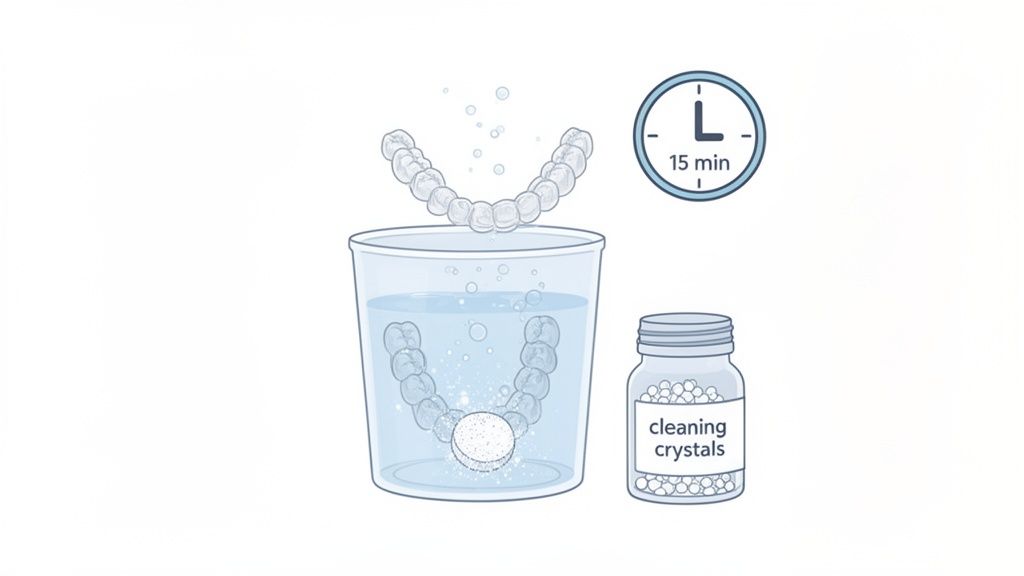
The most effective way to deep clean your aligners is to give them a good soak in a specialised solution. These usually come as effervescent tablets or dissolvable crystals, and they’re specifically formulated to break down plaque and kill bacteria without being harsh on the aligner material.
Unlike household cleaners, these professional solutions are designed with orthodontic plastics in mind. They fizz away, lifting tiny particles from every nook and cranny that your toothbrush just can’t reach.
Think of it this way: daily brushing is like wiping down your kitchen counters, but a deep clean is like properly mopping the floor. You need both to keep things genuinely clean. For Toothfairy patients, getting this weekly soak into your routine is a key part of maintaining top-notch oral hygiene while our dentists keep an eye on your progress remotely.
Finding the Right Deep Cleaning Solution
When it comes to deep cleaning, you’ve got a few safe and effective options. The main thing is to pick something specifically made for retainers or clear aligners.
Here are the most common and reliable choices:
- Specialised Cleaning Crystals: These are often the go-to recommendation from aligner brands themselves, as they’re designed to be perfectly compatible with the material. They just dissolve in water to create a safe but powerful cleaning bath.
- Retainer Cleaning Tablets: You can find these pretty much anywhere. These effervescent tablets are made for all sorts of removable dental appliances and are a cost-effective, reliable choice for a weekly deep clean.
- White Vinegar Solution: If you’re in a pinch, a diluted mix of one part white vinegar to one part cool water can do the job. Just use this sparingly; the acid could potentially affect the aligner surface over time.
Whatever you choose, always avoid bleach, harsh soaps, or mouthwash. These can seriously degrade the plastic, cause discolouration, and can be harmful if you don’t rinse them off completely. Stick to products designed for the job.
Among the options out there, certain patented cleaning crystals have become very popular with UK patients. These non-toxic formulas have even been scientifically scrutinised using advanced techniques like Scanning Electron Microscopy, which confirmed just how effective they are at keeping aligners clean. Better yet, the analysis showed no negative impact on the aligner’s material, meaning they clean thoroughly while keeping your device in perfect shape. Dental professionals often suggest a quick 15-minute daily soak for the best results. You can discover more insights about these aligner cleaning solutions and what makes them work.
Your Weekly Deep Cleaning Process
Setting aside just 15-20 minutes once a week is all it takes to keep your aligners looking brand new. It’s a really straightforward process that you can easily fit into your Sunday evening routine or whenever suits you.
First up, give your aligners a quick rinse and a gentle brush with your soft-bristled toothbrush and clear soap, just like your daily clean. This gets rid of any loose bits before the soak.
Next, pop your chosen cleaning tablet or crystals into a glass of cool or lukewarm water. Follow the instructions on the packet and drop your aligners in, making sure they’re completely submerged.
Now, just let them soak for about 15 minutes. There’s really no benefit to leaving them in any longer; that’s all the time the active ingredients need to work their magic.
Finally, take the aligners out and give them a thorough rinse under cool running water to wash away any leftover solution. I like to give them one last, gentle brush to get rid of any loosened plaque. That’s it – they’re perfectly clean, clear, and ready to pop back in. Making this a regular habit is a small effort that pays off with a flawless, invisible smile right through your treatment.
Common Cleaning Mistakes You Need to Avoid
Getting a straighter smile is a brilliant journey, but it’s surprisingly easy to pick up bad habits that could damage your clear aligners or even affect your oral health. Honestly, knowing what not to do is just as crucial as knowing the right way to clean them. So many common shortcuts and household “remedies” can permanently warp, stain, or scratch your aligners, which messes with how well they work and how they look.
You’ve invested in your smile, so protecting that investment means steering clear of these all-too-common pitfalls. A single misstep, like using the wrong soap or water that’s too hot, can cause damage that you just can’t undo. Let’s walk through what to avoid so your treatment stays on track and your aligners stay crystal clear.
The Problem with Hot Water
One of the quickest ways to ruin a set of aligners is by rinsing them under hot water. I know it seems logical—hot water feels more sanitary—but for the special thermoplastic your aligners are made of, it’s a total disaster.
Think about what happens when you leave a plastic takeaway container too close to a hot hob; it melts and loses its shape. It’s the exact same principle here. Hot water will distort your aligners, completely ruining their custom-moulded fit.
- An aligner that doesn’t fit snugly can’t apply the precise, gentle pressure needed to move your teeth correctly.
- This can bring your progress to a grinding halt or, even worse, start shifting your teeth in ways they aren’t supposed to, setting your treatment back.
- The rule is simple: Always use cool or lukewarm water for rinsing and cleaning. It’s more than enough to wash away debris without risking the integrity of your aligners.
Abrasive Cleaners Create Hidden Problems
It’s so tempting to just grab your regular toothpaste and a toothbrush to give your aligners a quick scrub. Please don’t. Most toothpastes, especially the whitening ones, contain abrasive particles designed to polish tough tooth enamel. They’re fantastic for your teeth, but way too harsh for the softer plastic of your aligners.
Using an abrasive cleaner creates thousands of microscopic scratches all over the surface. You might not see them at first, but these tiny etches give the aligner a rough texture. This is what makes them look cloudy and far more noticeable in your mouth.
But it’s not just about looks. Those micro-scratches are the perfect hiding spots for bacteria and plaque. This not only causes stubborn discolouration and bad smells but also traps bacteria right up against your teeth all day, which can increase your risk of decay.
The Wrong Soaps and Solutions
Not all cleaning liquids are safe for your aligners, and plenty of common household products will do more harm than good. Using the wrong one can lead to immediate staining or long-term chemical damage.
Make sure you avoid these at all costs:
- Coloured or Scented Soaps: The dyes in blue, green, or pink soaps can easily seep into the porous aligner material, leaving behind a permanent, unpleasant tint. Heavily scented soaps can also leave a nasty chemical aftertaste. Your best bet is always a clear, unscented antibacterial soap.
- Harsh Chemicals like Bleach: It should go without saying, but never use bleach or other aggressive household cleaners. These chemicals will break down the aligner material, making it brittle, and they are toxic if not rinsed off perfectly.
- Mouthwash Soaks: Soaking your aligners in mouthwash seems like a good idea, but it’s not. The alcohol in many mouthwashes can dry out the plastic, and the bright colours will stain them almost instantly.
To make sure you’re not accidentally using something harmful, it helps to be informed. For a deeper dive into common cleaning chemicals, understanding the distinct properties of cleaning agents like bleach and hydrogen peroxide is a great resource. This kind of knowledge helps you make safer choices for your orthodontic gear.
If you ever notice your aligners don’t fit right or they’ve changed in appearance, get professional advice quickly. With a modern provider like Toothfairy, you don’t have to wait around for an in-person appointment. Our virtual check-ins allow a dentist to assess any potential issues right from your phone, offering a smarter, more direct way to keep your treatment running smoothly.
Tackling Stains and Cleaning On The Go
Let’s be realistic—orthodontic treatment has to fit into your actual life. That means knowing how to handle your aligners when you’re at work, travelling, or grabbing a bite to eat. Keeping them clean and fresh when you’re away from home can feel like a challenge, but with a little bit of forward planning, it’s surprisingly straightforward.
We all have our daily rituals, whether it’s a morning coffee or a glass of red with dinner. Unfortunately, these are the prime culprits for staining clear aligners. The pigments in these drinks can work their way into the aligner material, leaving behind a yellow or discoloured tinge. A few simple strategies are all you need to keep your aligners doing their job discreetly.

Assembling Your Portable Cleaning Kit
The secret weapon for clean aligners on the move? Preparation. Popping a small, dedicated kit in your bag or leaving one at your desk means you’re never caught off guard. This simple habit ensures you can clean your teeth and aligners properly after eating, stopping stains and bacteria in their tracks.
Your essential travel kit doesn’t need to be complicated. Just include:
- A travel-sized toothbrush and toothpaste to clean your teeth before reinserting your aligners.
- A separate, soft-bristled brush reserved just for scrubbing your aligners.
- Your aligner case. Seriously, never leave home without it. Wrapping aligners in a napkin is a classic recipe for accidentally throwing them in the bin.
- Floss or interdental brushes to clear out any food stuck between your teeth.
With these items handy, you can easily and discreetly clean everything in a public washroom or at the office. It’s a small change that makes a massive difference over time.
Handling Existing Stains and Yellowing
What if your aligners are already looking a bit yellow? First, don’t panic. And definitely don’t reach for harsh chemicals like bleach. Most mild discolouration can be managed with a good deep-cleaning soak.
For a slight yellow tinge, try soaking your aligners in a solution made with specialised retainer cleaning tablets. This can often lift those pesky surface stains. Follow it up with a gentle but thorough brushing using clear liquid soap to help bring back some of their original clarity.
It can be tempting to try a “quick fix” you’ve seen online for tougher stains, but this can be risky and might damage your aligners. If a proper deep clean isn’t cutting it, your best bet is to consult a professional. With Toothfairy, you can have a virtual check-in with a dentist who can assess the situation and give you safe, effective advice without the hassle of a clinic visit.
It’s clear that looking after aligners is a top priority for many. With over 200,000 people in the UK using certain clear aligner brands annually, effective cleaning is a major part of the experience. Interestingly, when researchers compared five common cleaning methods—including vinegar and whitening toothpaste—they found that specialised cleaning crystals were the most effective for keeping aligners hygienic. You can read more about these orthodontic treatment statistics and the related cleaning research.
What to Do After Coffee or Red Wine
If you do enjoy a drink known for staining, the most important thing is to act fast. The longer those pigments sit on your aligners, the higher the chance they’ll leave a permanent mark.
As soon as you’re done, take your aligners out. Give both them and your mouth a thorough rinse with plain water. This simple step washes away most of the staining compounds before they get a chance to settle in.
If you can’t brush right away, rinsing with water is a great first defence. Just make sure you give your teeth and aligners a proper clean as soon as you can. This little bit of diligence is what separates people with crystal-clear aligners from those constantly battling yellowing.
Answering Your Top Aligner Cleaning Questions
Even when you have a solid cleaning routine down, real-world questions always pop up during treatment. Knowing the right answers is crucial for keeping your aligners in great shape and your smile journey moving forward smoothly. Let’s tackle some of the most common queries I hear from patients.
Can I Use Vinegar or Baking Soda to Clean My Aligners?
It’s a common question, especially with all the DIY cleaning hacks you see online. But honestly, I always advise patients to steer clear of household staples like vinegar and baking soda for their aligners.
Vinegar is incredibly acidic. Soaking your aligners in it, even occasionally, can start to break down the plastic, making it weaker and more brittle over time. As for baking soda, while it seems harmless, it’s actually an abrasive. Its gritty texture can etch tiny, microscopic scratches into the surface of your aligners. These scratches not only dull their appearance but also become perfect little hiding spots for bacteria, leading to stains and bad odours.
For the sake of your aligners’ clarity and longevity, it’s far better to stick with a gentle, clear liquid soap or proper cleaning tablets.
What Should I Do If My Aligners Start to Smell Bad?
A bad smell is a tell-tale sign that bacteria are having a party on your aligners. This usually means the daily cleaning routine needs a bit of a boost. The first thing to do is give them a really good deep clean with a specialised cleaning solution to hit the reset button.
After that, get a bit more meticulous with your daily habits. Make sure you’re gently brushing both the inside and outside surfaces with a soft brush and clear soap at least twice a day. Don’t forget to check your own oral hygiene, too – always brush and floss your teeth properly before popping your aligners back in. If the smell just won’t go away after all that, it’s a good idea to get some professional advice.
A persistent odour isn’t something to brush off. It can point to significant plaque buildup, so tackling it quickly is important for your oral health and the success of your treatment.
With a modern service like Toothfairy, you can get that professional guidance without having to book a trip to the clinic. A quick virtual check-in lets a qualified dentist take a look and give you expert advice, all from your phone.
How Do I Properly Clean My Aligner Case?
Your aligner case travels everywhere with you, but it’s so easy to forget to clean it. Unfortunately, that makes it a prime breeding ground for germs. Try to give it a good wash every few days with warm, soapy water.
I recommend using a small, dedicated brush to really get into the corners and grooves where bacteria love to hide. Once you’ve given it a good scrub, rinse it thoroughly and—this is the important part—let it air-dry completely before using it again. A damp case is a magnet for bacteria. And please, don’t put it in the dishwasher; the high heat can easily warp the plastic out of shape.
Is It Safe to Use Mouthwash to Soak My Aligners?
Soaking aligners in mouthwash is probably one of the most frequent mistakes I see. It seems logical—you want them to be fresh, right? But it can actually do more harm than good.
Most mouthwashes contain alcohol, which can dry out the aligner material and make it brittle. The bigger issue, though, is staining. Those bright blue or green dyes in popular brands can permanently tint your clear aligners, completely ruining their ‘invisible’ look. If you’re after that fresh feeling, stick to cleaning tablets or crystals made specifically for orthodontic retainers. They’re designed to clean thoroughly without causing any damage or discolouration.
Ready for a smarter, more affordable way to achieve your dream smile? With Toothfairy, you get dentist-prescribed clear aligners and expert virtual monitoring, all from the comfort of your home. Find out how you can get started today.
Last updated on January 23, 2026

Toothfairy Care Team
Toothfairy, is the world's smartest dental app, that connects patients to a dentist for a range of issues, from emergencies, cosmetics, prescriptions to virtual exams.
Toothfairy Care Team
Toothfairy, is the world's smartest dental app, that connects patients to a dentist for a range of issues, from emergencies, cosmetics, prescriptions to virtual exams.