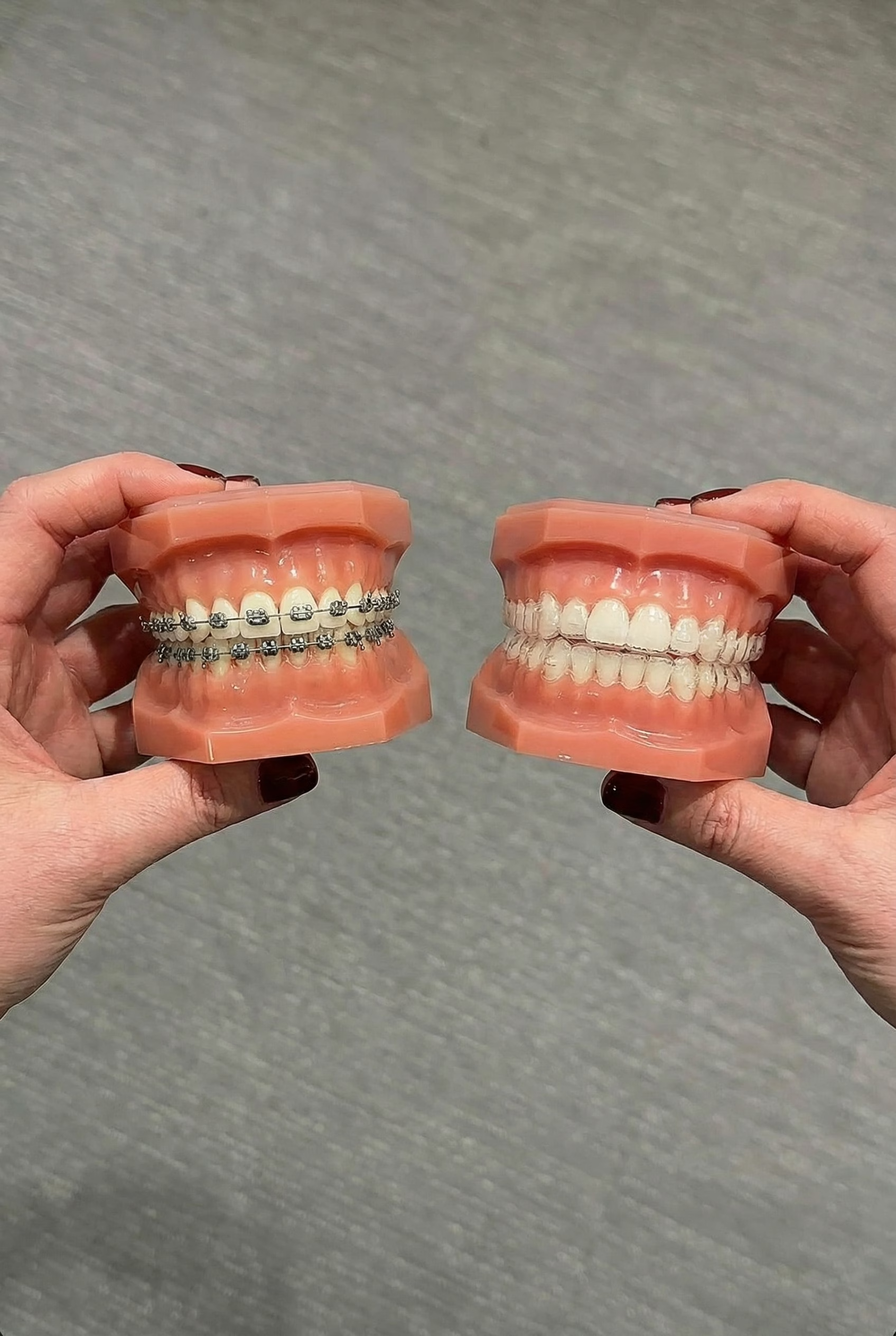
A Guide to Cleaning Clear Dental Aligners for a Brighter Smile
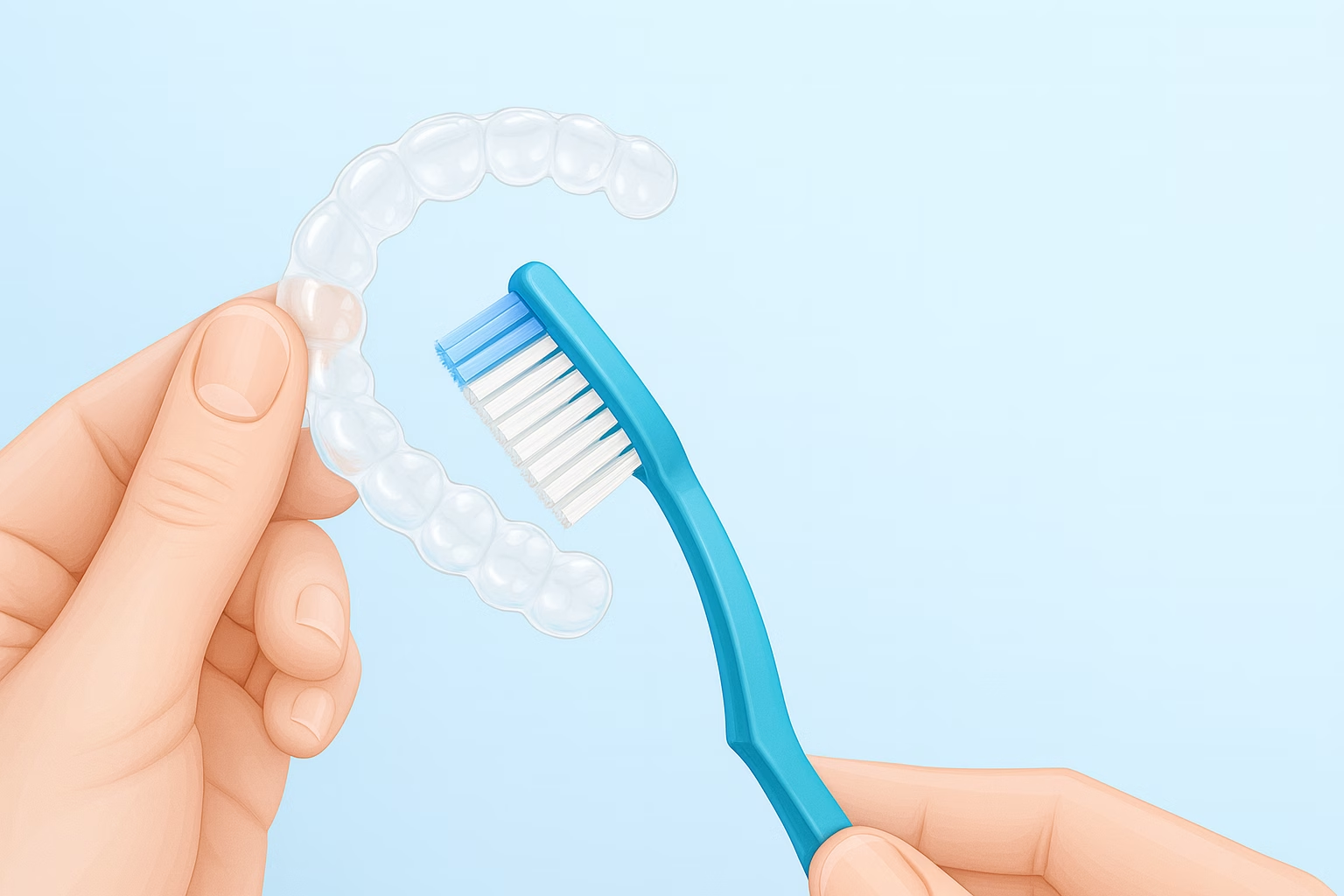
Let’s get one thing straight: cleaning your clear dental aligners is simple. Rinse them with lukewarm water every time you pop them out, and give them a gentle brush each day with a soft toothbrush and a bit of clear soap. It’s a quick habit that stops gunk from building up and keeps them looking fresh.
Your Simple Daily Aligner Cleaning Routine
Keeping your clear aligners spotless is a non-negotiable part of your teeth-straightening journey. Thankfully, it’s not a massive chore. A consistent daily routine is all it takes to keep your treatment discreet and effective. Think of it as a small investment in time that pays off with a healthier, brighter smile.
The most important habit you can build is rinsing your aligners the moment you take them out. Whenever you remove them for a meal or a drink, saliva and tiny food particles cling to the plastic. If you let that dry, it creates a stubborn, cloudy film that’s a real pain to get off later. A quick rinse under lukewarm water—never hot—is your first line of defence.
The Right Way to Brush Your Aligners
After a good rinse, a gentle brush is the next step to get rid of any lingering plaque. It’s a good idea to have a separate, soft-bristled toothbrush just for your aligners. Why? Your regular toothbrush might still have bits of toothpaste on it, which can be surprisingly damaging.
Forget the toothpaste for this job. Instead, a small drop of clear, unscented liquid soap is perfect. Lather it up with a little water and carefully brush every surface of the aligner, inside and out. It’s a simple method that cleans brilliantly without being too harsh.
The goal here is to clean, not to scrub. Brushing too hard can scratch the surface of your aligners, making them more noticeable and creating tiny crevices where bacteria love to hide. A gentle, circular motion is all you need.
Why You Must Avoid Toothpaste and Mouthwash
Using your regular toothpaste on your aligners is one of the most common mistakes people make, and it can be a costly one. Most toothpastes contain abrasive particles designed to polish tough tooth enamel. On the much softer plastic of your aligners, those same particles will create micro-scratches, which trap bacteria and lead to discolouration and bad smells.
Likewise, soaking your aligners in coloured mouthwash is a recipe for disaster. It can permanently stain them, completely defeating the purpose of a discreet treatment. Given that treatments with popular aligner brands have more than doubled in the UK since 2015, knowing how to avoid these simple mistakes is crucial. In fact, data shows toothpaste creates micro-scratches in 60% of aligners within just six weeks, while mouthwash discolours them in 75% of cases. You can explore more UK treatment statistics to see just how important proper care really is.
This simple routine—rinse immediately, then brush gently with soap—only takes a minute or two but makes a world of difference. It’s the single most effective way to maintain the integrity and invisibility of your aligners, supporting the smarter, more affordable path to a straighter smile that modern solutions like Toothfairy provide.
Taking Your Aligner Cleaning to the Next Level
While daily rinsing and brushing are your bread and butter, your aligners will occasionally need a more thorough clean to deal with stubborn buildup. Think of it as a weekly reset. This deep clean is your best defence against bacteria and helps restore that pristine, crystal-clear look, keeping your treatment truly invisible. It’s a simple step that makes a huge difference.
Specialised cleaning crystals or retainer tablets are fantastic for this. They are designed to dissolve plaque and get rid of bacteria without being harsh or damaging the aligner material. All you need to do is dissolve them in lukewarm water and give your aligners a good soak.
How to Use Aligner Cleaning Solutions
Grab a small glass or a dedicated container and fill it with enough lukewarm water to completely cover your aligners. Drop in a cleaning tablet or the recommended amount of crystals and wait for it to fully dissolve.
Pop your aligners into the solution and let them soak for about 15-20 minutes. Once the time is up, give them a final, gentle brush to get rid of any debris that has loosened up, then rinse them really well under cool running water before placing them back in your mouth. Easy.
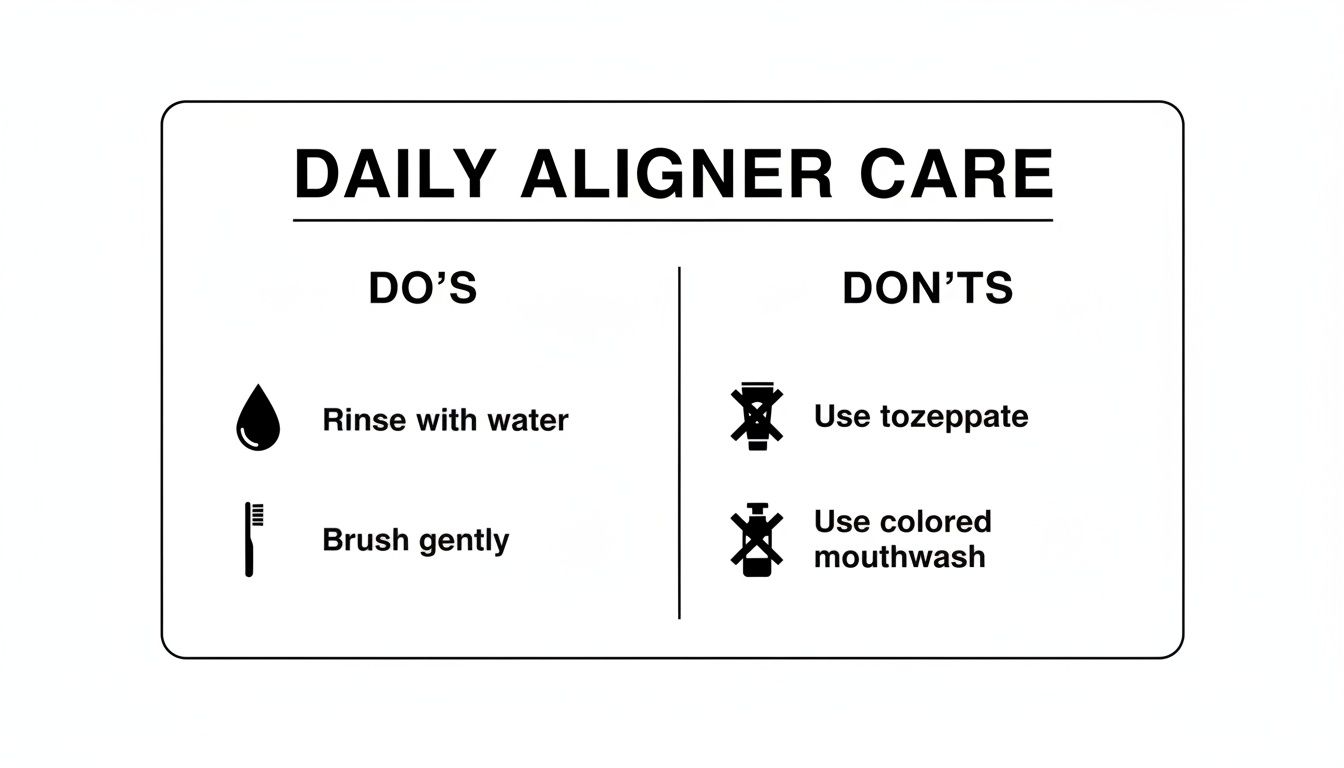
The main takeaway here is consistency. Stick to gentle, clear, and non-abrasive methods to keep your aligners in top condition.
The Science Behind a Proper Soak
It’s not just about looking clean; there’s real science to back it up. In the UK, where clear aligners are incredibly popular across more than 130 MiSmile Network practices, keeping them hygienic is a major focus. Studies have actually shown how effective these specialised crystals are at removing plaque.
Using scanning electron microscopy, researchers found that aligners cleaned with these crystals were almost as pristine as brand-new ones, achieving an impressive debris index score of just 5.17. You can read more about these orthodontic findings to see the data for yourself.
Deep cleaning goes way beyond aesthetics. It’s a critical part of your oral health routine, preventing the buildup of bacteria that can cause bad breath, decay, and gum problems. This ensures your teeth and gums stay healthy throughout your entire straightening journey.
To help you decide what’s best for your routine, here’s a quick rundown of the most common methods.
Comparing Popular Deep Cleaning Solutions
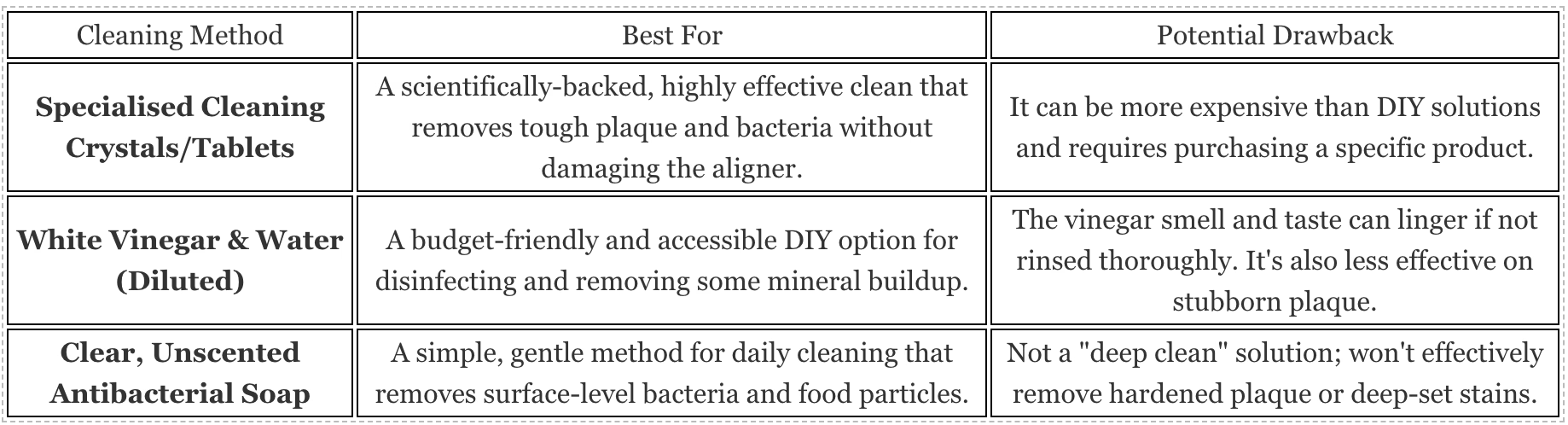
Ultimately, the best method is the one you’ll stick with consistently. Choosing the right deep cleaning solution is a personal preference, but the goal is always the same: keeping your aligners hygienic, clear, and comfortable.
Making a weekly soak part of your routine gives you peace of mind. And if you’re ever unsure about your cleaning regimen, services like Toothfairy offer on-demand access to dental professionals. You can get quick, affordable advice without needing a trip to the clinic, which is a real game-changer for modern dental care.
Common Cleaning Mistakes That Can Ruin Your Aligners
Knowing the right way to clean your clear aligners is half the battle. The other half? Knowing what not to do. It’s surprising how many well-intentioned cleaning habits can actually cause permanent damage, turning your investment into a costly mistake and even slowing down your treatment.
Steering clear of these common pitfalls is absolutely crucial for keeping your aligners in perfect shape.
It’s an easy assumption to make: if toothpaste is good for my teeth, it must be good for my aligners, right? Unfortunately, this is one of the most destructive mistakes you can make. Your aligners are made from a sophisticated medical-grade thermoplastic, which is a world away from tough tooth enamel.
Most toothpastes contain abrasive particles designed to scrub plaque from your teeth. On your aligners, these ingredients create thousands of tiny micro-scratches. These scratches make the plastic look cloudy and dull, but worse, they become perfect hiding spots for bacteria. This leads to bad smells and discolouration, completely undermining the ‘invisible’ benefit of your treatment.
The Problem with Hot Water
Another frequent error is rinsing or soaking aligners in hot water. It might seem like a good way to kill germs, but the high temperature will permanently warp the precisely engineered plastic.
This isn’t a minor issue; it’s a critical one. Your aligners are custom-moulded to apply very specific, gentle pressure to shift your teeth.
- It warps the plastic: Even a slight change in the aligner’s shape can make it useless. It simply won’t fit snugly against your teeth anymore, which means it can’t do its job of guiding them into the correct position.
- It can halt your treatment: Wearing a warped aligner could stop your progress dead in its tracks. In a worst-case scenario, it might even move your teeth in the wrong direction, potentially adding weeks or months to your treatment.
- It costs you money: A damaged aligner usually needs replacing, and that’s an expense nobody wants. This is especially frustrating when modern, affordable teeth-straightening solutions like Toothfairy are designed to make the process more accessible in the first place.
The rule is simple: always use cool or lukewarm water for every rinse and soak. It’s the only way to protect the integrity of the material.
Avoiding Stains from Soaps and Mouthwashes
Just as you should stay away from coloured mouthwash, you also need to be wary of colourful or heavily scented liquid soaps. The dyes in these products can easily seep into the porous plastic of your aligners, leaving them with a noticeable, unsightly tint.
Think of your aligners like a brand-new white shirt—you wouldn’t toss them in the wash with a brightly coloured sock. Sticking to a clear, unscented soap is always the safest bet to keep them completely transparent.
By understanding what to avoid, you’re not just cleaning your aligners; you’re protecting your investment and making sure your journey to a straighter smile stays right on track. A little awareness of these common mistakes can make all the difference in getting the results you want without any frustrating setbacks.
How to Keep Your Aligners Crystal Clear
Let’s be honest, you chose clear aligners for a reason: they’re practically invisible. But when they start to look cloudy, yellow, or stained, that whole discreet advantage goes right out the window. Understanding why this happens is the first step to stopping it, and it almost always comes down to three culprits: plaque, what you eat and drink, and your cleaning routine.
Your mouth is naturally full of bacteria, which creates that sticky, colourless film we all know as plaque. That film doesn’t just cling to your teeth; it coats your aligners, too. Give it enough time, and that plaque can harden into tartar, grabbing onto stains from your food and drink and leading to that dreaded yellow tinge.

This is exactly why prevention is your best friend here. It’s so much easier to stop stains from ever taking hold than it is to scrub them out later. The simplest and most effective rule you can follow is to only drink plain water while wearing your aligners.
The Biggest Staining Culprits and How to Handle Them
Some foods and drinks are just notorious for staining, all thanks to powerful pigments called chromogens that love to latch onto the plastic of your aligners.
The usual suspects include:
- Coffee and Tea: Their dark pigments are a leading cause of yellowing.
- Red Wine: If it stains your teeth, it’ll definitely stain your aligners.
- Curry and Turmeric: Those vibrant yellow spices can leave a permanent mark.
- Berries and Dark Juices: Think blueberries, blackberries, and pomegranate juice.
This doesn’t mean you have to give up your morning coffee for good. The key is to simply take your aligners out before eating or drinking anything besides water. Once you’re done, just give your mouth a quick swish of water before popping them back in. That simple rinse washes away any lingering pigments before they get a chance to transfer.
Think of your aligners like a little greenhouse for your teeth. Anything you drink with them in gets trapped between the plastic and your enamel, essentially bathing both your teeth and your aligners in that liquid.
Choosing Cleaners That Preserve Clarity
The cleaner you use also plays a massive part in keeping your aligners looking their best. Here in the UK, with clear aligners becoming more popular, it’s a top concern for patients. Research comparing various cleaning methods shows that some options are far better than others at preventing discolouration.
Some studies found that a colourant-free clear soap caused the least colour change, while other analyses noted certain whitening toothpastes resulted in minimal staining. These options often outperformed branded cleaning crystals or even just plain water. You can find more insights from aligner cleaning research on completesmiles.co.uk.
By being mindful of what you consume and sticking to a consistent cleaning routine, you can protect the clarity of your aligners. This ensures your treatment remains as discreet as possible, which is the whole point of innovative, affordable solutions like Toothfairy, designed to make getting a straighter smile a seamless part of your life.
Caring for Your Aligners When You’re on the Go
Keeping your aligners spotless at home is one thing, but what about when you’re out and about? Life doesn’t pause for your orthodontic treatment, so a little forward planning is essential to keep your aligners fresh, whether you’re travelling or just having a busy day.
A bit of preparation is all it takes to prevent plaque from building up and keep your treatment on track.
Your Pocket-Sized Cleaning Kit
The secret is to put together a small, dedicated travel kit. You don’t need to pack everything; just a few key items that can slip into a handbag, backpack, or even a coat pocket. Think of it as your oral hygiene first-aid kit for when you’re away from your bathroom.
Here’s what I recommend including in your on-the-go kit:
- A dedicated aligner case: This is an absolute must. It’s the only safe place for your aligners when they’re not in your mouth.
- A travel toothbrush: A small, soft-bristled toothbrush (foldable ones are great) is perfect for a quick, gentle brush after eating.
- A mini bottle of clear, unscented soap: This is a safe and effective way to clean your aligners without risking any staining or damage.
- Floss or interdental brushes: You need to get your own teeth properly clean before popping those aligners back in.
The Napkin Is Not Your Friend
We’ve all felt the temptation. You’re at a restaurant, you take your aligners out, and wrapping them in a napkin seems like the quickest solution. Please, don’t do it! This is a recipe for disaster.
It is shockingly easy to forget that napkin on the table, where it gets swept away with the rubbish. In fact, more than 40% of patients using certain aligner brands confess to losing at least one aligner this exact way.
Make it a golden rule: your aligners go straight into their protective case. Every single time. This one habit will save you the headache and expense of ordering a replacement.
How to Clean Discreetly in Public
Brushing your aligners in a public bathroom can feel a little awkward, but it’s a small, necessary part of the routine. If you can, find a private stall for a bit more discretion. A quick rinse under the tap and a gentle brush with your travel kit is all you need to do.
If you find yourself in a real pinch, even just rinsing them thoroughly with water is far better than putting them back into your mouth covered in food particles.
Here’s a pro tip: your aligner case isn’t just for storage; it’s a visual cue. When you sit down to eat, place the case on the table next to your plate. It makes it almost impossible to leave your aligners behind.
Modern dentistry also offers fantastic ways to manage your treatment on the move. What if you’re travelling and run into a problem, like dropping an aligner or noticing a potential issue? You don’t have to panic or wait until you get home.
This is where a service like Toothfairy really shines. Our virtual consultations connect you directly with qualified dental professionals for immediate advice. It’s a smarter, more affordable way to get the expert support you need, right from your phone, wherever you happen to be.
When It’s Time to Call in the Experts for Your Aligners
Even if you have the most dedicated cleaning routine, some aligner problems go beyond what a good scrub or soak can fix. Knowing how to spot a real issue is just as important as your daily cleaning. Certain problems need a professional eye to make sure your treatment stays on track.
Trying to fix things yourself is almost never a good idea when dealing with precision orthodontic gear. Attempting to bend a warped aligner back into shape or just ignoring a crack can have serious knock-on effects for your teeth and your treatment schedule. It’s always best to get a professional opinion.
Red Flags: How to Spot a Damaged Aligner
Your aligners are tough, but they’re not invincible. It’s crucial to give them a quick once-over every day for any signs of damage. Wearing a compromised aligner can sometimes be worse than not wearing one at all.
Keep an eye out for these tell-tale signs:
- The Fit Feels Off: If an aligner suddenly feels loose or doesn’t ‘click’ into place like it used to, it could be warped. This is often caused by accidental exposure to heat, like a hot drink or rinse.
- You Can See Cracks or Fractures: Even tiny cracks can be a big problem. They compromise the structural integrity of the aligner, meaning it can’t apply the consistent, gentle pressure needed to move your teeth correctly.
- It Looks a Different Shape: If the aligner appears bent or distorted in any way, stop wearing it. It will no longer be guiding your teeth according to plan and needs to be replaced.
Stubborn Stains or Smells That Won’t Budge
Sometimes, despite your best efforts with daily brushing and weekly soaks, you might notice a yellow tinge or a persistent odour that just won’t go away. Often, this is just a sign that your cleaning routine needs a bit of an upgrade. But occasionally, it can point to a serious build-up of bacteria or tartar that at-home methods simply can’t shift.
If your aligners are still cloudy or smelly right after a deep clean, a resilient biofilm has likely formed. This is your cue to speak to a professional instead of reaching for harsher chemicals that could damage the aligner.
When you’re trying to find the right expert, it’s worth knowing what makes a practice trustworthy. Understanding the role of Dental Reputation Management can help you make a more informed decision when choosing where to get advice.
This is where modern dental care can save you a huge amount of time, hassle, and money. Instead of waiting weeks for an in-person appointment for what might be a simple question, you can get an answer almost immediately. An expert can quickly tell you if it’s a minor cleaning issue or a genuine problem that means you need a replacement aligner.
At Toothfairy, we’ve made getting that expert opinion easier and more affordable than ever. Our virtual consultations connect you with a qualified UK dentist right from your phone, providing fast, professional advice when you need it most. It’s a smarter way to manage your treatment, giving you peace of mind without the hassle or expense of a clinic visit. Get the support you need, on your schedule, by visiting https://www.toothfairyapp.co.uk.
Last updated on December 23, 2025

Toothfairy Care Team
Toothfairy, is the world's smartest dental app, that connects patients to a dentist for a range of issues, from emergencies, cosmetics, prescriptions to virtual exams.
Toothfairy Care Team
Toothfairy, is the world's smartest dental app, that connects patients to a dentist for a range of issues, from emergencies, cosmetics, prescriptions to virtual exams.