How do i know if i need braces: Signs you’re a candidate and affordable options
If you find yourself wondering, “how do I know if I need braces?”, the answer often starts with a simple look in the mirror and a check-in with how your mouth feels. Obvious signs like visibly crooked, crowded, or gapped teeth are common giveaways. But sometimes, the clues are less obvious, like a nagging jaw pain or finding it impossible to clean between certain teeth.
These symptoms often point to underlying alignment problems that orthodontic treatment can sort out for good.
The Telltale Signs Your Smile Is Asking for Help
Many people think braces are all about looks, but the need often comes from functional problems that affect your daily life. An incorrect bite or severe crowding can impact everything from how you chew to your long-term oral health. Learning to spot these signs early is the first step towards a healthier, more confident smile.
Ever wondered if your smile is more than just a bit wonky? In the UK, it’s estimated that about one-third of children could benefit from orthodontic treatment like braces. Key red flags include teeth being jumbled together, trouble biting or chewing properly, or front teeth that stick out a bit too much. You can explore more data on UK dental health to get a better sense of these trends.
Visual Clues You Can Spot in the Mirror
The most direct way to check for potential orthodontic issues is to get up close and personal with your teeth and jaw. You don’t need a dental degree to notice the most common indicators.
Grab a mirror and have a look for these signs:
- Crowded or Overlapping Teeth: This is the classic reason people seek treatment. When there isn’t enough room in your jaw, teeth can get twisted, overlap one another, or be pushed out of line.
- Noticeable Gaps Between Teeth: Unwanted spacing can be just as problematic as crowding. These gaps often become traps for food, making cleaning a real chore.
- Protruding Teeth: Do your top front teeth stick out quite a bit over your bottom teeth? Known as an overjet, this can leave those teeth more vulnerable to being chipped or damaged.
- Misaligned Jaw or Bite: When you bite down naturally, do your top and bottom teeth meet comfortably? If your lower jaw juts out past your upper jaw (an underbite) or if teeth don’t line up correctly from side to side (a crossbite), that’s a clear sign of a bite problem.
This simple flowchart can help you visualise the decision-making process.
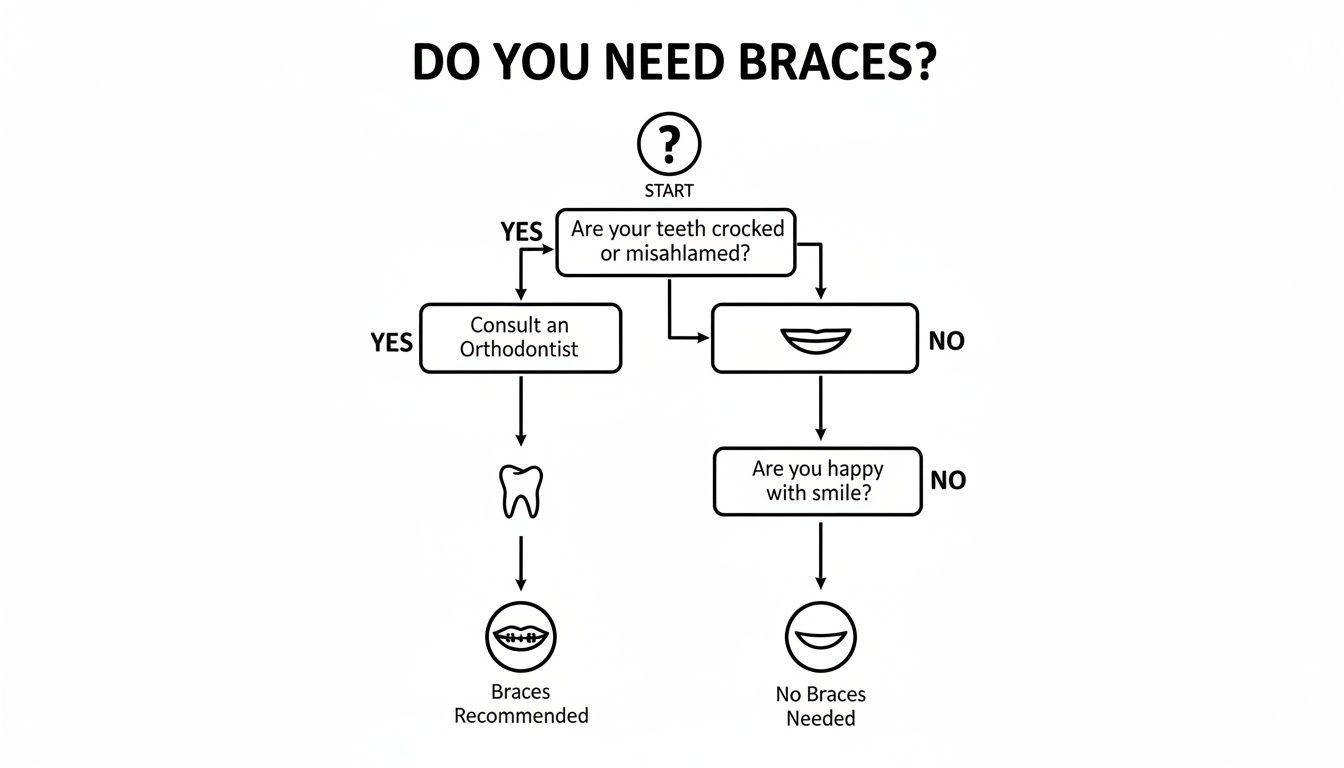
As the chart shows, if you’re seeing visible issues like crooked teeth, it’s a straightforward path towards considering your orthodontic options.
To make it even easier, here’s a quick summary of the visual and functional signs that might mean braces are in your future.
Quick Self-Check For Your Smile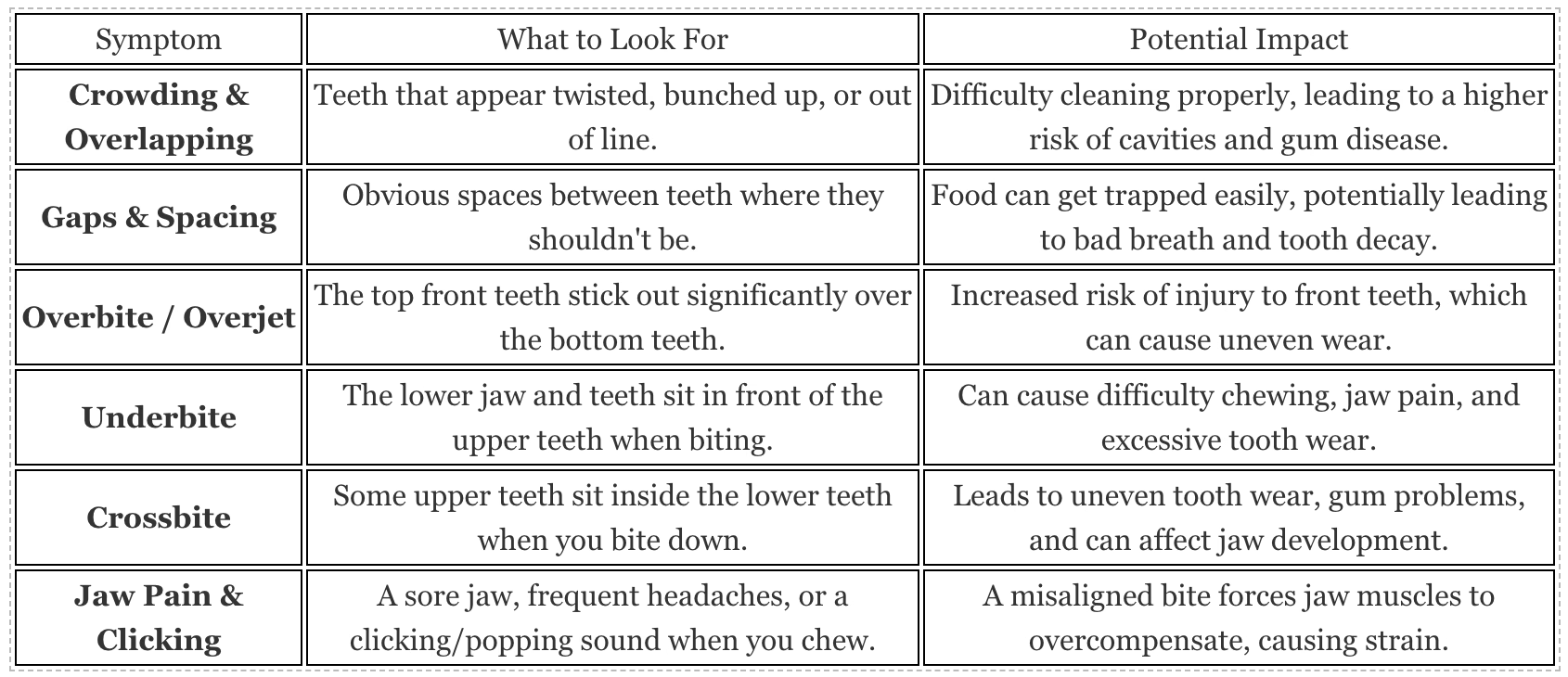
Seeing one or more of these signs doesn’t automatically mean you need complex treatment, but it’s a strong hint that a professional assessment would be a smart move.
Physical Symptoms You Shouldn’t Ignore
Beyond what you can see, certain physical discomforts are strong indicators that your teeth and jaw aren’t working together as they should. These functional problems often have a bigger impact on your well-being than you might realise.
Don’t just brush off frequent headaches or jaw soreness as everyday annoyances. A misaligned bite forces your jaw muscles to work harder, which can lead to chronic pain, clicking sounds, and even trouble opening or closing your mouth.
Pay close attention if you experience:
- Difficulty Chewing or Biting: If you often bite the inside of your cheeks or tongue, or if chewing just feels awkward and inefficient, your bite is likely off.
- Challenges with Oral Hygiene: Are some of your teeth so crowded that you can’t get floss between them? These hard-to-reach spots are prime real estate for plaque and bacteria.
- Speech Issues: Sometimes, the positioning of your teeth can cause a lisp or other slight speech impediments you might not have connected to your smile.
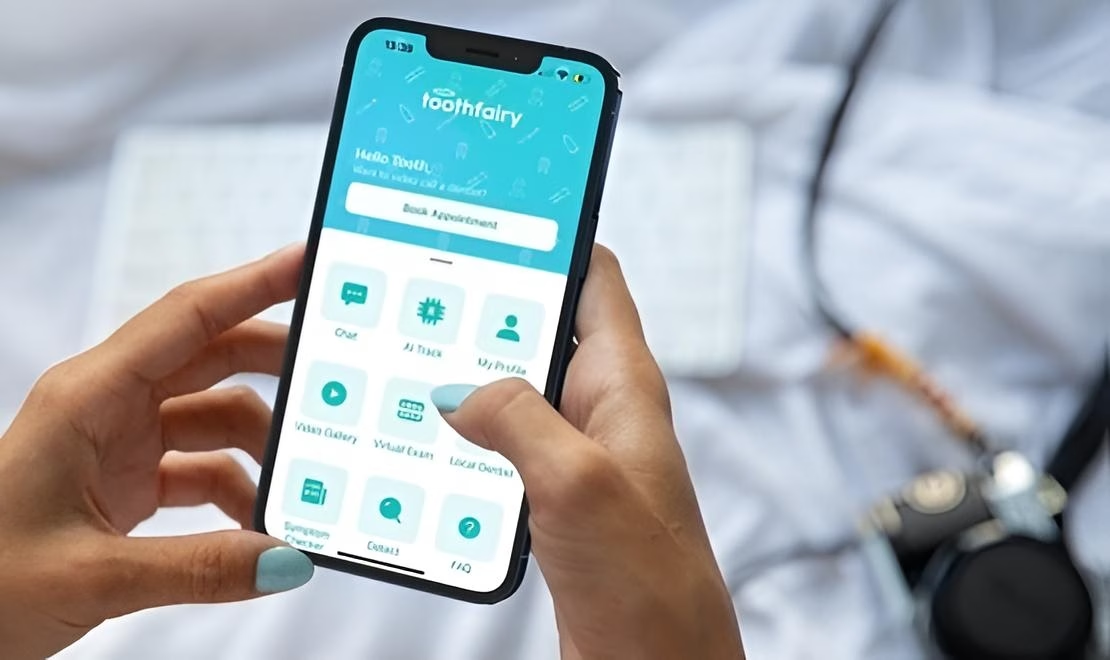
If any of this sounds familiar, it’s a good idea to get a professional opinion. With modern solutions like the Toothfairy app, getting an expert assessment from a UK-registered dentist is easier and more affordable than ever—all from the comfort of your own home.
Why Straight Teeth Are More Than Just a Great Smile
Everyone loves a great smile, and it’s a brilliant confidence booster. But if you think orthodontics is just about looking good, you’re missing a huge part of the story. Straightening your teeth is actually one of the best investments you can make in your long-term oral health, tackling problems that could cause real trouble later on.
Those things we notice in the mirror—a crowded tooth here, a wonky bite there—are often just the tip of the iceberg. They’re outward signs of deeper functional issues. When teeth line up correctly, they work in harmony. When they don’t, the knock-on effects can range from small daily frustrations to chronic health complaints.
The Hidden Health Risks of Crooked Teeth
It’s easy to miss the connection between how your teeth are aligned and your overall health, but it’s definitely there. What starts as a minor issue can snowball over time, eventually leading to far more complicated and expensive dental work. Getting ahead of these problems is simply a smarter way to look after yourself.
Here are some of the most common health issues that stem from leaving orthodontic problems unaddressed:
- Higher Risk of Cavities and Gum Disease: When teeth are crowded or overlap, they create tight spots that are a nightmare to clean properly with a brush or floss. These hard-to-reach areas are perfect hiding places for plaque and bacteria, dramatically increasing your chances of developing cavities and gum inflammation (gingivitis).
- Uneven Tooth Wear: A bad bite means some teeth take on way more chewing pressure than they’re built for. Over time, this imbalance can literally grind down your enamel, causing chips, cracks, and fractures that will need fillings or crowns to fix.
- Jaw Strain and Headaches: If your bite is off, your jaw muscles have to work harder to compensate every single time you chew or even speak. This constant strain can lead to chronic jaw pain, clicking sounds, and even persistent tension headaches, which are often linked to a condition called temporomandibular joint disorder (TMD).
From Cosmetic Concern to Health Necessity
A classic sign you might need braces is noticing this kind of uneven wear on your teeth. While studies show that appearance is a major driver for 20.61% of UK adults seeking treatment, a functional problem like an underbite can seriously impact your ability to chew and speak clearly. That’s when orthodontic care stops being a cosmetic choice and becomes a health priority. You can read more about these dental statistics to get a better sense of what motivates people to seek treatment.
Think of your teeth like gears in an engine. When they mesh together perfectly, the engine runs smoothly and efficiently. But if the gears are misaligned, they grind against each other, causing friction, wear, and eventual breakdown. Orthodontic treatment is like realigning those gears for optimal, long-lasting performance.
At the end of the day, straightening your teeth is about so much more than just looks. It’s a proactive step towards preventing future dental disasters, improving your day-to-day comfort, and keeping your smile healthy for a lifetime. And with modern, convenient solutions like Toothfairy’s at-home clear aligners, looking after your oral health has never been easier or more affordable.
Your Guide to Modern Teeth Straightening Solutions
So, you’ve noticed some of the tell-tale signs that your smile could use a little help. The big question now is, what can you do about it? Luckily, the days of being limited to a mouthful of traditional metal braces are long gone. The world of orthodontics has come a long way, offering fantastic solutions that cater to different lifestyles, budgets, and, of course, how you want to look during treatment.
It’s not just about getting the job done anymore; it’s about finding a treatment that fits seamlessly into your life. While fixed metal braces are still brilliant for tackling more complex alignment issues, many people are looking for something a bit more discreet and flexible.
The Rise of Clear Aligners
Clear aligners have completely changed the game, especially for adults who want to straighten their teeth without the obvious look of wires and brackets. Instead of being bonded to your teeth, these are custom-made, transparent trays that fit snugly over them, gently nudging them into the right position over time.
This approach brings some pretty great benefits to the table:
- Practically Invisible: Made from clear plastic, they’re very difficult for anyone else to spot. This is a huge confidence booster for professionals or anyone who’s a bit self-conscious about undergoing treatment.
- Removable and Convenient: You pop them out to eat, drink anything other than water, and brush your teeth. That means no banned foods and keeping your oral hygiene routine is a breeze.
- Comfort is Key: With no sharp metal bits, clear aligners are generally much more comfortable. You won’t have to worry about brackets or wires irritating the inside of your mouth.
Think of it this way: traditional braces are like a train on a fixed track, constantly pulling your teeth into line. Clear aligners are more like a series of precise GPS waypoints; each new tray gives your teeth a gentle, calculated push along a carefully mapped-out route to their final destination.
Comparing Your Orthodontic Options
To help you visualise the differences, here’s a straightforward comparison between the old-school approach and modern clear aligners.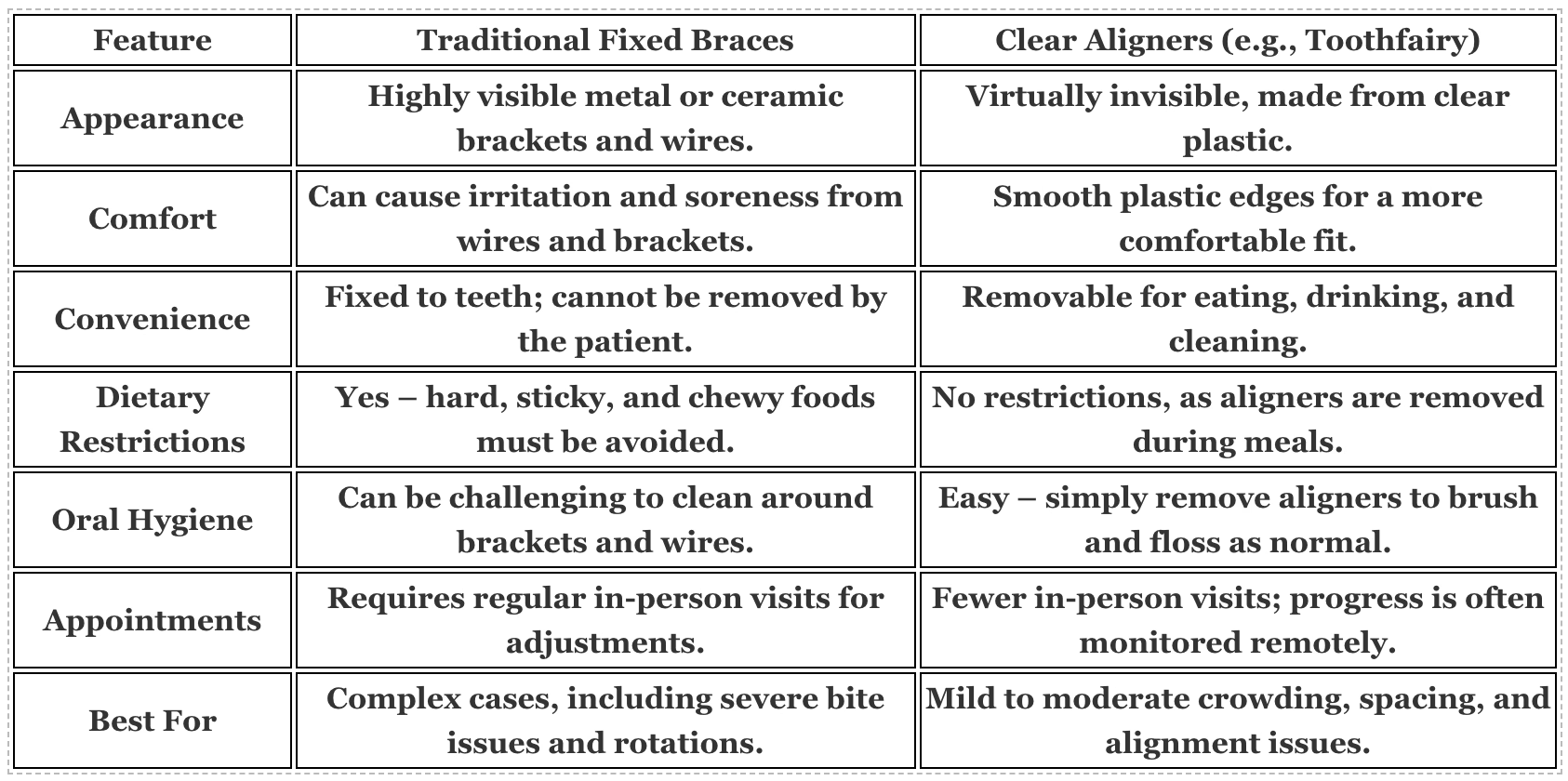
While both methods are effective, your choice really comes down to your specific clinical needs and what works best for your day-to-day life.
A Smarter, More Accessible Path to Your Ideal Smile
This is where Toothfairy really shines. We provide a modern, professionally supervised clear aligner system that puts you in the driver’s seat. Our entire process is built around convenience, starting with a simple assessment from home using our app. A UK-registered dentist personally reviews your case, designs your treatment plan, and makes expert orthodontic care more accessible and affordable than ever.
Instead of blocking out time for frequent clinic visits, your progress is tracked remotely by a dedicated dental professional. It’s the perfect blend of smart technology and genuine clinical expertise. This approach makes getting the smile you’ve always wanted a seamless part of your life, not a major disruption. To get a better sense of the full range of treatments available for aligning your smile, you can explore these comprehensive orthodontic solutions.
Who Is a Good Candidate for Braces or Aligners?
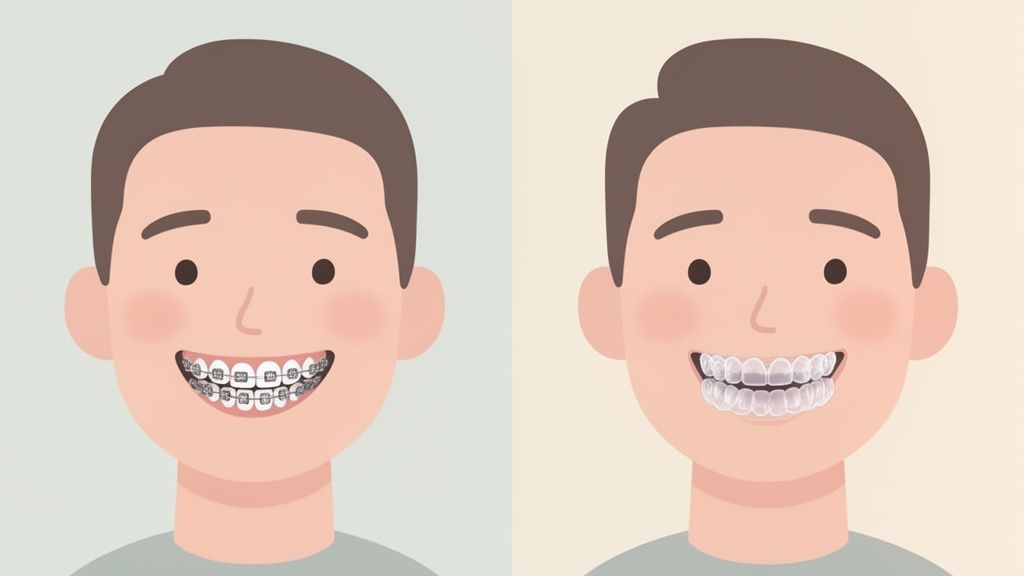
It’s a complete myth that braces are just for teenagers. The truth is, there’s no upper age limit for getting a healthier, straighter smile. More and more adults are choosing to get treatment, not just to improve their appearance but to finally fix functional problems that have bothered them for years.
This isn’t just a feeling; the numbers back it up. Recent data shows that 76% of orthodontists have seen a significant increase in adult patients, most of whom are between 26 and 55 years old. While the “Zoom effect” definitely made people more conscious of their smiles on screen, the bigger drivers are often health-related, like correcting an overbite that’s causing jaw pain. You can delve into these adult dental treatment trends to see just how much this has grown.
What Issues Can Clear Aligners Fix?
Clear aligners, like the ones we provide at Toothfairy, are incredibly effective for a whole host of common alignment issues. They are a fantastic, nearly invisible option for anyone who wants to improve their smile without the look of traditional fixed braces.
Clear aligners are a great match for sorting out:
- Mild-to-Moderate Crowding: This is when there simply isn’t enough room in your jaw for all your teeth to line up properly. Aligners work by gently making space and nudging them into their ideal spots.
- Gaps Between Teeth (Diastema): If you have noticeable spaces between your teeth, aligners are brilliant for closing them up to create a more even, complete smile.
- Overbites and Overjets: This is when your top front teeth stick out too far over your bottom teeth. Aligners can correct many of these bite problems, improving how your jaw works and how your smile looks.
- Minor Crossbites: A crossbite happens when some of your upper teeth bite down on the inside of your lower teeth. This can often be fixed with a well-designed aligner treatment plan.
The best candidates for clear aligners are usually people with mild to moderate orthodontic issues. For them, aligners offer a powerful and convenient solution that fits seamlessly into a busy adult life.
When Traditional Braces Might Be Better
While modern aligners are amazingly versatile, some really complex cases are still better handled with traditional fixed braces. This method gives an orthodontist a different kind of leverage to make very specific or difficult tooth movements happen.
Situations where fixed braces might be the better route include:
- Severe Bite Problems: An extremely deep overbite, a significant underbite, or a major crossbite might need the more constant, powerful pressure that only fixed braces can deliver.
- Major Tooth Rotations: If a tooth is severely twisted out of line (especially canines or premolars), traditional braces may be needed to rotate it back into the correct position.
- Large Gaps or Extractions: Cases that involve removing a tooth or closing very large gaps can sometimes be managed more predictably with fixed appliances.
The only way to know for certain if you need braces or aligners is to get a professional opinion. A virtual consultation with a Toothfairy dentist is the perfect, no-fuss first step. It’s a smart and affordable way to get an expert to assess your smile and find out if modern clear aligners are the right choice for you.
How to Start Your Journey the Modern Way
Let’s be honest, the thought of getting braces used to be a real hassle. It meant booking time off work, sitting in waiting rooms, and enduring those goopy, uncomfortable putty moulds. Just getting a straight answer about what you needed could take weeks. Thankfully, that whole process is a thing of the past.
Technology has completely changed the game. Instead of getting stuck on a long NHS waiting list or trying to squeeze appointments into an already packed schedule, you can now get a professional opinion right from your sofa. This new way of doing things puts you in the driver’s seat, making top-tier orthodontic care accessible to everyone. The idea is simple: use the phone in your pocket to start your smile journey.
The Toothfairy Virtual Assessment Step-by-Step
Here at Toothfairy, we’ve designed our entire service around this idea. We believe getting expert dental advice should be simple and convenient. Our app connects you directly with a UK-registered dentist, cutting out all the logistical headaches without ever compromising on quality.
Finding out if you’re a candidate for braces is now incredibly straightforward. Here’s a quick look at how it works:
- Snap a Few Photos: Grab your smartphone and take a few specific pictures of your teeth. Our app guides you through it with simple, step-by-step instructions, so your dentist gets a crystal-clear view of your smile.
- Chat with a Dentist: Your photos are securely sent to a qualified UK dentist for review. You’ll have a secure consultation where you can talk about your goals and ask any questions on your mind.
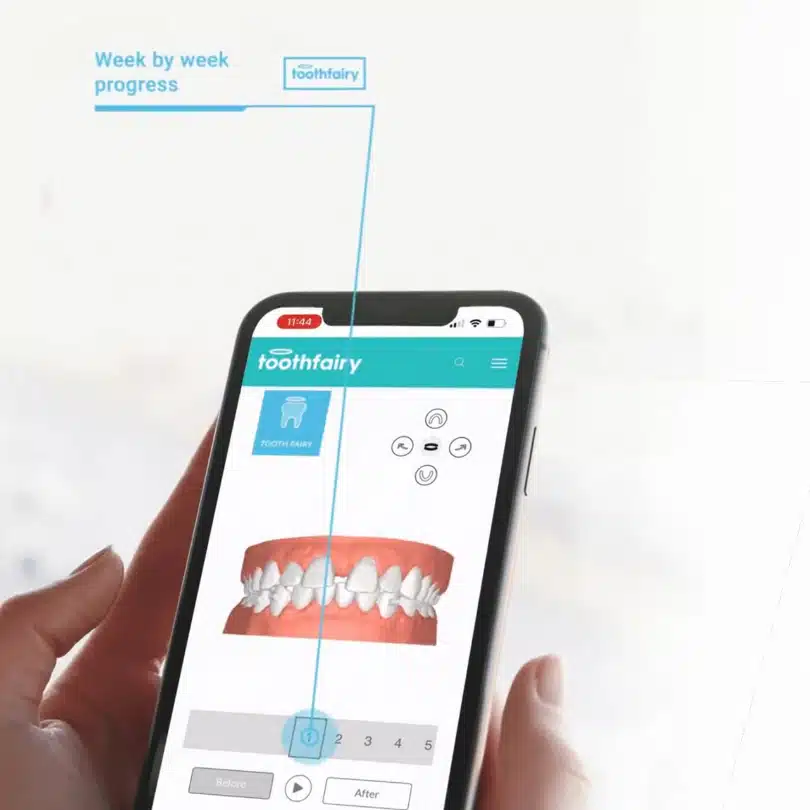
- Get Your Custom Plan: The dentist will analyse your alignment, confirm if you’re a good fit for clear aligners, and map out a personalised treatment plan. Best of all, you’ll get to see a 3D preview of what your new smile will look like before you commit to anything.
The whole thing is done on your time, without you ever needing to leave home. It’s a smarter, more affordable way to get the professional care you deserve.
The real beauty of a virtual assessment is the speed. Why wait weeks or even months for that first appointment when you can get a professional, evidence-based opinion in just a few days? It takes the guesswork out of the equation and turns a nagging question into a clear, actionable first step.
By going down this modern route, you’re not just saving yourself time and effort. You’re getting direct access to expert care, right when you need it. It’s the perfect, no-pressure way to explore your options and find out if clear aligners are the right choice for the confident, healthy smile you’ve always wanted.
What to Expect During Your Treatment
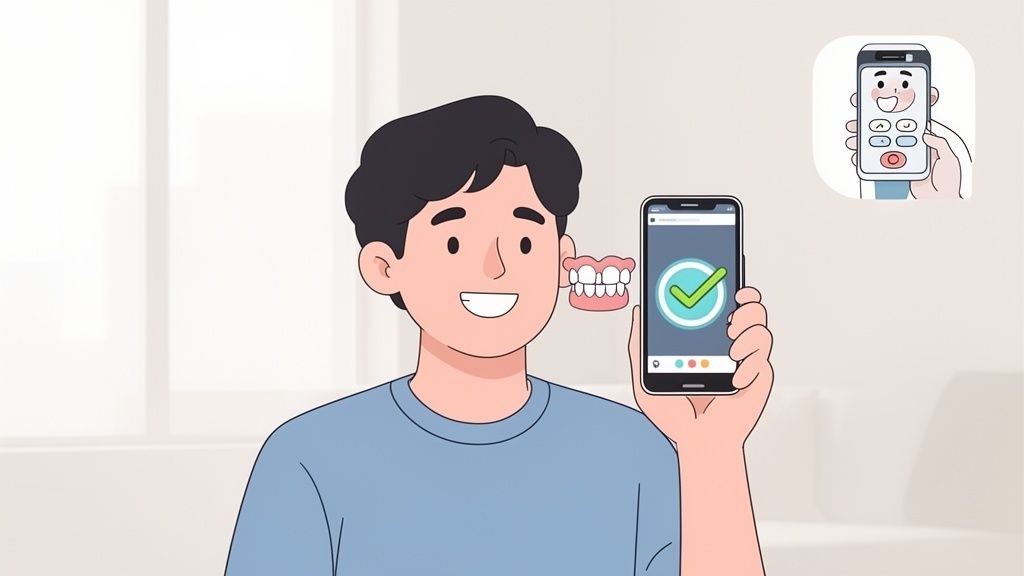
Deciding to straighten your teeth is a big step, so it’s completely normal to wonder what the whole process actually looks like from start to finish. Knowing what to expect with the timeline, cost, and day-to-day adjustments makes the journey feel much less daunting.
The first thing on everyone’s mind is, “How long will this take?” For clear aligners tackling mild or moderate crowding, you’re often looking at a timeline of just four to eight months. More complex cases, especially those needing traditional fixed braces, can take longer—usually somewhere between 18 to 24 months. It really all comes down to the unique plan for your smile.
Understanding the Investment in Your Smile
Cost is, of course, a huge factor. The price can vary quite a bit depending on how complex your case is and which treatment you choose. With traditional braces, the pricing structure can sometimes be confusing, with separate costs for consultations, adjustments, and the final retainers. Some aligner brands can also come with a surprisingly high price tag.
At Toothfairy, we wanted to make this part much simpler. Because our model is app-based, we cut out a lot of the overheads, which allows us to offer a clear, all-in-one price right from the beginning. There are no hidden fees or surprise charges along the way—just one transparent figure for your entire dentist-led treatment.
The real value isn’t just in the final result but in the journey. A modern approach prioritises your convenience, comfort, and confidence every step of the way, making a straighter smile an achievable goal without disrupting your life.
Adjusting to Daily Life with Aligners
You’ll be pleasantly surprised at how easily clear aligners fit into your life. It really boils down to a few simple habits.
Here’s what you’ll need to do:
- Wear Them Consistently: This is the most important part. Aim to keep your aligners in for at least 22 hours a day. You’ll only take them out to eat, drink anything other than water, or brush your teeth.
- Keep Everything Clean: Great oral hygiene is non-negotiable. You’ll need to brush and floss after every meal before putting your aligners back in. This stops food particles from getting trapped against your teeth.
- Embrace the Pressure: When you switch to a new set of aligners, you’ll probably feel a bit of pressure for the first day or so. Don’t worry, that’s a good thing! It’s the sign that your teeth are gently moving into their new positions.
This straightforward routine becomes second nature in no time, making the whole treatment feel like a seamless part of your daily life.
Your Questions About Getting Braces, Answered
Thinking about straightening your teeth naturally brings up a lot of questions. We get it. Below, we’ve answered some of the most common queries we hear from people just like you, giving you the clear, straightforward information you need to move forward with confidence.
Is It Ever Too Late to Get Braces as an Adult?
Not at all. There’s a common misconception that braces are just for teenagers, but the truth is there’s no upper age limit for orthodontic treatment. More and more adults are choosing to straighten their teeth, not just for a confidence boost but for their long-term oral health.
As long as your teeth and gums are healthy, you can be a great candidate at any age. Modern solutions like Toothfairy’s clear aligners are designed with a professional lifestyle in mind, offering a discreet and convenient way to get the smile you’ve always wanted.
Will My Teeth Hurt During the Treatment?
It’s completely normal to feel some mild pressure or a bit of tenderness for a few days after your braces are first fitted, or each time you switch to a new set of aligners. Think of it as a good sign—it means your teeth are gradually moving into their new, correct positions!
This feeling is usually very manageable and fades within a day or two. Many people find clear aligners more comfortable overall, as they don’t have the metal brackets or wires that can sometimes irritate the inside of your mouth.
How Can I Get a Professional Opinion Without a Long Wait?
Waiting weeks for an in-person appointment can be frustrating. The quickest and most convenient way to get an expert opinion is through a virtual consultation. The Toothfairy app puts you in direct contact with a qualified UK dentist, right from your own home.
All you need to do is upload a few photos of your teeth and you can even have a video call to chat about your goals. Your dentist can tell you if you’re a good fit for clear aligners and map out a personalised treatment plan, helping you skip the queue for a traditional clinic visit.
Ready to get a clear, professional opinion on your smile? With Toothfairy, a UK-registered dentist can assess your teeth and create a personalised aligner plan, all through our easy-to-use app. Start your free consultation today and discover a smarter way to straighten your teeth.
Last updated on January 30, 2026

Toothfairy Care Team
Toothfairy, is the world's smartest dental app, that connects patients to a dentist for a range of issues, from emergencies, cosmetics, prescriptions to virtual exams.
Toothfairy Care Team
Toothfairy, is the world's smartest dental app, that connects patients to a dentist for a range of issues, from emergencies, cosmetics, prescriptions to virtual exams.