How Are Braces Put On A Guide to Your Orthodontic Journey

Getting braces is a big moment, and it’s totally normal to wonder what actually happens during the main appointment. The good news is that it’s a pretty smooth process. Your orthodontist will get your teeth ready, use a special glue to stick on the brackets, and then thread the archwire through them to connect everything.
Let’s break down exactly what to expect, step by step, so you can walk into your appointment feeling ready and confident.
Your First Steps on the Path to a Straighter Smile
Deciding to get braces is a proper investment in your health and self-esteem. It’s common to feel a little bit excited and a lot nervous – that’s perfectly okay! Knowing what’s coming up can make a huge difference, helping to calm any nerves and get you actively involved in your own smile journey.

The road to a perfectly aligned smile doesn’t kick off with brackets and wires right away. It all begins with a good chat and a thorough check-up. This first stage is all about gathering the details needed to map out a treatment plan that’s built specifically for you.
What Is the Purpose of the Initial Consultation?
This first meeting is probably the most critical part of the whole process. It’s where your orthodontist gets to grips with your dental situation and figures out the best way forward. More importantly, it’s your chance to talk about what you want to achieve, ask all your questions, and get a clear picture of the treatment ahead.
Here’s what typically happens during that first appointment:
- A full oral examination: The orthodontist will have a good look at your teeth, gums, and jaw to make sure everything is healthy.
- Diagnostic records: This usually means taking X-rays, and often digital scans or moulds (impressions) of your teeth.
- A discussion of your options: You’ll talk through the pros and cons of different types of braces or other straightening methods.
This detailed approach ensures your treatment plan tackles the real cause of any bite or alignment problems, laying the groundwork for a brilliant result. It’s not just about looks; it’s about getting a bite that works properly and feels comfortable. As you start thinking about improving your smile, you might also be curious about other cosmetic treatments. For example, some people find guidance on teeth whitening for sensitive teeth useful to consider for after their braces come off.
Think of your orthodontic plan as the blueprint for your new smile. Every measurement, scan, and conversation during the consultation helps build a precise and effective final result.
Before we dive into the nitty-gritty of getting your braces fitted, it’s useful to see the whole process at a high level.
The Braces Application at a Glance
This table gives you a quick summary of the key stages involved when your orthodontist puts on your braces.
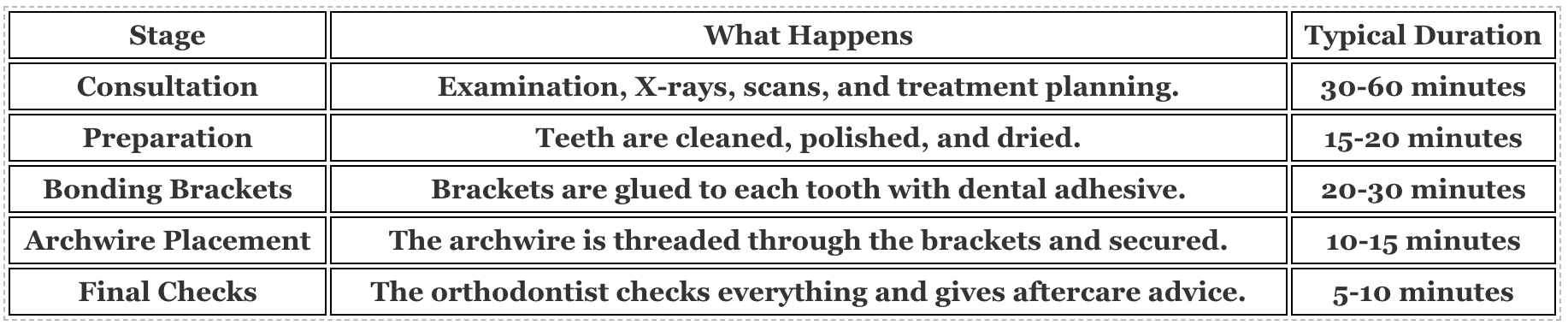
As you can see, the main fitting appointment is quite methodical and doesn’t take as long as
Preparing for a New Reality
While traditional metal braces are still a fantastic and reliable option, they aren’t the only choice anymore. The world of orthodontics has come a long way, offering more flexibility than ever before. You’ve probably heard of certain clear aligner brands, which have become a popular alternative, though they often carry a hefty price tag.
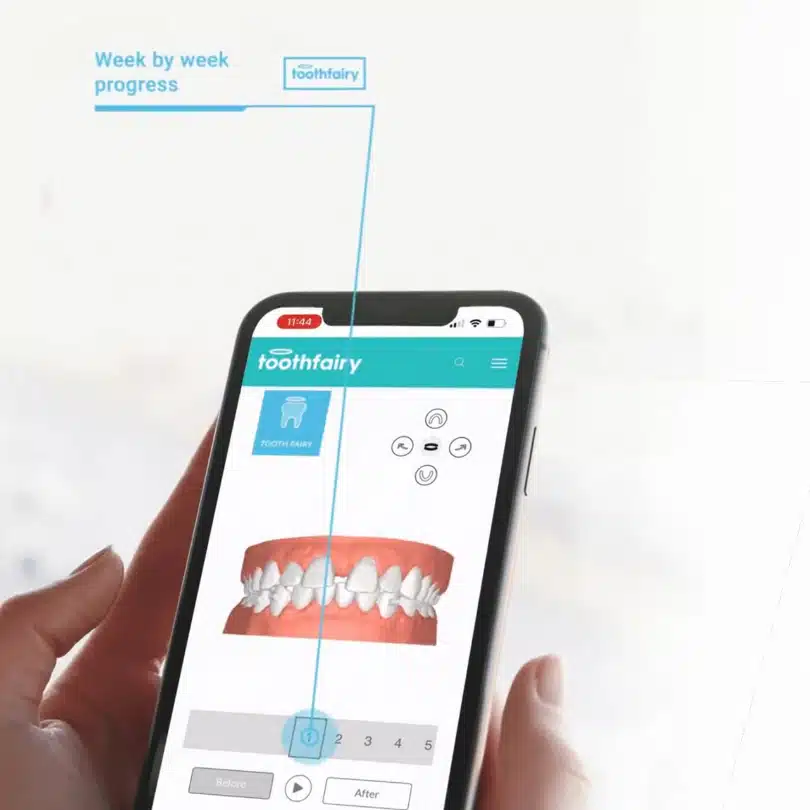
Smarter, more affordable platforms like Toothfairy are changing the game by making modern teeth straightening more accessible. We connect you with qualified dentists through an app, offering supervised and convenient treatment that fits your lifestyle and your budget. Getting to know all the available choices is the best way to make a decision you’ll be happy with for years to come.
The Consultation and Treatment Planning Phase
Before a single bracket or wire ever touches your teeth, the real work begins. The initial consultation is arguably the most crucial step in your entire orthodontic journey—it’s where the blueprint for your new smile is drawn up. Think of it as the strategy session where you and your orthodontist map out the path to success.
This first meeting is all about you. It’s your chance to share what you’re hoping to change about your smile and ask every question you can think of. Your dentist will carry out a thorough examination, looking at your teeth, your jaw, and how everything fits together. The goal is to build a completely personalised plan that doesn’t just look great but works perfectly for you.
Gathering Your Dental Blueprint
To get that personalised plan just right, your orthodontist needs to see the full picture. This is where diagnostic records come in. They’re essential for understanding what’s really going on beneath the surface and for plotting the precise movements each tooth needs to make.
Typically, this involves a few key things:
- X-rays: These give a clear view of your tooth roots and jawbone, flagging any hidden issues that might affect treatment.
- Digital Scans or Moulds: A super-accurate 3D model of your teeth is created. This lets your orthodontist see your bite from every possible angle.
- Photographs: A few simple photos of your face, profile, and teeth help the team plan a smile that suits your unique facial features.
This detailed, data-driven approach is what makes modern orthodontics so effective. It ensures that the answer to “how are braces put on?” starts with a solid strategy, long before you’re sitting in the chair for the main event. It’s worth remembering that this detailed assessment is also the foundation for other teeth straightening methods. For example, the at-home aligner solutions offered by Toothfairy use similar digital diagnostics to make straightening your teeth more accessible and affordable than some of the big-name aligner brands.
Preparing Your Teeth for Braces
With your treatment plan locked in, there are just a couple of small steps to get your teeth ready for fitting day. The whole idea is to create the perfect surface for the brackets to stick to, making sure they stay put for the duration of your treatment.
A squeaky-clean tooth surface is non-negotiable for a strong bond. Any lingering plaque can weaken the adhesive, which could mean loose brackets and frustrating delays later on.
You’ll usually be advised to have a professional dental cleaning just before your braces are fitted. This clears away any buildup and gives the enamel a good polish, creating a pristine canvas. For some, one extra step might be needed. If your back teeth are tightly packed, your orthodontist may place tiny elastic rings called separators or spacers between them about a week beforehand. They gently create just enough room to slide the metal anchor bands around your molars, making the fitting process much smoother and more comfortable.
The Bonding Appointment: Getting Your Braces On
This is it – the day the magic really begins. Your bonding appointment is when the orthodontist fits all the hardware that will gently nudge your teeth into their perfect new positions. It might sound a bit intense, but the whole process is surprisingly straightforward and, most importantly, completely painless.
First, you’ll get settled into the chair. Your orthodontist needs to keep your teeth perfectly dry for the adhesive to stick properly, so they’ll pop in a plastic cheek retractor. It feels a bit odd and looks a little goofy, but it doesn’t hurt. This simple gadget just gives them a clear, wide-open space to work.
Preparing Your Teeth for a Strong Bond
Before any brackets go on, your teeth get a thorough polish and clean. Then, a special conditioner is painted onto the surface of each tooth that’s getting a bracket. This is called ‘etching’, and it just creates a microscopically rough surface, almost like priming a wall before painting. It’s what helps the bonding glue get a really strong grip.
Getting this prep stage right is crucial. A solid bond from day one means you’re far less likely to have brackets pop off, which saves you extra trips back to the clinic.
This flowchart shows the essential prep work that happens well before the actual bonding starts.
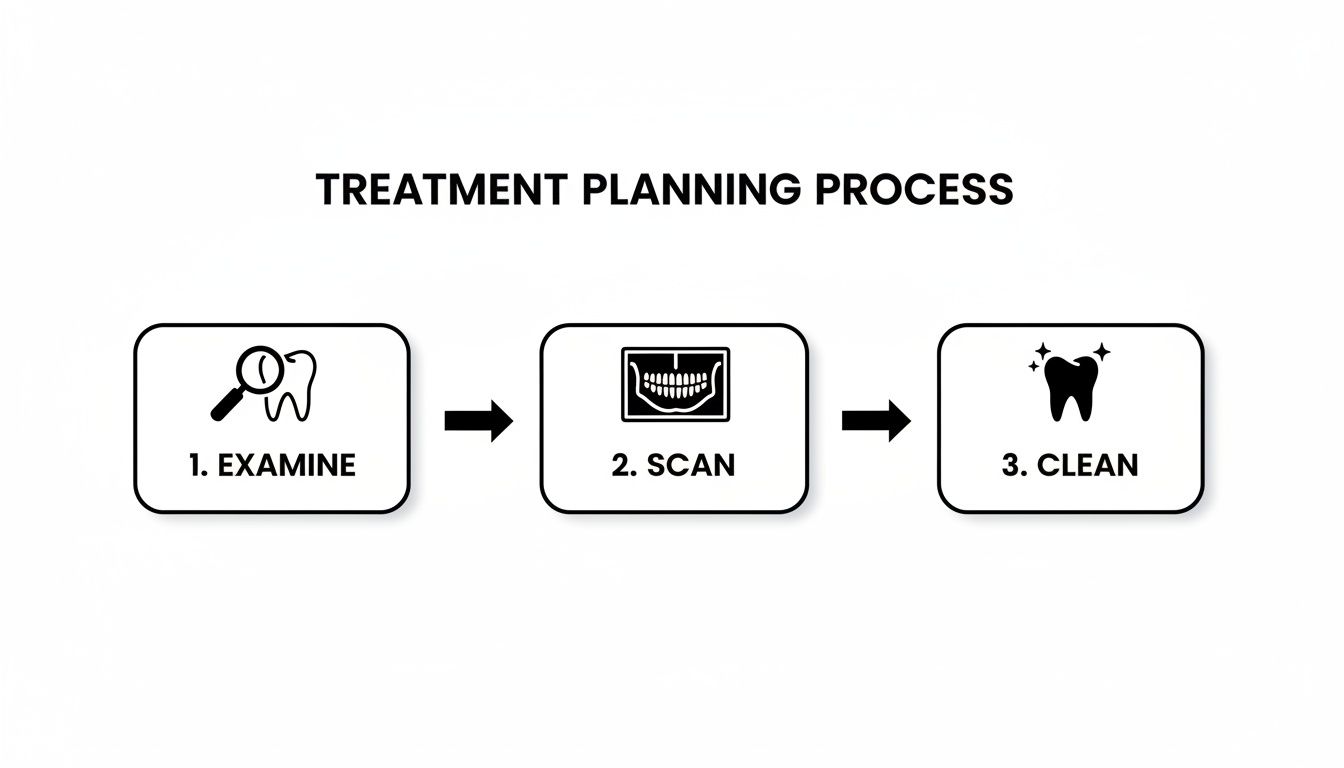
As you can see, every successful treatment starts with a solid foundation of examining, scanning, and cleaning.
Attaching the Brackets and Archwire
With your teeth prepped and ready, the orthodontist will put a small dab of dental adhesive on the back of each bracket. They’ll then carefully place them, one by one, right in the centre of each tooth. This part requires real precision, as the exact spot they choose for each bracket ultimately guides where your teeth will end up.
Once a bracket is in the perfect position, a bright blue UV light is used to ‘cure’ the adhesive. This light hardens the glue in just a few seconds, locking the bracket firmly onto your tooth for the entire time you’re in treatment.
After all the brackets are securely bonded, the final piece of the puzzle is threaded into place: the archwire. This thin, flexible metal wire runs through a slot in every bracket. It’s the archwire that does the real work, applying the slow, steady pressure that actually shifts your teeth.
The whole process, from sitting down to showing off your new hardware, usually takes about one to two hours. You won’t feel any pain, just the strange new sensation of having braces on your teeth.
To keep the archwire snug in the brackets, tiny elastic bands called ligatures are wrapped around each one. This is often the most fun part for patients because you get to choose from a whole rainbow of colours. You can finally personalise your new smile! These elastics get changed at every adjustment appointment, so you’ll have plenty of chances to try out different colour combinations.
Navigating the First Few Weeks with Braces
Alright, so the braces are on. The first couple of weeks are all about getting used to a new feeling in your mouth and tweaking your daily routine. It’s totally normal to feel some tenderness as your teeth start to shift – in fact, it’s a good sign! That gentle pressure means the braces are already starting to do their job, guiding your teeth towards their new, straighter positions.
This initial soreness usually only hangs around for a few days and is pretty easy to manage. Most people describe it as a dull, persistent ache, but rest assured, it’s a temporary part of the process.
Managing Initial Discomfort
The secret to a comfortable first week is simply being gentle with your mouth. Sticking to soft foods is one of the best things you can do to reduce pressure and give your teeth and gums a chance to adapt. Think smoothies, soups, mashed potatoes, and scrambled eggs. Basically, anything you don’t have to chew much will be your best friend for a little while.
You might also find that some bits of the brace rub against your cheeks or lips, causing a bit of irritation. This is where your orthodontic wax comes in handy – it’s a lifesaver. Just pinch off a tiny piece, roll it into a ball to warm it up, and press it firmly over the bracket or wire that’s giving you grief. It creates a smooth little buffer and gives you instant relief.
Remember, that first week is the biggest hurdle. Your mouth is incredibly quick to adapt, and this initial sensitivity will fade away as you get used to your new hardware.
Mastering Your New Cleaning Routine
Keeping your teeth clean with braces takes a bit more effort, but you’ll get the hang of it, and it’ll soon become second nature. Food has a nasty habit of getting trapped in all the new nooks and crannies around the brackets and wires. A really thorough cleaning routine is non-negotiable if you want to prevent plaque and keep your gums healthy.
You’ll want to arm yourself with a few key tools to make the job a whole lot easier:
- A soft-bristled toothbrush: This will be much kinder to your gums and the braces themselves.
- Interdental brushes: These tiny little brushes are brilliant for getting underneath the archwire and between the brackets – places a normal toothbrush just can’t reach.
- Orthodontic floss or a water flosser: Specially designed tools like these are essential for threading floss under the wire to clean properly between your teeth.
Taking the time to clean your teeth properly after every meal doesn’t just protect your oral health now; it guarantees you get the best possible result when your braces finally come off. You want a beautifully straight and healthy smile.
Of course, this meticulous routine is standard for fixed braces. It’s also one of the key differences when you’re looking at alternatives. While some clear aligner brands allow you to remove the trays for cleaning, this convenience often comes at a high price. Thankfully, modern solutions from Toothfairy offer a much smarter and more affordable path to advanced treatments, giving you more choice to suit your lifestyle.
Braces or Clear Aligners? Weighing Up Your Options
When you think of teeth straightening, traditional metal or ceramic braces are probably the first thing that comes to mind. They’re a fantastic, time-tested way to get brilliant results, but they’re not the only game in town anymore. Today, the most popular alternative is clear aligners, and it’s worth getting to know how they stack up before you decide.
Unlike fixed braces that are bonded to your teeth, clear aligners are a series of custom-made, removable plastic trays. You wear each tray for a week or two before moving on to the next one in the series, with each set applying gentle pressure to gradually nudge your teeth into their final position. This fundamental difference creates a completely different day-to-day experience.
Lifestyle and Convenience
One of the biggest draws for clear aligners is the freedom they give you. Because you can take them out, you can eat and drink whatever you like without a second thought. There are no dietary restrictions, so you won’t have to say goodbye to crunchy apples or sticky toffee that could spell disaster for traditional braces.
Cleaning is also a breeze. You simply pop the aligners out to brush and floss your teeth as you normally would, with no tricky wires or brackets to navigate around. The aligners themselves just need a quick clean with a soft brush and water, making it easy to keep on top of your oral hygiene.
The catch? This flexibility requires discipline. Clear aligners are only effective if you wear them for the recommended 20-22 hours per day. If you get into the habit of leaving them out after meals, you could seriously slow down your progress.
Aesthetics and the Treatment Journey
From an aesthetic point of view, clear aligners are a clear winner for many. They are far less noticeable than even the most discreet ceramic braces, which makes them a go-to choice for adults and teens who might feel a bit self-conscious about orthodontic work.
While some of the well-known aligner brands have a reputation for being pricey, the technology is becoming much more accessible. This is where a service like Toothfairy can make a real difference. We offer a smarter, more affordable route to the same advanced treatments.
Our app-based approach connects you with qualified UK dentists for virtual monitoring, which makes the entire teeth-straightening process more convenient and budget-friendly. We’re all about putting modern orthodontic solutions within your reach, without the premium price tag. Ultimately, the choice between braces and aligners comes down to what best suits your lifestyle, budget, and personal discipline.
Got Questions About Getting Braces? Let’s Clear Them Up
Even after you’ve got the full rundown, it’s completely normal to have a few more questions pop into your head. Knowing what to expect down to the last detail is the best way to feel calm and ready for the journey ahead. Here are some of the most common things people ask us, with straight-to-the-point answers.
How Long Does the Main Appointment Take?
That big appointment where the braces actually go on is quicker than most people think. You should plan on being in the orthodontist’s chair for about one to two hours. It’s a one-off visit to get everything in place, though the exact timing can shift slightly based on your specific needs.
The whole process is very methodical. First, your teeth get a thorough clean, then the brackets are bonded on, and finally, the archwire is threaded through. Don’t worry, there are no needles or drills involved—just very precise, careful work.
Is Getting Braces Put On a Painful Process?
No, you won’t feel any pain at all while the braces are being fitted. Attaching the brackets is a non-invasive process, so there’s no need for any numbing. It’s really just a matter of sitting back and letting the orthodontist work their magic.
What you can expect is some general soreness or sensitivity for a few days afterwards. This is actually a good sign! It means the braces are already starting to do their job and gently move your teeth. The ache is usually pretty mild and can be easily handled with standard over-the-counter painkillers if you feel you need them.
What Should I Eat Right After Getting Braces?
For the first few days, your teeth are going to feel tender, so sticking to soft foods is your best bet. This helps avoid putting any extra pressure on them and reduces the chance of accidentally damaging your new hardware while you’re still getting used to it.
Think about stocking up on things like:
- Smoothies, yoghurts, and soups
- Mashed potatoes or soft, well-cooked pasta
- Scrambled eggs and flaky fish
- Ice cream can also be a nice treat that soothes any initial discomfort
A word of warning: definitely steer clear of anything hard, crunchy, or sticky. Foods like nuts, hard sweets, popcorn, and chewing gum are notorious for breaking brackets and bending wires, which just means an unscheduled trip back to the clinic for repairs.
How Much Does Orthodontic Treatment Usually Cost?
The cost of straightening your teeth can vary quite a lot. It really comes down to how complex your case is, the total treatment time, and which type of braces or aligners you go for. Here in the UK, private orthodontic work can be a pretty significant investment.
While some of the most famous aligner brands have a reputation for being pricey, modern approaches are making teeth straightening much more accessible. Take Toothfairy, for example. By using an app to connect you directly with qualified UK dentists for monitoring, we can offer a smarter, more affordable alternative. It puts a straighter smile within reach without the traditional hefty price tag.
Ready to explore a more convenient and budget-friendly way to straighten your teeth? Toothfairy provides dentist-prescribed clear aligners, with progress tracked through our app to fit seamlessly into your life. See if you’re a candidate and begin your journey to a more confident smile. Visit Toothfairy to find out more.
Last updated on December 23, 2025

Toothfairy Care Team
Toothfairy, is the world's smartest dental app, that connects patients to a dentist for a range of issues, from emergencies, cosmetics, prescriptions to virtual exams.
Toothfairy Care Team
Toothfairy, is the world's smartest dental app, that connects patients to a dentist for a range of issues, from emergencies, cosmetics, prescriptions to virtual exams.