Emergency dental services near me: Quick UK help
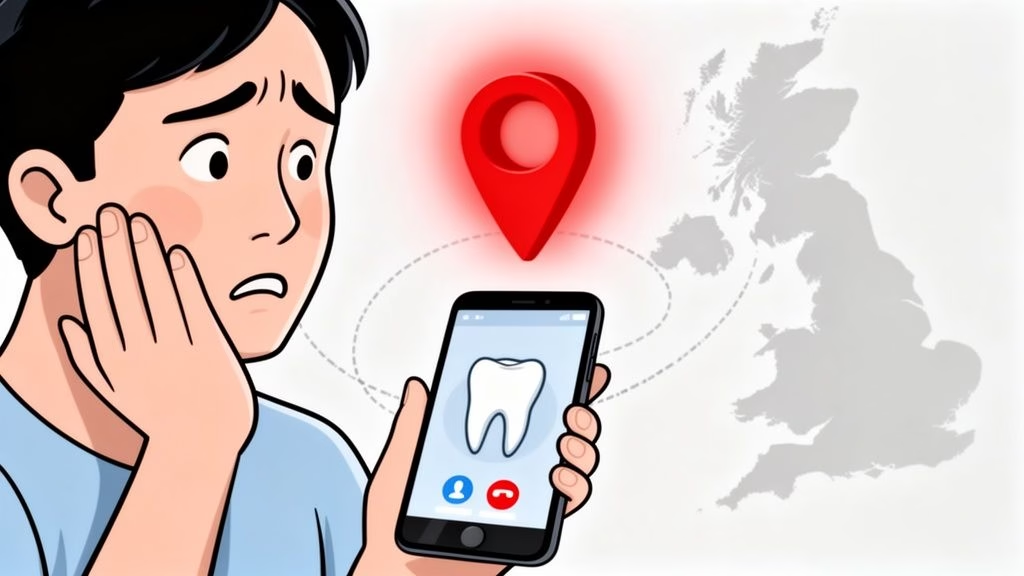
When you're suddenly hit with blinding dental pain, your first reflex is probably to grab your phone and search for “emergency dental services near me”. That’s a good start, but what you do in those first few minutes, even before you find a dentist, can make a world of difference. Getting it right can be the difference between saving a tooth and losing it, or stopping an infection in its tracks.
What to Do First in a Dental Emergency
It’s easy to panic when a dental emergency strikes, but a calm, measured approach will serve you far better. Before you even think about booking an appointment, taking the right steps at home can help manage the pain, prevent further damage, and set you up for a better outcome when you do get professional care.
Different problems call for different first aid. Let’s break it down.
Assessing Your Situation Quickly
A throbbing toothache, for example, is often your body screaming that there’s an infection brewing. A simple, effective first step is to rinse your mouth with warm salt water. This can help soothe the inflammation and draw out some of the fluid that’s causing that awful pressure. You can also press a cold compress against your cheek to numb the area and bring down any swelling. Just be sure not to put a painkiller like aspirin directly on your gum—it can cause a nasty chemical burn.
If a tooth gets knocked out completely, you’re on the clock. Every minute counts.
- Handle it carefully: Pick it up by the crown (the part you chew with), never the root.
- Clean it gently: If it's dirty, a quick rinse with milk or saliva is best. Don't scrub it or use tap water, as this can damage the delicate cells on the root surface.
- Try to reinsert it: The best place for a tooth is back in its socket. Gently push it back in and hold it there by biting down on a clean cloth or handkerchief.
- Store it properly: If you can't get it back in, don't let it dry out. Pop it in a small container of milk or your own saliva and get to a dentist immediately.
Lost a filling or a crown? This can leave the sensitive inner part of your tooth exposed and vulnerable. While it might not be excruciatingly painful, you need to protect it. A piece of sugar-free gum or some temporary dental cement from the chemist can act as a temporary plug until you get to a professional.
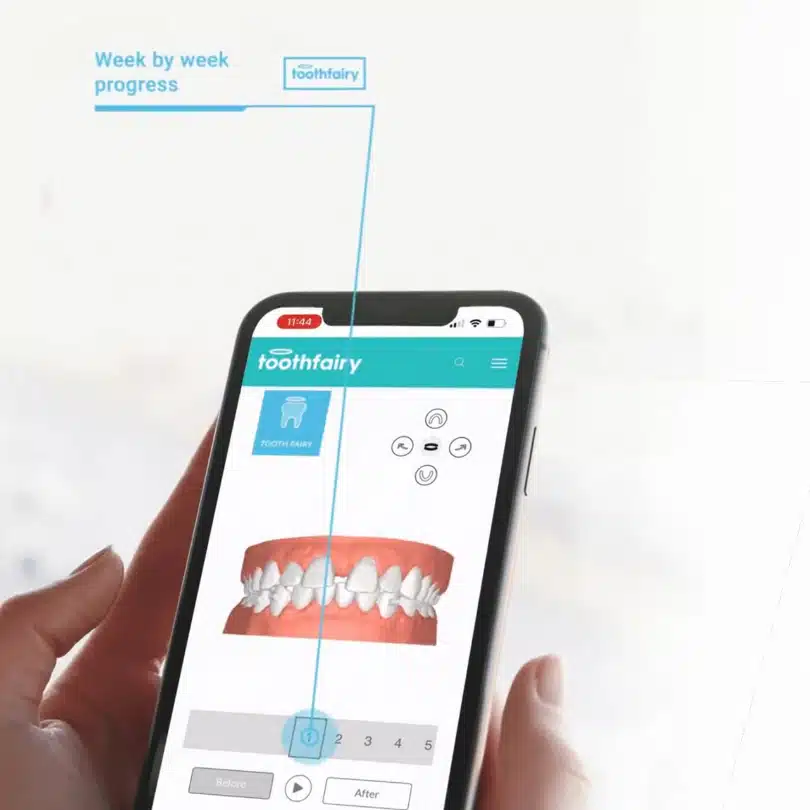
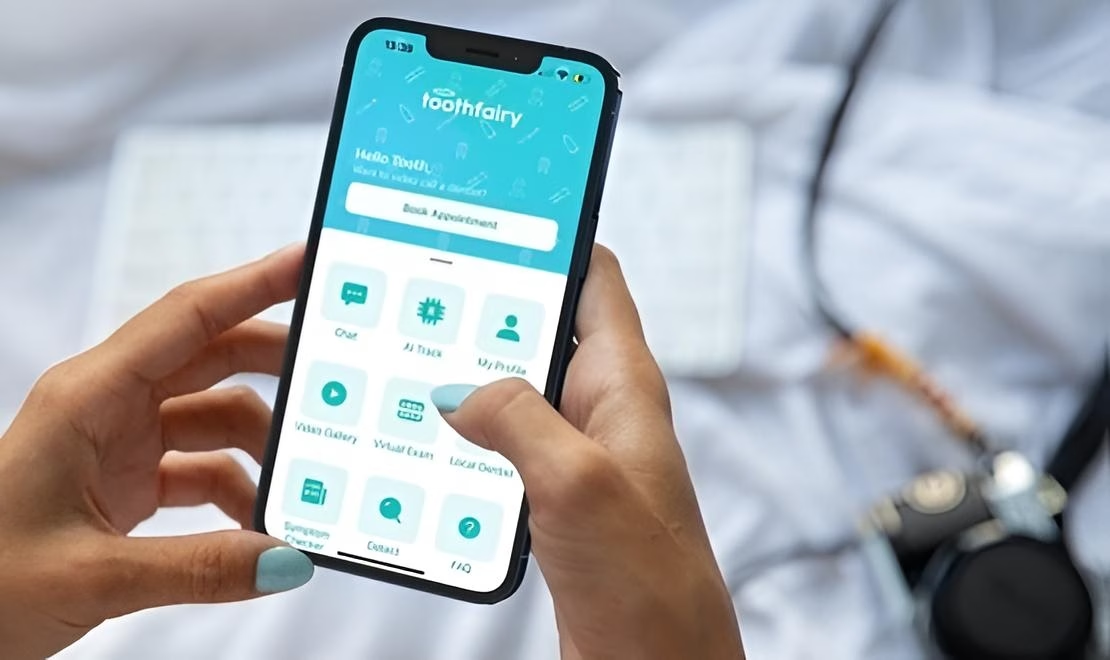
A huge part of managing a dental emergency is getting a professional opinion, fast. Instead of waiting hours for a callback, you can use an app like Toothfairy for an on-demand video consultation. A qualified UK dentist can triage your situation straight away, tell you how urgent it is, and give you the right advice without you ever leaving your home.
This quick decision tree can help you figure out what you're dealing with.
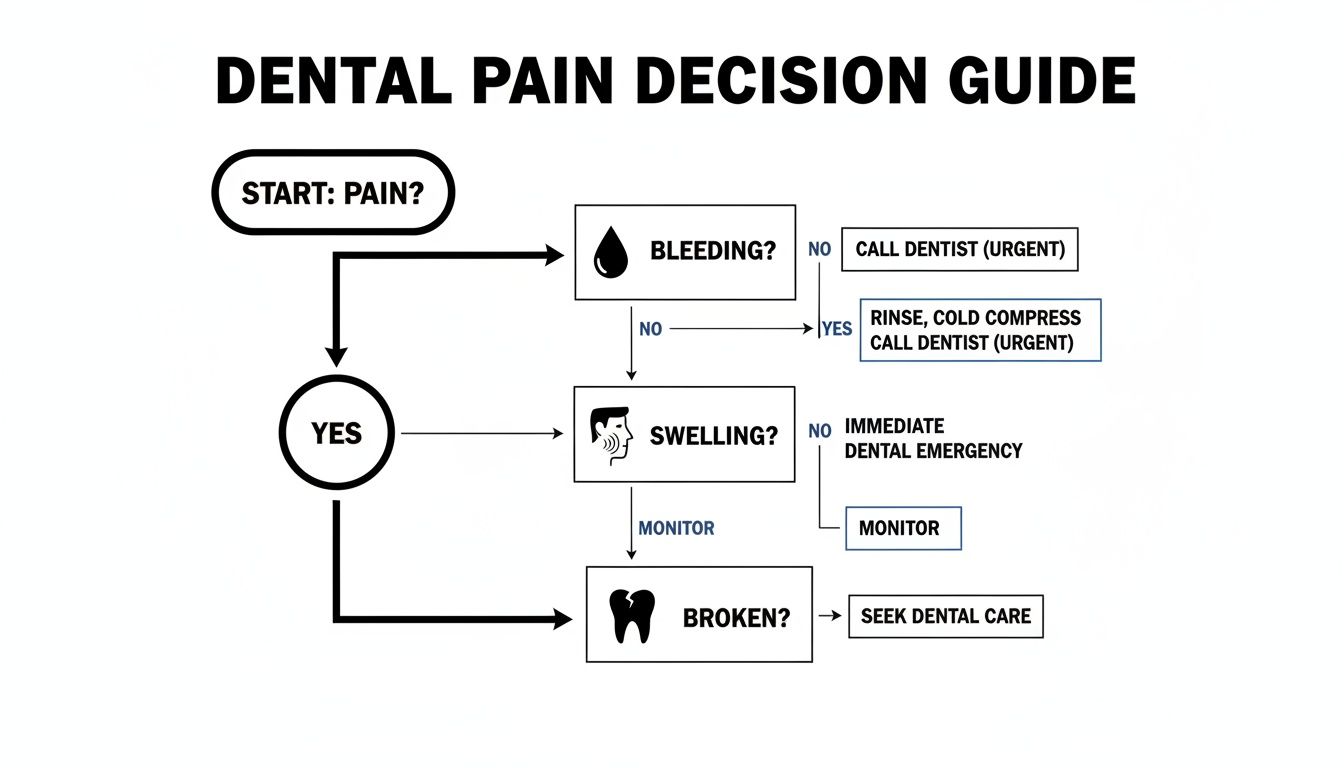
As the flowchart shows, if you have pain combined with bleeding, swelling, or a broken tooth, it’s a clear sign you’re dealing with something serious that needs prompt attention.
This need for immediate, reliable guidance has never been greater, especially given the immense pressure on the UK's NHS dental system. With dental activity still lagging more than 10% behind pre-Covid levels, just getting a timely appointment can feel impossible. This challenging reality, explored in detail by The Probe's analysis of NHS dental statistics, is exactly why immediate-access platforms have become so vital.
Quick Guide to Dental Emergencies
Sometimes you just need a quick-reference chart to make sense of what's happening. Use this table to assess your symptoms and figure out the best course of action, including when a virtual consultation is an ideal first step.
| Symptom | Urgency Level | Immediate Action | Recommended Next Step |
|---|---|---|---|
| Severe, persistent toothache | High | Rinse with warm salt water. Use a cold compress. Take over-the-counter painkillers. | Seek an emergency appointment or use Toothfairy for immediate triage. |
| Knocked-out adult tooth | Very High (Time-sensitive) | Re-implant if possible, or store in milk. Do not touch the root. | See a dentist within the hour. This is a true dental emergency. |
| Chipped or broken tooth | Medium to High | Rinse mouth with warm water. Apply a cold compress if there's swelling. | Contact a dentist for an appointment. A virtual consult can assess the damage. |
| Lost filling or crown | Medium | Keep the area clean. Use temporary dental cement or sugar-free gum to cover it. | Schedule a non-urgent appointment. A virtual visit can advise on temporary care. |
| Abscess (pus, swelling, fever) | High | Rinse with salt water to draw out pus. Do not try to pop it. | See a dentist or go to A&E immediately if swelling affects breathing/swallowing. |
| Bleeding gums after an injury | Medium | Apply gentle pressure with a clean cloth or gauze. | If bleeding doesn't stop in 10-15 mins, seek dental or medical advice. |
This guide isn't a substitute for professional advice, but it’s a solid starting point to help you stay in control during a stressful situation. Knowing these first steps can prevent a drama from turning into a crisis.
How to Find an Emergency Dentist Fast
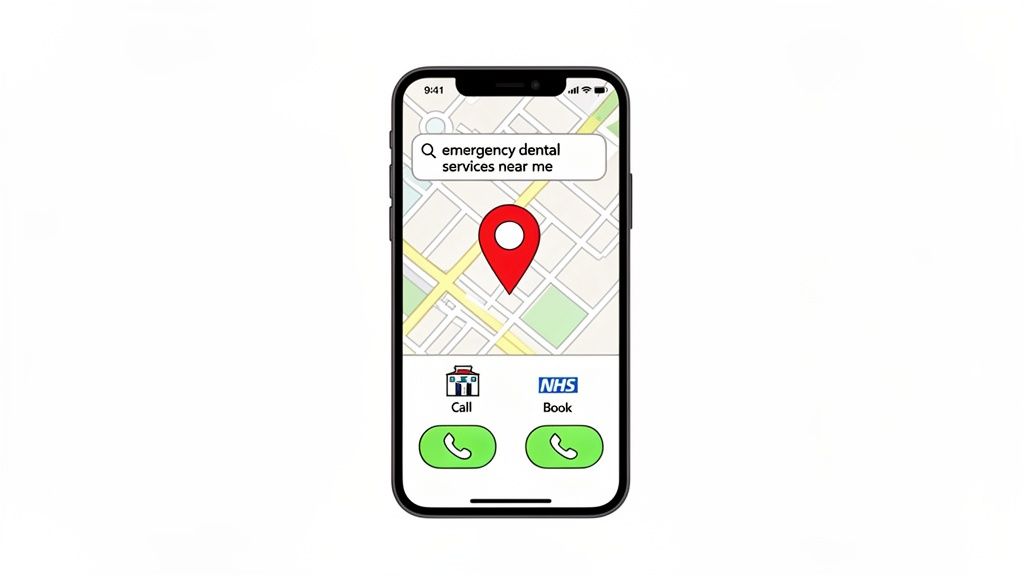
When a dental emergency hits, the first thing most of us do is frantically Google "emergency dental services near me." It’s a race against pain and anxiety, and knowing where to look can make all the difference. While the usual routes are worth trying, they often have their own roadblocks.
Your own dentist should always be your first port of call if it's during clinic hours. They know your history, have your records, and are in the best position to provide continuity of care. But what if it's 10 pm on a Saturday? That's when things get tricky.
The NHS 111 service is the next logical step for many. You can call them for advice, and they might be able to direct you to an urgent dental care hub in your area. The reality, though, is often a long wait on the phone, only to find out there are no available appointments or the nearest one is miles away. It can be a very frustrating experience when you're in pain.
A Modern, Faster Alternative
This is where a bit of modern tech completely changes the game. Instead of waiting hours for a callback or endlessly scrolling through search results, what if you could speak to a dentist in minutes? The Toothfairy app does exactly that, connecting you to a qualified UK dentist for a secure video consultation. It cuts through all the usual waiting and uncertainty.
Think about it. Within moments of opening the app, you can be face-to-face with a professional who can:
- See the problem: Using your phone's camera, they can get a good look at that swollen gum, chipped tooth, or other visible issue.
- Give you a diagnosis: You get a professional opinion on what's going on and how urgent it really is. No more guesswork.
- Send a prescription: If you need antibiotics for an infection or stronger painkillers, they can send an electronic prescription straight to your local pharmacy.
- Arrange a referral: If you do need to be seen in person, they can provide a referral letter, which makes getting that next appointment much smoother.
This whole process gives you immediate answers and a clear plan, all from your own home. It takes the panic out of the situation.
Making Sense of Local Search Results
When you do search online, you're interacting with a complex system. It's helpful to understand a little about why certain clinics pop up first. Dentists use specific methods to make sure they appear when someone local is searching for help. To learn more about how this works behind the scenes, you can read up on local SEO strategies for small businesses. A little knowledge here can help you sift through the results and spot the most credible options faster.
Getting a virtual consultation first can save you a world of trouble. By using a service like Toothfairy, you might get the prescription you need without leaving the house. Or, you'll get a confirmed referral, turning a frantic search for any clinic into a targeted search for the right one.
Ultimately, getting help fast is about using every tool you have. While the old methods have their place, a direct, tech-based approach offers a quicker, often more affordable, way to get the urgent care you need, when you need it.
NHS vs Private Emergency Dental Care
When you’re in agony with toothache, the last thing you want is a headache trying to figure out where to turn. Knowing the real-world differences between NHS and private emergency dental care is key to getting the right help, fast.
What Does the NHS Offer?
The NHS is there to provide urgent dental care to get you out of immediate pain. For a single charge—currently £26.80 in England—you’ll be assessed and given the necessary treatment to solve the immediate problem. That might mean a temporary filling, draining an abscess, or even taking the tooth out.
The big catch? Getting an appointment. Finding an NHS dentist with an available urgent slot can be incredibly difficult, and the waiting lists are often long. It’s a frustrating reality that often leaves people in pain and searching for another way.
The Struggle to Find an NHS Dentist
This isn’t just a rare problem; it's a nationwide issue. The numbers tell the story: over a quarter (27.7%) of adults who recently saw a private dentist did so simply because they couldn’t get an NHS appointment.
In some parts of the country, it's even worse. In the South West, for instance, that figure jumps to a staggering 39.8%. You can dig into the data yourself by reading the full GP Patient Survey dental statistics. This massive gap in accessible care is what forces many to look at private options, even if they’d prefer not to.
Private Care: Speed vs. Cost
Going private usually means you can be seen right away, often on the same day you call. The trade-off, of course, is the cost. An emergency consultation alone can set you back anywhere from £80 to over £250, and that's before you even start talking about the price of the actual treatment.
But there’s a smarter way to handle things that sits comfortably between long NHS waits and steep private fees.
The Toothfairy app gives you an immediate, affordable first step. For a clear, fixed price, you can have a video call with a qualified UK dentist without leaving your home. They can figure out what's wrong, send a prescription to your local pharmacy if needed, and give you a solid plan. It’s a brilliant way to avoid a pointless trip to A&E or a costly in-person visit that might not even be necessary.
This approach gives you the speed of the private sector for that crucial first step—getting a diagnosis and managing the pain—without the shocking bill. It puts you back in the driver's seat, armed with expert advice so you can decide what to do next. You might find that with the pain under control, you can wait for that NHS slot after all, or you can proceed with a specific private treatment, knowing exactly what you need.
What to Expect at Your Emergency Dental Visit
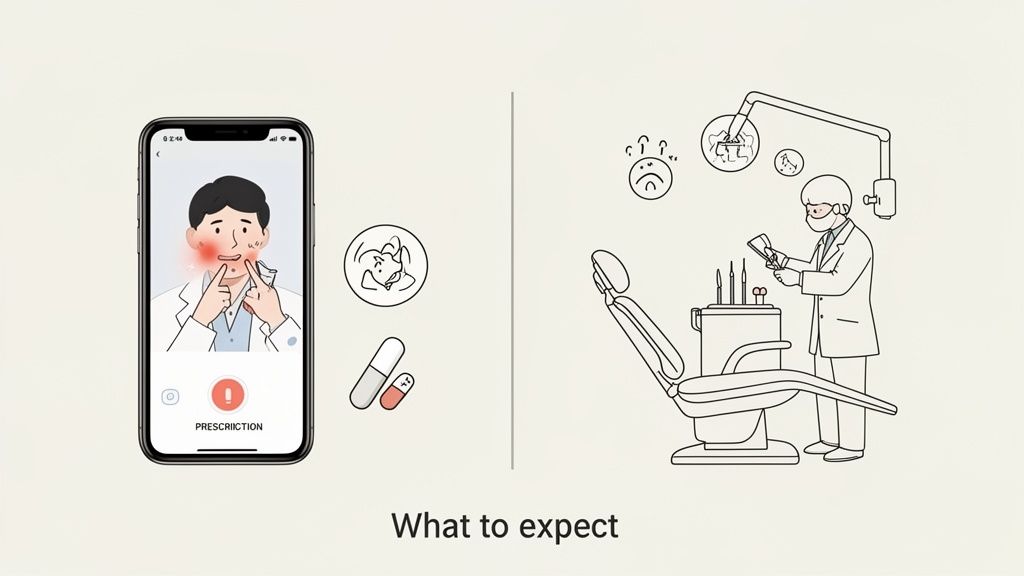
Walking into an unknown situation, especially when you're in pain, is always stressful. Knowing what’s about to happen can make a huge difference, whether you're logging into an app or heading to a clinic. Let’s walk through what you can expect, so you feel a bit more in control.
The Virtual Consultation First Step
These days, your first point of contact for a dental emergency might not be a receptionist's desk but a dentist on your smartphone. Services like the Toothfairy app are changing the game for urgent dental care.
You’ll start a secure video call where a qualified UK dentist asks you to point your phone’s camera at the problem. They’re skilled at spotting crucial signs remotely, looking for things like:
- Swelling: The size and location can give big clues about an abscess or serious infection.
- Discolouration: A tooth that’s gone dark grey often points to nerve damage inside.
- Visible Trauma: It’s easy for them to see a chip, crack, or a lost filling.
From this quick visual check, the dentist can usually give you a diagnosis and a clear plan. If they suspect an infection, they can send an e-prescription for antibiotics or strong painkillers straight to your local pharmacy. This is a massive help—it gets you relief fast and buys you time, often stopping a bad situation from getting worse.
What Happens at an In-Person Visit
If the dentist decides you need hands-on treatment, they’ll get you booked into a clinic. When you arrive, it's good to know that emergency clinics are geared up for urgent cases. Many have specific strategies to reduce walk-in wait times to get you seen as efficiently as possible.
Once you’re in the chair, the dentist's main priority is to get you out of pain and stabilise whatever is going on. They’ll almost certainly start with an X-ray to get a look at the tooth's roots and the surrounding bone.
From there, common emergency treatments include:
- Temporary Fillings: Lost a filling? The dentist will clean out the decay and pop in a temporary, medicated filling to calm the nerve down.
- Initial Root Canal Stage: For a badly infected tooth, they might start a root canal. This means opening the tooth, cleaning out the infection, and placing medication inside before sealing it temporarily.
- Tooth Extractions: Sometimes, a tooth is just too broken or infected to be saved. In that case, taking it out is the quickest way to stop the pain and prevent the infection from spreading.
It’s really important to understand this: an emergency visit is about crisis management, not a complete fix. The goal is to stop the pain, handle any infection, and prevent more damage. You'll almost always need to schedule a follow-up appointment for the permanent restoration.
This modern, two-step approach—virtual chat first, then a targeted clinic visit if needed—is a much smarter and less stressful way to handle dental emergencies. It ensures you get the right advice and treatment exactly when you need it.
Looking After Yourself: What to Do After Your Emergency Visit
Once the immediate panic is over and a dentist has sorted you out, the next chapter is all about recovery. What you do in the hours and days after treatment is just as important as the procedure itself—it’s what ensures you heal properly and don’t end up back in the chair.
Take a tooth extraction, for example. Your main goals are to manage any discomfort and fend off infection. Your dentist will give you specific advice, but the basics usually involve sticking to soft foods like soup, yoghurt, or smoothies for a day or two. It’s also absolutely critical to avoid smoking or using a straw. The suction can pull out the blood clot that's forming in the socket, leading to an incredibly painful condition known as a dry socket.
Turning a Crisis into a Health Win
Let’s be honest: many dental emergencies don’t just happen out of the blue. They're often the painful finale to a problem that’s been brewing for a while, like a small cavity that was ignored or stress-related teeth grinding that’s finally taken its toll. Think of your emergency as a serious wake-up call—a chance to get on the front foot with your oral health.
This is where having a long-term dental partner really makes a difference. At Toothfairy, we’re not just here for the disasters; we want to help you build a healthier smile for the long run. We offer a whole range of services designed to be both affordable and genuinely convenient.
Your emergency visit fixed the immediate problem. Now is the perfect time to think about prevention and your long-term smile goals. A healthy, properly aligned bite can reduce the risk of future chips, cracks, and excessive wear.
A Smarter Way to a Straighter Smile
Once you're out of pain, it's natural to start thinking about other improvements. If you've ever considered straightening your teeth but were put off by the eye-watering costs and constant appointments linked to some of the big-name aligner brands, we have a much smarter way forward.
Toothfairy offers dentist-prescribed, at-home clear aligner treatments that are far more affordable and convenient. But here’s the key difference: unlike other companies that just focus on the cosmetic side of things, we offer a fully joined-up approach. We can guide you through emergencies, support your routine care, and help you with cosmetic goals. It’s a level of complete support you just won’t find from a standalone aligner brand.
Your Emergency Dental Questions, Answered
When you’re in the middle of a dental crisis, your mind can race with questions and worries. Getting clear, simple answers is the best way to feel in control again. Let’s tackle some of the most common things people ask when they're searching for "emergency dental services near me".
Can an Online Dentist Actually Give Me a Prescription?
Yes, they absolutely can. Using a service like the Toothfairy app, a fully qualified UK dentist can look at your issue over a secure video call.
If they decide you need medication – say, antibiotics for an infection or strong painkillers to manage severe pain – they can send an electronic prescription straight to your local pharmacy. It's often the fastest way to get relief from something like a dental abscess, saving you the stress of finding an in-person appointment just to get a script.
What Really Counts as a Dental Emergency?
It's a common question: "Is this serious enough for an emergency call?" A true dental emergency usually involves severe pain, bleeding you can’t stop, or a serious injury to your face or mouth.
Here’s what we consider a genuine emergency that needs immediate attention:
- An adult tooth that’s been knocked out completely. Time is absolutely critical here.
- A suspected dental abscess, which often comes with throbbing pain, facial swelling, and sometimes a fever.
- Bleeding that won’t stop after an extraction or an accident.
- A broken jaw or other significant facial injury.
A toothache so bad it's keeping you awake at night or stopping you from focusing definitely counts, too. For other issues, like a small chip on a tooth with no pain or a crown that’s fallen off, you'll still need to see a dentist soon, but it might not mean you need an immediate out-of-hours visit.
A quick virtual triage appointment with Toothfairy is perfect for this. A dentist can assess you in minutes and tell you exactly what to do next – whether that’s getting a prescription, heading straight to A&E, or booking a routine appointment.
How Much Should I Expect to Pay for an Emergency Dental Appointment in the UK?
The cost can be all over the place, and it’s a big source of stress for people.
On the NHS, an urgent dental treatment has a fixed cost. In England, this is currently £26.80. That one-off charge is meant to cover your assessment and whatever immediate treatment you need to get you out of pain, like a temporary filling or an extraction. The real problem? Finding an NHS practice with an available emergency slot can feel nearly impossible.
Going private gets you seen much faster, but the price tag is significantly higher. You could be looking at anywhere from £80 to over £250 just for the consultation itself, before any treatment costs are added. This uncertainty is the last thing you need.
A service like Toothfairy offers a clear, fixed fee for an instant video consultation. It’s an affordable and predictable first step to get a diagnosis and a plan to sort out the pain.
Ready to take control of your dental health, from emergencies to smile transformations? Download the Toothfairy app today for immediate access to UK dentists and discover a smarter, more affordable way to care for your smile. Get started at https://www.toothfairyapp.co.uk.
Last updated on January 10, 2026

Dr. Deepak
ToothFairy Care Team.
Dr. Deepak
ToothFairy Care Team.