Do Teeth Whiteners Work? A Guide to a Brighter Smile
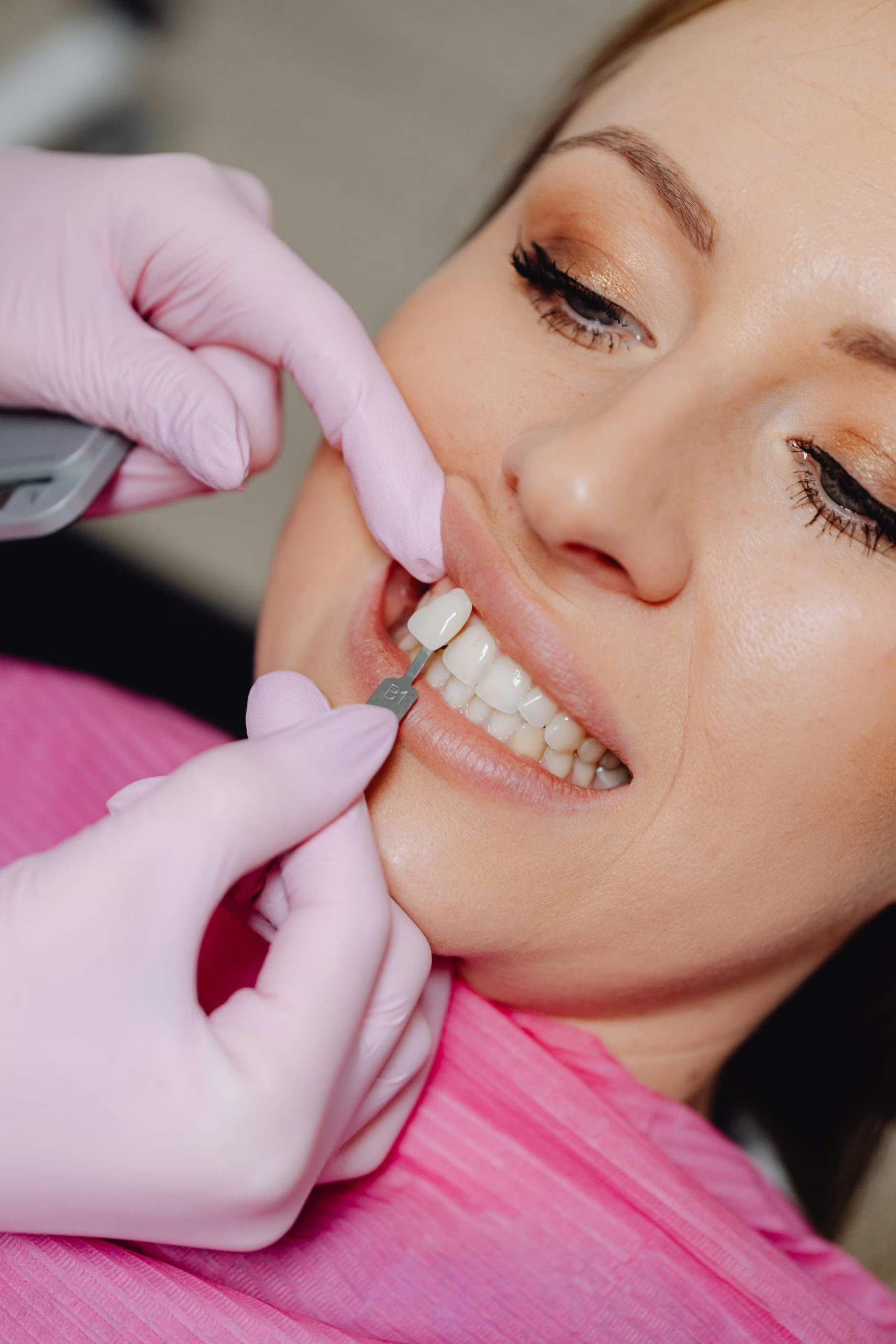
Yes, the right teeth whiteners definitely work—but it’s not quite magic. The secret lies in matching the right whitening method to the specific type of stain you're dealing with. Think of it less as a one-size-fits-all solution and more as a tailored approach to restoring your smile's natural brightness.
How Do Teeth Whiteners Actually Work?
So, what's really happening when you use a whitening product? The short answer is that they lift stains off your enamel, the hard, outer layer of your teeth.

To understand the process, imagine your tooth enamel is like a white ceramic mug. Over years of use, it absorbs pigments from things like coffee, tea, and red wine, causing it to look dull and discoloured. Whitening treatments act like a deep clean, breaking down those stubborn stains.
But before you can tackle the problem, you need to know what you’re up against. Tooth stains generally fall into two distinct camps.
The Two Main Types of Tooth Stains
Extrinsic Stains: These are the ones on the surface. They sit right on top of your enamel and are usually the result of lifestyle habits—think your morning coffee, that glass of red wine, or smoking. The good news? Because they're on the outside, they are the easiest to remove.
Intrinsic Stains: These stains are a bit trickier. They’ve settled deep inside the tooth, in a layer called dentin. This kind of discolouration can be caused by certain medications taken during childhood, an injury to a tooth, or even just the natural ageing process that thins our enamel. These deeper stains need a more powerful approach to see a real difference.
Most modern teeth whiteners, from strips to gels, rely on an active ingredient like hydrogen peroxide or carbamide peroxide. These are bleaching agents that create a gentle chemical reaction. They penetrate the enamel and break apart the chemical bonds that hold the stain molecules together, effectively dissolving them and lifting them away.
The real goal of whitening isn't to change the fundamental colour of your teeth. It’s about restoring your enamel to its natural, unstained shade by thoroughly removing all the build-up.
From over-the-counter whitening strips to dentist-prescribed kits, the options are plentiful. Exploring professional teeth whitening services can offer powerful solutions, but innovative providers like Toothfairy are changing the game. We offer a smarter, more affordable way to get dentist-supervised cosmetic treatments, bringing them directly to your door for ultimate convenience and safety. This ensures you’re using the right product and strength for your specific needs, all with professional oversight.
The Science Behind a Whiter Smile
So, how do teeth whiteners actually work? It's a common misconception that they 'bleach' your teeth into a new, artificial shade. The reality is far more interesting—it’s essentially a deep clean that lifts away years of built-up stains.
Imagine your tooth enamel is like a beautiful, porous ceramic tile. When it's new, it's bright and smooth. But over time, everything you eat and drink—from coffee and tea to red wine and curry—leaves behind tiny colour molecules called chromogens. These pesky molecules find their way into the microscopic pores of your enamel, and bit by bit, they cause that once-bright surface to look dull and yellowed.

This is where the magic ingredients step in. Most whitening treatments you’ll come across rely on a form of peroxide, usually either hydrogen peroxide or carbamide peroxide.
The Chemical Reaction That Lifts Stains
When a peroxide gel is applied to your teeth, it kicks off a simple but incredibly effective chemical process called oxidation. It’s a bit like a targeted stain remover working its way into the fabric of your enamel.
Here's a quick breakdown of what's happening on a microscopic level:
- Penetration: The peroxide gets to work, seeping deep into the porous enamel to reach those trapped stain molecules.
- Oxidation: It then releases a flood of highly reactive oxygen molecules. These molecules are the real heroes—they get in there and break apart the chemical bonds that hold the stains together.
- Lifting: Once those bonds are broken, the chromogens become smaller and, crucially, colourless. They are effectively neutralised, lifting the discolouration right out of the tooth.
The beauty of this process is that it doesn't scrape, scrub, or damage your enamel. It simply cleans out the compounds that are causing the discolouration from within the tooth's structure. This is why using professional-grade ingredients is so important—they're formulated to be powerful enough to bust through stubborn stains without compromising your dental health.
Understanding the science here helps set realistic expectations. Whitening is all about restoring your teeth to their natural, brightest shade, not painting them a colour that was never there. Your final result will always depend on what your tooth’s original colour was before the stains set in.
Because this is all about a chemical reaction, how the gel is applied makes all the difference. You can see why over-the-counter strips sometimes lead to patchy, uneven results—they just can't guarantee full contact with every nook and cranny of your smile. It’s also why dentist-supervised systems, like those offered by Toothfairy, insist on custom-fitted trays. These trays are moulded perfectly to your teeth, ensuring the professional-strength gel is held exactly where it needs to be for a safe, uniform, and brilliantly effective result.
A Look at Your Teeth Whitening Options in the UK
Walking down the dental aisle or scrolling online, you’re met with a bewildering number of ways to whiten your teeth. From toothpastes and strips to professional treatments, it's easy to feel lost. To figure out what will actually work for you, you need to understand the real differences between them – each one strikes a different balance between results, cost, speed, and safety.
It's clear that Brits are keen on a brighter smile. The UK's teeth whitening market is massive, hitting USD 248.3 million in 2023 and on track to reach USD 387.3 million by 2030. This isn't just a fleeting trend; millions of people are actively looking for effective ways to improve their confidence with a whiter smile.
Let's break down the main contenders.
Over-the-Counter Products
This is everything you can grab off a shelf without a prescription, like whitening toothpastes, mouthwashes, and those popular whitening strips.
- Whitening Toothpastes: They're the easiest place to start. Most work by using gentle abrasives to polish away surface stains from things like coffee or red wine. But they contain little to no peroxide, so they can't change the actual, deeper colour of your teeth. Think of them as more of a polish than a whitener.
- Whitening Strips: These are a step up. They're small, flexible strips coated in a weak peroxide gel. While they can deliver some results, getting them to stick perfectly around every curve of every tooth is tricky. This often leads to uneven, patchy whitening, which isn't the look anyone is going for.
These options are cheap and cheerful, but the results are usually subtle and take a long time to notice. They're better for keeping a white smile white, not for making a dramatic change.
Teeth Whitening Methods at a Glance
To make sense of it all, here’s a quick comparison of the most common teeth whitening methods available in the UK. This table lays out what you can expect in terms of cost, results, and the pros and cons of each approach.
| Method | Average Cost (UK) | Typical Results Timeline | Pros | Cons |
|---|---|---|---|---|
| Whitening Toothpaste | £3 – £15 | 4-6 weeks for subtle lift | – Very affordable – Easy to integrate into daily routine – Good for maintenance |
– Only removes surface stains – Cannot change intrinsic tooth colour – Results are very limited |
| Whitening Strips | £20 – £50 | 2-3 weeks for mild results | – More effective than toothpaste – Relatively inexpensive – Widely available |
– Can cause patchy or uneven results – May cause gum irritation if not applied correctly – Can increase tooth sensitivity |
| In-Clinic "Power Bleaching" | £400 – £1,000+ | 1 hour (single visit) | – Fastest, most dramatic results – Professionally supervised |
– Most expensive option – Highest risk of temporary sensitivity – Results can fade without proper maintenance |
| Dentist-Supervised At-Home Kit | £250 – £500 (e.g. Toothfairy) | 1-2 weeks for visible results | – Gold standard for effectiveness & safety – Custom-fit trays for even results – Professional-strength gel – Less sensitivity than in-clinic |
– Requires a dental consultation – More expensive than over-the-counter products – Results take longer than a single visit |
Ultimately, choosing the right method comes down to your budget, how quickly you want to see results, and how important professional guidance is to you.
Professional In-Clinic Whitening
Often called "power bleaching," this is the express route to a whiter smile. A dentist applies a very strong peroxide gel directly to your teeth, often using a special light to speed up the process. It's incredibly effective – you can walk out with a noticeably brighter smile after just one visit.
But this speed and power come at a price. It's by far the most expensive option and carries the highest risk of causing temporary tooth sensitivity. Before you commit, it's worth weighing up the cost and potential discomfort to decide if is in-clinic teeth whitening right for you.
Dentist-Supervised At-Home Whitening
Here's where modern dentistry really shines, offering the perfect middle ground: professional results with the convenience of doing it at home. This isn't just a slightly better over-the-counter kit; it’s a completely different approach that's both safer and more effective.
Professional at-home systems are widely considered by dentists to be the gold standard. They combine the safety of a dentist's oversight with the power of a treatment plan designed just for you, delivering predictable and long-lasting results.
This is exactly the model services like Toothfairy have perfected. It starts with a virtual consultation where a qualified UK dentist makes sure whitening is right for you. If it is, they take moulds of your teeth to create custom-fitted whitening trays. These trays are key – they hold the professional-strength gel perfectly against every tooth surface, ensuring an even, brilliant result while keeping the gel off your gums.
This personalised, dentist-led process is what sets it apart, moving beyond the one-size-fits-all approach to provide truly reliable cosmetic dentistry.
The Rise of Professional At-Home Whitening
For years, getting a brighter smile felt like a compromise. You either gambled with shop-bought strips that promised a lot and delivered little, or you faced the hefty bill and inconvenience of an in-clinic dental procedure. But things have changed. A new middle ground has emerged, and it's quickly becoming the go-to choice: professional at-home whitening.
This hybrid approach combines the power of a dentist-prescribed treatment with the comfort and ease of doing it yourself. It’s the perfect answer for anyone wondering if teeth whiteners really work without having to choose between results and convenience. This trend really took off during the pandemic, when getting to a dentist was tricky but people still wanted to feel good about their smiles. The demand for effective at-home solutions shot up as people realised they could get genuine, safe results on their own terms. You can dig into the numbers behind this shift over at Fortune Business Insights.
How This Hybrid Model Works
Don’t confuse this with simply ordering a stronger gel online. Professional at-home whitening is a proper dental treatment, supervised from start to finish, just delivered to your doorstep.
Services like Toothfairy are at the forefront of this. The whole process kicks off with a virtual chat with a qualified UK dentist. They’ll check your teeth, discuss your goals, and make sure whitening is a safe and suitable option for you. This first step is vital for avoiding problems and setting you up for the best possible outcome.
After your consultation, you'll receive a kit to take impressions of your teeth at home.
This is where the magic really happens. Forget those flimsy, one-size-fits-all strips that slip around, miss spots, and irritate your gums. The impressions are used to create custom-moulded trays that fit your mouth perfectly. This snug fit ensures the professional-grade whitening gel is held directly against every tooth surface for an even, brilliant result, all while keeping it away from your sensitive gums.
Once your bespoke trays are made, they’re sent to you along with the prescribed whitening gel. You get the full force of a clinical treatment but with the freedom to whiten whenever it suits you—all with a dental professional keeping an eye on your progress.
This infographic gives you a quick visual breakdown of how the different options stack up against each other.

As you can see, professional at-home systems strike the perfect balance. They deliver powerful, safe results without the eye-watering cost or potential risks of some other methods.
The Best of Both Worlds
At the end of the day, professional at-home whitening has become so popular because it eliminates the need to compromise. You don't have to trade effectiveness for convenience, or safety for a lower price. It gives you the predictable, lasting brightness you’d get from a dental clinic, but without the hassle of appointments and the high cost. It’s an ideal solution for anyone looking to safely and effectively achieve a whiter smile, even if they're also undergoing other treatments like clear aligners.
Potential Risks and Who Should Think Twice About Whitening
While getting a brighter smile is safer than ever these days, it’s not a one-size-fits-all solution. Part of understanding how well teeth whiteners work is knowing when they might not be the right move. Let's walk through the potential side effects and who should be extra careful.
The most common issues are usually temporary and pretty mild. You’ll typically hear about two things:
Tooth Sensitivity: Ever felt a sudden, sharp "zing" in your teeth? That can happen during or after a whitening session. The gel needs to open up tiny pores in your enamel to lift stains, which can temporarily make the nerves inside a bit more sensitive to hot and cold.
Gum Irritation: Sometimes, the whitening gel can sneak onto your gums, causing a bit of temporary soreness or irritation.
For the most part, these effects fade quickly on their own. But how intense they are often comes down to the whitening method you choose. Those one-size-fits-all trays you can buy off the shelf often don't fit well, letting gel ooze out onto your gums. It's a big reason why professionally supervised kits with custom-made trays are a much safer bet.
Who Might Not Be a Good Candidate for Whitening?
For some people, whitening could do more harm than good. It's best to hold off on treatment if you fall into any of these groups:
Untreated Dental Problems: If you have active gum disease, cavities, or even cracked teeth, you need to sort those out first. Whitening agents can get into these vulnerable areas and cause real pain or make the problem worse.
Worn Enamel: When your enamel is thin, the whitening gel can penetrate much deeper towards the nerve, which can lead to severe and long-lasting sensitivity.
Existing Dental Work: This is a big one. Crowns, veneers, and fillings are made of materials that won’t change colour with whitening gels. If you whiten the natural teeth around them, you could end up with a very obvious and mismatched smile.
Here’s the bottom line: you should only ever whiten a healthy mouth. Getting underlying dental issues sorted out first isn't just a suggestion—it's absolutely vital for a safe and effective treatment.
This is exactly why a check-up before you start is so important. A quick virtual chat with a Toothfairy dentist can give your oral health a once-over and confirm if you’re a good candidate. It’s a simple step that saves you from potential trouble down the line and gets you started on the right foot.
That professional guidance is really the key difference between a supervised service and just grabbing a kit from a shop; it gives you peace of mind to go along with your brilliant new smile.
Keeping Your Smile Brighter for Longer
So, you’ve put in the effort and now you’ve got a brilliantly white smile. Fantastic! The next question is, how do you keep it that way? Protecting that investment is probably easier than you think, and a few small changes to your routine can help your results last for months, or even years.
Think of your newly whitened teeth like a fresh white shirt. The game now is all about stain prevention. And just like with a shirt, the biggest threats often come from what we eat and drink.
Smart Habits for Stain Prevention
It’s your daily habits that will really determine how long that bright smile sticks around. You don't have to give up your morning coffee or that glass of red wine, but a little mindfulness goes a long way.
Here are a few practical tips you can start using today:
- Rinse Right Away: Just finished a coffee, a cup of tea, or a curry? Swish your mouth out with a bit of water. It’s a simple trick, but it helps wash away the staining compounds (chromogens) before they can get a foothold in the microscopic pores of your enamel.
- Grab a Straw: If you’re drinking iced coffee, cola, or dark fruit juices, using a straw is a game-changer. It lets the liquid bypass your front teeth, dramatically cutting down on direct contact with the things that cause stains.
- Double Down on Oral Hygiene: This one is absolutely key. Brushing twice a day and flossing once a day is non-negotiable. Plaque is a sticky film that practically invites stains to stick around, so keeping your teeth clean gives them a fighting chance to stay white.
Think of it as proactive defence. You wouldn't wear a white shirt to paint a fence without an apron, right? The same logic applies here—a little bit of protection makes all the difference in keeping your enamel pristine.
Finally, think about the odd top-up. It's completely normal for a bit of dullness to creep back in over time. A quick touch-up session every six to twelve months is usually all it takes to bring back that original sparkle. Services like Toothfairy make this super convenient, letting you order more professional gel for your custom trays. It’s a clever and affordable way to keep your smile looking its best without having to go through a full whitening treatment all over again.
Got Questions About Teeth Whitening?
It's completely normal to have a few questions, even when you understand the science behind it all. Deciding to whiten your teeth is a big step, so it’s wise to get all the facts straight before you start. Let's dig into some of the most common things people ask.
How Many Shades Whiter Can My Teeth Actually Get?
This is probably the number one question, but the answer isn't one-size-fits-all. The results you'll see depend on a few things, like your teeth's natural starting colour and the kind of staining you have.
Generally speaking, professional, dentist-supervised treatments can brighten your teeth by a noticeable 5-8 shades. On the other hand, over-the-counter products you find in a shop will likely only give you a much more subtle lift of around 1-3 shades.
Remember, the aim isn't to get a shocking, artificial white. The real goal is to gently lift away years of accumulated stains, revealing your teeth's brightest and healthiest natural shade.
A dental professional is the best person to give you a realistic idea of what’s possible. With a quick virtual consultation, the experts at Toothfairy can assess your smile and tell you exactly what you can expect.
Is Teeth Whitening Going to Damage My Enamel?
When it’s done correctly and with a dentist's oversight, teeth whitening is perfectly safe and won't harm your enamel. The whitening agent simply opens up the tiny pores in your enamel to get inside and break down the stains. After the treatment, your saliva helps these pores remineralise and close right back up.
The real danger comes from unregulated products bought online, which can sometimes contain illegally high concentrations of peroxide. Sticking with professional guidance ensures you're using a formula that's not only effective but also safe and legally approved here in the UK.
Can I Whiten My Teeth at the Same Time as Straightening Them?
You absolutely can! In fact, it's one of the smartest ways to get a complete smile makeover. If you're using clear aligners for your orthodontic treatment—from our own or even another aligner brand—those trays are essentially custom-made whitening trays already.
This means you can whiten your teeth while you straighten them, tackling two goals at once. It's a fantastic time-saver. Of course, this has to be done under your dentist’s care. They’ll provide a whitening gel with the correct strength to work safely and effectively with your aligners.
Providers like Toothfairy, who offer a smarter and more affordable way to straighten teeth, can build a seamless plan for you. It's a brilliant way to get a straighter, whiter smile all in one go.
Ready to reveal a brighter, more confident smile with professional guidance? Toothfairy offers dentist-supervised, at-home whitening kits with custom-fitted trays for safe, even, and brilliant results. Start your journey today!
Last updated on February 17, 2026
Dr. Deepak
ToothFairy Care Team.
Dr. Deepak
ToothFairy Care Team.