The Benefits of Fluoride for Your Teeth
Fluoride: Why This Essential Mineral Matters for Your Dental Health
Fluoride is a word most of us associate with toothpaste and dental visits, but what exactly is it, and why do dentists emphasise it so strongly? Fluoride is a naturally occurring mineral that plays a vital role in protecting teeth from decay and maintaining long-term oral health. From children developing their first teeth to adults looking to preserve their smile, fluoride benefits people at every stage of life.
Let’s explore what fluoride is, how it works, and why it remains one of the most effective tools in modern dentistry.
What Is Fluoride?
Fluoride is a natural mineral found in water, soil, and many foods. In dentistry, fluoride is widely used because of its proven ability to strengthen teeth and reduce the risk of cavities. It is commonly added to toothpaste, mouth rinses, professional dental treatments, and public water supplies to help improve community oral health.
How Fluoride Works to Protect Your Teeth
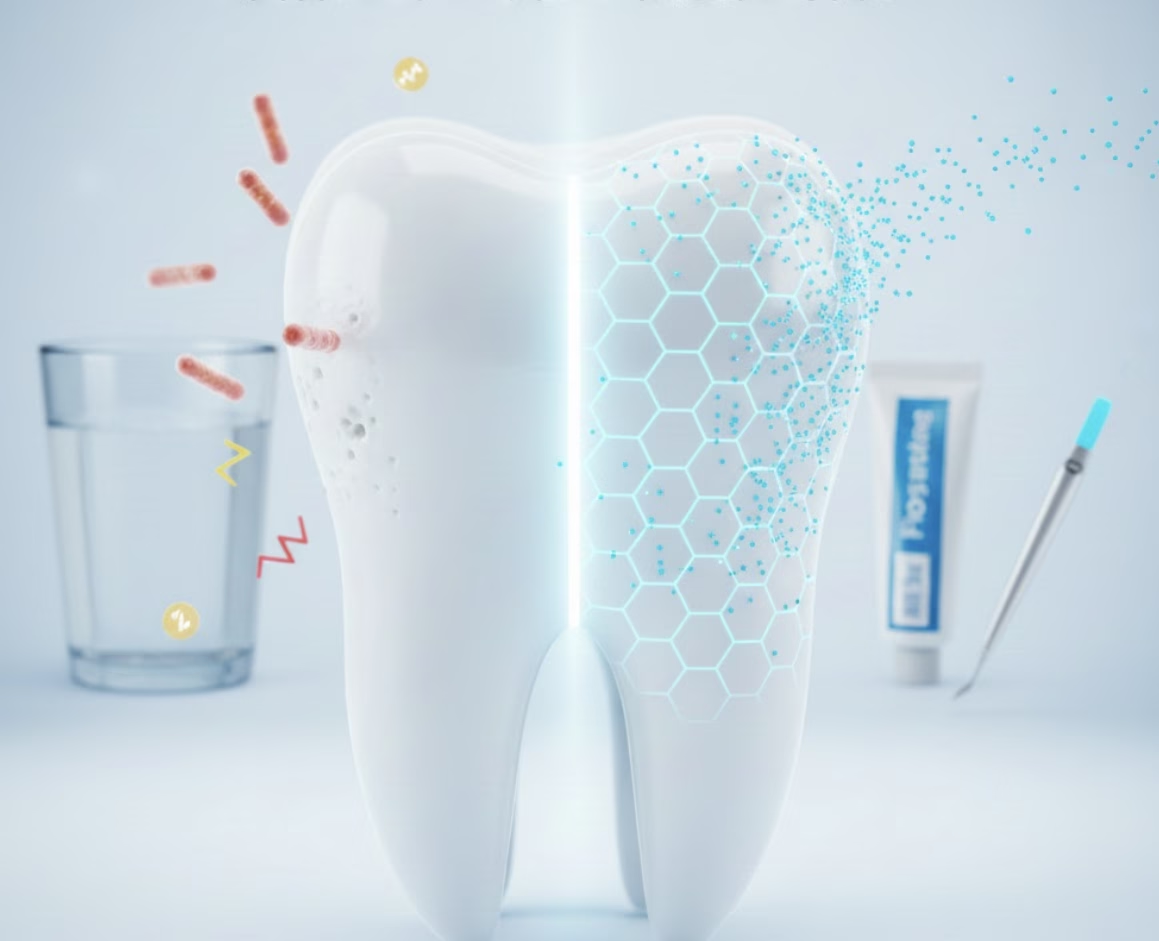
Your tooth enamel, the hard, outer surface of your teeth, constantly undergoes a process of mineral loss and replacement.
Demineralisation occurs when acids from plaque bacteria and sugars attack the enamel, causing mineral loss.
Remineralisation happens when minerals such as fluoride, calcium, and phosphate are redeposited into the enamel through food, water, and dental products.
Tooth decay develops when demineralisation outweighs remineralisation. Fluoride helps restore this balance by reinforcing enamel and making it more resistant to acid attacks.
Key Benefits of Fluoride
- Strengthens tooth enamel, increasing resistance to decay
- Remineralises weakened enamel, reversing early stages of cavities
- Reduces harmful bacteria that produce enamel-eroding acids
- Slows down demineralisation, protecting teeth over time
- Lowers cavity risk by approximately 25% when used consistently
- Types of Fluoride Used in Dentistry
- Fluoride can be obtained from everyday sources as well as professional dental care.
Everyday Sources
- Fluoridated tap water
- Fluoride toothpaste (used twice daily)
- Over-the-counter fluoride mouth rinses
Professional and Prescription Options
- Fluoride varnish is painted directly onto teeth
- Fluoride gel or foam is applied using a custom dental tray
- Prescription-strength fluoride tablets, drops, or rinses (recommended by a dentist)
- Professional fluoride treatments are quick, usually taking less than five minutes, and are often provided during routine dental cleanings.
Fluoride for Children: Why Early Intake Matters
Fluoride is especially important for infants and children between 6 months and 16 years, as their teeth are still developing. Both developing teeth and erupted teeth benefit from proper fluoride exposure.
The American Dental Association (ADA) recommends careful monitoring of fluoride intake in young children to prevent enamel fluorosis, a condition that can cause faint white streaks or spots on teeth.
ADA Recommendations for Children
- Use only a pea-sized amount of fluoride toothpaste
- Encourage children to spit out toothpaste, not swallow it
- Avoid fluoride mouth rinses for children under age 6 unless advised by a dentist
- Do not give fluoride supplements to infants under 6 months
- Avoid mixing infant formula with fluoridated water when possible
Do Adults Benefit from Fluoride?
Absolutely. Fluoride continues to protect teeth throughout adulthood and is especially beneficial for individuals who have:
- Dry mouth (xerostomia) caused by medications or medical conditions
- Gum disease, which exposes tooth roots to decay
- A history of frequent cavities
- Dental restorations such as crowns, bridges, braces, or dentures
- Fluoride helps protect vulnerable areas of the teeth and reduces the risk of decay around restorations and orthodontic appliances.
Is Fluoride Safe?
When used as directed, fluoride is safe and highly effective. Public water supplies are fluoridated at an optimal level of 0.7 parts per million, which protects without harm.
Excessive fluoride intake can be toxic, but reaching dangerous levels is extremely unlikely with standard dental products. Parents should supervise children during brushing and avoid flavoured toothpaste, which may encourage swallowing.
Potential Side Effects of Fluoride
The most common side effect is dental fluorosis, which occurs during tooth development (usually in children under 6). It can cause white or brown discolouration on teeth and is often linked to high levels of naturally occurring fluoride, such as from well water.
Fluorosis cannot be brushed away, but cosmetic treatments like professional whitening, dental bonding, or veneers may improve appearance.
How Often Should You Get Fluoride Treatments?
For most people, professional fluoride treatments every six months are sufficient. Individuals at higher risk for cavities may benefit from more frequent treatments. Your dentist can recommend a schedule based on your oral health needs.
Fluoride is one of the simplest and most effective ways to protect your teeth. By strengthening enamel, reversing early decay, and preventing cavity-causing bacteria, it plays a crucial role in lifelong oral health. Whether through drinking water, toothpaste, or professional treatments, incorporating fluoride into your daily routine is an investment in a healthier, stronger smile.
The next time you brush, remember, fluoride is working quietly but powerfully to protect your teeth. For more dental tips and expert advice, stay updated via ToothFairyApp.
Last updated on January 8, 2026

Toothfairy Care Team
Toothfairy, is the world's smartest dental app, that connects patients to a dentist for a range of issues, from emergencies, cosmetics, prescriptions to virtual exams.
Toothfairy Care Team
Toothfairy, is the world's smartest dental app, that connects patients to a dentist for a range of issues, from emergencies, cosmetics, prescriptions to virtual exams.